
Views: 47 Author: Site Editor Publish Time: 2025-12-26 Origin: Site


In the competitive landscape of footwear manufacturing, the pursuit of superior comfort and performance has led to the evolution of cushioning technologies—and GEL cushioning stands out as a game-changer. Unlike conventional air cushioning systems, GEL cushioning is engineered with a unique gel matrix (formulated from polyurethane (PU), TPU, or silica gel) that bridges the properties of solids and liquids, delivering unrivaled shock absorption, durability, and customization potential for slipper designs.
Core Performance Advantages of GEL Cushioning vs. Traditional Air Cushions
Traditional air cushions rely on trapped air for cushioning, which often leads to uneven pressure distribution and gradual loss of air over time, compromising performance. GEL cushioning, by contrast, features a viscoelastic gel material that dynamically absorbs impact—it deforms under pressure to disperse force across the entire sole, then slowly rebounds to its original shape. This characteristic makes it ideal for shoes, where prolonged standing or walking demands consistent cushioning to reduce joint stress and foot fatigue. For shoe outsoles, this means a softer, more supportive step that lasts far longer than air-based alternatives, which can flatten or leak with repeated use.
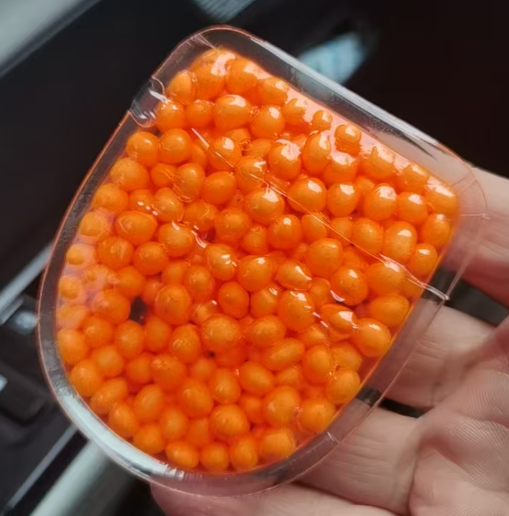
Air cushions are prone to punctures, air leakage, and degradation from temperature fluctuations—critical flaws for slippers that are often used in indoor/outdoor settings (e.g., bathroom, patio). GEL cushioning’s solid-liquid hybrid structure is inherently tear-resistant and impervious to air loss. It maintains its performance across a wide temperature range and resists wear from friction with floors, making it a robust choice for shoe that need to withstand daily use.
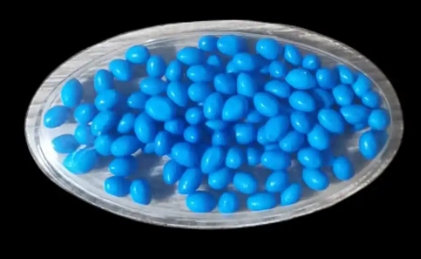
GEL cushioning pairs seamlessly with other footwear materials like Flytefoam or EVA, a flexibility that traditional air cushions lack (as they require rigid enclosures to hold air). For slipper manufacturing, this means GEL can be integrated into slim, lightweight outsole designs without sacrificing cushioning—perfect for creating sleek, comfortable slippers that avoid the bulky feel of air-cushioned alternatives. It also enables hybrid designs, where GEL handles shock absorption while other materials boost traction or flexibility.
Application Scope of GEL Cushioning in Footwear
While our focus is on shoe outsole, GEL cushioning’s versatility makes it a staple across the footwear industry:
• Athletic Shoes: Basketball shoes, running shoes, and training sneakers use GEL for heel/toe cushioning to absorb high-impact movements and reduce joint strain.
• Casual Footwear: Daily wear shoes and loafers integrate GEL insoles for all-day comfort during walking or standing.
• Work & Safety Shoes: Industrial footwear uses GEL to mitigate fatigue from long hours on hard surfaces, combining shock absorption with slip resistance.
• Leather Shoes & Boots: Dress shoes and work boots incorporate GEL insoles to add comfort without altering the shoe’s structural integrity.
For slippers specifically, GEL cushioning transforms the outsole from a basic protective layer into a performance-driven component—ideal for brands targeting consumers seeking premium comfort (e.g., homewear lines, therapeutic slipper brands, or outdoor slipper collections).
Customization & Development Directions for GEL Cushioning in Slipper Outsoles
Huadong as a sole manufacturer, the customizability of GEL cushioning is a key advantage for creating differentiated slipper products:
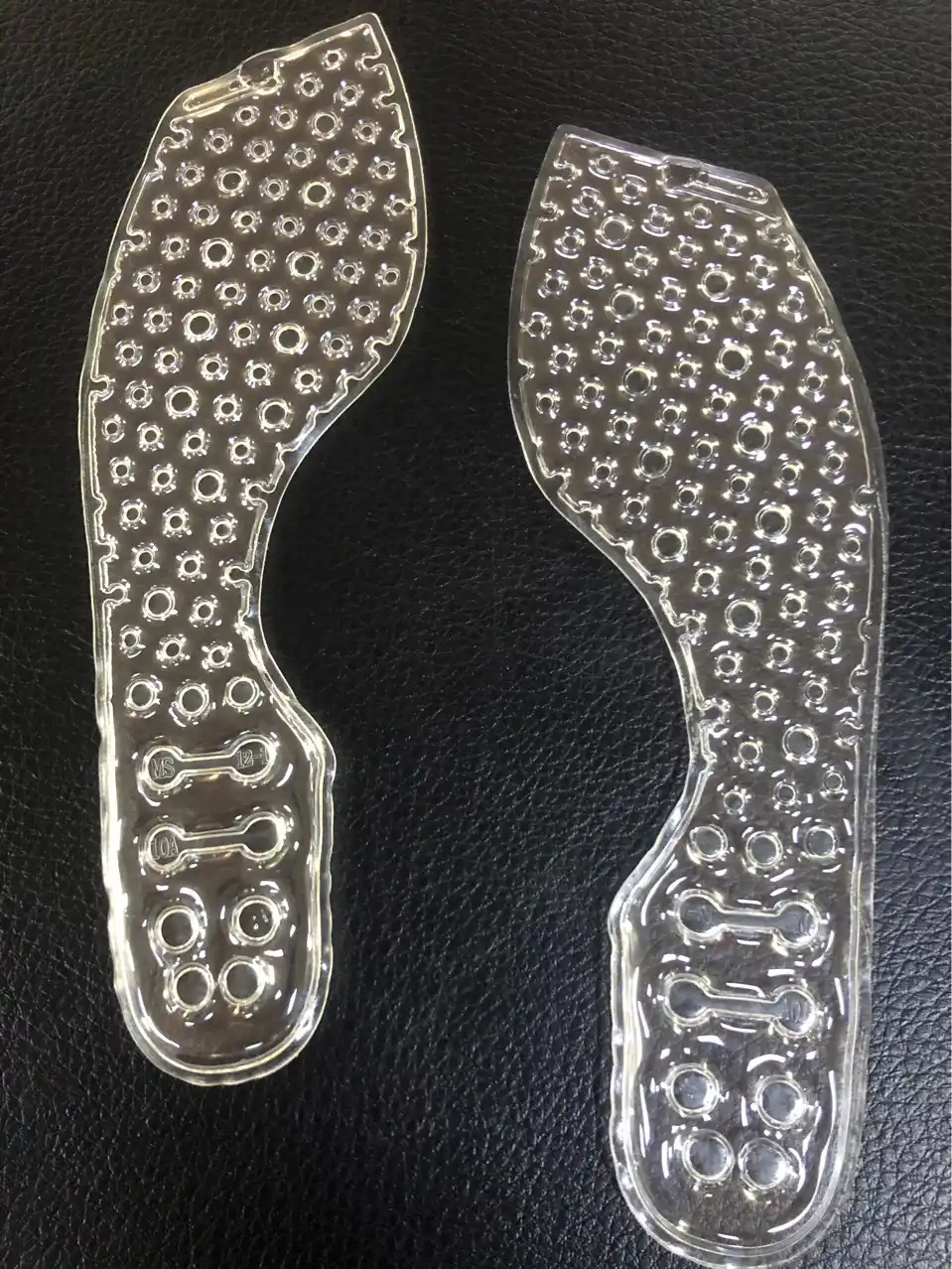
GEL cushioning can be molded into honeycomb, water-drop, or fruit-jelly shapes (as seen in our colorful GEL bead prototypes), allowing for tailored pressure distribution across the slipper outsole. For example, we can engineer extra GEL padding in the heel and forefoot (high-impact areas) while keeping the arch slim for flexibility—perfect for ergonomic slipper designs.
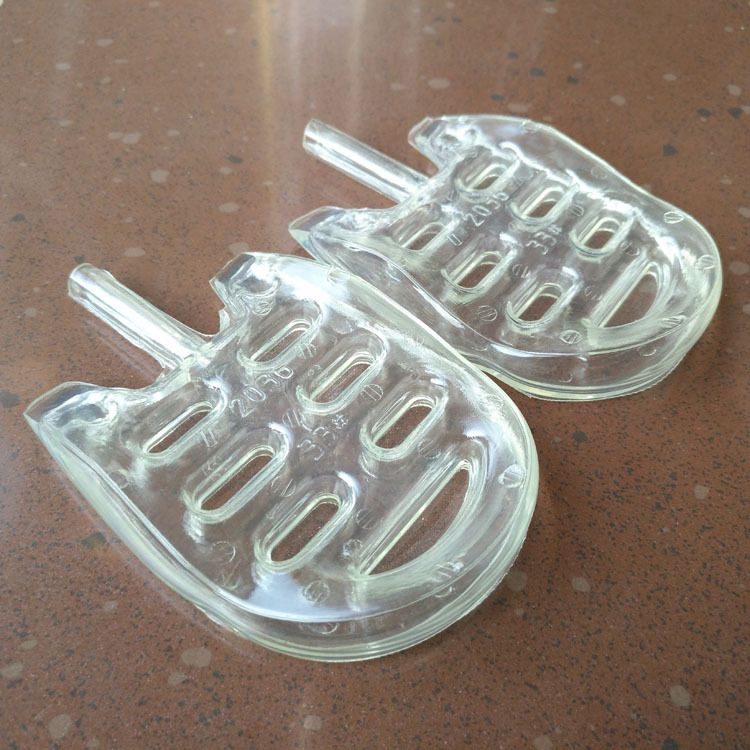
GEL materials are available in a spectrum of vibrant colors (like the blue and orange GEL beads in our product shots) and can be made translucent or opaque. This lets brands add visual appeal to slipper outsoles, turning a functional component into a design feature—ideal for fashion-forward slipper lines or branded children’s slippers.
We can adjust the GEL formula (PU/TPU/silica gel ratios) to modify hardness and rebound properties. For indoor slippers, a softer GEL delivers cloud-like comfort; for outdoor slippers, a firmer GEL enhances durability and traction on uneven surfaces. We also offer combinations with anti-slip coatings or textured GEL surfaces to boost grip on wet floors (a must for bathroom slippers).
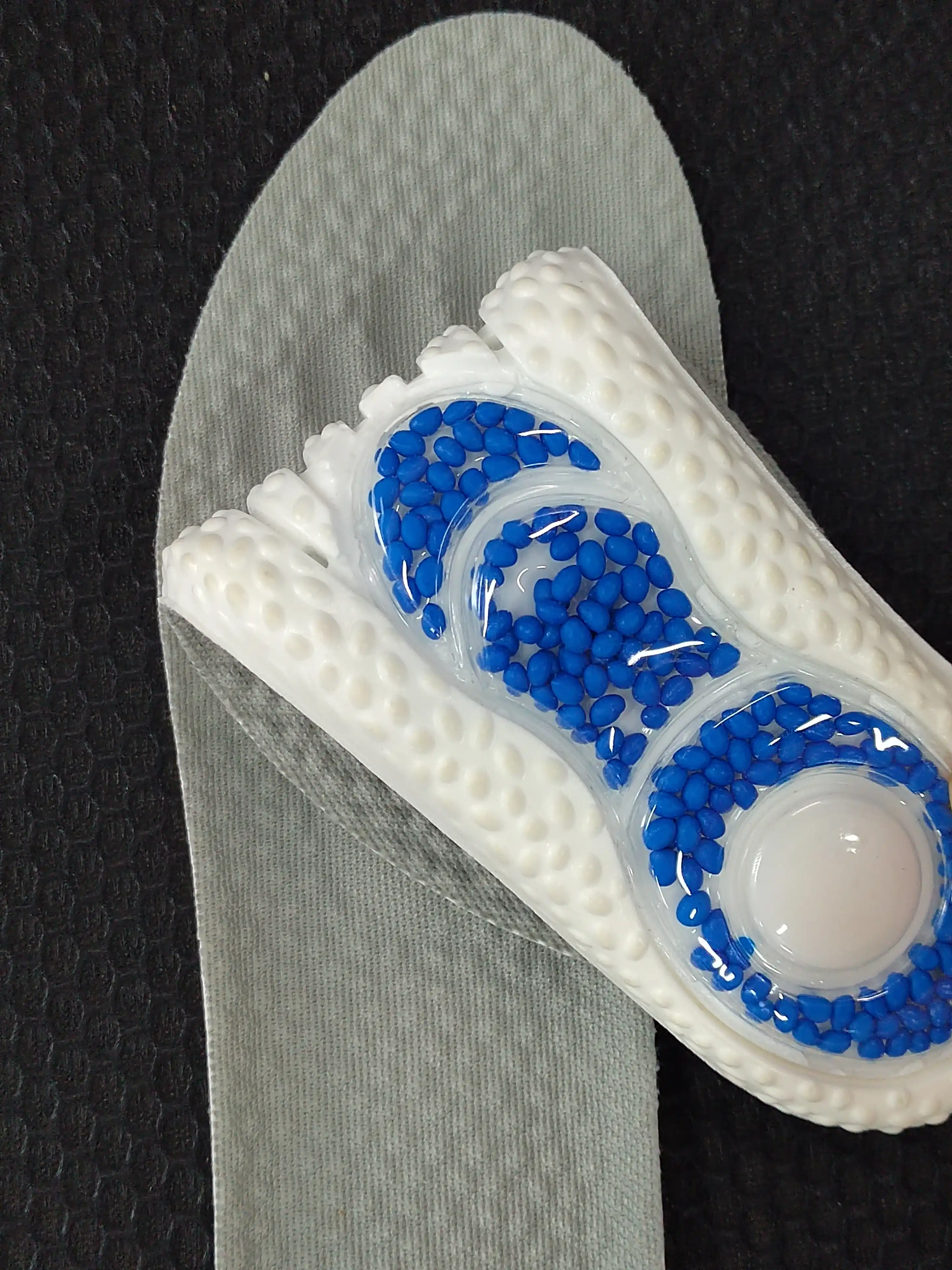
Our factory provides end-to-end customization, from size and thickness adjustments to LOGO printing on GEL components. We can produce GEL cushioning in bulk for mass slipper production or small-batch custom runs for niche brands, with competitive price.
FAQ About GEL Cushioning for Shoe Outsoles
Q1: Will GEL cushioning make Shoes feel too bulky or heavy?
A: No—GEL cushioning is lightweight and can be molded into thin, low-profile shapes for all types of outsole. We optimize the GEL density and placement to ensure cushioning without adding bulk, resulting in slippers that feel light and comfortable while still delivering impact absorption.
Q2: How long does GEL cushioning maintain its performance in slippers?
A: For 2-3 years of daily use, it is longer than traditional air cushions (which often lose air or flatten within 6–12 months). Our GEL materials are tested for wear resistance and fatigue, ensuring long-term performance in slipper applications.
Q3: Can GEL cushioning be used in waterproof slipper designs?
A: Yes! GEL materials are inherently water-resistant and do not absorb moisture, making them perfect for waterproof shoes. We can also seal the GEL components with a protective coating to further enhance water resistance and prevent damage from chemicals .


