
Views: 88 Author: Site Editor Publish Time: 2026-01-22 Origin: Site


1. Introduction
EVA (Ethylene-Vinyl Acetate Copolymer) is widely used in sole manufacturing due to its lightness, elasticity, and abrasion resistance. The industry primarily employs two processes: primary injection molding and secondary molding (also called “hot and cold molding”). Based on actual production documentation, this article systematically analyzes and compares these two processes.
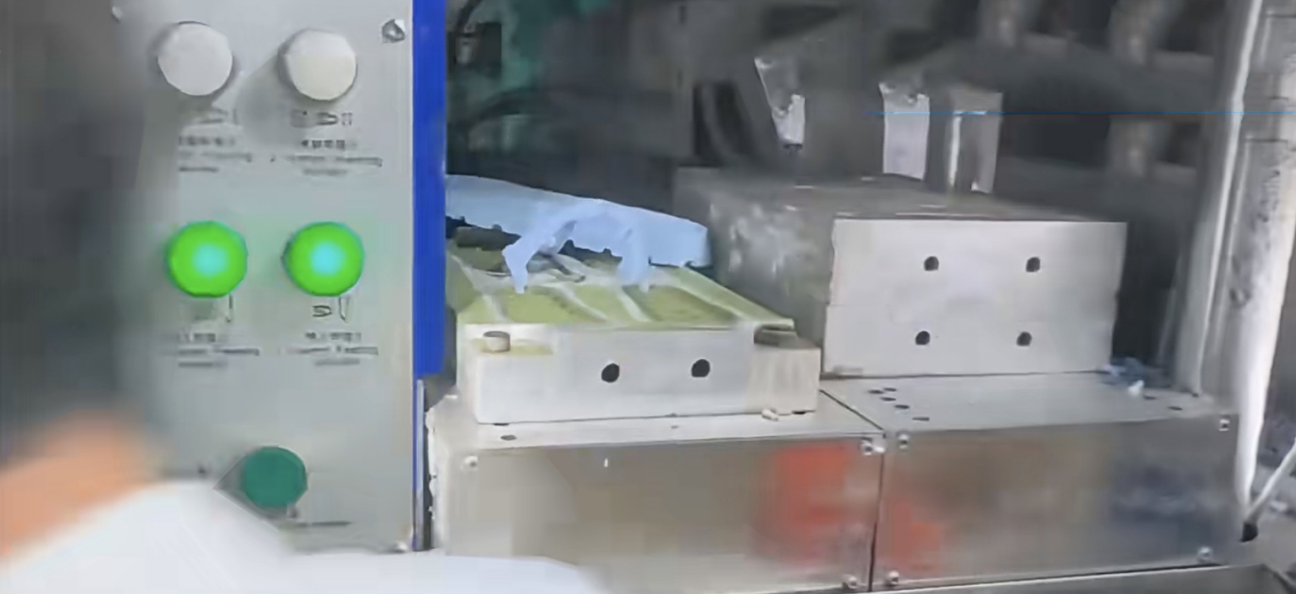
2. Primary Injection EVA Process
Primary injection EVA is a direct molding process suitable for large-scale production of relatively simple sole structures.
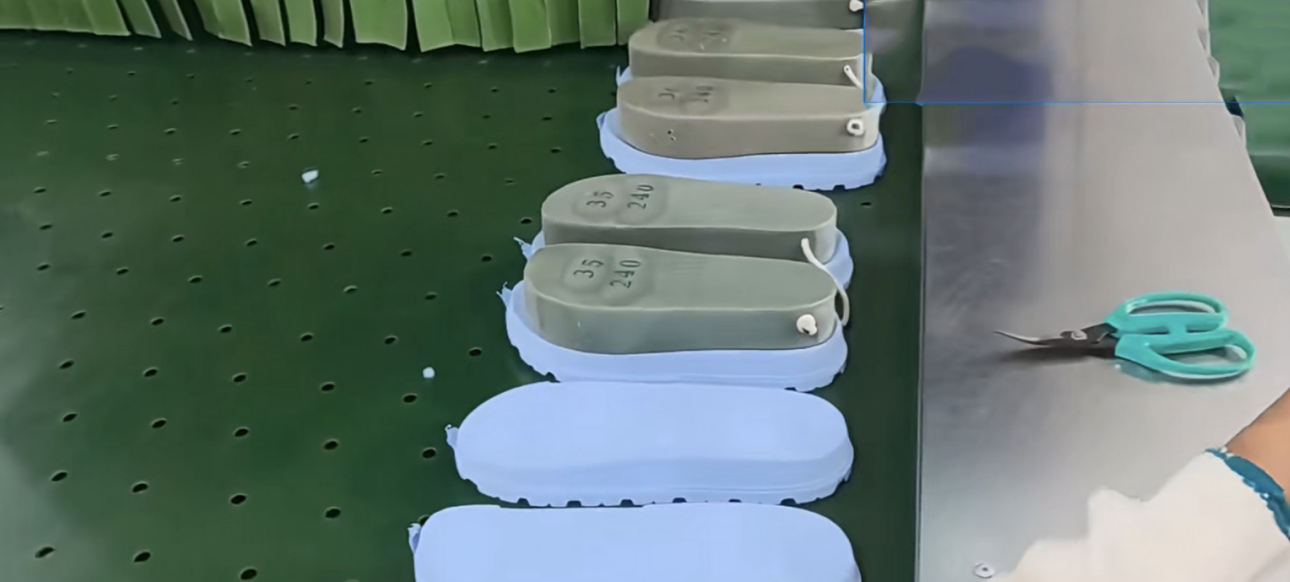
Process Overview:
Mixing and Feeding: EVA pellets meeting color and hardness requirements are mixed evenly and fed into the injection machine’s hopper via a suction pipe.
Plasticizing and Injection: The material is heated and plasticized by a screw, then injected into the mold cavity.
Vulcanization and Shaping: After vulcanization at 180°C for about 400 seconds, the sole expands rapidly upon mold opening.
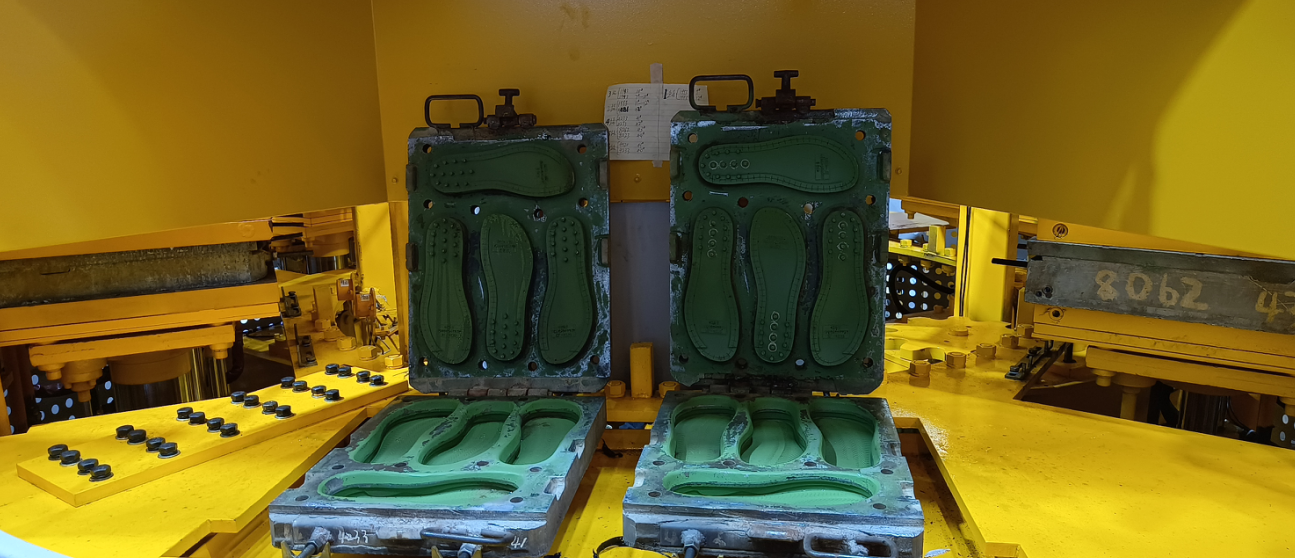
Post-Processing: The sole is removed, placed in a shaping last for cooling, cleaned, and packaged. The mold is cleaned and sprayed with a release agent for reuse.
Features:
Simple process, high production efficiency
Suitable for large-scale production of single-material soles
One-piece molding with uniform structure
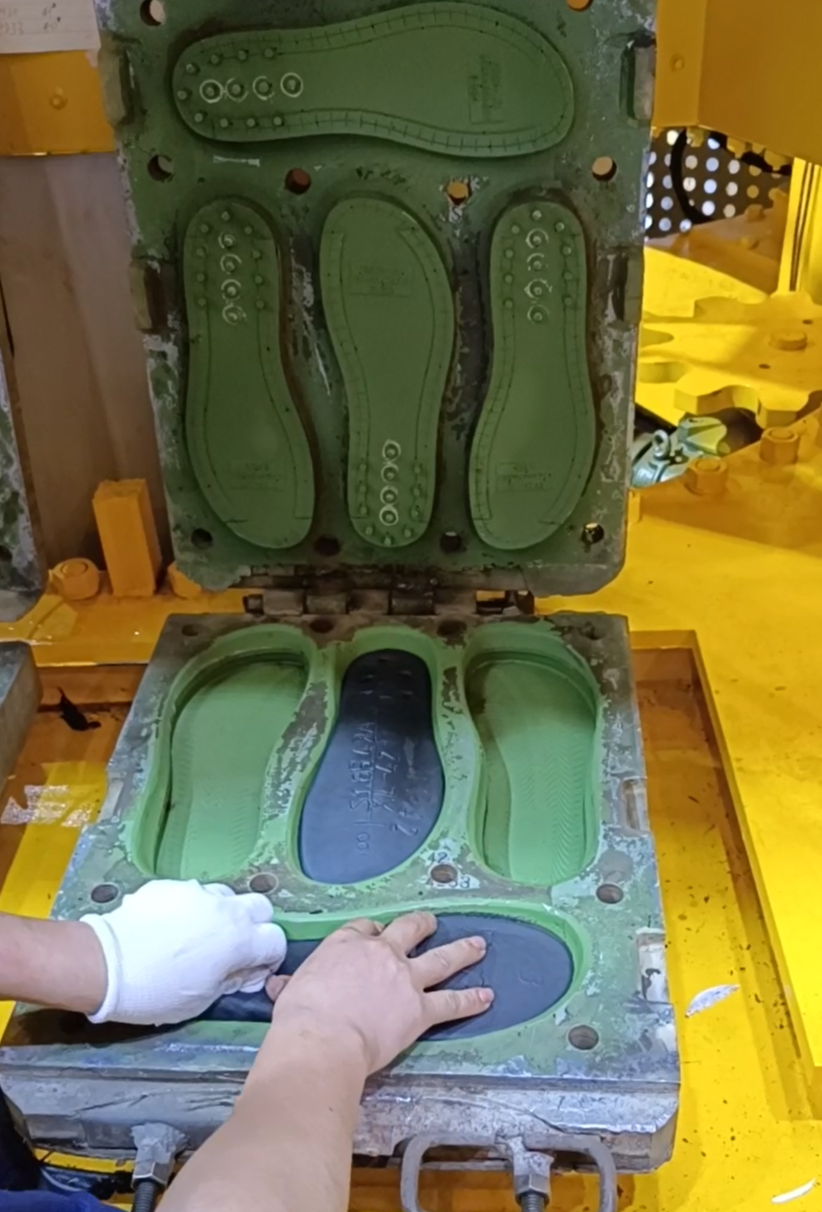
3. Secondary EVA (Hot and Cold Molding) Process
The secondary EVA process involves two steps: initial rough blank formation followed by pressing. It is suitable for complex or multi-material soles, such as safety shoes and athletic footwear.
Process Overview:
Weighing and Pre-foaming: EVA pellets are weighed by size and placed into a small foaming mold to form a rough blank under high temperature and pressure.
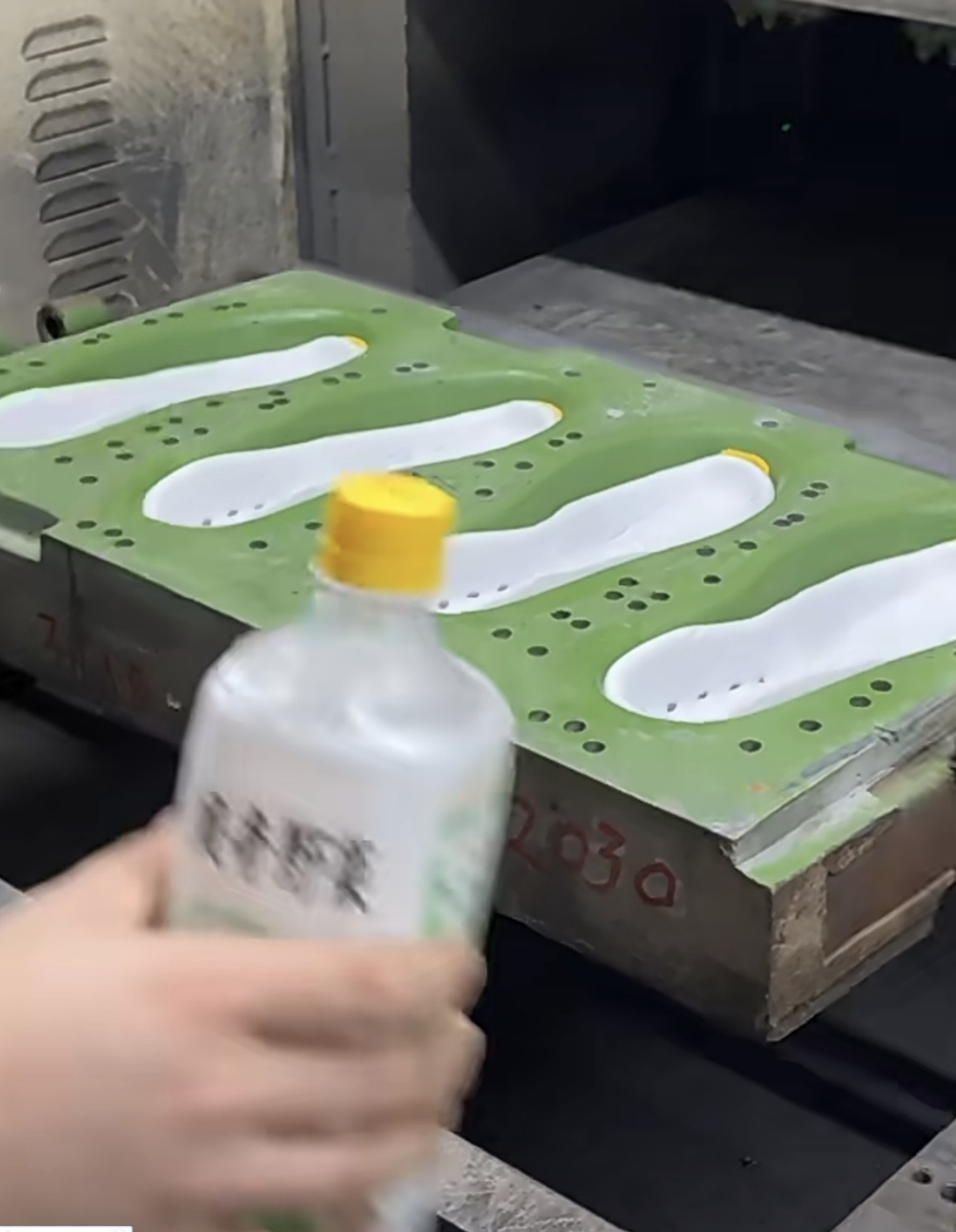
Secondary Molding: The rough blank is placed into the final mold and pressed into the finished sole.
Composite Process Options:
Co-moulding: A rubber or TPR sheet is placed in the mold before adding the EVA blank, pressing them together into a composite sole.
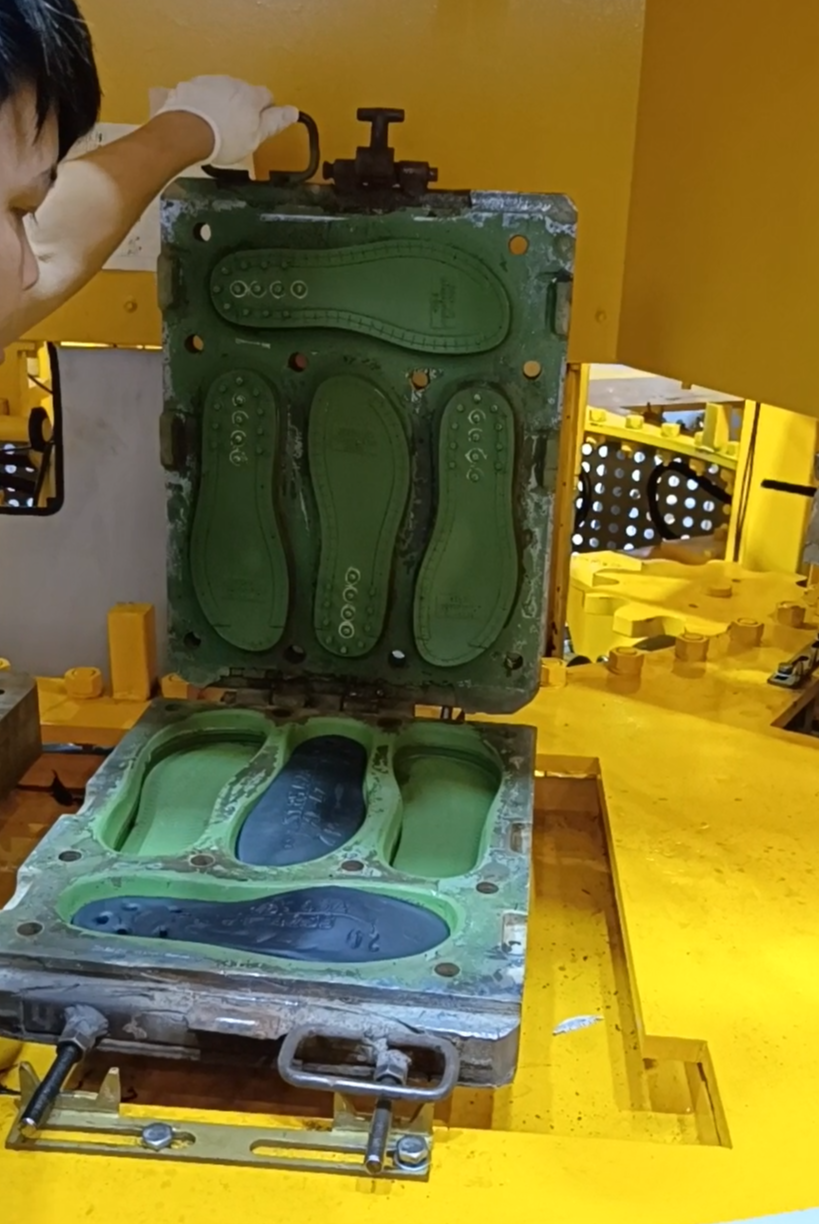
Pasting: The EVA sole is later attached to a rubber/TPR sheet using adhesive. This method is slightly more expensive but offers better toe spring control.
Features:
Enables multi-material composition for enhanced functionality
Greater flexibility in controlling sole details (e.g., toe spring)
More complex process and higher cost, suitable for high-end or special footwear
4. Comparison of the Two Processes
| Aspect | Primary Injection EVA | Secondary EVA |
|---|---|---|
Production Cycle | Short, suitable for large batches | Longer, suitable for custom small batches |
Cost | Lower | Higher |
Material Combination | Limited, usually single material | Strong, supports EVA with rubber/TPR, etc. |
Sole Structure Control | Average, suitable for simple designs | Excellent, suitable for complex structures and toe spring requirements |
Typical Applications | Casual shoes, slippers, simple sports shoes | Safety shoes, professional sports shoes, functional footwear |
5. Conclusion
The primary injection EVA process is known for its efficiency and economy, making it ideal for mass production of simple sole structures. The secondary EVA process offers greater flexibility and composite capabilities, meeting higher demands for structure, material, and functionality in premium footwear. Companies should consider product positioning, cost, and functional requirements when selecting a process to achieve the optimal production solution.


