
Views: 50 Author: Site Editor Publish Time: 2026-06-03 Origin: Site


Understanding the current return of rubber outsoles requires a clear grasp of three mainstream footwear manufacturing processes: cold bonded, injection molded, and vulcanized. These processes determine cost, comfort, appearance, and durability.
1. Cold Bonded Footwear
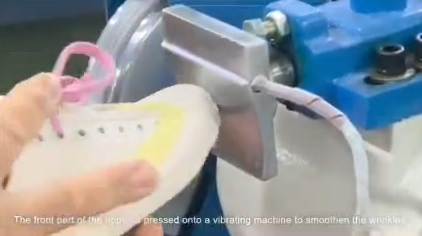
As the name suggests, cold bonded shoes are made by manually applying glue, drying, and cooling separately produced soles and uppers through a multi-step assembly line process.
Characteristics: Complex process, low production volume, higher cost, but the shoes are high-end and comfortable.
Market position: Almost all brand-name shoes on the market use this process.
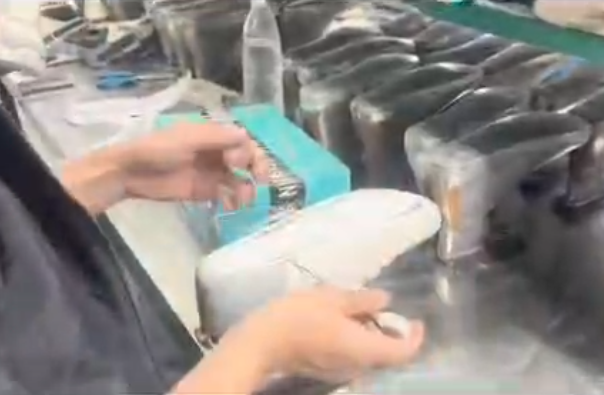
Outsole variety: Because soles are produced separately, a wide range of materials can be used, including rubber, MD, EVA, air cushioning, and popcorn soles, each with its own characteristics.
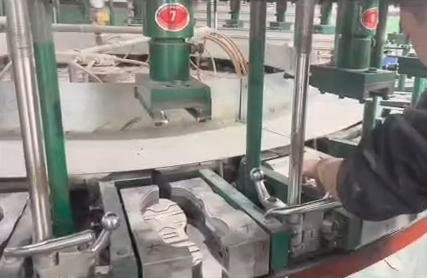
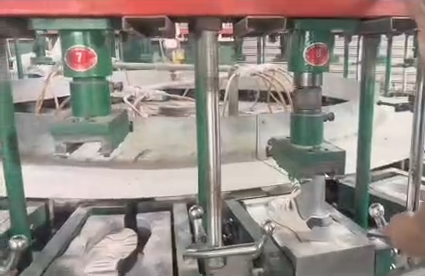
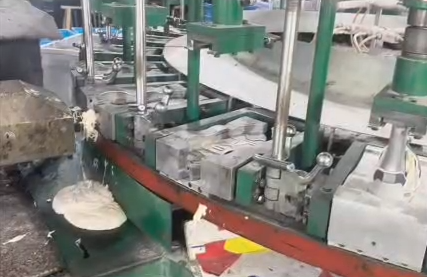
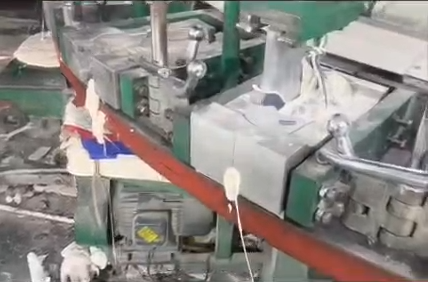
Upper finishing: To enhance product quality, uppers are often decorated with various materials and finishing techniques.
2. Injection Molded Footwear
Injection molded shoes do not have separate soles. Pre-made uppers are placed into a sole mold, then the sole material is injected, followed by cooling to form a single piece.
Characteristics: Simpler process, resulting in heavier shoes that are less comfortable. However, advantages include high production volume and low price.
Appearance limitations: To control costs, uppers are often simply pieced together from raw materials, giving them a lower-end appearance.
3. Vulcanized Footwear
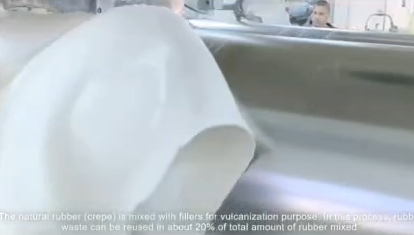
Vulcanization is a process that uses heat and vulcanizing agents to treat rubber materials, making them more elastic, abrasion-resistant, oxidation-resistant, and aging-resistant.
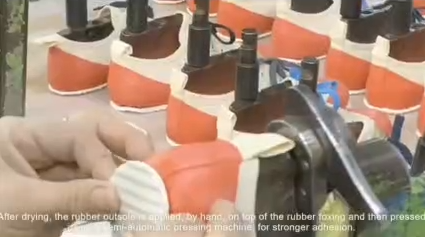
Process details: All vulcanized shoes use rubber as the sole material. The process involves manually applying adhesive, then attaching a rubber strip around the outside of the sole and upper, before placing the assembly in a vulcanizing tank for further curing. This results in a tighter bond between all parts.
Design consistency: Vulcanized shoe designs remain largely unchanged, with classic constructions still widely used.
4. Molded Footwear (Supplementary Note)
Molded shoes represent a broader category that includes various sole materials such as RB, EVA, TPR, and PVC. Vulcanized shoes can be considered a specific type within the molded footwear family.
Comparison Summary
Process Sole-to-Upper Relationship Cost Comfort Production Volume Typical Price Position
Cold Bonded Produced separately, then bonded High High Low Mid to high-end
Injection Molded One-piece molded Low Lower High Mass / low-price
Vulcanized Rubber sole + rubber strip, vulcanized Medium Medium Medium Casual/ classic
Connection to the Return of Rubber Outsoles
In the current industry environment, the boundaries between these three processes are becoming increasingly blurred. Many brands are adopting hybrid constructions:
Cold bonding is preferred to maintain comfort and upper quality.
High-quality rubber or rubber-EVA composite outsoles are used to improve durability and slip resistance.
Some brands are even upgrading vulcanized construction with modern rubber compounds, combining retro aesthetics with performance.
Therefore, understanding these manufacturing differences helps explain why rubber outsoles are re-emerging as a core selling point in mid to high-end footwear. This is not simply a material substitution, but the result of evolving consumer demand for durability, sustainability goals, and process innovation working together.
Frequently Asked Questions (FAQ)
Q1: Which process is best for premium footwear brands?
A: Cold bonding is generally the best choice for premium brands because it allows for high-quality materials, superior comfort, and greater design flexibility. It also enables the use of rubber outsoles that enhance durability and slip resistance.
Q2: Can injection molded shoes be made with rubber outsoles?
A: Yes, but injection molded rubber soles are typically less detailed and offer lower comfort compared to cold bonded rubber outsoles. The process limits design complexity and material combinations.
Q3: Are vulcanized shoes durable?
A: Yes. Vulcanized shoes are known for excellent durability because the vulcanization process strengthens the rubber, making it highly abrasion-resistant, oxidation-resistant, and long-lasting. However, they offer less cushioning compared to cold bonded shoes with EVA midsoles.
Q4: Which process is most sustainable?
A: Cold bonding allows the use of recycled or bio-based rubber compounds and enables hybrid designs that extend product lifespan. Vulcanization requires significant energy for heating, while injection molding produces minimal waste but often uses lower-grade materials. Overall, cold bonding with sustainable rubber compounds is increasingly seen as the most aligned with circular economy goals.
Q5: Why are rubber outsoles becoming popular again if they are heavier?
A: Modern hybrid constructions combine a rubber outsole with an EVA midsole, balancing weight, comfort, and durability. Consumers now prioritize longer product lifespan and better grip over ultra-lightweight construction, especially in the premium and luxury segments.
Q6: How can I identify which process was used for a pair of shoes?
A:
Cold bonded: Visible glue lines along the sole-edge joint; complex tread patterns; often a visible midsole layer.
Injection molded: No visible glue lines; one-piece appearance; simpler outsole detail.
Vulcanized: A rubber strip (foxing band) wrapped around the entire sole-to-upper junction; classic sneaker look (e.g., Converse, Vans).
Q7: Which process offers the best slip resistance?
A: Cold bonded shoes with high-quality rubber outsoles typically provide the best slip resistance, as the rubber compound can be engineered for optimal friction. Vulcanized rubber also offers good grip, while injection molded soles (often made of TPR or PVC) are generally less slip-resistant.
Q8: Is cold bonding more expensive than injection molding?
A: Yes, significantly. Cold bonding requires manual labor, multiple production steps, and higher-quality materials. Injection molding is highly automated and produces shoes faster, which is why it dominates the low-cost footwear market.


