
Views: 34 Author: Site Editor Publish Time: 2026-06-03 Origin: Site


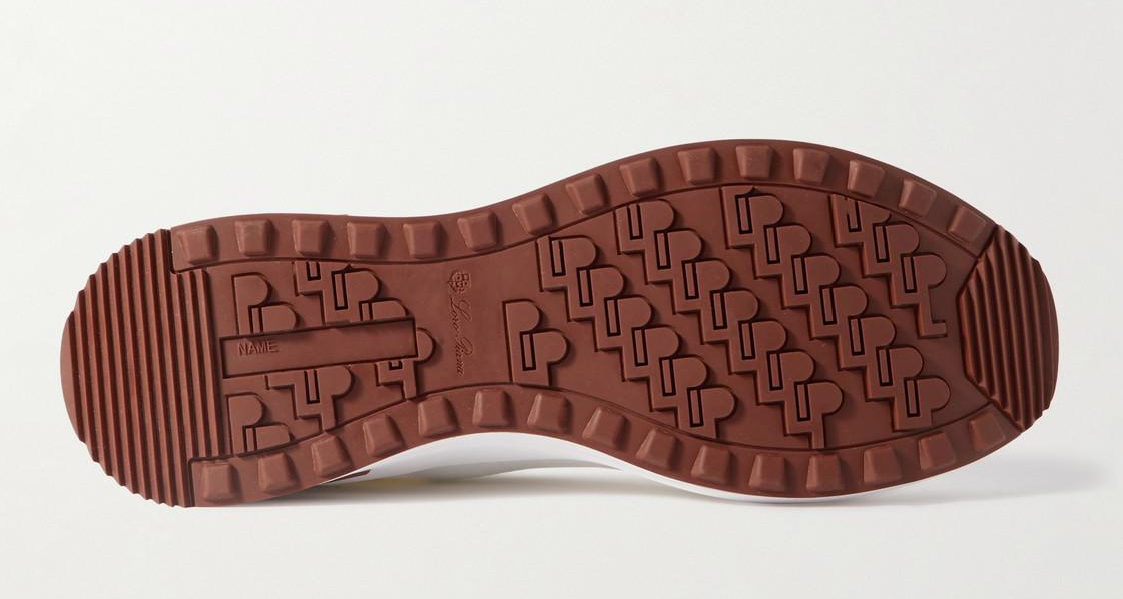
Over the last decade, lightweight materials such as EVA and foam compounds have dominated footwear development. However, a new trend is becoming increasingly visible across luxury, premium casual, and lifestyle footwear categories: the return of rubber outsoles.
From European fashion brands to Latin American leather footwear companies, more product developers are choosing rubber as their preferred outsole material. This shift is driven by durability, consumer expectations, sustainability goals, and long-term product value.
Consumers Are Keeping Shoes Longer
According to research published by the Footwear Distributors and Retailers of America (FDRA), consumers have become increasingly focused on durability and value since 2023. Footwear replacement cycles have extended as shoppers seek products that offer longer service life rather than simply following seasonal trends.
A survey conducted by Statista found that over 60% of consumers consider durability one of the top three factors when purchasing footwear.
For premium brands, this creates a challenge. Customers spending USD 100–300 on a pair of shoes expect products to remain functional and visually appealing for years.
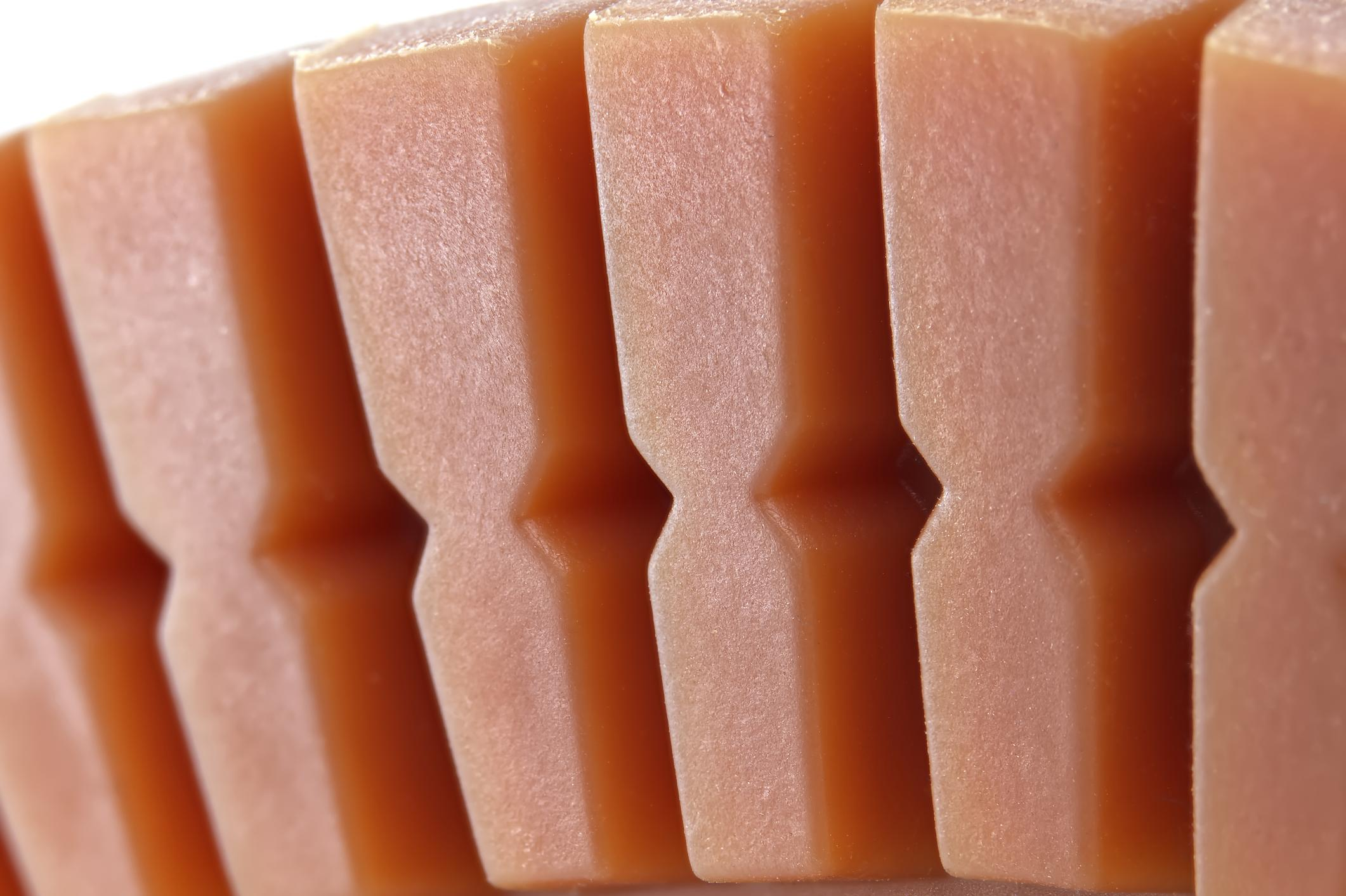
Rubber outsoles help meet this expectation.In DIN abrasion testing, high-quality rubber compounds typically achieve wear-loss values between 80–150 mm³, while many lightweight EVA compounds often exceed 250–400 mm³ depending on density and formulation. This difference can significantly affect outsole lifespan under daily wear conditions.
The Global Rubber Footwear Market Continues to Grow
Market analysts project strong growth for rubber footwear components over the next several years.
According to Grand View Research, the global footwear market exceeded USD 400 billion in value and continues to expand, driven by demand for premium and performance products.
Meanwhile, multiple industry reports estimate that rubber outsole demand is growing at a compound annual growth rate (CAGR) of approximately 4–6%, particularly within:
Lifestyle sneakers
Premium casual footwear
Outdoor-inspired fashion shoes
Women's comfort shoes
Golf and leisure footwear
This trend is especially noticeable in Europe and Latin America, where consumers often prioritize durability over ultra-lightweight construction.
Better Slip Resistance Matters More Than Ever
Safety is becoming a bigger concern for brands. According to occupational safety studies, slips, trips, and falls account for a significant percentage of non-fatal workplace injuries worldwide.
Although fashion footwear is not primarily designed as safety footwear, consumers increasingly expect reliable traction in everyday situations such as:
Shopping malls
Airports
Wet sidewalks
Public transportation stations
Office environments
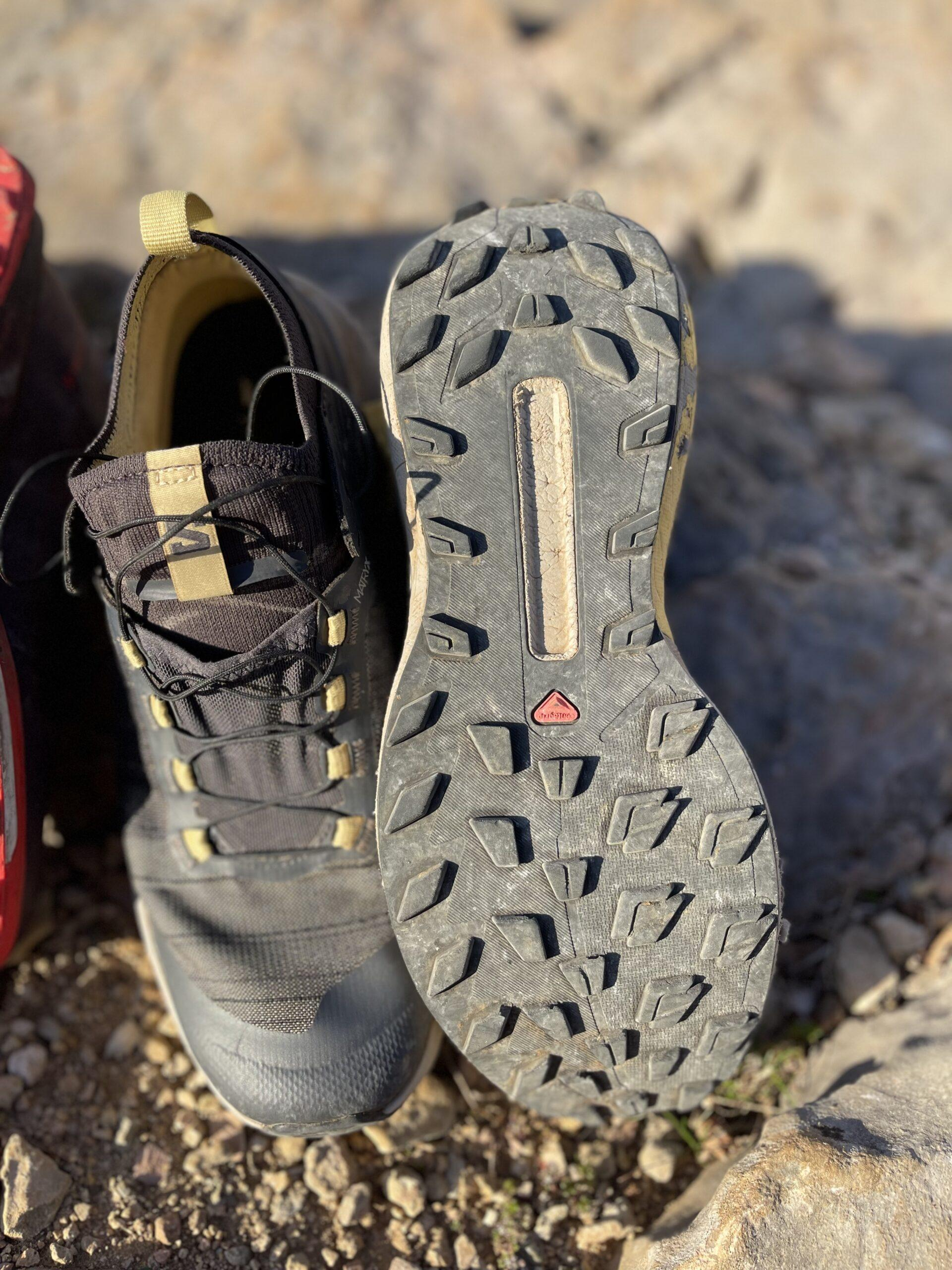
Testing conducted under SATRA and ASTM standards consistently shows that properly engineered rubber compounds deliver higher coefficients of friction compared with many foam-based alternatives. For footwear brands, better grip means fewer consumer complaints and stronger product reputation.
Luxury Brands Are Focusing on Premium Details
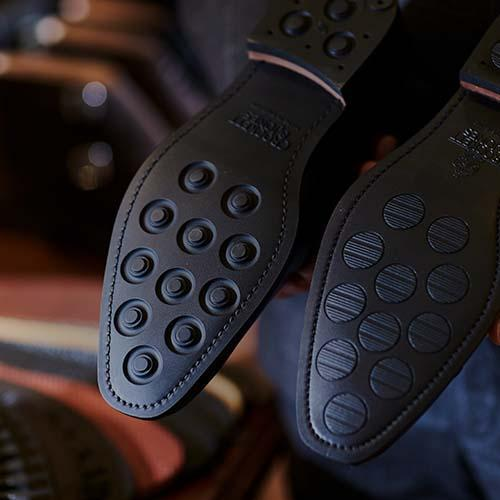
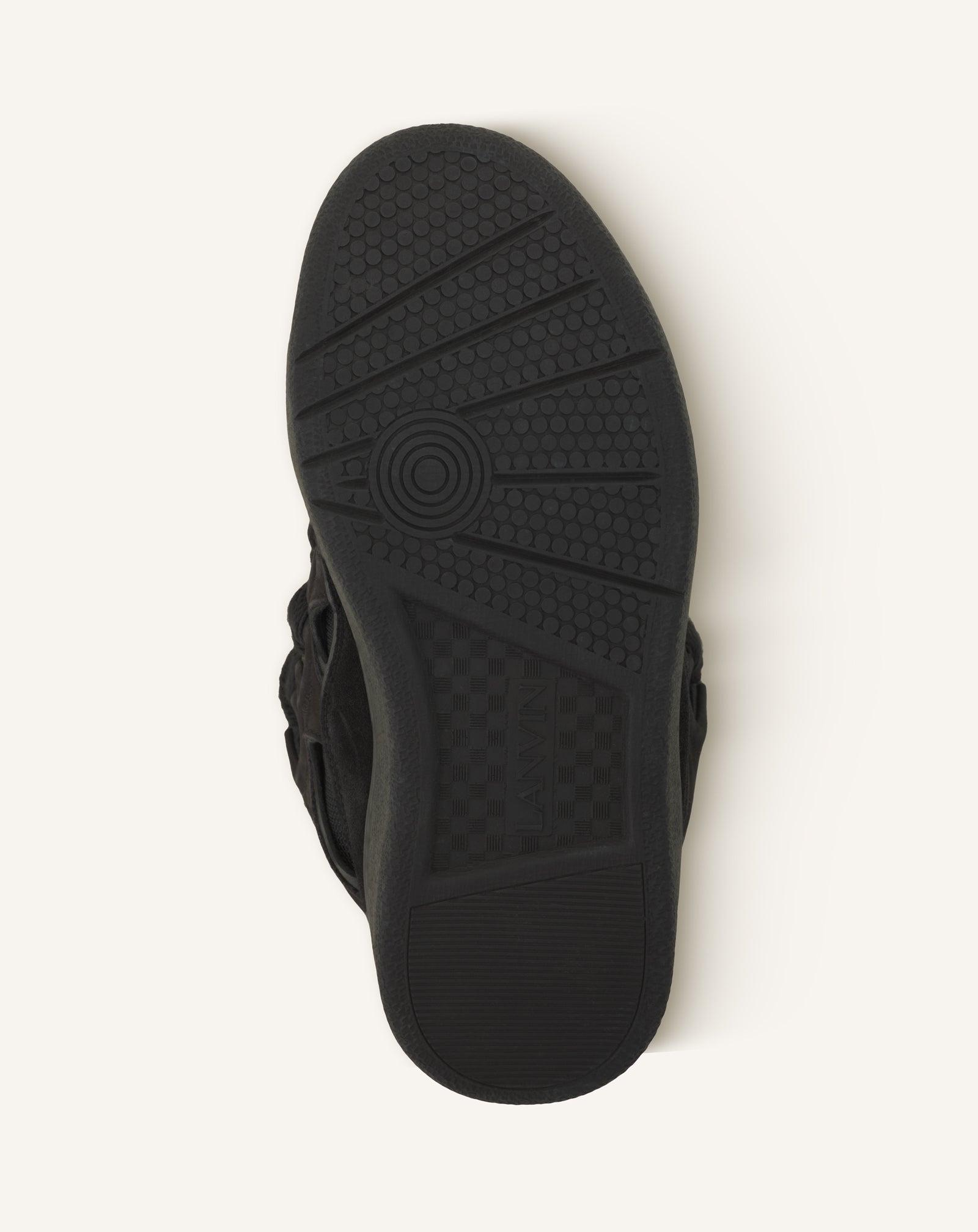
Another reason for the return of rubber is aesthetics. Modern rubber molding technology allows manufacturers to create:
Deep and clean tread designs
Sharp embossed logos
Fine sidewall textures
Luxury-inspired geometric patterns
Multi-density constructions
Consumers often associate these details with higher quality products. In recent collections from premium European and South American footwear brands, outsole design has become an important storytelling element rather than simply a functional component. Many footwear developers now spend as much time refining outsole patterns as they do designing uppers.
Sustainability Is Reshaping Rubber Development
Sustainability is no longer optional. According to a 2024 McKinsey consumer survey, approximately 66% of global consumers reported considering sustainability when making purchasing decisions.
To meet these expectations, outsole manufacturers are investing in:
Recycled rubber compounds
Bio-based additives
Reduced-VOC production systems
Energy-efficient molding processes
Several leading suppliers now offer compounds containing 10–30% recycled rubber content without significantly compromising durability or performance. This allows brands to improve sustainability metrics while maintaining product quality.
Hybrid Construction Is Becoming the Industry Standard
One of the biggest developments in recent years is the rise of hybrid outsole construction. Instead of choosing between comfort and durability, brands are combining:
EVA midsoles for cushioning
Rubber outsoles for traction and wear resistance
Industry estimates suggest that more than 70% of newly launched premium lifestyle sneakers now incorporate some form of rubber contact outsole. This approach delivers:
Better comfort
Longer product lifespan
Improved grip
Enhanced visual appeal
Stronger consumer satisfaction
What This Means for Footwear Brands
As competition increases, outsole design is becoming a critical area of product differentiation. Brands are actively seeking suppliers that can provide:
Innovative tread designs
Luxury-inspired sidewall patterns
Reliable abrasion performance
Sustainable material options
Faster development timelines
The outsole is no longer just the bottom of the shoe. It is becoming a key component of brand identity, customer experience, and long-term product value.
For footwear manufacturers and sourcing teams, understanding this shift may be one of the most important product development opportunities in 2026.
Frequently Asked Questions
Q1: Why are luxury brands choosing rubber outsoles again?
Because rubber offers superior durability, better grip, premium aesthetics, and longer product lifespan compared with many lightweight alternatives.
Q2: Does rubber make shoes heavier?
Modern rubber compounds can be engineered to reduce weight, and many brands combine rubber outsoles with EVA midsoles to achieve an optimal balance between comfort and durability.
Q3: What outsole trends will dominate in 2026?
Minimalist luxury tread patterns, Italian-inspired sidewall designs, sustainable rubber compounds, and hybrid EVA-rubber constructions are expected to remain the strongest trends.


