
Views: 63 Author: Site Editor Publish Time: 2026-03-26 Origin: Site


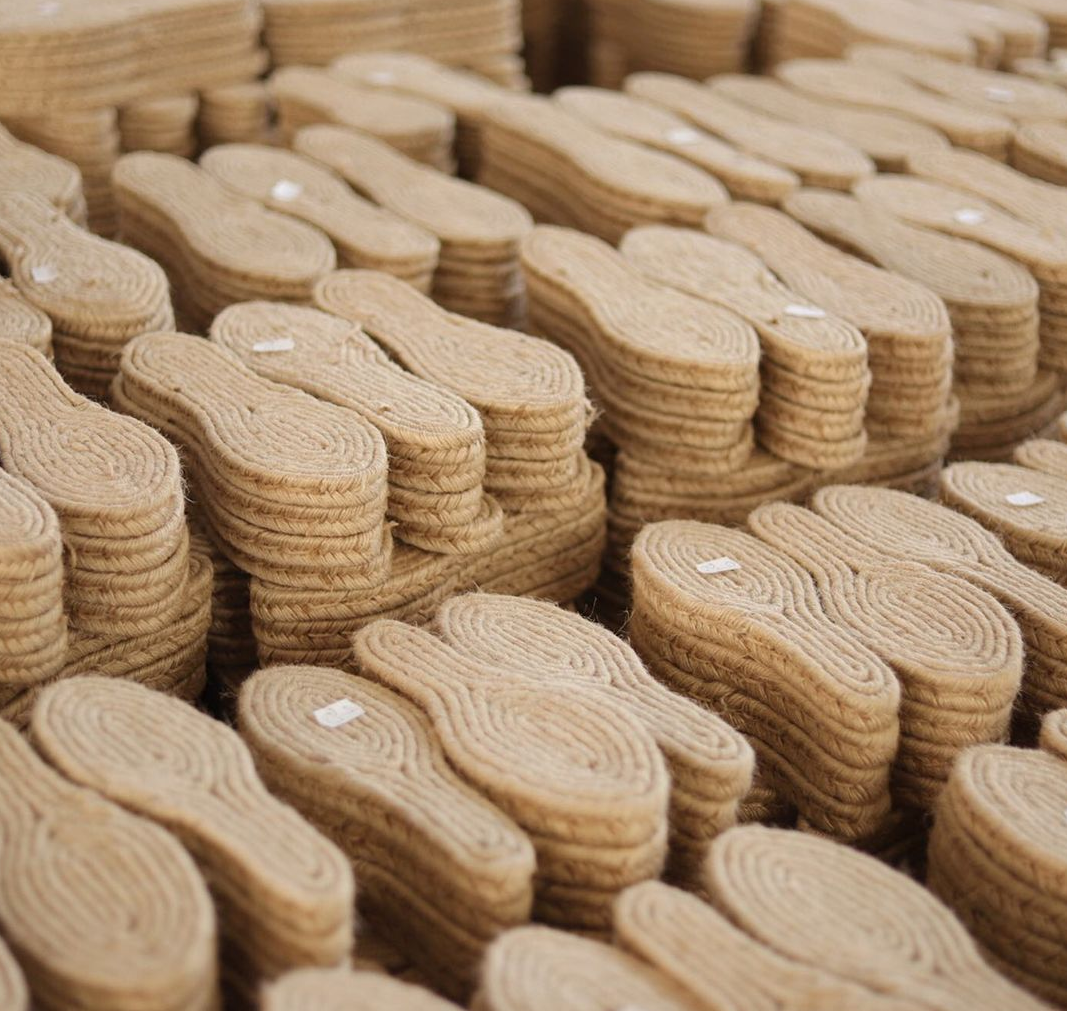
The core charm of hemp rope soles lies in the combination of their natural materials and traditional craftsmanship. The raw materials are primarily natural hemp fibers such as flax, jute, flaxseed, and hibiscus. These fibers are derived from natural plants, requiring no complex chemical processing, and possess inherent breathability, sweat absorption, and abrasion resistance. They are also biodegradable, aligning with current environmental protection principles.
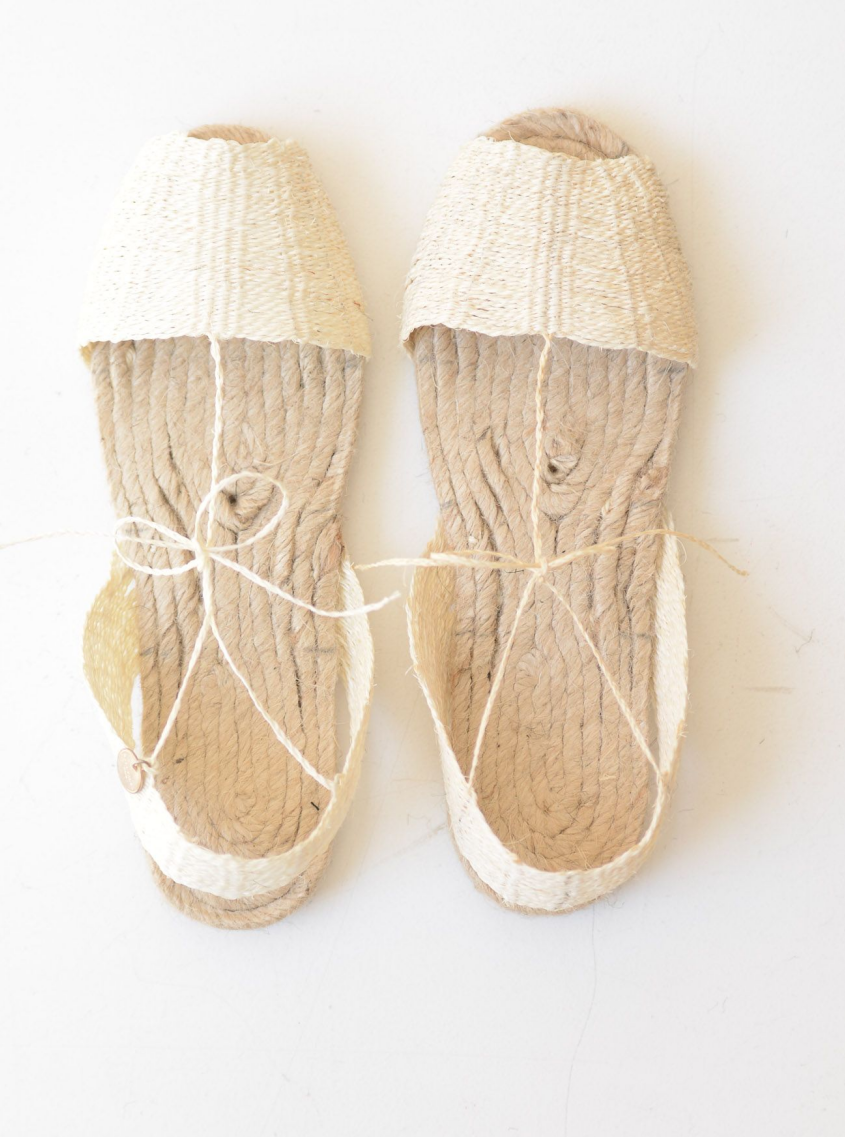
Compared to rubber or plastic soles, hemp rope soles offer superior breathability, quickly wicking away moisture from the feet and preventing stuffiness and odor. They are soft yet resilient, conforming to the foot's curves during walking and alleviating fatigue from prolonged walking. Simultaneously, the natural abrasion resistance of hemp fibers gives hemp rope soles a long lifespan, and they possess a warm, handcrafted texture, combining practicality and aesthetic value. Furthermore, hemp rope soles "connect" with the ground, providing a slight anti-slip effect while walking, making them suitable for various everyday situations—a perfect fusion of tradition and practicality.
With increasing demand, traditional handcrafting could no longer meet the needs of large-scale production, leading to the emergence of industrialized manufacturing. While retaining the core advantages of hemp rope soles, this process achieves efficient and standardized production, commonly seen in mass-produced casual shoes, sandals, and slippers. It mainly involves two processes:
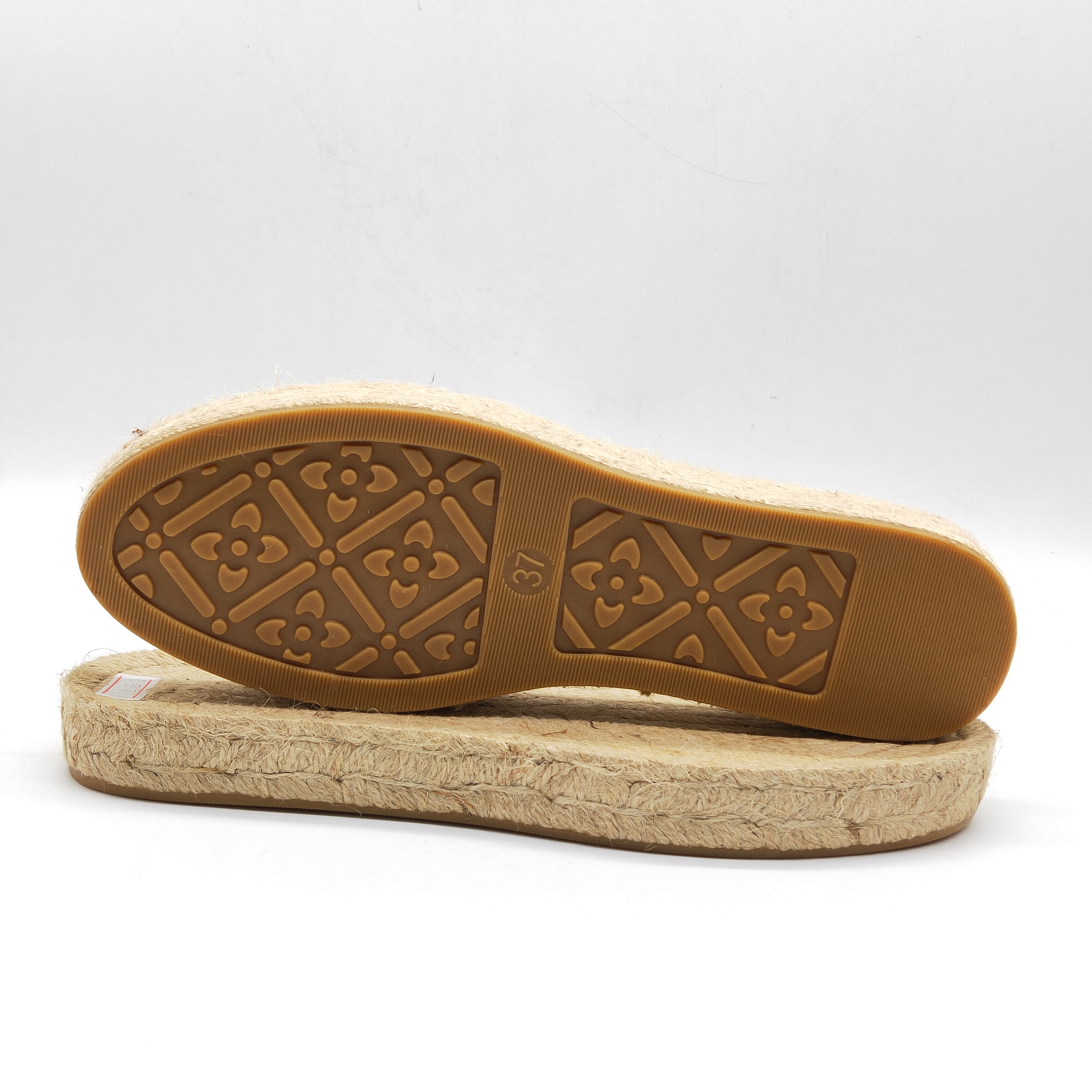
Mold Integrated Molding process: This process is primarily used for producing hemp rope-edged soles or integral hemp rope soles. The core principle is to integrate the hemp rope with the sole's adhesive layer, improving connection stability. First, a specialized mold is opened, and the hemp rope is placed in the mold groove, ensuring a tight fit between the outer wall of the rope and the inner wall of the groove. The protrusions and fixing posts on the inner wall of the mold secure the rope, preventing displacement. Then, the prepared adhesive (often made from styrene-butadiene rubber, natural rubber, etc.) is poured into the mold groove until it is flush with the top.
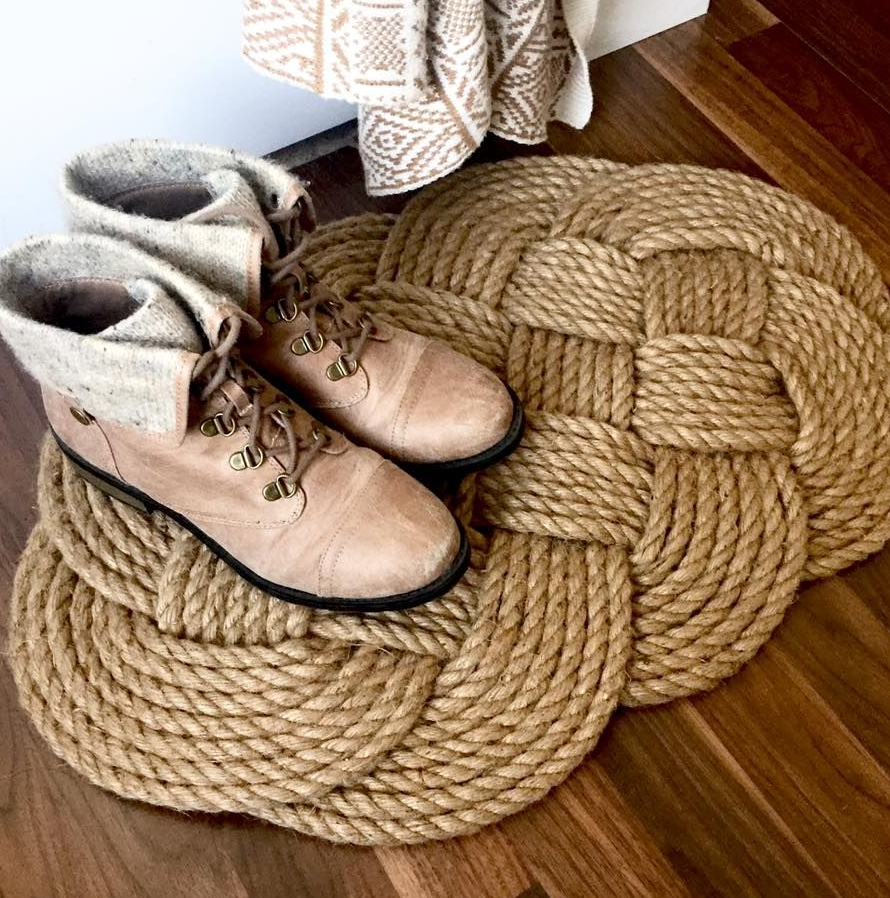
Finally, the mold is closed, and after pressing and curing, the hemp rope-edged or integrally molded sole is obtained. This process eliminates the traditional gluing step, resulting in a tighter bond between the hemp rope and the adhesive layer, making it less prone to detachment. It also boasts high production efficiency and allows for adjustments to the sole thickness and shape to meet specific needs. Furthermore, it enables the addition of anti-slip patterns and height-increasing grooves to enhance practicality.
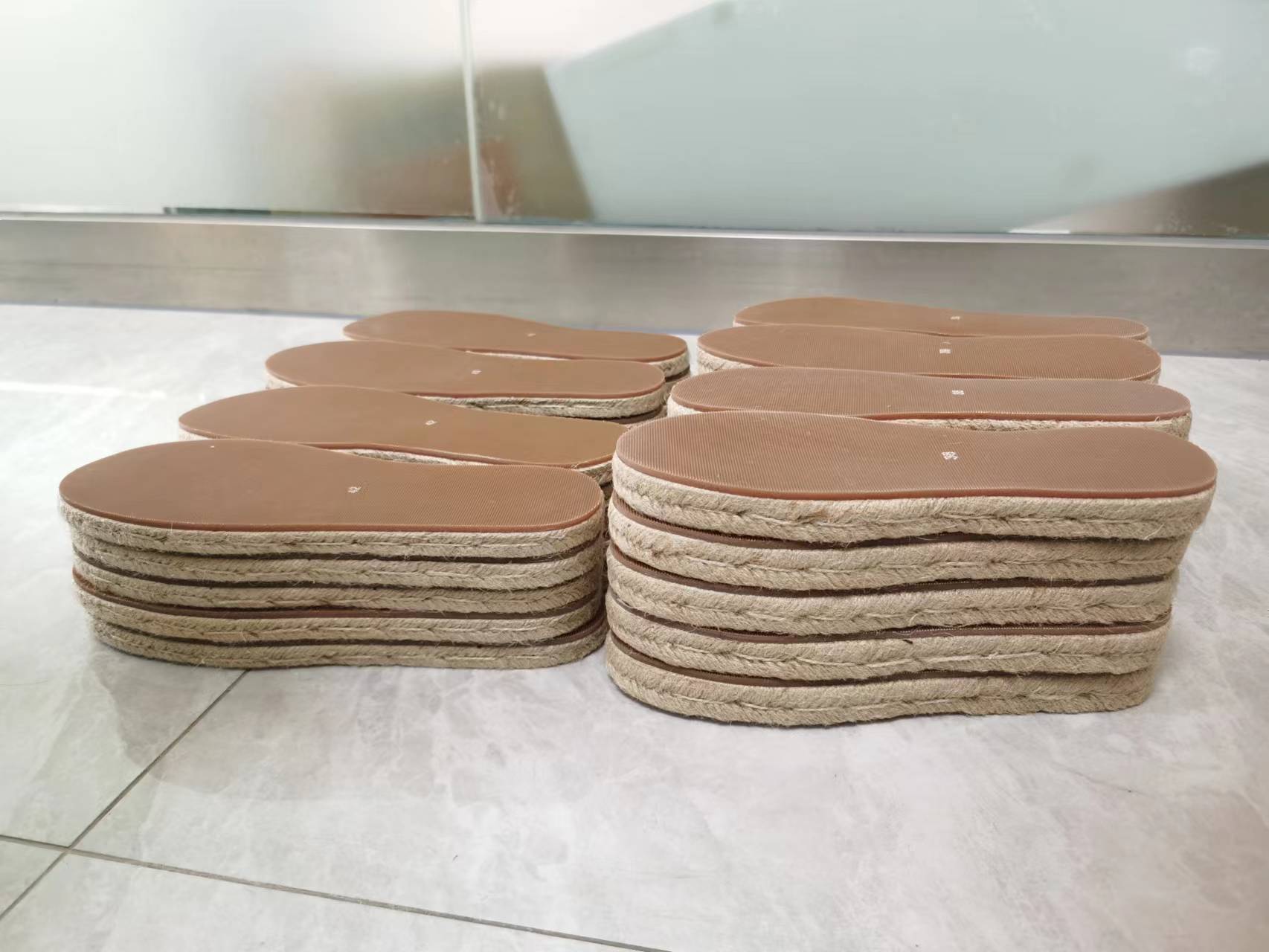
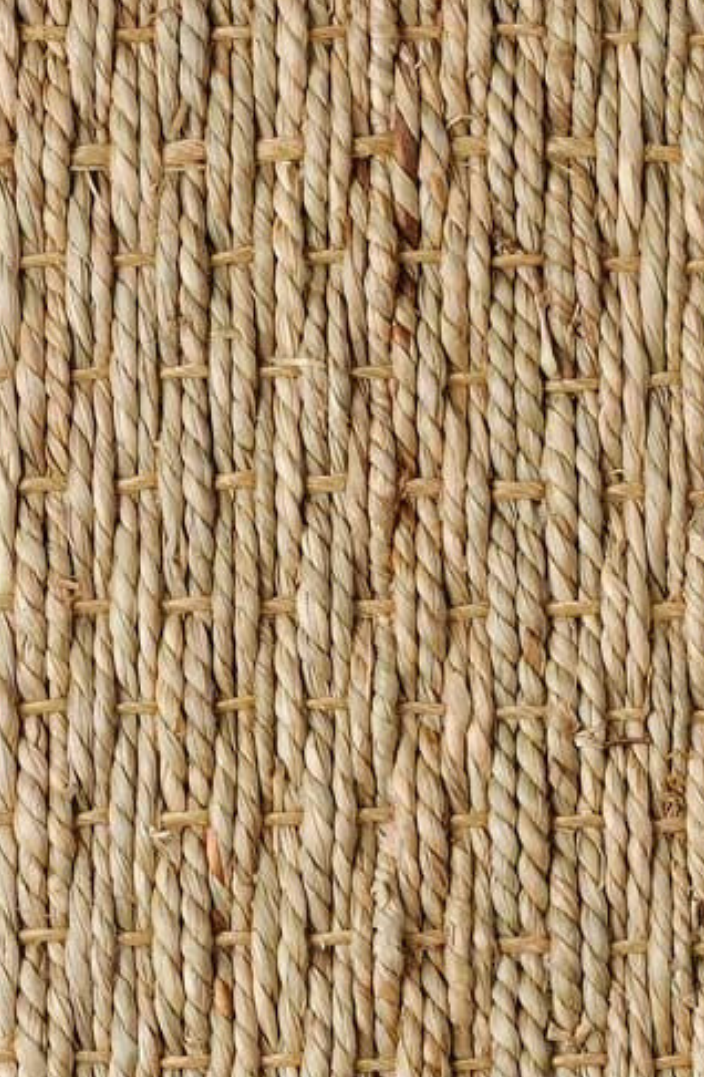
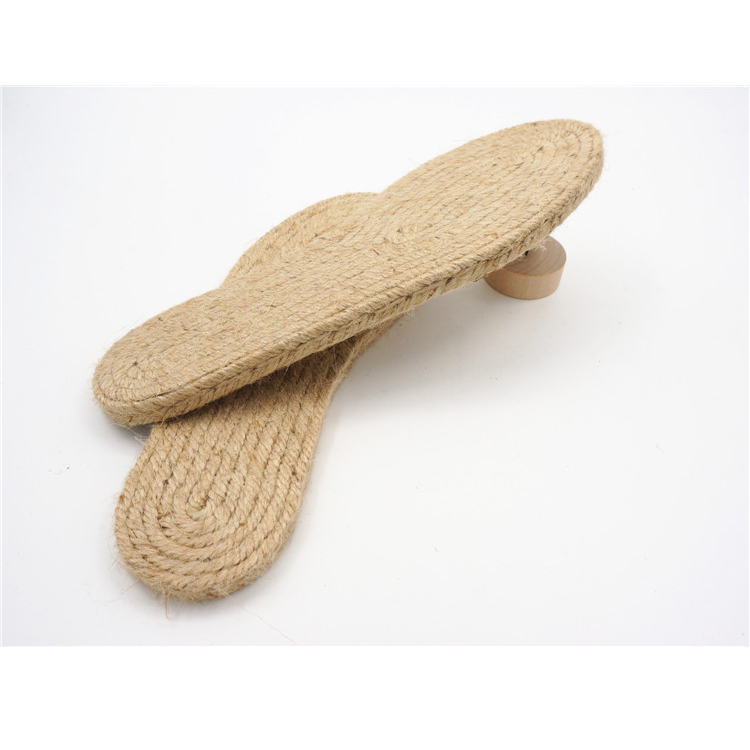
The woven and spliced process: involves first processing hemp fibers into standardized hemp ropes, then weaving them into sheet-like hemp rope fabric using machines. This fabric is then cut to the appropriate size for the sole and spliced with materials such as rubber midsoles and EVA soles through gluing or sewing to create a composite hemp rope sole. This process allows for flexible adjustment of the hemp rope weaving density; higher density results in greater abrasion resistance. It also allows for the combination of different midsole materials, balancing breathability and anti-slip performance. Commonly found in summer sandals and espadrilles, this process retains the natural texture of hemp rope while improving the durability and comfort of the sole. In addition, there are hemp rope insoles made by braiding hemp rope into a twisted shape, then coiling it according to the size of the midsole, and finally gluing it to the midsole. These are primarily designed for moisture absorption and breathability, suitable for sandals and other footwear.
Hemp Rope Sole Selection Guide:
For everyday home/light casual wear: Prioritize soft, breathable linen or woven hemp rope soles with a moderate thickness (3-5mm). These provide a comfortable feel and are suitable for indoor walking and short trips. Pair them with slippers or canvas shoes for both comfort and a retro look.
Outdoors/Frequent Walking: Choose hemp/fiber material with a molded, one-piece hemp rope sole, 5-8mm thick. It's highly wear-resistant, not easily deformed, and the sole can be fitted with anti-slip treads to improve walking safety. Suitable for outdoor walks, short hikes, and daily commutes, it can withstand strong wear.
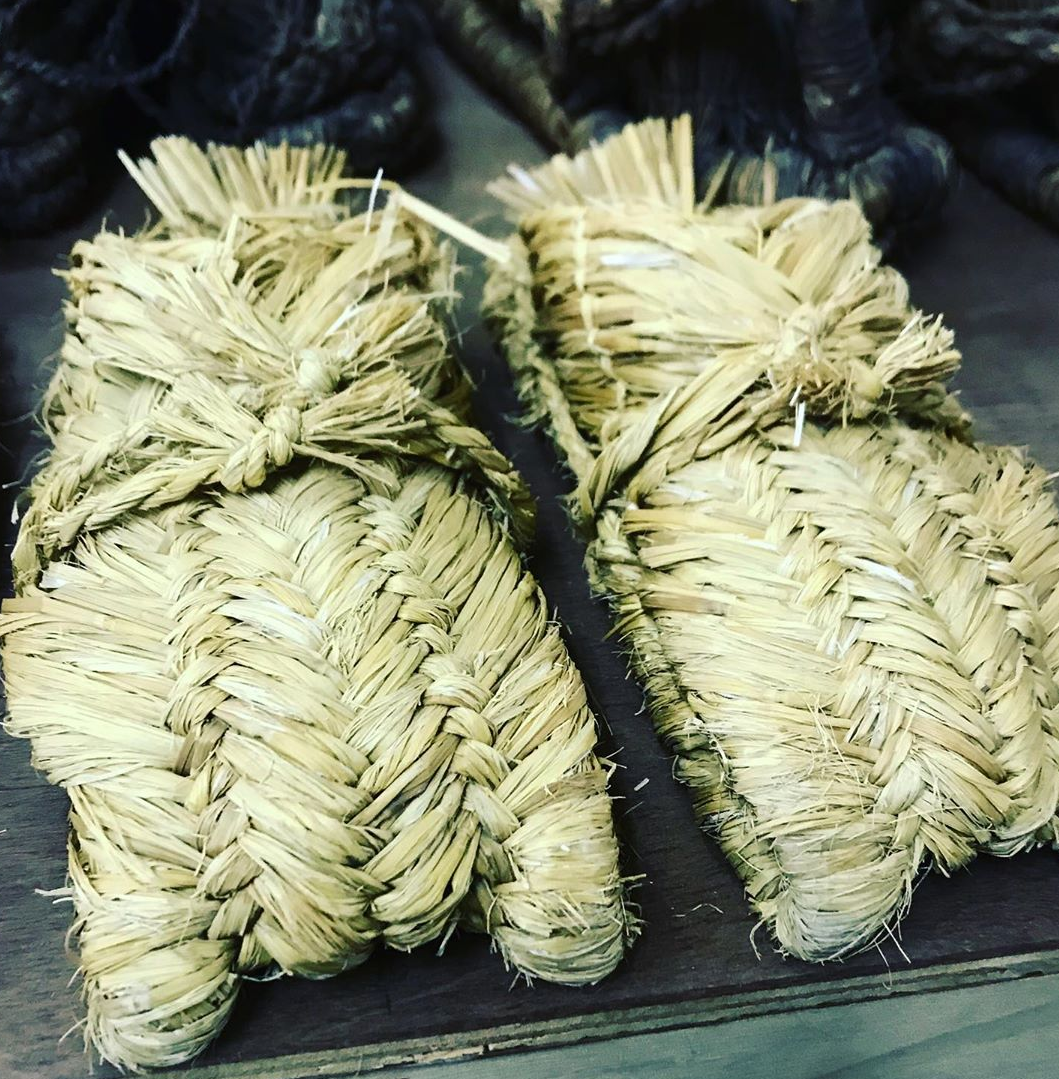
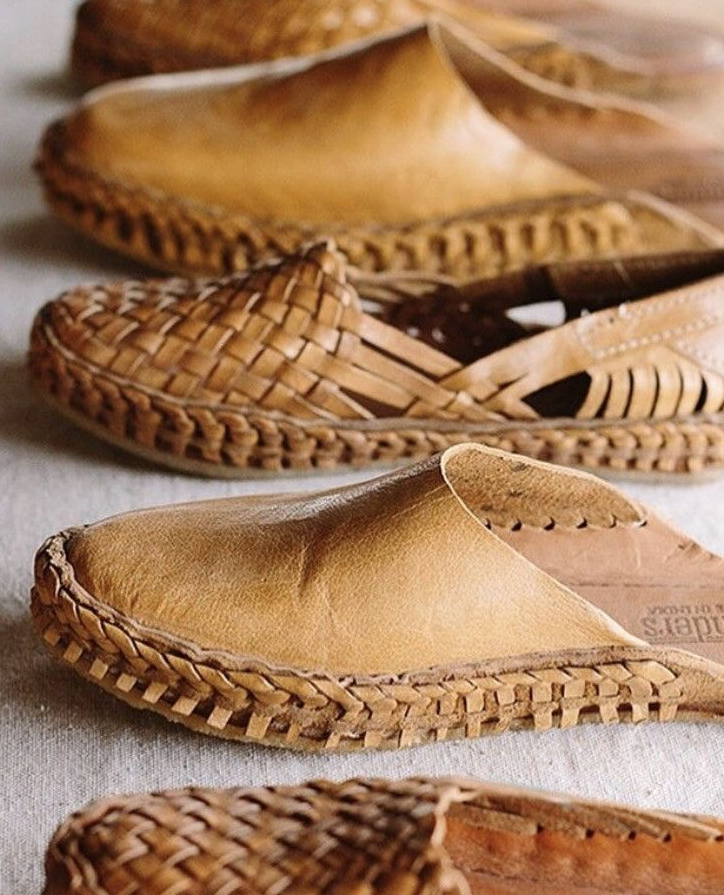
Retro Style/Special Needs: Choose hand-stitched linen rope soles or densely woven hemp rope soles. They have an outstanding appearance and fit retro styles perfectly, suitable for pairing with Hanfu, retro cloth shoes, fisherman's shoes, etc., highlighting personal aesthetics. For moisture absorption and odor prevention, choose hemp rope insoles with a twisted weave, suitable for sandals and casual shoes.
Hemp Rope Sole Care Tips:
While hemp rope soles are durable, regular maintenance can extend their lifespan. Avoid soaking in water for extended periods. After getting wet, dry the rope promptly and avoid direct sunlight, as this can cause it to become brittle and crack. For daily cleaning, gently wipe away surface dust with a soft-bristled brush. Avoid scrubbing vigorously with a hard-bristled brush to prevent damage to the hemp fibers. Store the rope in a well-ventilated and dry place, avoiding dampness and mold. If slight delamination occurs at the bottom of the rope, use an environmentally friendly adhesive to repair it promptly to prevent further damage.
FAQ: Hemp Rope Soles (Jute Soles)
1. What is a hemp rope sole?
A hemp rope sole, also known as a jute sole, is a type of footwear sole made primarily from natural bast fibers such as flax, jute, and hemp. It combines traditional craftsmanship with modern manufacturing to create a sole that is valued for its natural texture, breathability, and environmental friendliness.
2. What are the main benefits of hemp rope soles?
Hemp rope soles offer several key advantages:
Breathability: They are highly effective at wicking away moisture, which helps prevent feet from becoming stuffy and reduces odor.
Comfort: The sole is soft yet resilient, conforming to the curves of the foot to alleviate fatigue during prolonged walking.
Eco-Friendliness: Made from natural, biodegradable plants, these soles require minimal chemical processing.
Durability: Natural hemp fibers provide excellent abrasion resistance, giving the sole a long lifespan.
Aesthetics: They offer a warm, handcrafted texture that combines practical function with visual appeal.
3. How do hemp rope soles compare to rubber or plastic soles?
Unlike rubber or plastic, hemp rope soles are significantly more breathable, allowing for superior air circulation. While rubber often provides more aggressive traction, hemp rope soles offer a unique "connection" with the ground, providing a slight, natural anti-slip effect that is ideal for everyday wear.
4. How are hemp rope soles manufactured industrially?
To meet large-scale demand while maintaining quality, industrial manufacturing typically uses one of two processes:
Mold Integrated Molding: This process uses a specialized mold. Hemp rope is placed into grooves within the mold, and an adhesive (often made from styrene-butadiene or natural rubber) is poured in. The mold is then closed and cured. This creates a very strong bond that prevents the rope from detaching, allowing for precise sole thickness, shape, and the addition of anti-slip patterns.
Woven and Spliced Process: In this method, hemp fibers are first woven into a sheet-like fabric using machines. This fabric is then cut to size and spliced (glued or sewn) with other materials like rubber or EVA (ethylene-vinyl acetate) to create a composite sole. This method is common in summer sandals and espadrilles, allowing for flexible adjustments in density and the combination of different midsole materials for better performance.
5. What is the difference between mold integrated molding and the woven and spliced process?
The mold integrated molding process results in a sole where the hemp rope is embedded directly into an adhesive layer, creating a highly durable bond that is resistant to detachment. It is ideal for producing sturdy, one-piece soles. The woven and spliced process involves creating a separate hemp rope fabric that is then attached to a midsole (like rubber or EVA). This method retains more of the natural woven texture and allows for greater flexibility in design and material combination.
6. Are there hemp rope insoles?
Yes, there are also hemp rope insoles. These are typically made by braiding hemp rope into a twisted shape, coiling it to fit the size of the midsole, and then gluing it in place. These insoles are designed primarily for moisture absorption and breathability, and are commonly used in sandals.
7. Do hemp rope soles have good grip?
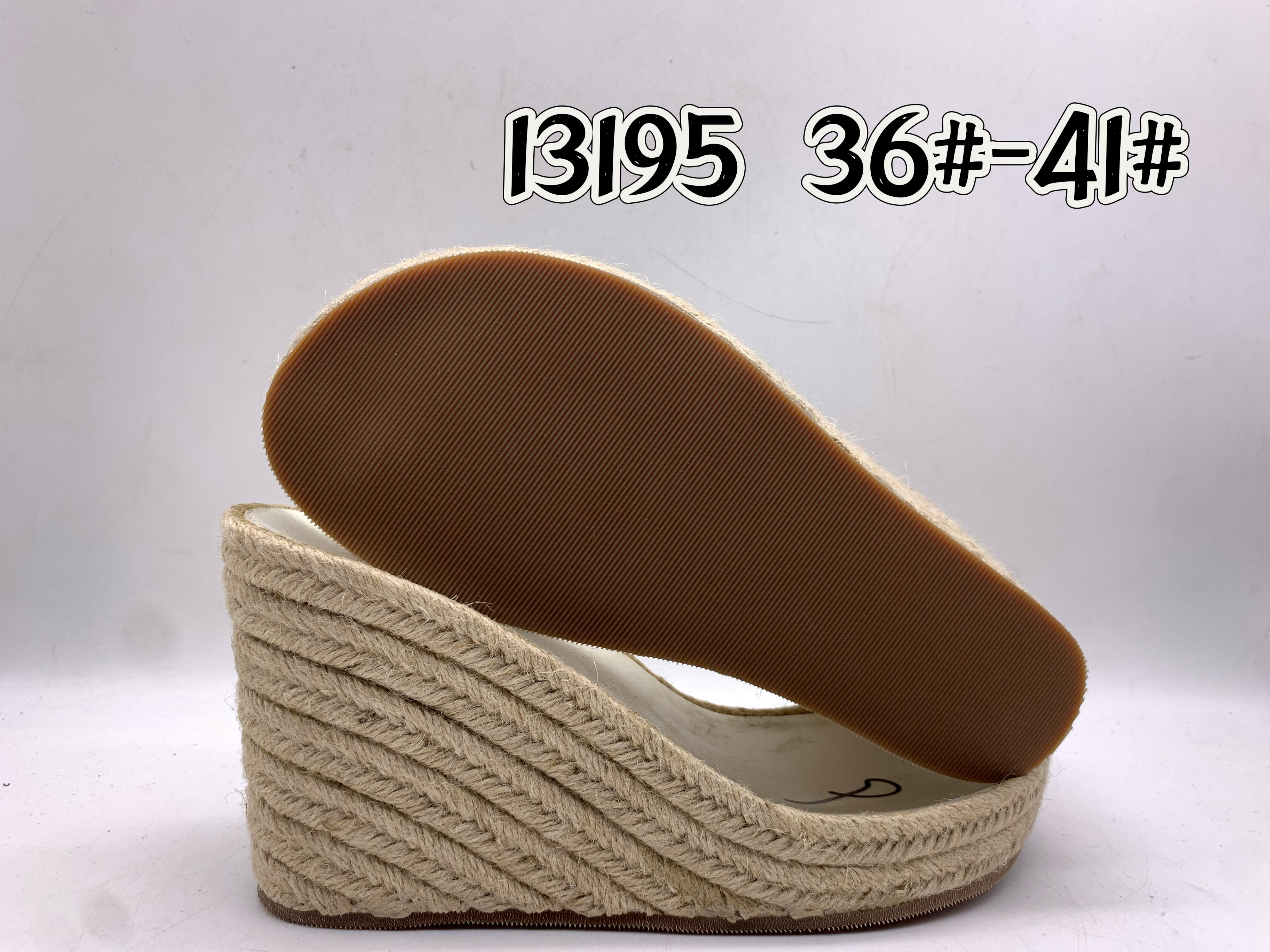
Hemp rope soles provide a slight anti-slip effect suitable for everyday situations on dry surfaces. In the mold integrated molding process, manufacturers can also add dedicated anti-slip patterns and height-increasing grooves to the sole to enhance traction and practicality.
8. Are hemp rope soles durable?
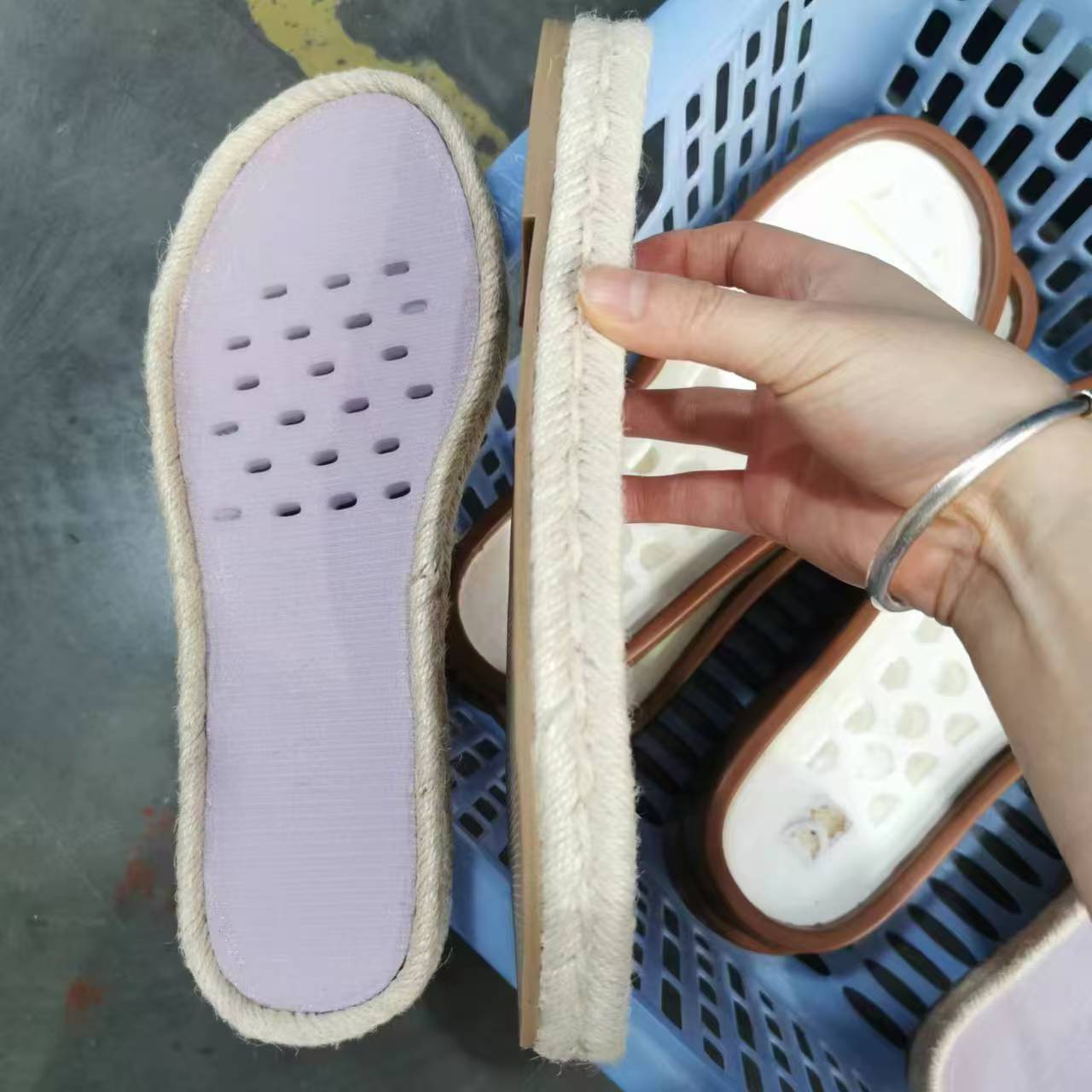
Yes. The natural abrasion resistance of hemp fibers makes them quite durable. Additionally, modern manufacturing techniques, particularly the mold integrated molding process, ensure that the bond between the rope and the sole is extremely tight, making it less prone to detachment and extending the lifespan of the footwear.
9. What types of shoes typically use hemp rope soles?
Due to their breathability and comfort, hemp rope soles are commonly found in:Casual shoes、Sandals、Espadrilles、Slippers、Summer footwear
Industrially produced hemp rope soles are standardized, affordable, and produced in large quantities, meeting the daily wear needs of the general public. Furthermore, technological optimization has overcome the inefficiencies of handmade production, allowing hemp rope soles to become more accessible.


