
Views: 6 Author: Site Editor Publish Time: 2026-11-12 Origin: Site


New TPU formulations are giving footwear developers more options when they need a particular balance of appearance, wear resistance and ground contact performance. Thermoplastic polyurethane, usually called TPU, is an established material family. The current development lies in more specialized grades and the processes used to turn them into useful footwear components.
BASF announced its Elastollan GripTec portfolio on March 26, 2026 for applications including running, hiking, lifestyle footwear and kidswear. The launch described three grades with different priorities in abrasion performance, rubber-like feel and transparency. These are supplier-reported characteristics, rather than proof that every finished shoe using the material will perform the same way. [1]
For a footwear brand, the practical question is whether a particular grade improves the intended construction at an acceptable cost. The answer needs a comparison against the current outsole, not simply approval of a new material name.
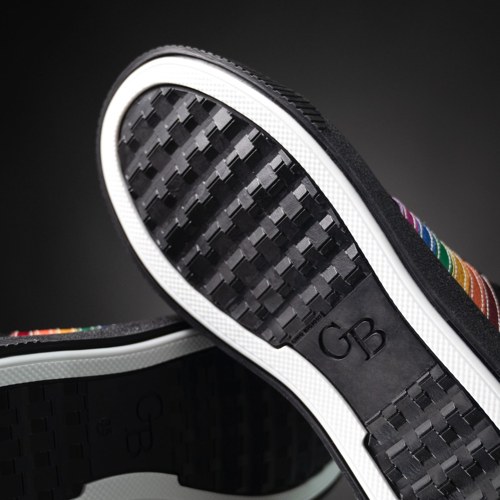
A transparent outsole can be valuable where the design calls for visible layers or color effects. A formulation aimed at abrasion resistance may suit a different brief from one selected for surface feel. Treat these priorities separately and ask the supplier which properties change when moving between grades.
The same approach applies to traction. Grip depends on the compound, the tread, the surface and the conditions. Request the underlying test method, sample geometry and conditioning information before using a performance result in product communication. A dry-floor result cannot establish performance on a wet trail or on ice.
An outsole material also needs to work with the rest of the shoe. Review the bond to the midsole or upper, flex behavior at the forefoot, part weight and the effect of colorants or decorative finishes. A promising material result may change when the complete construction changes.
Keep the prototype comparison controlled. Use the same size and a documented reference design so that any benefit can be attributed to the material or geometry actually being evaluated.
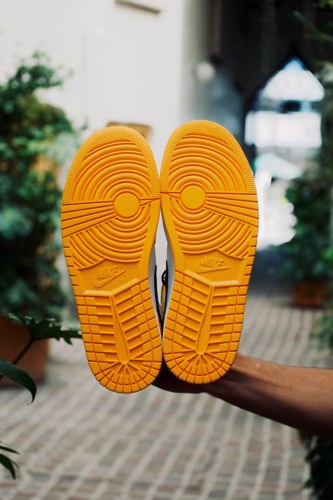
TPU can be processed as a thermoplastic, which creates a different production route from conventional vulcanized rubber. That does not make a rubber-to-TPU change a direct substitution in every mold or production line. Flow behavior, shrinkage, cooling and demolding all need consideration for the specific grade and part.
Obtain the current technical data sheet and processing guidance. Confirm the material preparation requirements, including any drying conditions, and agree on a trial plan with the molding supplier. The correct settings depend on the formulation and equipment; generic temperature figures are not a substitute for that guidance.
Inspect trial parts for incomplete filling, dimensional variation, surface defects and poorly defined tread edges. Then confirm fit to adjacent components and validate the assembly process. Small changes in the bonding area can be as commercially important as the visible outsole design.
The scale-up decision should include cycle time, yield and the cost of finishing or bonding. A lower resin price or a shorter advertised process is insufficient evidence of a lower cost per approved pair.
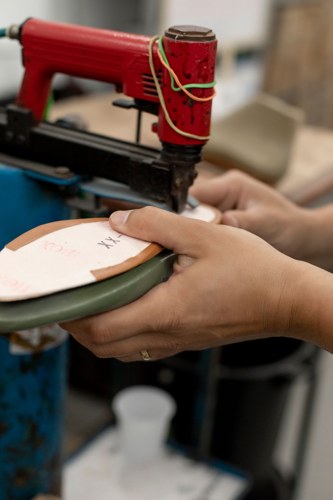
Thermoplastic processing can create opportunities to recover material, but a finished shoe contains more than one resin. Adhesives, textiles, foams and contamination can complicate collection and separation. The word recyclable should therefore be tied to a defined component and a practical recovery route.
At SIMAC 2026, BASF described footwear concepts developed with DESMA that combined PU and TPU, different recycling technologies and debonding on demand. The concepts illustrate a development direction; they do not establish that every commercial shoe can already enter a working closed loop. [2]
Ask whether the proposed route covers clean production scrap, used footwear or both. Confirm who collects the material, how it is separated and which properties are retained after reprocessing. Any carbon comparison also needs a stated boundary and comparable assumptions before it can support a product claim.
For your next outsole project, share the target use, reference material and manufacturing constraints with Huadong. Those details help establish whether a new TPU grade is worth sampling and what evidence is needed before an application decision.
No. TPU is an established material family. New formulations and processing routes can expand the applications available to developers.
Not in every project. Check material flow, dimensions, molding equipment, part geometry and bonding requirements before approving a switch.
No. Validate the specific outsole and complete shoe on the intended surfaces and under relevant conditions.
No. A practical route also depends on collection, separation, contamination and the properties of the recovered material.
1 BASF GripTec launch 26 March 2026
2 BASF SIMAC material concepts 10 September 2026
Low profile sneakers are a useful direction for brands developing casual footwear in late 2026. Their slim proportions and sport-inspired details can give a collection a different visual character from heavily cushioned running styles. The product challenge is to preserve that appearance while delivering the comfort and durability expected from everyday footwear.
In its October 29 third-quarter release, adidas said its Low Profile offering continued to grow strongly and highlighted new materials and dressier versions of Japan and Tokyo. It also reported strong interest in seasonal variations of Samba and Handball Spezial. This is evidence from one brand, rather than a market-wide growth figure. [1]
The broader market remains selective. Circana reported that U.S. footwear dollar sales were flat in Q3 2026 while several fashion categories still grew. Our interpretation is that a distinctive silhouette can attract attention, but it needs a clear everyday reason to buy. [2]
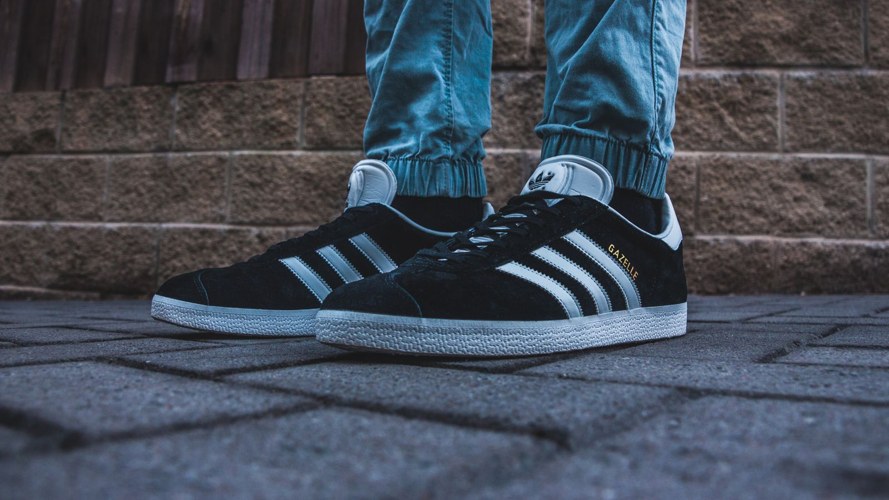
A shoe can look slim because of the outsole edge, upper proportions and the transition around the toe. Visible sidewall height does not reveal the entire construction under the foot. Designers should review a sole cross-section before deciding how much cushioning or support a low profile product can accommodate.
Begin with the shoe last and the available internal volume. Adding a thicker footbed late in development can change the fit at the instep and reduce toe room. Removing thickness late can change the feel and the way the foot sits in the upper. These are fit decisions as well as styling decisions.
The heel-to-forefoot relationship also needs deliberate definition. A low-looking shoe is not automatically a zero-drop design, and a flat-looking bottom does not establish any particular comfort or health benefit.
Approve the appearance from several angles, then assess the same sample on foot. Side photographs are useful for proportion, but they cannot show whether the shoe holds the heel securely or bends in a suitable place.
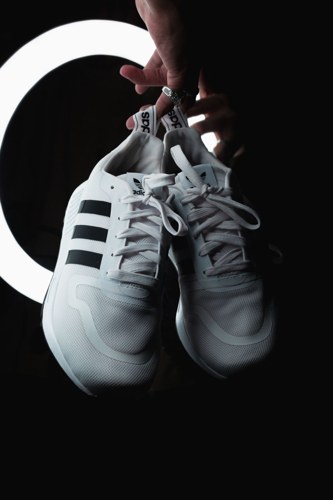
A compact sole leaves less room to hide changes in thickness. Deep decorative grooves, sharp transitions and thin edges may affect how the molded part fills and how the shoe bends. The outsole pattern should therefore be developed with the manufacturing route in mind.
Rubber, TPU and TPR are possible material families for different casual footwear projects. Selecting between them requires a review of the specific formulation, the construction and the intended performance. A material family name alone does not establish flexibility, abrasion resistance or bonding behavior.
Color also needs careful language. A gum-colored outsole is an appearance choice; the color does not prove that the material is natural rubber, non-marking or especially slip resistant. Those properties require their own specification and evidence.
Check repeated flexing, edge wear and bond integrity on development samples. Include wear assessment on representative everyday surfaces. If a slimmer design changes ground contact or exposes a softer component, compare it with the reference construction under the same conditions.
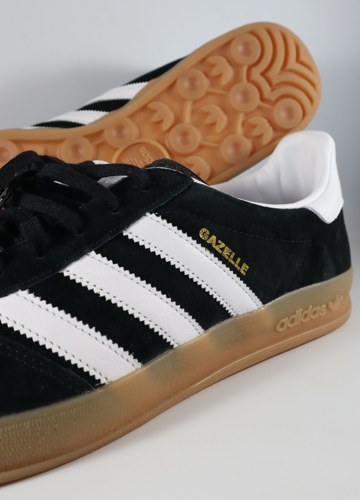
The most useful outcome of trend research is a direction for an original design. A brand can explore a narrow toe line, a refined outsole edge or a retro sport proportion without reproducing another brand's distinctive tread, logos or decorative elements.
Build a focused sample plan. Start with one clear silhouette, compare a small number of material and footbed options, and resolve fit before multiplying colorways. This keeps the team from carrying the same construction problem into every version of the range.
For sourcing, ask which parts of the proposal require new molds and which can be developed from an appropriate existing platform. Confirm size grading, minimum order quantities and the visual tolerances that matter most, such as color matching and edge finish. Cost comparisons should cover the assembled sole, rather than only the material price.
If you are planning a slim casual shoe collection, send Huadong your original design direction, target market, reference proportions and performance priorities. A defined brief helps connect the look of the shoe with a practical sole construction.

No. It describes the visual silhouette. Drop, internal construction and any barefoot positioning need separate definitions.
Yes. Internal volume and sole geometry may allow a cushioning layer, but the complete construction must be checked for fit and comfort.
No. Similar colors can be produced using different formulations. Confirm the material and performance specification with the supplier.
Develop an original pattern and appearance. Use trend research to guide proportions and product positioning while preserving a distinct design.
1 adidas Q3 results 29 October 2026
2 Circana Q3 footwear release 2 November 2026
Running shoes remain one of the clearest growth areas in the footwear market in late 2026. For footwear brands and buyers, the opportunity is to develop products with a specific purpose and a convincing balance of comfort, durability and price. Adding a thicker midsole or a technical-looking outsole does not, by itself, establish that value.
In its November 2 release, Circana reported that U.S. running footwear dollar sales rose 10% year over year in the third quarter of 2026, with unit sales also increasing. Total footwear dollar sales were flat, while overall units fell by mid-single digits. These are U.S. retail findings for the three months ending September; they should not be treated as a worldwide growth rate. [1]
Our reading is that functional running products deserve focused development attention. The data supports a category opportunity, while the commercial decision still depends on the intended customer, selling channel and price point.

A running shoe brief becomes useful when it explains who will wear the product and what the shoe needs to do. A daily training model, a race-oriented shoe and a running-inspired casual sneaker have different priorities. Buyers should establish the intended use before selecting a foam name or approving the first sample.
For a daily trainer, development discussions may emphasize repeatable cushioning, secure fit and durability through regular use. A competition-focused project may place more emphasis on weight and the behavior of the complete sole geometry. A casual product can borrow a running silhouette without needing to make competitive performance claims.
Cushioning is a system property. Foam formulation, density, thickness and geometry interact with the upper and outsole. The material with the softest hand feel may not create the most controlled platform. Compare samples as complete shoes, in the intended sizes and conditions, rather than ranking materials from a single thumb-press test.
Write these priorities into the development brief so that designers, material suppliers and factories are solving the same problem.
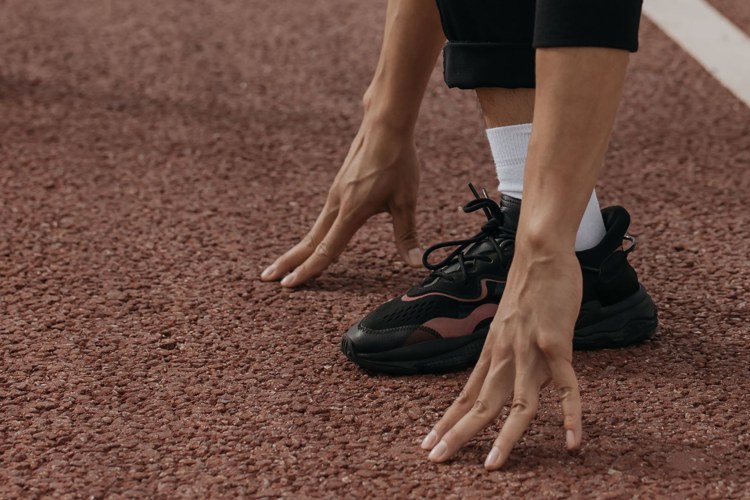
Reducing weight often changes where outsole material is used. Exposed midsole areas and selective rubber coverage can create a lighter assembly, but the layout must reflect the places where the shoe actually wears. Removing material evenly across the bottom is a poor substitute for understanding contact and abrasion.
Use representative wear trials to identify high-demand zones. Review toe wear, heel wear and damage around the outsole edges, then adjust the compound, coverage or geometry as needed. A visually aggressive pattern also needs to release from the mold consistently and bond securely to the midsole.
Advanced foam and outsole materials deserve comparison against the existing construction under equivalent conditions. Keep the size, test method and conditioning consistent. Otherwise, a weight reduction or laboratory result may reflect several changes at once, leaving the team unsure which change caused the result.
This approach also improves communication with buyers. A clear explanation of the design decision is more useful than a list of technical material names with no connection to the user experience.
Category growth does not remove the risk of developing too many similar products. A practical response is to give each model a clear role, then decide which components can be shared without blurring that role. An everyday training shoe and a premium running product may need different sole constructions even if their uppers look related.
Agree on a validation plan before tooling approval. Depending on the design, that can include repeated compression, flexing, outsole abrasion and bond checks, followed by controlled wear evaluation. Record sample weight and construction details alongside the results. These are development recommendations, rather than requirements established by the retail sales data.
Commercial review should consider the complete product cost, expected order quantities and development lead time. A material upgrade that requires different equipment or tooling can change the project economics even when the resin price looks acceptable.
For a new running shoe sole project, share your intended use, target price, drawings or reference samples and expected order volume with Huadong. Those details provide a practical basis for discussing material and construction options.
No. It refers to U.S. running footwear dollar sales in Q3 2026, compared with Q3 2025, as reported by Circana.
No. Midsole geometry should reflect the intended use, fit, platform control and material behavior.
It can, but the location and amount of coverage need validation for wear, grip and bonding in the intended construction.
Include the intended user and activity, target price and weight, size range, materials under consideration, order volume and agreed validation conditions.
1 Circana Q3 2026 U S footwear release 2 November 2026


