
Views: 45 Author: Site Editor Publish Time: 2026-08-19 Origin: Site


Safety toe caps are one of the most important protective components in industrial footwear. Whether you manufacture work boots, military boots, mining footwear, or construction shoes, selecting the right toe cap directly affects product safety, weight, comfort, certification, and production cost.
This guide explains the different types of safety toe caps, international standards, and key factors to consider before choosing the best solution for your project.
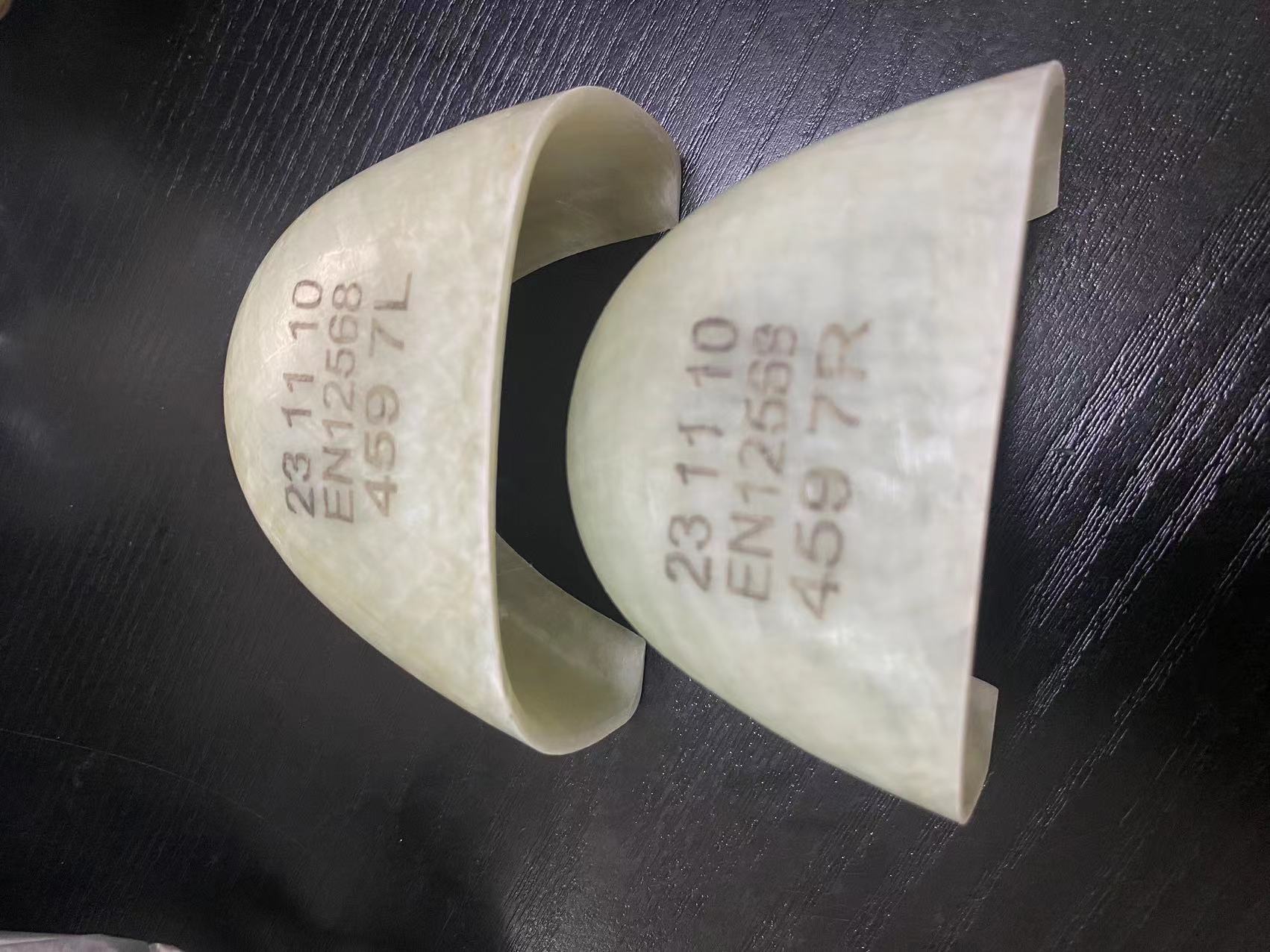
A safety toe cap is a protective insert installed inside the toe area of safety footwear. Its primary function is to protect the wearer's toes from injuries caused by falling objects or heavy compression.
Depending on the application, safety toe caps must pass impact and compression tests specified by international safety standards.
Common applications include:
Industrial safety shoes
Construction boots
Mining footwear
Military boots
Tactical boots
Logistics footwear
Manufacturing shoes
Oil & gas safety boots
Types of Safety Toe Caps
Steel Toe Cap
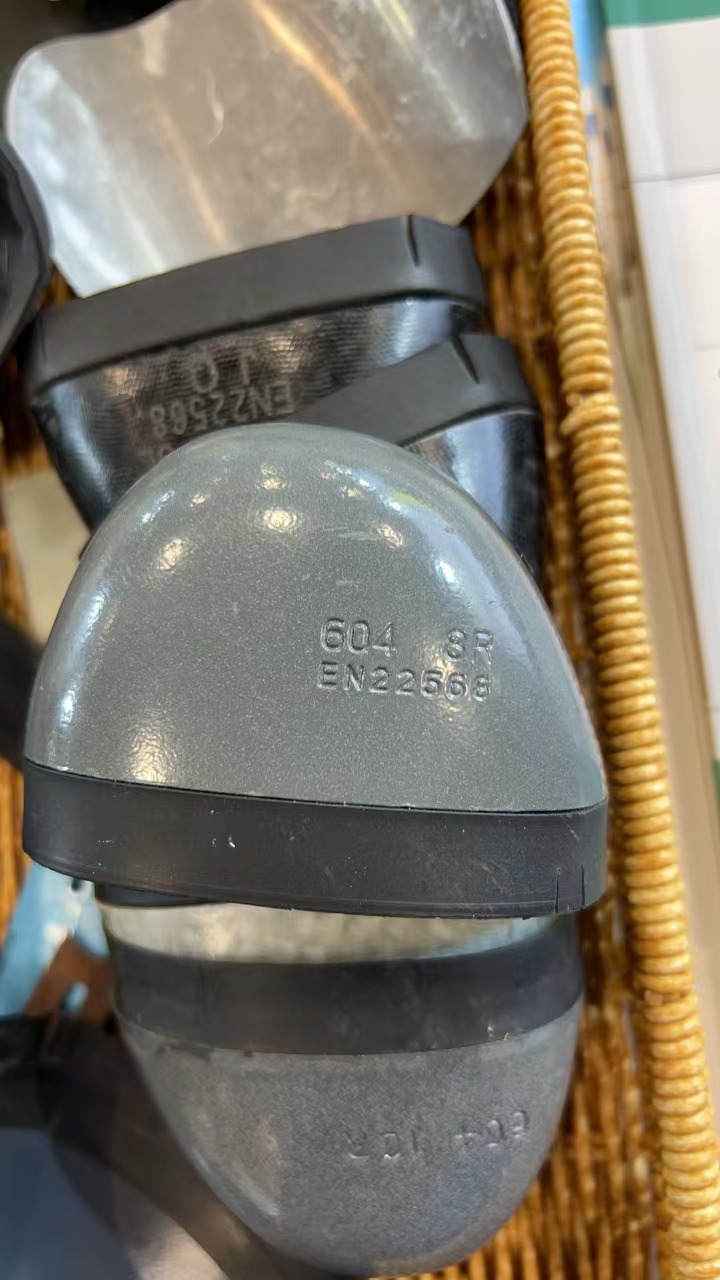
Steel toe caps have been the industry standard for decades.
Advantages
Extremely high strength
Excellent impact resistance
Competitive cost
Long service life
Suitable for heavy-duty industries
Limitations
Heavier than other materials
Conducts heat and cold
May trigger metal detectors
Less comfortable for prolonged wear
Typical industries include construction, mining, foundries, and heavy manufacturing.
Fiberglass toe caps have become increasingly popular as manufacturers seek lighter and more comfortable safety footwear.
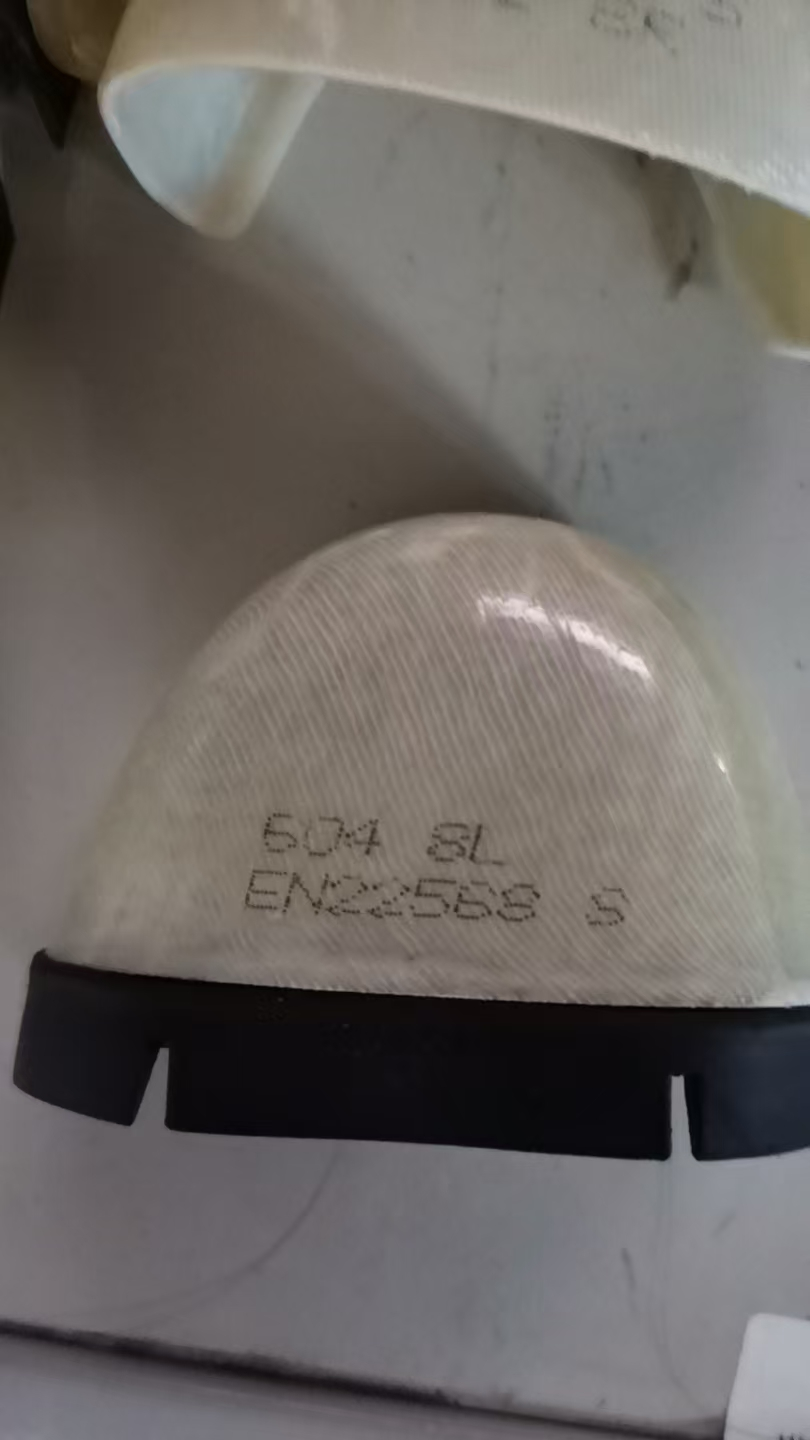
Advantages
Lightweight
Metal-free
Corrosion resistant
Thermal insulation
Comfortable for long working hours
Airport and security checkpoint friendly
Ideal Applications
Logistics
Warehouse operations
Electronics manufacturing
Government procurement
Military boots
Security footwear
Outdoor work boots
Fiberglass toe caps provide an excellent balance between protection, weight, and durability.
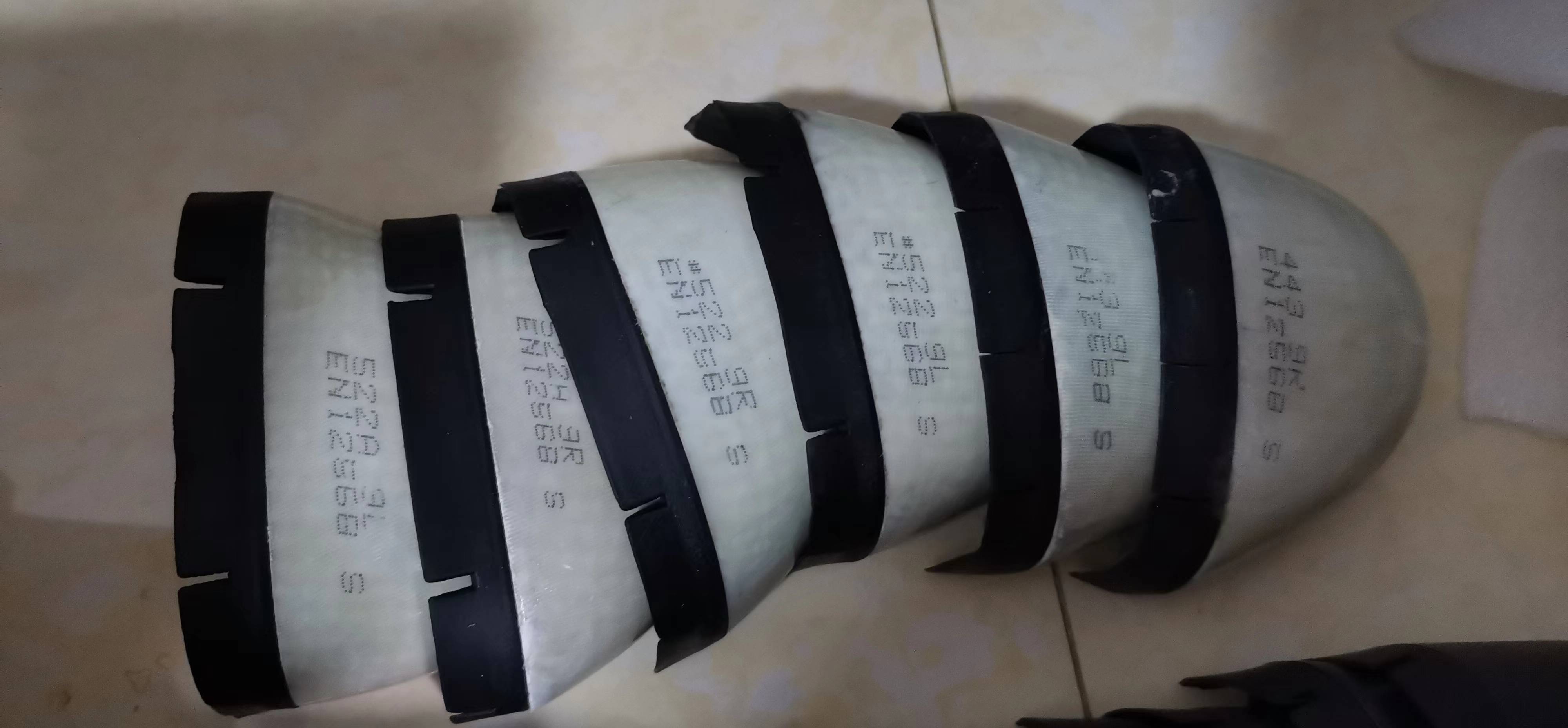
Composite toe caps are manufactured using advanced non-metallic materials such as reinforced polymers and composite fibers.
Advantages
Very lightweight
Excellent thermal insulation
Non-conductive
Corrosion resistant
Comfortable in cold environments
Composite toe caps are commonly used in premium safety footwear where worker comfort is a priority.
Feature | Steel | Fiberglass | Composite |
Weight | Heavy | Light | Very Light |
Metal-Free | No | Yes | Yes |
Corrosion Resistance | Moderate | Excellent | Excellent |
Thermal Insulation | Poor | Excellent | Excellent |
Airport Friendly | No | Yes | Yes |
Cost | Low | Medium | Medium to High |
Comfort | Moderate | High | Excellent |
Before selecting a toe cap, always confirm the safety standard required by your target market.
Common standards include:
EN ISO 20345
ASTM F2413
CSA
GOST
AS/NZS
JIS
Most industrial safety shoes require:
200 Joule impact resistance
15 kN compression resistance
Government projects may specify additional certification or testing requirements.
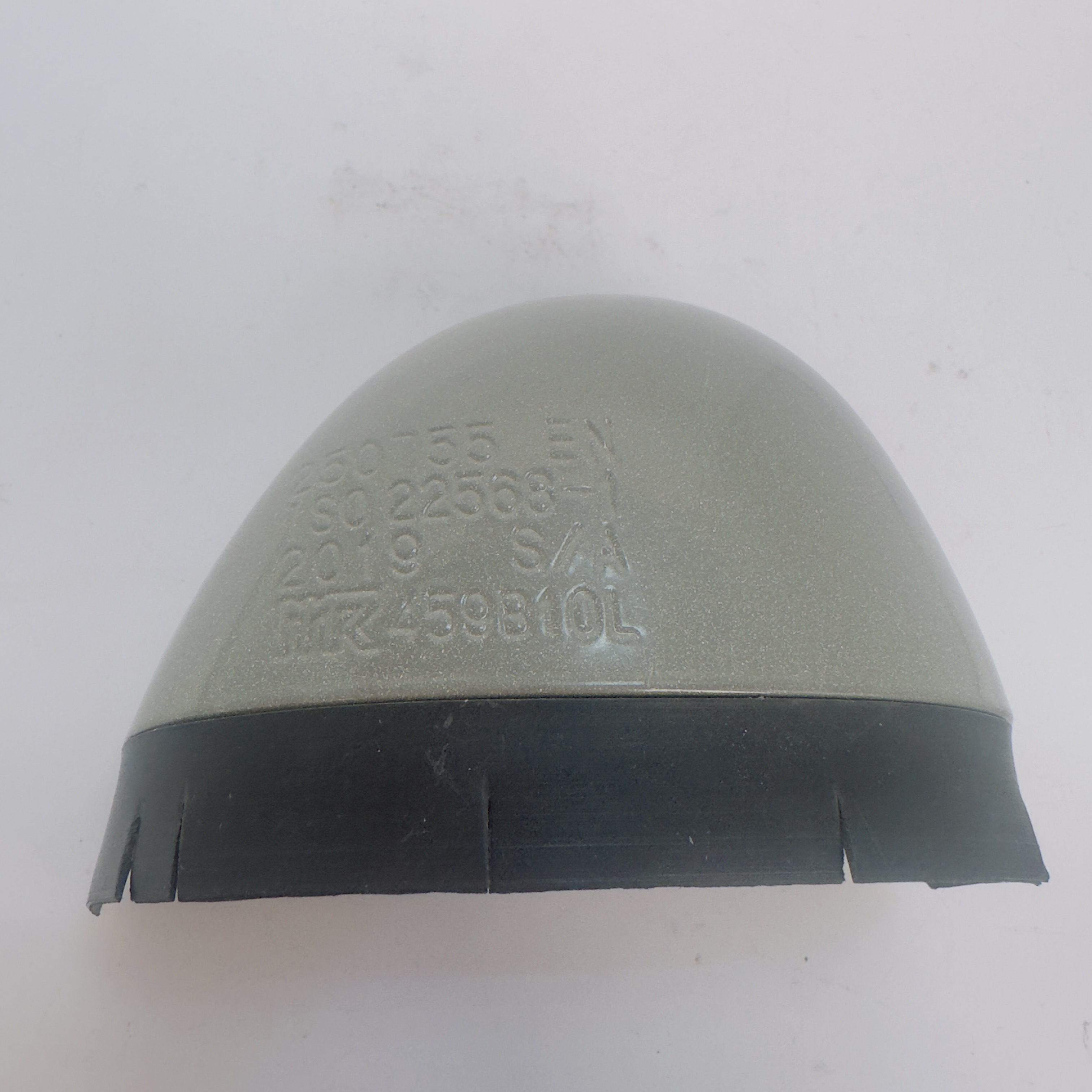
Key Factors When Selecting a Safety Toe Cap
Always determine which certification your customer requires before selecting a toe cap.
Different standards may have different testing procedures, dimensions, and performance requirements.
The toe cap must perfectly match the shoe last.
Important information includes:
Last drawing
Last sample
Toe shape
Shoe width
Toe height
A mismatched toe cap can lead to fitting problems during production.
Different footwear requires different toe cap geometries.
Examples include:
Low-cut safety shoes
Chelsea safety boots
Tactical boots
Military boots
Hiking safety boots
Winter safety footwear
Confirm the required size range, for example:
EU 36–47
US 6–13
Each size requires a corresponding toe cap mold or tooling.
Many international buyers now prioritize lightweight safety footwear.
Using fiberglass or composite toe caps can significantly reduce total shoe weight while maintaining required protection.
The operating environment greatly influences material selection.
Examples:
Cold storage
High-temperature factories
Oil & gas
Chemical plants
Electrical environments
Airport security
Military applications
Metal-free toe caps are often preferred where electrical insulation or security screening is important.
To recommend the correct safety toe cap, suppliers typically require:
Required safety standard
Impact and compression requirements
Shoe type
Size range
Shoe last drawing or sample
Upper design or shoe drawing
Estimated annual quantity
Required certificates
Target delivery schedule
Providing complete technical information helps reduce development time and minimizes sampling revisions.
An experienced supplier should provide more than just toe caps.
Look for a manufacturer that offers:
Multiple material options
Standard and customized sizes
OEM and ODM capability
Tooling development
Laboratory testing support
Fast sampling
Stable production capacity
International export experience
Working with a knowledgeable supplier can significantly shorten product development cycles and improve production efficiency.
Choosing the right safety toe cap is about much more than selecting a material. Factors such as international safety standards, footwear design, working environment, comfort requirements, and production efficiency all play important roles.
Whether your project requires steel, fiberglass, or composite toe caps, early technical communication between footwear manufacturers and component suppliers is essential for achieving reliable product performance and successful certification.
Investing time in selecting the correct toe cap at the beginning of a project can reduce development costs, improve wearer comfort, and ensure long-term product reliability.
Q1: What is a safety toe cap?
A: A safety toe cap is a protective insert installed inside the toe area of safety footwear. Its primary function is to protect the wearer's toes from injuries caused by falling objects or heavy compression. Safety toe caps must pass impact and compression tests specified by international safety standards such as EN ISO 20345 and ASTM F2413.
Q2: What are the main types of safety toe caps?
A: The three main types of safety toe caps are:
Steel toe caps: The traditional industry standard, offering extremely high strength and impact resistance at a competitive cost, but heavier and conductive to heat and cold.
Fiberglass toe caps: Lightweight, metal-free, corrosion-resistant, and thermally insulating, making them ideal for logistics, warehouse, and military applications.
Composite toe caps: Made from advanced non-metallic materials like reinforced polymers, offering very lightweight performance, excellent thermal insulation, and premium comfort for long working hours.
Q3: Which safety toe cap is the lightest?
A: Composite toe caps are generally the lightest option, followed closely by fiberglass toe caps. Steel toe caps are significantly heavier. For manufacturers prioritizing lightweight safety footwear, fiberglass or composite toe caps are the preferred choices.
Q4: Are fiberglass or composite toe caps as strong as steel?
A: Yes. When properly manufactured and certified, fiberglass and composite toe caps can meet the same international safety standards as steel toe caps—typically 200 Joule impact resistance and 15 kN compression resistance. The key difference is weight and material properties, not protection level.
Q5: What international safety standards apply to safety toe caps?
A: Common international standards include:
EN ISO 20345 (European standard)
ASTM F2413 (US standard)
CSA (Canadian standard)
GOST (Russian standard)
AS/NZS (Australian/New Zealand standard)
JIS (Japanese standard)
Most industrial safety shoes require 200 Joule impact resistance and 15 kN compression resistance. Government projects may specify additional certification requirements.
Q6: Can fiberglass or composite toe caps pass through airport security?
A: Yes. Both fiberglass and composite toe caps are metal-free, which means they typically do not trigger metal detectors at airports or security checkpoints. This makes them popular for logistics, government procurement, military boots, and security footwear.
Q7: What information should I provide to select the correct safety toe cap?
A: To recommend the correct safety toe cap, suppliers typically need:
Required safety standard and certification
Impact and compression requirements
Shoe type and design
Size range (e.g., EU 36–47 or US 6–13)
Shoe last drawing or physical sample
Upper design or shoe drawing
Estimated annual quantity
Target delivery schedule
Providing complete technical information helps reduce development time and minimizes sampling revisions.
Q8: Why is shoe last matching important for safety toe caps?
A: The toe cap must perfectly match the shoe last to ensure proper fitting during production. Key factors include last drawing, last sample, toe shape, shoe width, and toe height. A mismatched toe cap can cause fitting problems, discomfort, and production delays.
Q9: How does the working environment affect toe cap selection?
A: The operating environment significantly influences material selection. Examples include:
Cold storage: Requires good thermal insulation (fiberglass or composite)
High-temperature factories: Metal-free options reduce heat conduction
Oil & gas / chemical plants: Corrosion-resistant materials are preferred
Electrical environments: Non-conductive toe caps are essential
Airport security: Metal-free toe caps are required
Q10: What types of footwear typically use safety toe caps?
A: Safety toe caps are used in a wide range of footwear, including:
Industrial safety shoes
Construction boots
Mining footwear
Military boots
Tactical boots
Logistics footwear
Manufacturing shoes
Oil & gas safety boots
Q11: How do steel, fiberglass, and composite toe caps compare in terms of cost?
A: Steel toe caps are the most cost-effective option. Fiberglass toe caps are medium-priced, while composite toe caps typically have a medium to high cost. The higher cost of fiberglass and composite materials is offset by advantages in weight, comfort, and thermal insulation.
Q12: What should buyers look for in a safety toe cap supplier?
A: An experienced supplier should offer:
Multiple material options
Standard and customized sizes
OEM and ODM capability
Tooling development
Laboratory testing support
Fast sampling
Stable production capacity
International export experience
Working with a knowledgeable supplier can significantly shorten product development cycles and improve production efficiency.
Q13: Does a lighter toe cap mean lower protection?
A: No. Fiberglass and composite toe caps are lighter than steel but can still meet the same international safety standards when properly manufactured. Weight reduction does not compromise protection if the toe cap is correctly engineered and certified.
Q14: Are composite toe caps more comfortable than steel?
A: Yes. Composite toe caps offer better thermal insulation (they don't conduct heat or cold like steel), are significantly lighter, and reduce foot fatigue during long working hours. This makes them a preferred choice for premium safety footwear where worker comfort is a priority.
Q15: What is the most common mistake when selecting safety toe caps?
A: The most common mistake is focusing only on material selection without considering the complete picture—including international safety standards, shoe last design, working environment, comfort requirements, and production efficiency. Early technical communication between footwear manufacturers and component suppliers is essential for achieving reliable product performance and successful certification.


