
Views: 6 Author: Site Editor Publish Time: 2026-10-05 Origin: Site


When developing a new shoe, footwear designers often focus on the upper, outsole pattern and material selection. However, there is another component quietly influencing almost every part of the final shoe: the shoe last.
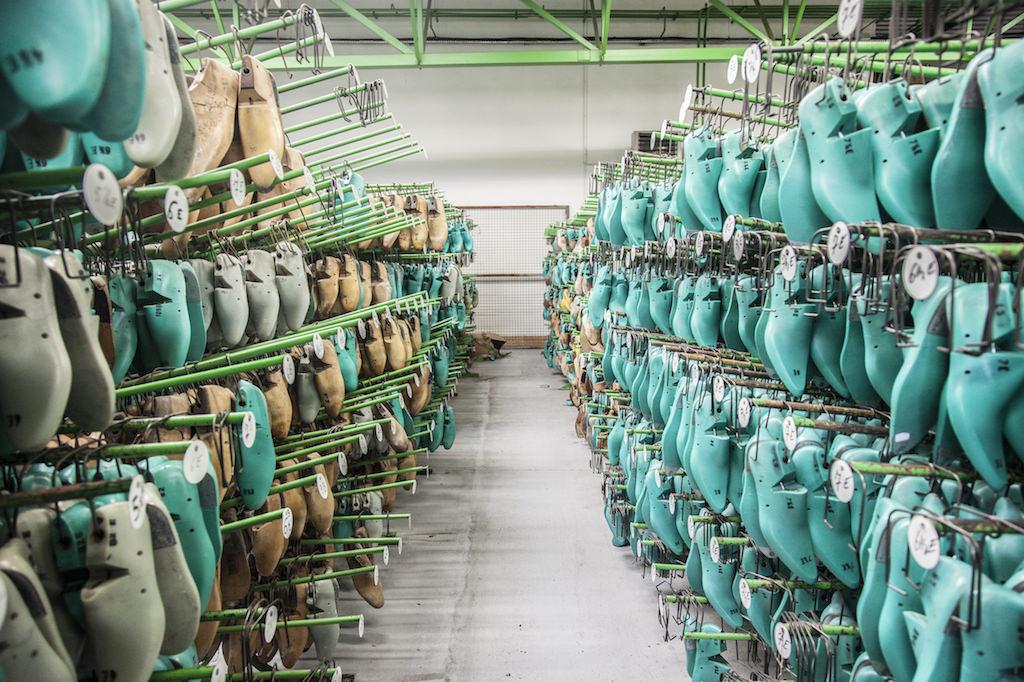
The last determines the three-dimensional shape around which the shoe is constructed. It influences the upper, fit, toe shape, arch position, heel structure-and importantly, the way the outsole fits underneath the shoe.
For footwear brands and shoe factories, this means that the same outsole does not necessarily perform or look the same when used with a different last.
A shoe last is the three-dimensional form used to construct a shoe. Its geometry includes factors such as length, width, toe shape, heel height, instep and other dimensions.
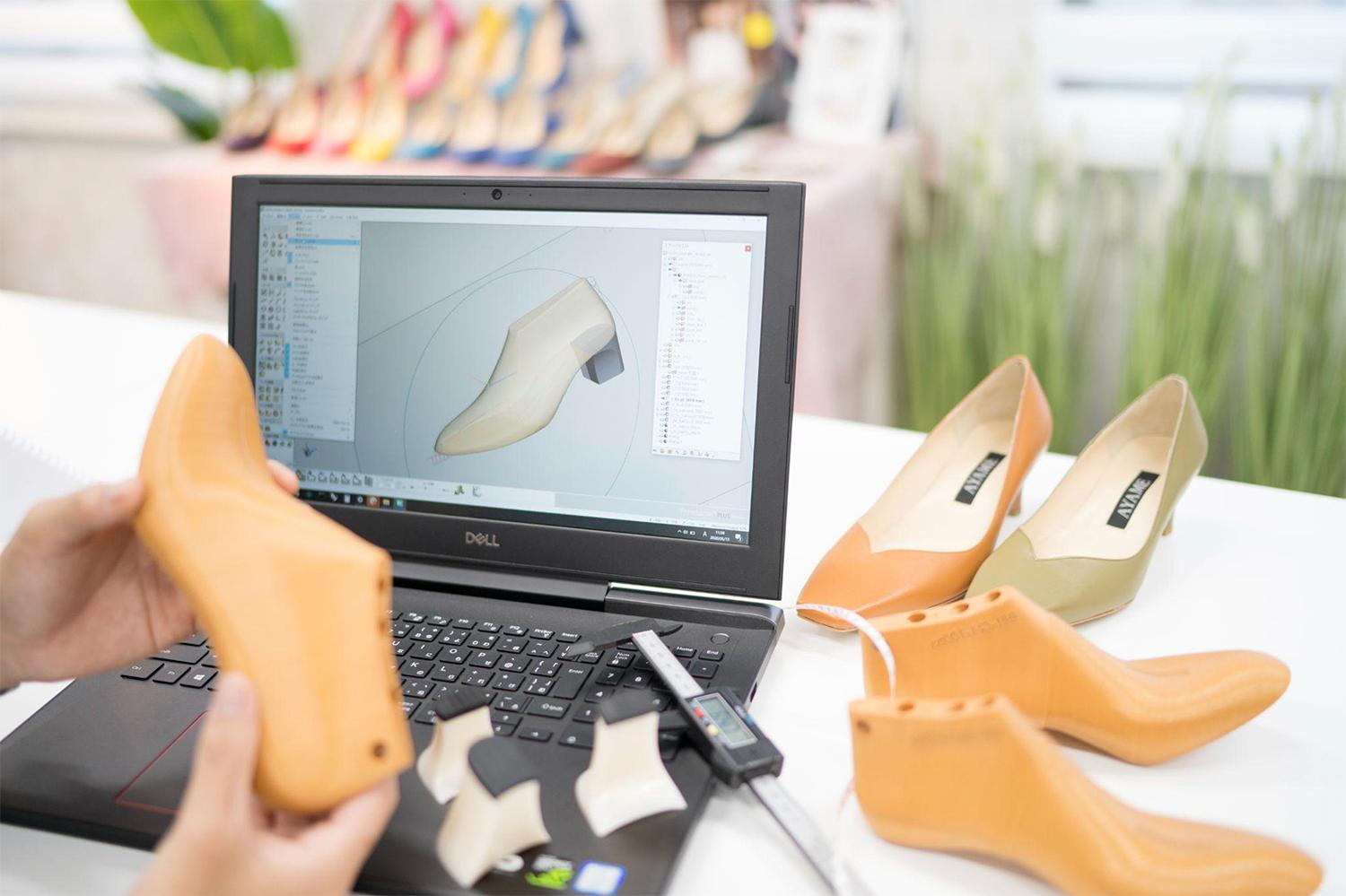
The IEEE Standards Association published its Footwear Last Definitions white paper in April 2025, providing a dedicated reference for shoe-last terminology.
This is becoming increasingly relevant as footwear brands continuously develop new models and update existing ones.
A footwear brand may keep the visual identity of a model while changing the underlying last to improve fit, comfort, weight distribution or performance. Changes can be relatively subtle:
A wider forefoot
A different toe shape
A higher instep
A different heel position
A modified arch
More toe spring
Different forefoot curvature
Even a relatively small change can affect how the upper sits on the last and how the outsole aligns underneath it.
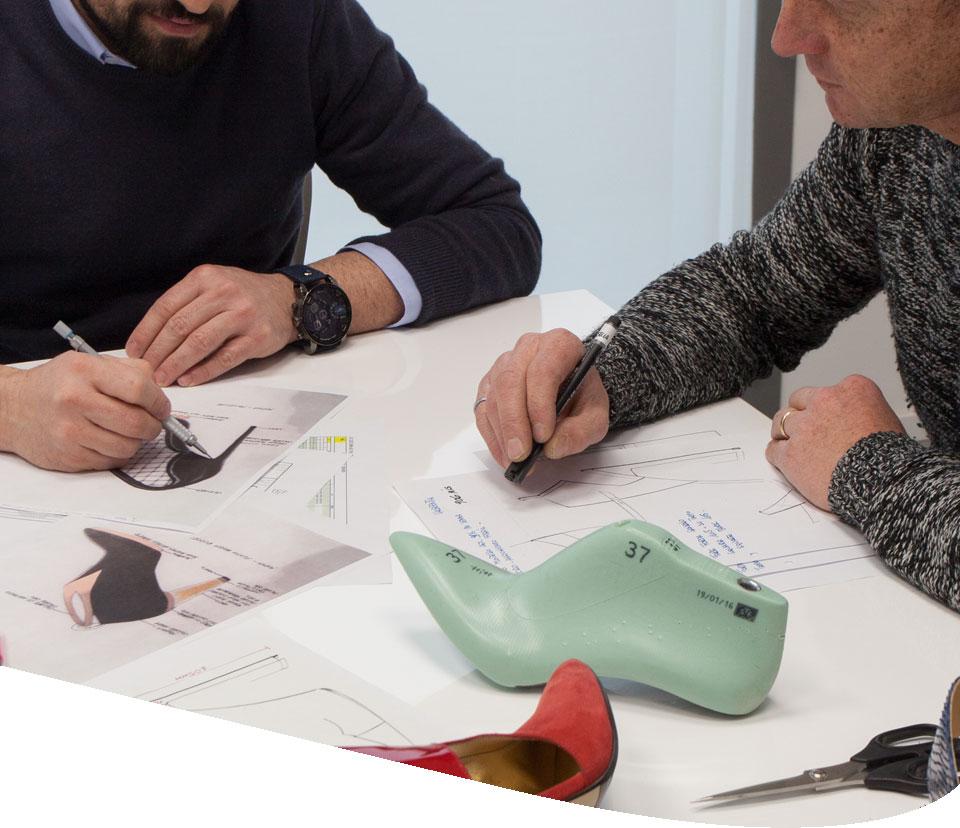
In its 2026 Pegasus 42 announcement, Nike described changes to the last that increased room and cushioning around the forefoot. This provides a practical example of updating the shoe form as part of a new model.
This demonstrates an important principle in footwear development: When the last changes, the sole development may need to change with it.
Imagine a shoe factory has an existing outsole that fits Last A perfectly.
The brand then develops Last B with a slightly wider forefoot. The original outsole may now create problems:
The edge of the outsole may no longer align correctly with the upper.
A round toe and a more pointed toe require different bottom outlines.
If the forefoot bending position changes, the outsole flex grooves may no longer be positioned correctly.
The midfoot area of the outsole may need to follow the new curvature of the last.
A change in heel position or shape can affect stability and outsole alignment. Therefore, simply scaling an existing outsole up or down is not always enough.
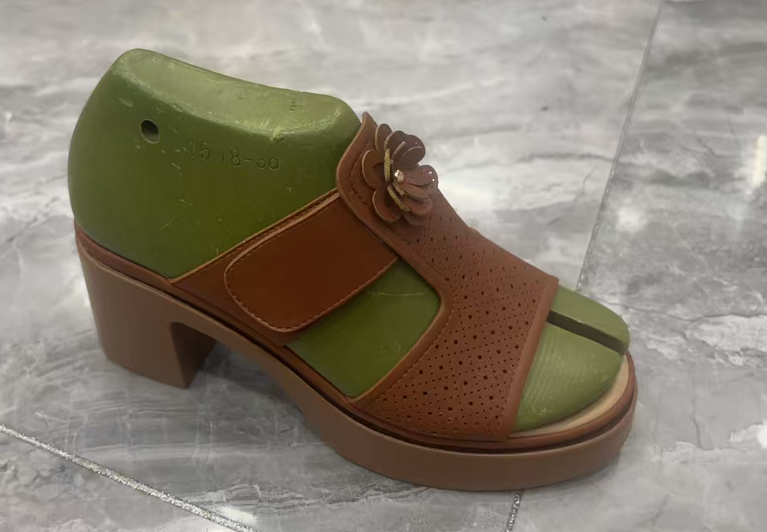
This is particularly important when developing new footwear collections.
Instead of asking only:
“Which outsole do we already have?”
the better question is:
“Which outsole geometry is suitable for this specific last?”
A professional outsole development process should consider the relationship between the last bottom, outsole outline, thickness, flex zones and overall shoe construction.
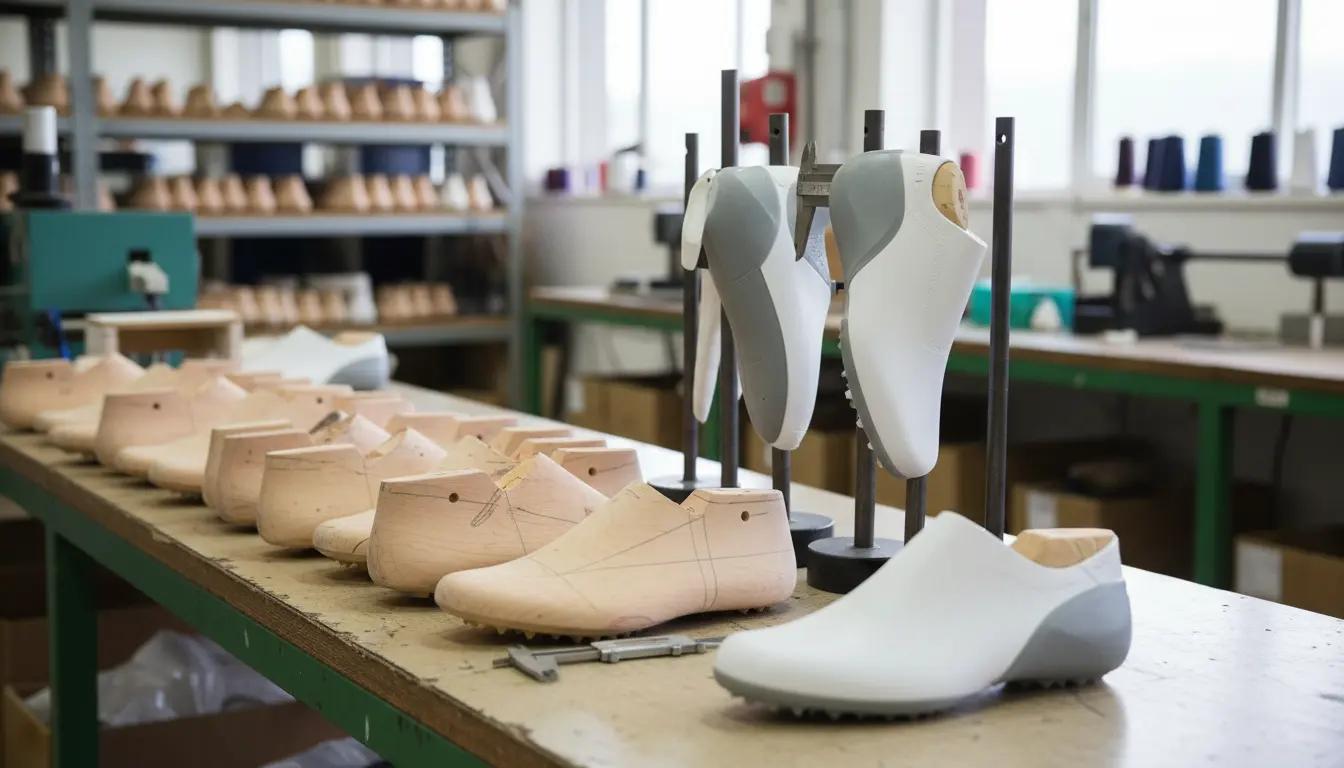
For this reason, Huadong Sole recommends providing the latest last information when developing a customized outsole.
Depending on the project, customers can provide:
Physical shoe last
Last bottom drawing
2D CAD files
3D CAD files
Existing outsole sample
Lasted upper
Reference shoe
Initial outsole concept
Our development team can use this information to evaluate the outsole structure before moving into tooling.
At Huadong Sole, outsole development is not limited to supplying existing sole models.
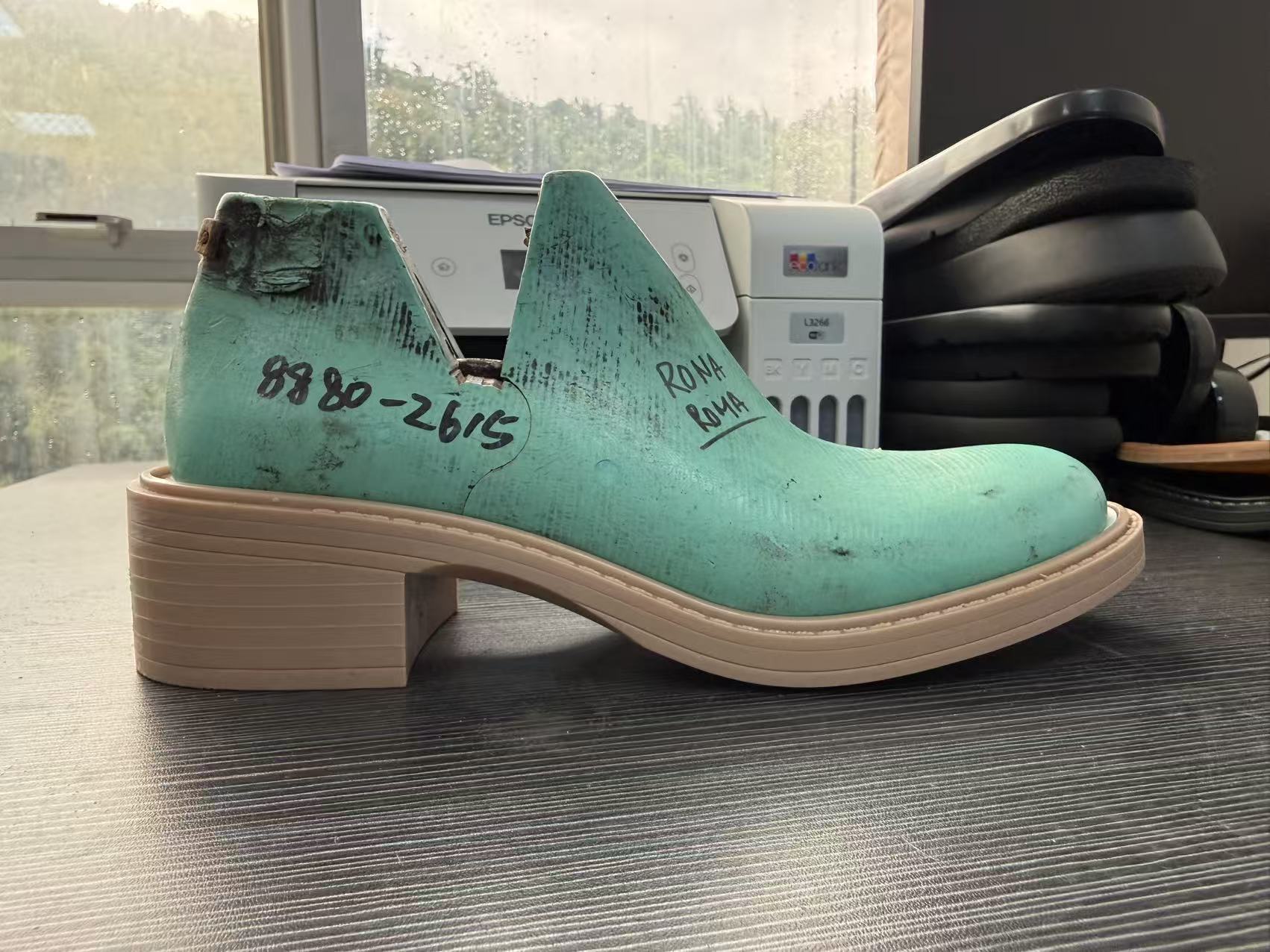
Our development process can start from a customer's design concept, existing sample or CAD data. For customized projects, we can work with the customer's lasted upper and detailed 3D design files to develop the outsole mold.
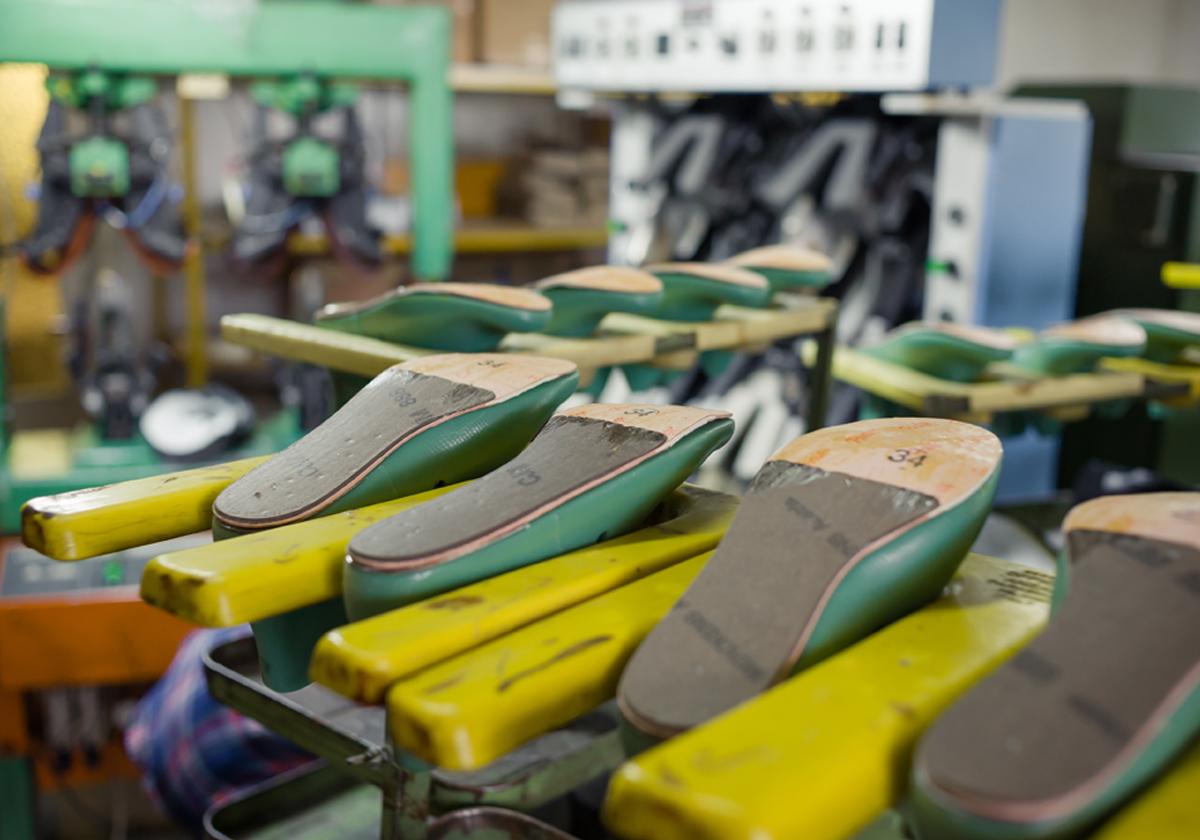
Huadong also has an in-house mold plant with 20+ CNC machines and stated annual capacity of 5,000 pairs of molds. The company develops molds for materials including TPU, TPR, EVA, rubber, PU and PVC.
This allows customers to coordinate outsole development and tooling through one supplier rather than managing the sole design and mold development separately.
The last is only one part of the equation. The final outsole also depends on the footwear category, required performance and production process. For example:
Running and sports shoes may require lightweight EVA, ETPU or other cushioning constructions.
Work and outdoor footwear may prioritize rubber compounds, abrasion resistance and traction.
Casual footwear may focus more on appearance, comfort and weight.
Premium footwear may require customized PU, rubber, TPR or multi-material constructions.
Huadong Sole currently provides customized outsole solutions in rubber, EVA, PU, TPR, TPU, ETPU and other materials, together with mold development and production services.
Our manufacturing information states an annual productivity of 20+ million pairs, exports to 60+ countries, and more than 1,000 new designs developed per year.
One of the easiest ways to reduce unnecessary development revisions is to involve the outsole manufacturer early.
If a new shoe last is already available, sending the last information together with the outsole concept can help the supplier evaluate the project more accurately from the beginning.
This is especially useful when:
A brand is launching a new footwear model
An existing model is getting a new last
The upper has already been developed
A customer wants to reproduce an existing sole on a new shoe
A designer wants a completely customized outsole
The factory needs a new mold for mass production
The goal is not simply to make an outsole that looks good on a computer screen.
The goal is to make an outsole that fits the last, works with the upper, performs as required and can be manufactured consistently at production scale.
If you are developing a new footwear model, you do not need to wait until every detail is finalized before contacting an outsole manufacturer.
Send us your shoe last, last bottom drawing, 2D/3D CAD file, existing sole sample or initial design concept.
The Huadong Sole team can help evaluate the outsole structure, material options and tooling requirements, then move from development to sampling and mass production. Your new last may be the starting point for a completely new outsole.
Contact Huadong Sole to discuss your next custom outsole development project.
It is highly recommended. A last or last-bottom drawing helps the outsole manufacturer understand the required length, width, curvature and overall geometry. Huadong Sole specifically recommends providing a lasted upper when possible for more accurate development.
Yes. Huadong Sole can develop customized molds based on 2D/3D drawings and other design information. Providing the latest last data can make the outsole development more accurate.
Yes. Huadong Sole provides both custom outsole development and in-house mold manufacturing, allowing customers to manage development, tooling, sampling and production through one supplier.


