
Views: 6 Author: Site Editor Publish Time: 2026-10-22 Origin: Site


When choosing shoe sole materials, abrasion resistance is one of the most important performance factors for footwear brands. Customers want outsoles that resist wear, maintain their appearance and perform reliably throughout the life of the shoe.
However, abrasion resistance and overall outsole durability are not exactly the same thing. A sole may perform well in an abrasion test but still develop cracks, lose flexibility or experience bonding problems during actual use.
For footwear manufacturers and brands, understanding these differences is essential when selecting rubber outsoles, EVA soles and multi-material bottom units.
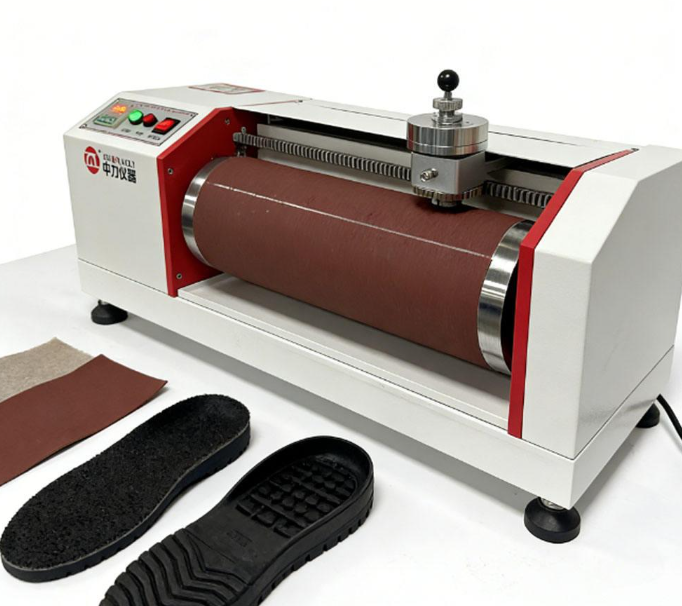
Outsole abrasion resistance refers to a material's ability to withstand surface wear caused by friction against the ground.
During walking, running and other activities, the outsole repeatedly contacts pavement, concrete, asphalt and other surfaces. These interactions gradually remove material, particularly in high-contact areas such as the heel and forefoot.
Abrasion resistance is especially important for:
Running and athletic shoes exposed to repeated ground contact.
Work and outdoor footwear used on rough surfaces.
School shoes and everyday footwear designed for frequent use.
Rubber outsoles where wear resistance is a key selling point.
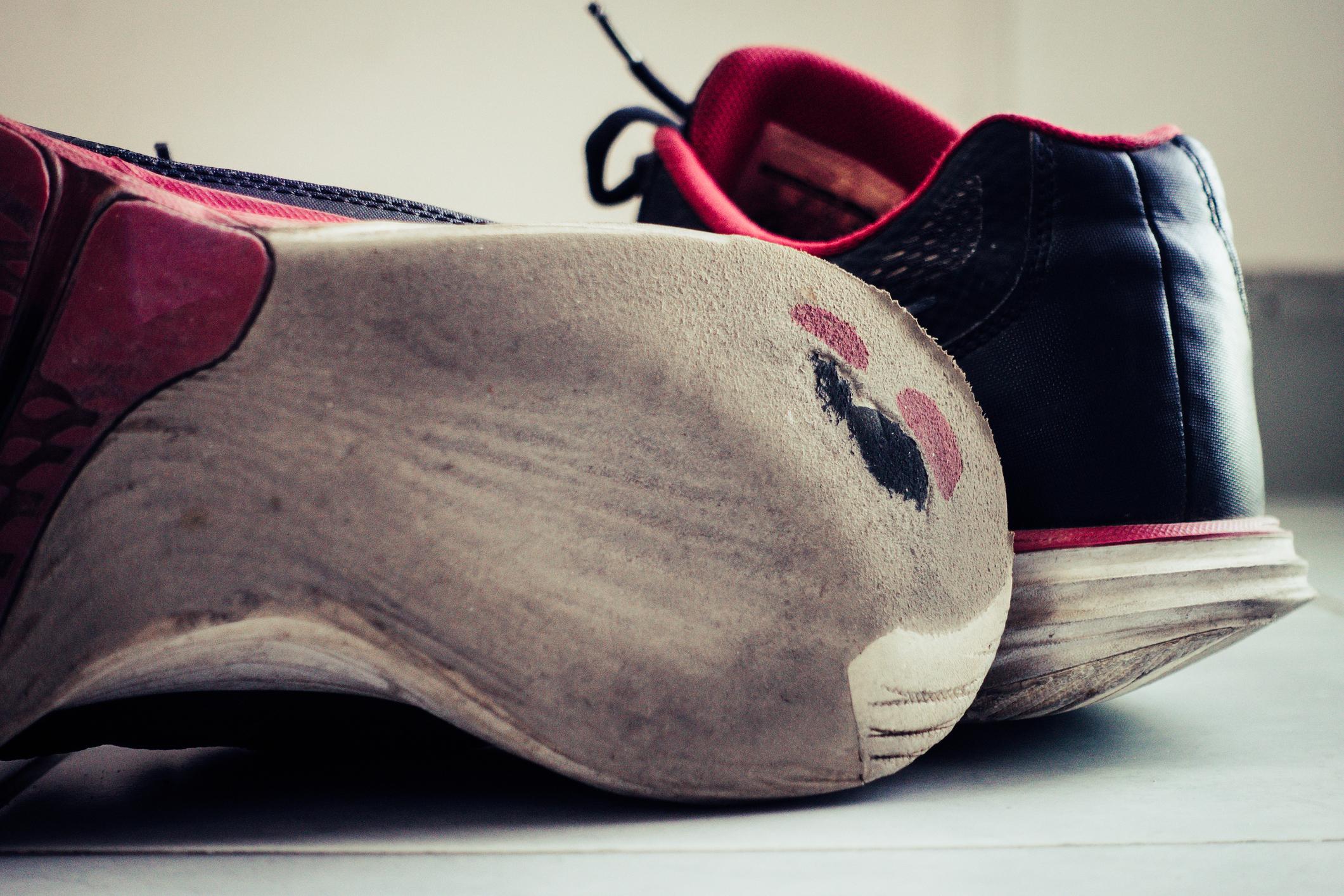
A material with good abrasion resistance can help reduce excessive outsole wear. Nevertheless, the actual service life also depends on the wear pattern, shoe construction, user activity and environmental conditions.
Two international standards are particularly relevant to outsole material evaluation.
This standard specifies a method for determining abrasion resistance in outsoles, regardless of material. It provides a standardized approach for comparing outsole wear performance.
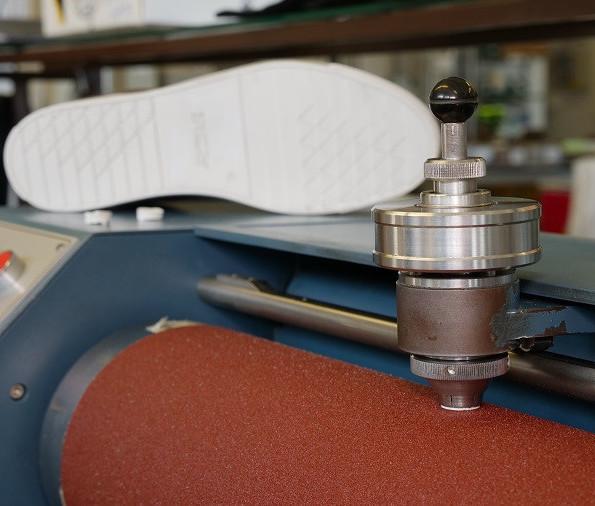
This standard uses a rotating cylindrical drum device to assess rubber abrasion resistance. The test determines material volume loss or an abrasion resistance index, depending on the method used.
Official references:
One important point is that test methods and acceptance requirements are not the same thing. A standard describes how a test is performed, while a buyer's specification defines the required performance.
For this reason, footwear brands should confirm the applicable test method, specimen preparation, testing conditions and acceptance limits with their suppliers or testing laboratories.
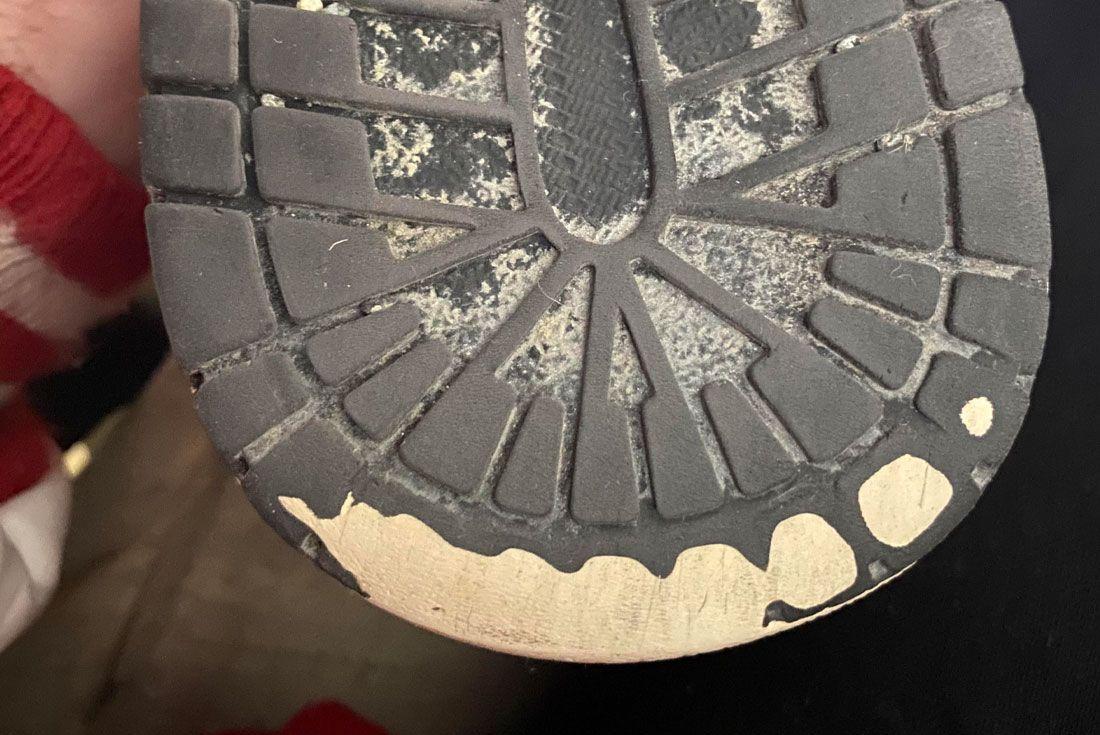
In many abrasion tests, material loss is reported as a volume loss. Under comparable test conditions, a lower volume loss generally indicates better resistance to abrasion.
For example, consider two rubber compounds tested under the same method:
| Property | Compound A | Compound B |
|---|---|---|
| Abrasion volume loss | 100 mm³ | 150 mm³ |
| Relative result | Lower wear | Higher wear |
In this illustrative example, Compound A loses less material during the test and demonstrates better abrasion resistance under those conditions.
These figures are examples, not actual test results or universal industry benchmarks. They should not be used to predict a specific number of days or kilometres of footwear use.
ISO 4649 also cautions that no close relationship between laboratory abrasion results and actual service performance can be inferred directly. Real-world durability depends on more than one test result.
Material selection should be based on the intended footwear application rather than abrasion resistance alone.
Rubber is widely used in athletic, outdoor, casual and work footwear. Different rubber formulations can provide different combinations of abrasion resistance, flexibility, grip and durability.
For demanding applications, brands should evaluate the compound and the finished outsole rather than relying on the word “rubber” as a guarantee of performance.
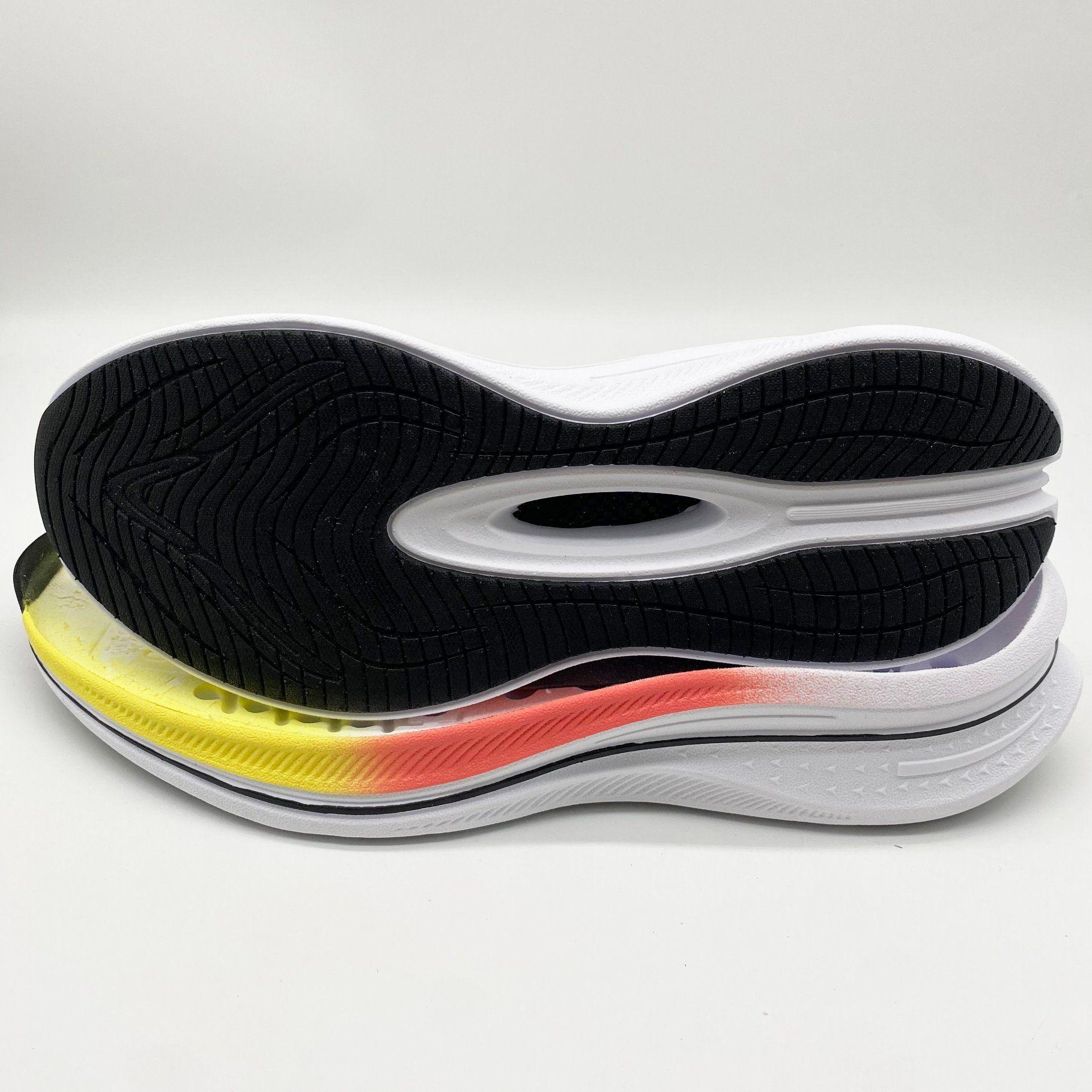
EVA is valued for its lightweight cushioning. Phylon is commonly produced by processing EVA foam into a shaped midsole component.
These materials are often used in running shoes, lifestyle footwear and casual sneakers. However, their performance depends on formulation, density, foam structure and design. In some constructions, a rubber outsole layer is added to improve ground-contact wear resistance.
TPU can be used in structural components, support elements and selected ground-contact areas. Combining different materials allows designers to balance cushioning, stability, weight and wear resistance.
For example, an EVA midsole with strategically positioned rubber outsole sections may provide cushioning while protecting areas exposed to greater friction.
The best solution depends on the shoe design, target market, expected use and cost requirements.
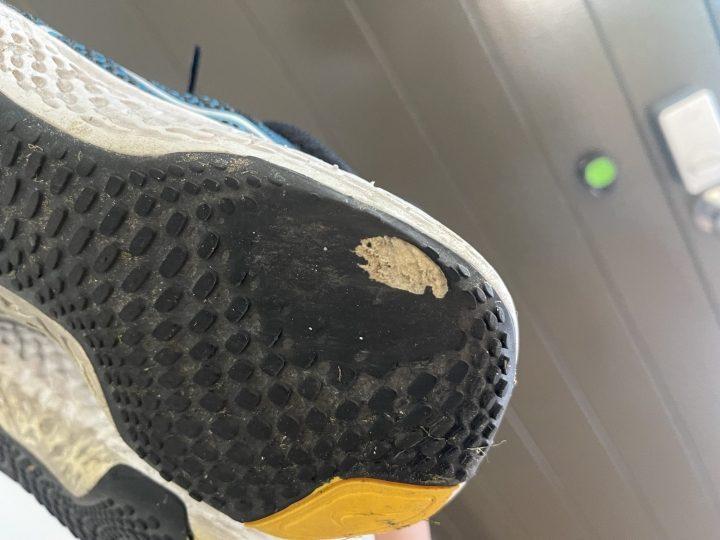
A durable outsole must perform under multiple types of stress.
Flex resistance: Repeated bending can cause cracks or damage, particularly in areas with concentrated stress.
Bonding strength: In cemented footwear and multi-layer sole constructions, the bond between the outsole, midsole and upper must withstand repeated loading.
Slip resistance: Adequate traction is important for the intended surface and use conditions. Abrasion performance alone does not establish slip resistance.
Compression and cushioning: Foam materials may compress or lose some of their original recovery characteristics under repeated loading.
Environmental resistance: Temperature, moisture, oils and other environmental factors can influence the performance of certain materials.
These properties require appropriate evaluation methods. Passing an abrasion test does not automatically mean that a sole will pass flexing, bonding, slip-resistance or other applicable footwear tests.
A clear specification helps suppliers recommend suitable materials and avoid unnecessary development costs.
Before starting outsole development, brands should clarify:
Footwear application: Running, outdoor, work, school or casual use.
Target performance: Abrasion resistance, flexibility, grip, cushioning or a combination.
Test requirements: Applicable standards, test conditions and acceptance limits.
Material and construction: Rubber, EVA, Phylon, TPU or a multi-material bottom unit.
Target price: The acceptable cost range for the outsole and its required performance.
It is also useful to test samples made with the intended production materials and construction. Laboratory results should be considered alongside sample-shoe evaluations and the requirements of the target market.
For brands developing new footwear collections, working closely with a sole manufacturer can help align material selection, outsole geometry, performance requirements and production costs.
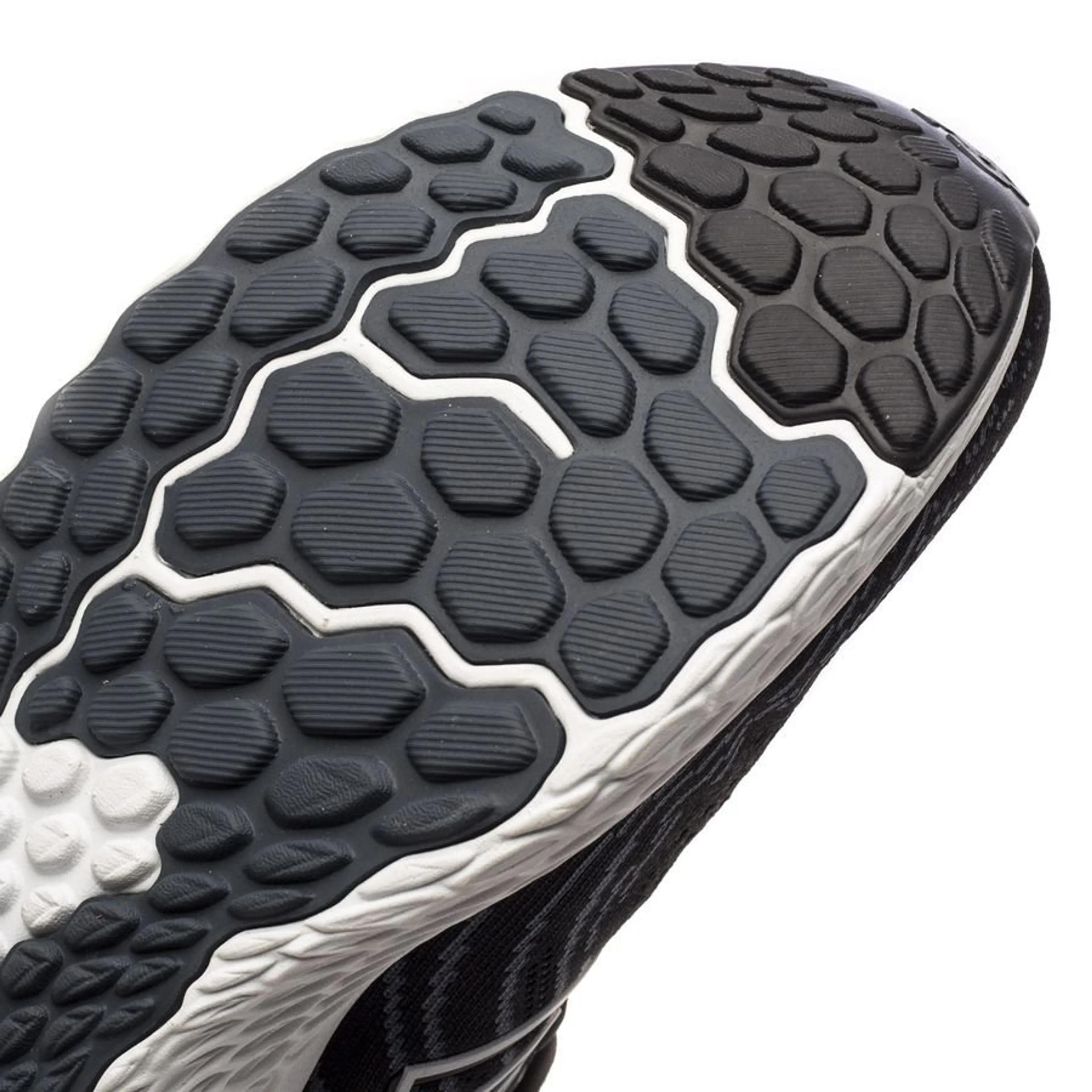
Huadong Sole develops custom outsoles and bottom units in materials including rubber, EVA, TPR, PU and TPU. By discussing the intended shoe application and required performance at the beginning of a project, brands can make better-informed decisions about material selection and testing.
Ultimately, the goal is not simply to achieve a low abrasion-loss figure, but to develop an outsole that meets the footwear's complete performance requirements.
There is no single value suitable for every shoe. The target depends on the material, test method, footwear application and buyer's specification.
No. Abrasion resistance measures wear under specific test conditions. Flex cracking, bonding, cushioning, grip and environmental exposure can also affect footwear durability.
Yes, depending on the design and material system. Options may include adjusting the formulation or density, optimizing the construction, or adding rubber to high-wear areas. The best approach should be confirmed through testing.
ing si


