
Views: 61 Author: Site Editor Publish Time: 2026-06-27 Origin: Site


Encounters with electricity in the workplace are almost unavoidable; some people even need to work in environments surrounded by current all day. In construction sites, manufacturing plants, or other special work areas, workers are directly exposed to or in contact with electric current. Any voltage higher than 60V poses a risk of electric shock, making safety protection essential.
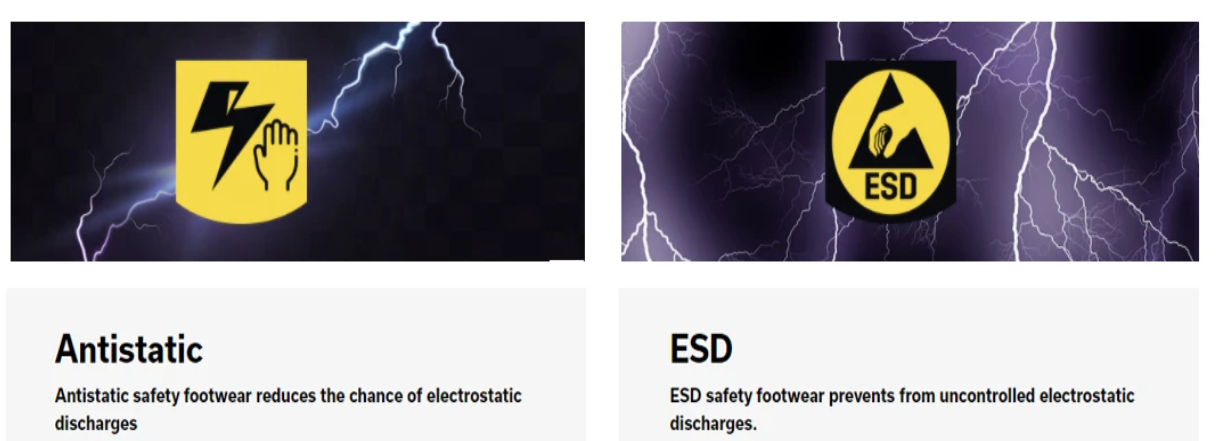
However, it's not only those working with electricity who need to worry about electric shock. There's a concept opposite to voltage resistance (insulation) called ESD (electrostatic discharge). In certain workplaces, it's necessary to prevent static electricity buildup because the sparks and ignition cores produced by the discharge reaction of accumulated static electricity can cause significant damage. Therefore, using protective equipment to prevent static electricity generation and ensure proper discharge is crucial.
Among various protective gear against electric current injuries or electric shocks, in addition to wearing safety helmets, insulating gloves, and antistatic gloves, choosing safety shoes with insulation or antistatic properties provides more comprehensive protection. The following explanation further elaborates on the principles of voltage withstand (insulation) and antistatic properties, as well as their impact on the working environment, to help you better understand which type of safety shoe is suitable for your job.
Regarding Voltage Withstand (Insulation):
This means preventing current from entering your body; in other words, preventing electric shock.
The principle behind insulated shoes is that the soles are made of non-conductive insulating materials, isolating the body from the ground. The resistance is between 0.1 and 100 MΩ.Even if contact with a conductor occurs, there will be no electric shock. In various water and electricity projects, electrical work, high-voltage construction, and cable and wire engineering, there is always the possibility of contact with current in the work environment. Examples include construction sites with dense wiring, electrical wiring installations in buildings, installation of large electrical equipment (concert halls, exhibition halls), and operating electrical equipment in damp environments. Wearing insulated safety shoes prevents electric shock accidents caused by conductive ground.
Regarding ESD (Antistatic Discharge):
This means discharging excess charge from the body, allowing for proper discharge.
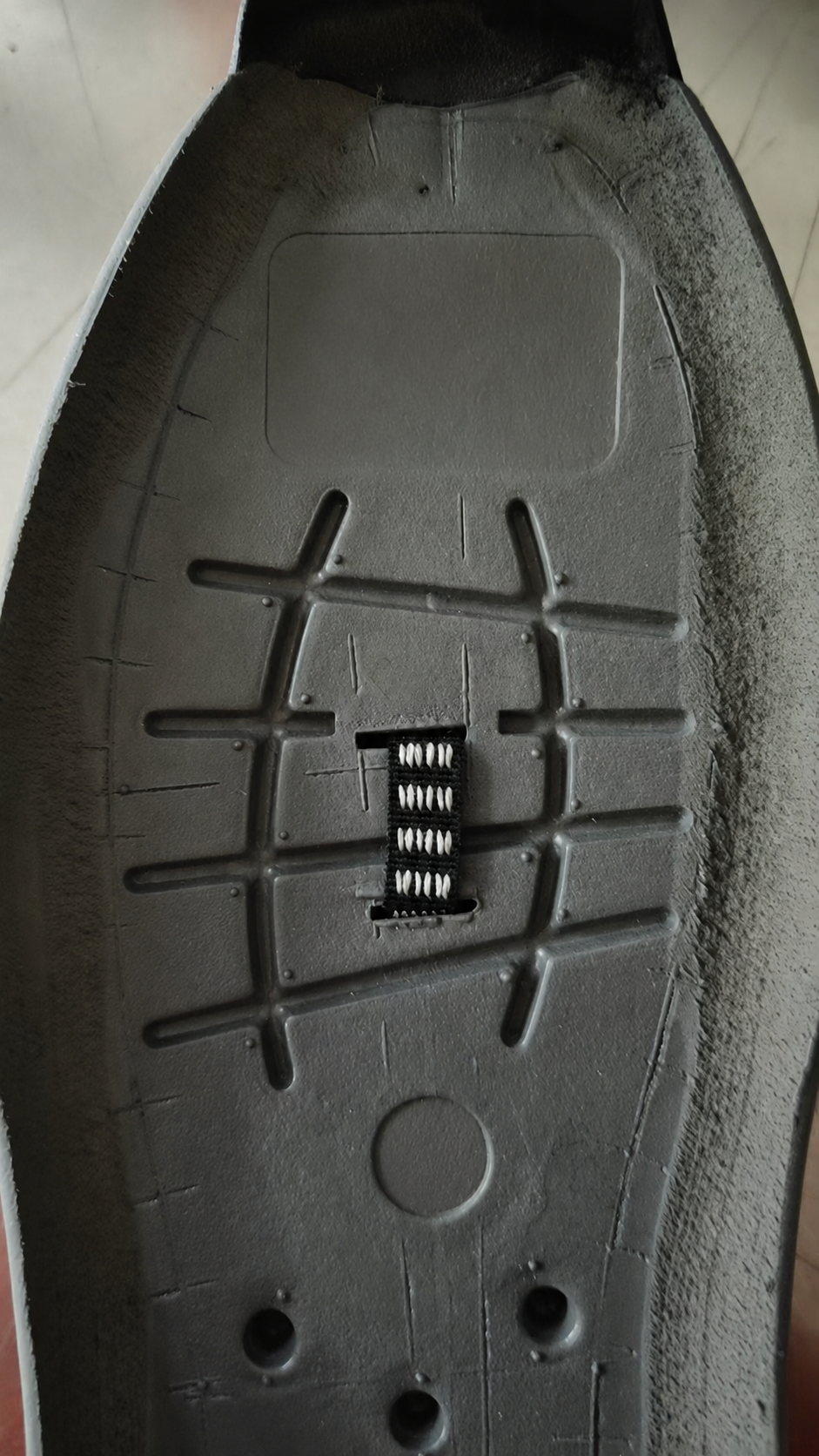
Antistatic shoes work by incorporating antistatic materials into the sole, using conductive webbing, and applying conductive adhesive. The resistance ranges from 0.1 to 1000 megawatts (MΩ).They possess a weak conductivity, guiding excess charge from the body to the ground, preventing charge buildup and electrostatic discharge, thus eliminating static electricity. Various chemical plants, pharmaceutical factories, gas industries, electronics industries, medical equipment manufacturing, etc., all require antistatic shoes. Special attention should be paid to antistatic protective gear in flammable environments such as oil refineries and natural gas plants to prevent sparks from electrostatic discharge from igniting flammable gases, liquids, or dust.
Currently, the commonly used testing standard in China is BS EN IEC 61340-4-3:2018, and the testing standard is as follows:

A: The key difference lies in their function:
Insulated shoes prevent electric current from entering the body, protecting against electric shock. They use non-conductive insulating materials with a resistance of 0.1–100 MΩ.
Antistatic (ESD) shoes discharge excess static electricity from the body to the ground, preventing static buildup and sparks. They use weakly conductive materials with a resistance of 0.1–1000 MΩ.
A: Insulated safety shoes are recommended when there is a risk of contacting live conductors, including:
Construction sites with dense wiring
Electrical wiring installation in buildings
Installation of large electrical equipment (concert halls, exhibition halls)
Operating electrical equipment in damp or wet environments
Water and electricity projects, high-voltage construction, and cable engineering
A: Antistatic safety shoes are required in environments where static electricity buildup can cause sparks and ignite flammable substances, including:
Chemical plants and pharmaceutical factories
Gas and natural gas industries
Electronics manufacturing and semiconductor facilities
Medical equipment manufacturing
Oil refineries and other flammable environments
A: Insulated safety shoes typically have a resistance between 0.1 and 100 MΩ. This ensures the sole acts as an insulator, preventing current from passing through the body to the ground.
A: Antistatic safety shoes typically have a resistance between 0.1 and 1000 MΩ. This allows weak conductivity to safely discharge static electricity from the body to the ground without posing an electric shock risk.
A: No. Antistatic shoes are designed to discharge static electricity, not to protect against electric shock. They have weak conductivity and do not provide insulation against live electrical currents. For electric shock protection, you must wear certified insulated safety shoes.
A: No. Insulated shoes prevent current flow and do not discharge static electricity. In fact, they may allow static charge to accumulate on the body, which could be dangerous in flammable environments. Use antistatic shoes for ESD protection.
A: Any voltage higher than 60V poses a risk of electric shock. Insulated safety shoes should be worn whenever there is potential exposure to voltages above this level.
A: A commonly used testing standard is BS EN IEC 61340-4-3:2018, which specifies test methods for antistatic footwear.
A: For comprehensive protection, safety shoes should be worn together with:
Safety helmets
Insulating gloves (for electrical work)
Antistatic gloves (for ESD-sensitive environments)
A: Common industries include:
Electrical and power engineering
Construction and building services
Water and hydropower projects
High-voltage maintenance and cable installation
A: Common industries include:
Chemical and petrochemical
Pharmaceutical manufacturing
Electronics and semiconductor manufacturing
Medical device production
Oil, gas, and refinery operations
A: Static electricity buildup can discharge as sparks, which may ignite flammable gases, liquids, or dust. This can cause fires, explosions, and serious injuries in high-risk environments such as oil refineries, chemical plants, and gas facilities.
A: Generally no. These are two distinct protective functions with different resistance requirements and material properties. Using the wrong type of footwear can compromise worker safety. Always select footwear based on the specific hazards of your work environment.


