
Views: 22 Author: Site Editor Publish Time: 2026-07-09 Origin: Site


In modern shoemaking, toe puffs and counters, though hidden inside the shoe upper and not directly visible to consumers, are crucial components determining a shoe's appearance, comfort, and durability. Whether it's athletic shoes, casual shoes, work shoes, dress shoes, or boots, toe puffs play an irreplaceable role.What are Toe Puffs?
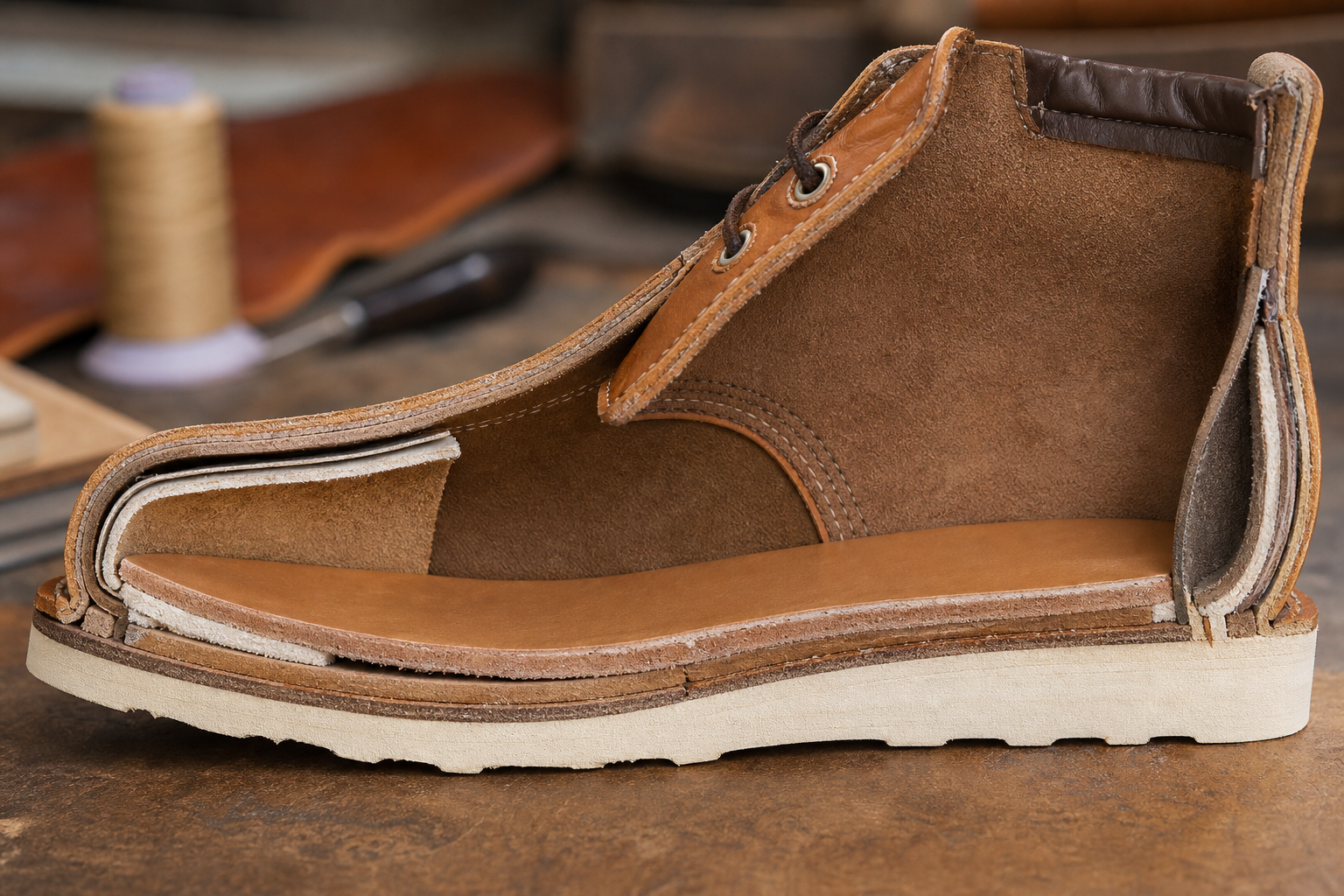
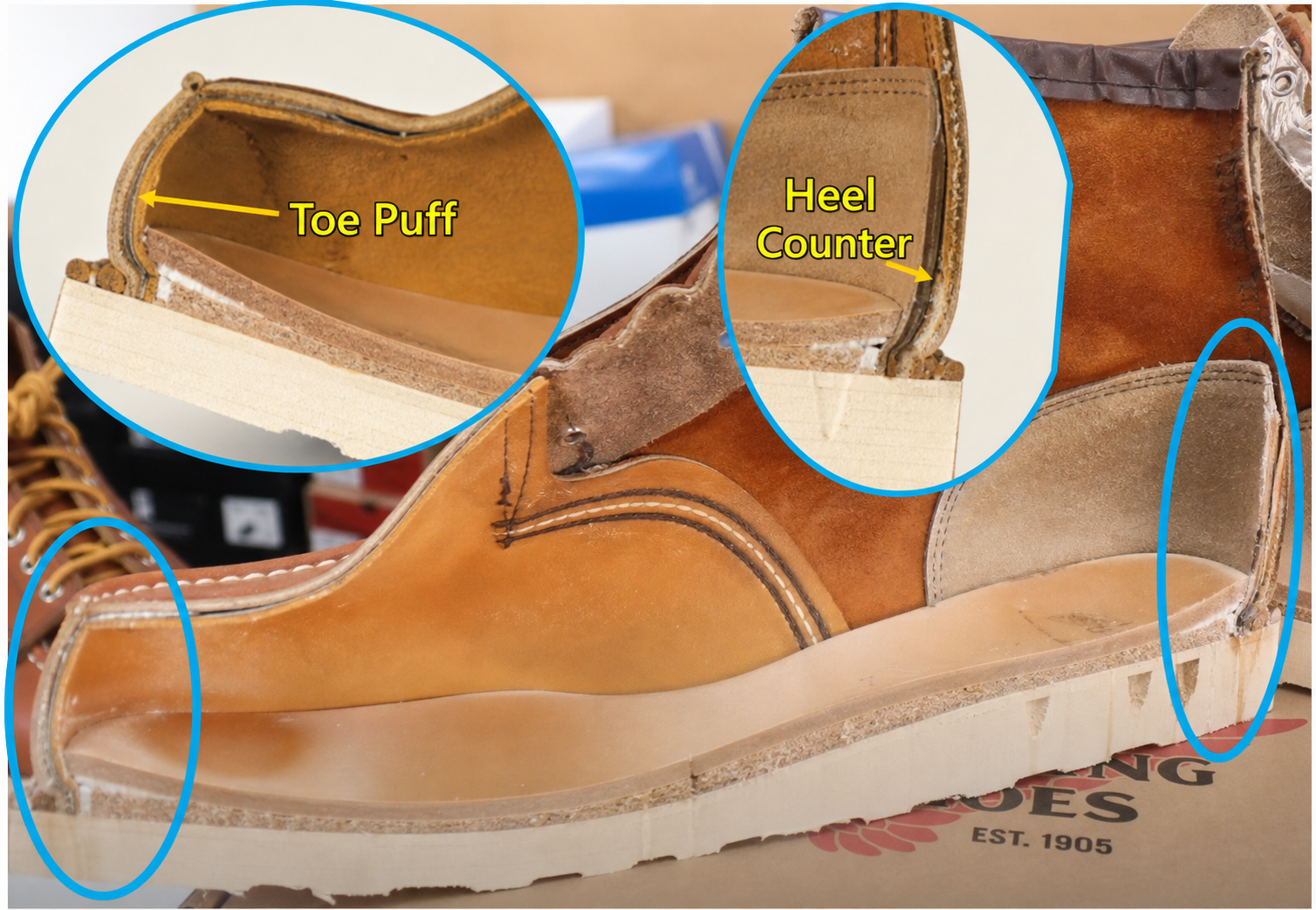
Toe puffs are shoe materials used for shaping and reinforcing the toe and heel.
Depending on their location, they are typically categorized as follows:
Toe Puff
Installed between the inner toe layer and the upper, it supports the toe shape, keeping it full and resilient, preventing collapse and deformation.
Heel Counter
Installed at the heel, it enhances heel support, stabilizes the heel, maintains the shoe's shape, and improves wearing comfort.
Heel counters are typically sandwiched between the upper and lining materials, forming a fixed structure through processes such as heating and pressing.
Main Functions of Heel Counters
Maintaining Shoe Shape
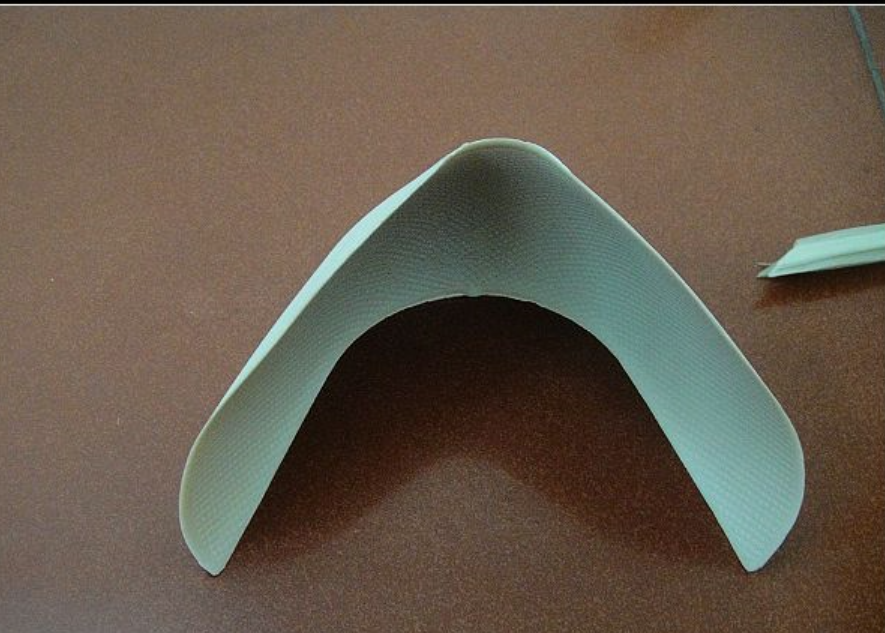
Heel counters effectively maintain the shoe's three-dimensional contours.
Especially for athletic shoes, business dress shoes, and work shoes, without heel counter support, the toe and heel are prone to collapse and deformation, severely affecting product quality and appearance.
2. Enhancing Support
Heel counters wrap around and stabilize the heel area, reducing foot movement and improving stability.
This is particularly important for functional footwear such as running shoes, hiking boots, and safety shoes.
3. Improving Durability
Heel counters reduce damage caused by repeated bending of the upper material, extending the shoe's lifespan.
4. Enhancing Product Quality
High-quality heel counters make the toe box fuller and the heel more upright, thereby improving the overall appearance and market competitiveness of the shoe.
Main Materials for Toe Puffs & Counters
With the development of shoemaking technology, toe puff materials have also been continuously upgraded. Currently, the main types on the market include:
TPU Hot Melt Toe Puff & Counter
Currently the most widely used product.
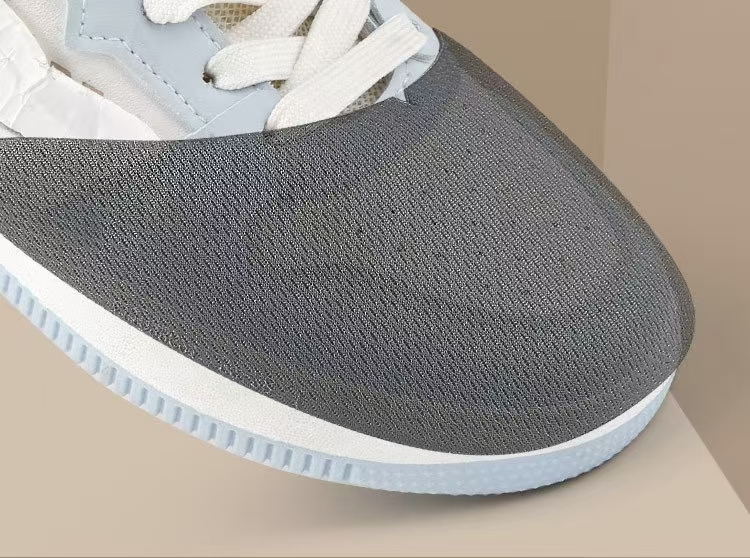
Chemical Sheet Toe Puff
One of the traditional toe puff materials.
Features:
* High hardness
* Stable molding
* Relatively low cost
Mainly used in:
* Leather shoes
* Work shoes
Safety shoes
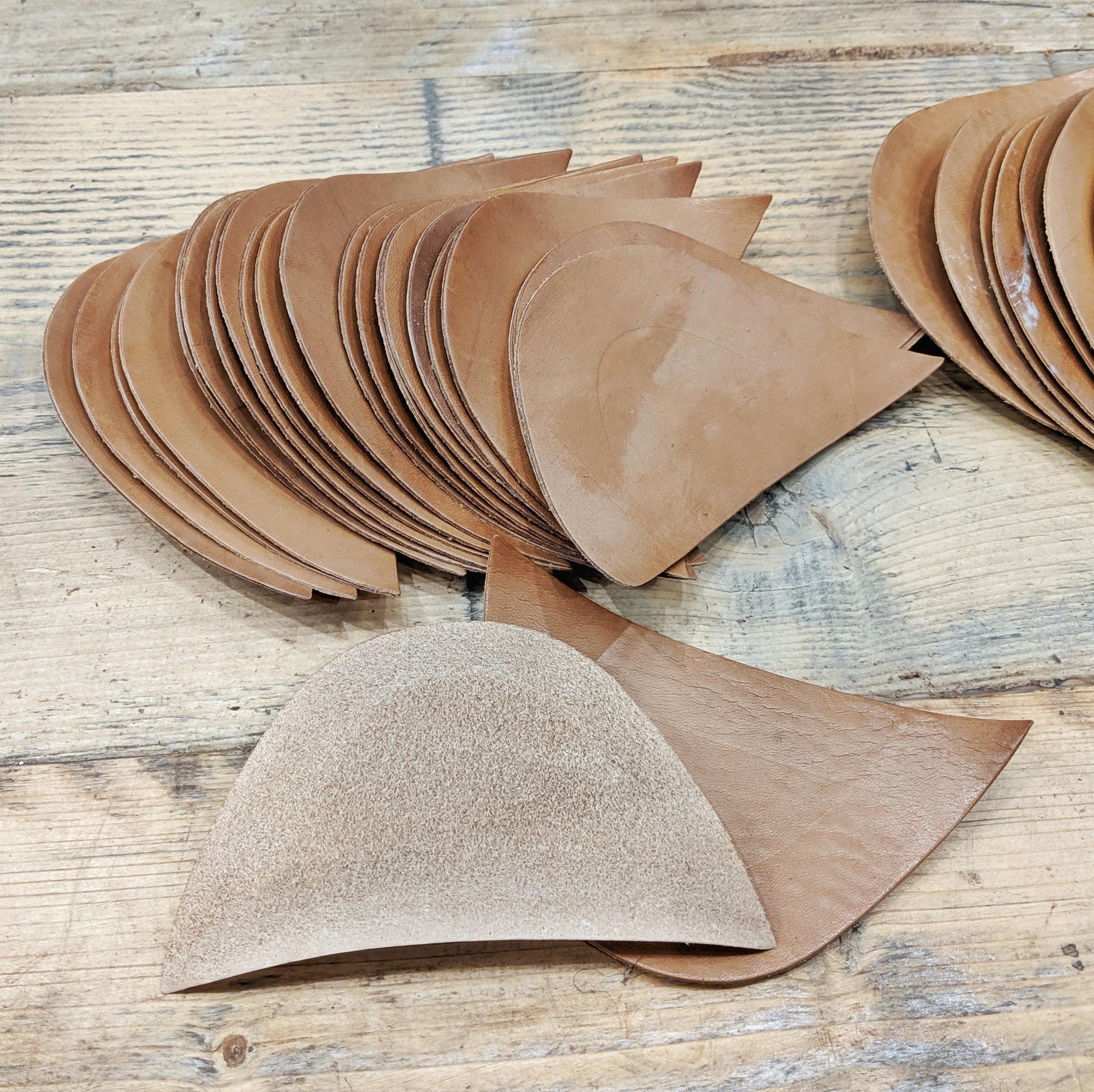
This is the earliest insole material used in shoes, made primarily of cowhide midsole leather, processed using a water-soaking softening process. Leather-based insole material is flexible, breathable, and has an excellent fit. After shaping, it has a natural feel and is not prone to hardening or causing discomfort, making it suitable for high-end handcrafted leather shoes, genuine leather dress shoes, and other high-quality footwear. However, its manufacturing process is complex, costly, and slow, and it has poor adaptability to automated production. Currently, it is only used in a niche high-end custom shoe market.
Production Process of Hong Kong-style heel counters
A typical Hong Kong-style heel counter production process includes:
1. Raw material proportioning
2. Coating and laminating
3. Drying and shaping
4. Calendering
5. Slitting
6. Die-cutting
7. Quality inspection
8. Packaging and shipping
According to different shoe types, the following can also be adjusted:
* Thickness
* Hardness
* Hot melt temperature
* Rebound performance
* Environmental protection level
Common Thicknesses of Hong Kong-style Heel Counters
| Product Type | Common Thickness |
| Sports Shoes | 0.8-1.2mm |
| Casual Shoes | 1.0-1.5mm |
| Leather Shoes | 1.2-2.0mm |
| Safety Shoes | 1.5-2.5mm |
| Boots | 1.5-3.0mm |
When choosing a backfill material, consider the following:
* Shoe type
* Upper material
* Manufacturing process
* Usage environment
* Cost budget
For example:
* Lightweight athletic shoes should prioritize TPU or microfiber backfill materials;
* Safety shoes should prioritize high-hardness heat-fused backfill materials;
* Business leather shoes are more suitable for chemical-based backfill materials.
Industry Development Trends
As the global footwear industry moves towards lightweight, environmentally friendly, and intelligent manufacturing, backfill materials are also constantly upgrading:
* Solvent-free environmentally friendly backfill materials
* Recyclable TPU backfill materials
* Bio-based backfill materials
* Ultra-lightweight backfill materials
* High-elasticity memory backfill materials
In the future, environmental protection, high performance, and sustainable development will become important development directions for the backfill material industry.
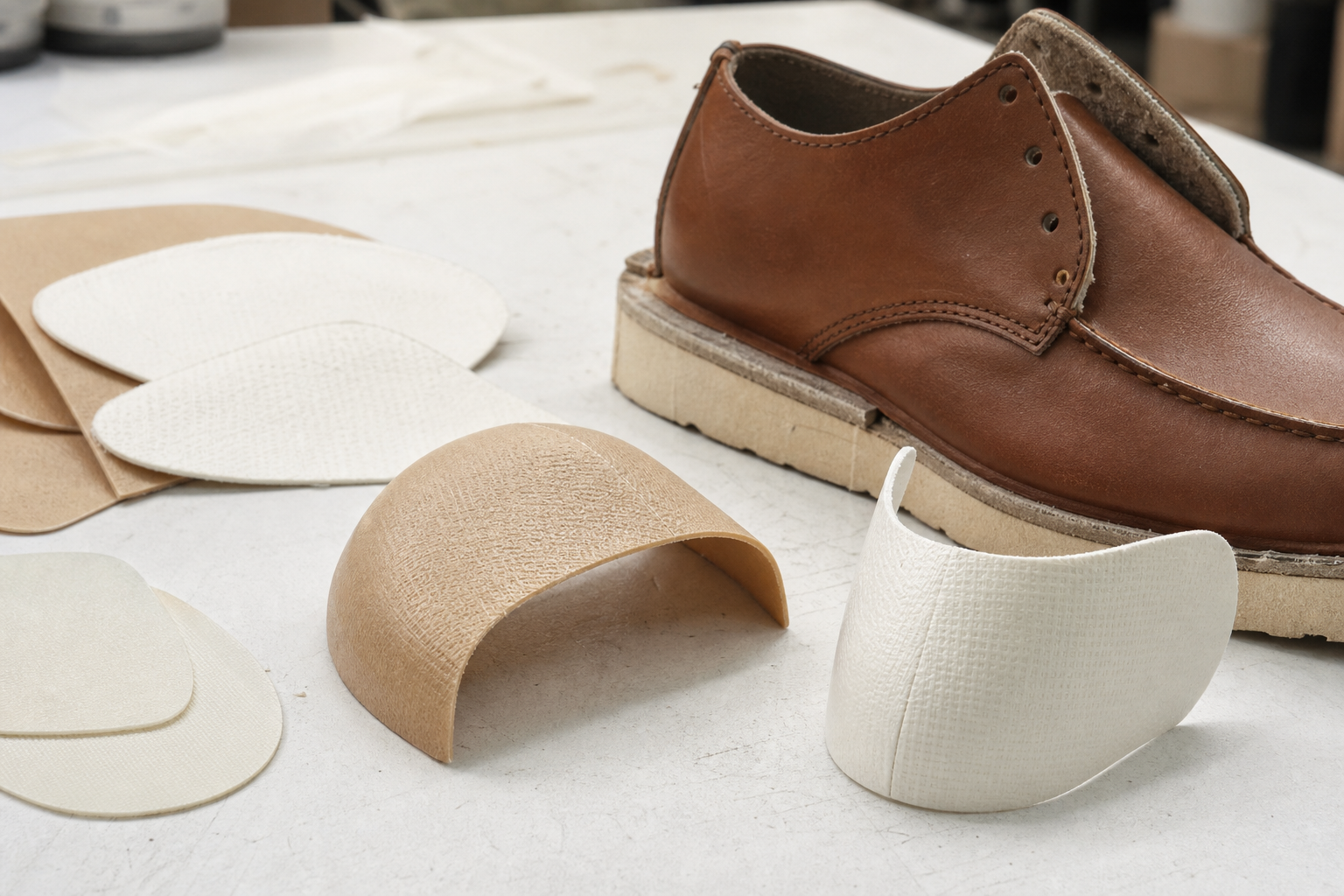
Although small, backfill materials are a crucial core component that determines the quality of footwear. From toe shaping to heel support, from enhanced comfort to extended product lifespan, toe pads play an irreplaceable role in the modern footwear industry. With the development of new materials and processes, high-performance, environmentally friendly toe pads are becoming a new trend in the global footwear market, bringing higher quality and stronger competitiveness to footwear products.
Q1: What are toe puffs and heel counters in shoemaking?
Toe puffs and heel counters are internal reinforcing components placed between the upper and the lining. Toe puffs are located at the front of the shoe to maintain toe shape and prevent collapse, while heel counters are positioned at the heel to provide support, stability, and help maintain the shoe's overall structure.
Q2: Why are toe puffs and heel counters important if they are not visible to consumers?
Although hidden inside the shoe, they directly determine the shoe's shape retention, comfort, and durability. Without proper toe puffs and heel counters, the toe box and heel area are prone to deformation, which negatively affects both appearance and long-term wearability.
Q3: What are the main functions of heel counters?
Heel counters serve four key functions:
Maintaining shoe shape – Preserve the three-dimensional contours, especially in athletic shoes, dress shoes, and work boots.
Enhancing support – Wrap and stabilize the heel area, reduce foot movement, and improve stability.
Improving durability – Reduce upper material damage from repeated bending and extend shoe lifespan.
Enhancing product quality – Create a fuller toe box and more upright heel, improving overall appearance and market competitiveness.
Q4: What materials are commonly used for toe puffs and heel counters?
The most widely used material today is TPU (Thermoplastic Polyurethane) hot melt toe puffs and counters. Other traditional materials may include various thermoplastics and fabric-reinforced composites, but TPU hot melt products have become the industry standard due to their excellent balance of stiffness, flexibility, and processability.
Q5: How are toe puffs and heel counters installed in shoes?
They are typically sandwiched between the upper and the lining materials, then formed into a fixed structure through heating and pressing processes. This ensures they conform precisely to the shoe's shape and provide consistent reinforcement.
Q6: What types of shoes require toe puffs and heel counters?
Nearly all types of footwear benefit from them, including:
Athletic shoes and running shoes
Casual shoes
Work shoes and safety footwear
Dress shoes and formal footwear
Boots
Functional footwear such as hiking boots and safety shoes especially rely on heel counters for added stability and protection.
Q7: How do toe puffs and heel counters affect consumer comfort?
Heel counters stabilize the heel, reducing unwanted foot movement and friction inside the shoe. Toe puffs keep the toe box structured, preventing the upper from pressing down on the toes. Together, they contribute to a more secure, comfortable fit over extended wear.
Q8: What is the market trend for toe puff and counter materials?
With increasing demand for lightweight, durable, and high-performance footwear, TPU hot melt materials are becoming the preferred choice. They offer superior bonding strength, heat resistance, and processing efficiency, making them ideal for modern automated shoemaking production lines.
Q9: Can poor-quality toe puffs or heel counters cause issues?
Yes. Low-quality or improperly installed toe puffs and heel counters can lead to:
Toe box collapse or flattening
Heel instability and slippage
Premature upper wrinkling or cracking
Reduced shoe lifespan
Uncomfortable fit and blisters
Q10: What should footwear brands consider when selecting toe puff and counter materials?
Brands should evaluate:
Material stiffness and flexibility balance
Heat resistance and bonding performance
Compatibility with upper and lining materials
Processing requirements (temperature, pressure, cycle time)
Long-term shape retention under repeated wear
Cost-effectiveness for mass production


