
Views: 62 Author: Site Editor Publish Time: 2026-07-08 Origin: Site


In footwear development, most brands focus heavily on visible performance factors such as outsole grip, abrasion resistance, and overall appearance.
However, one technical property is becoming increasingly important in 2026, especially for comfort footwear, sandals, sports shoes, and recovery footwear:
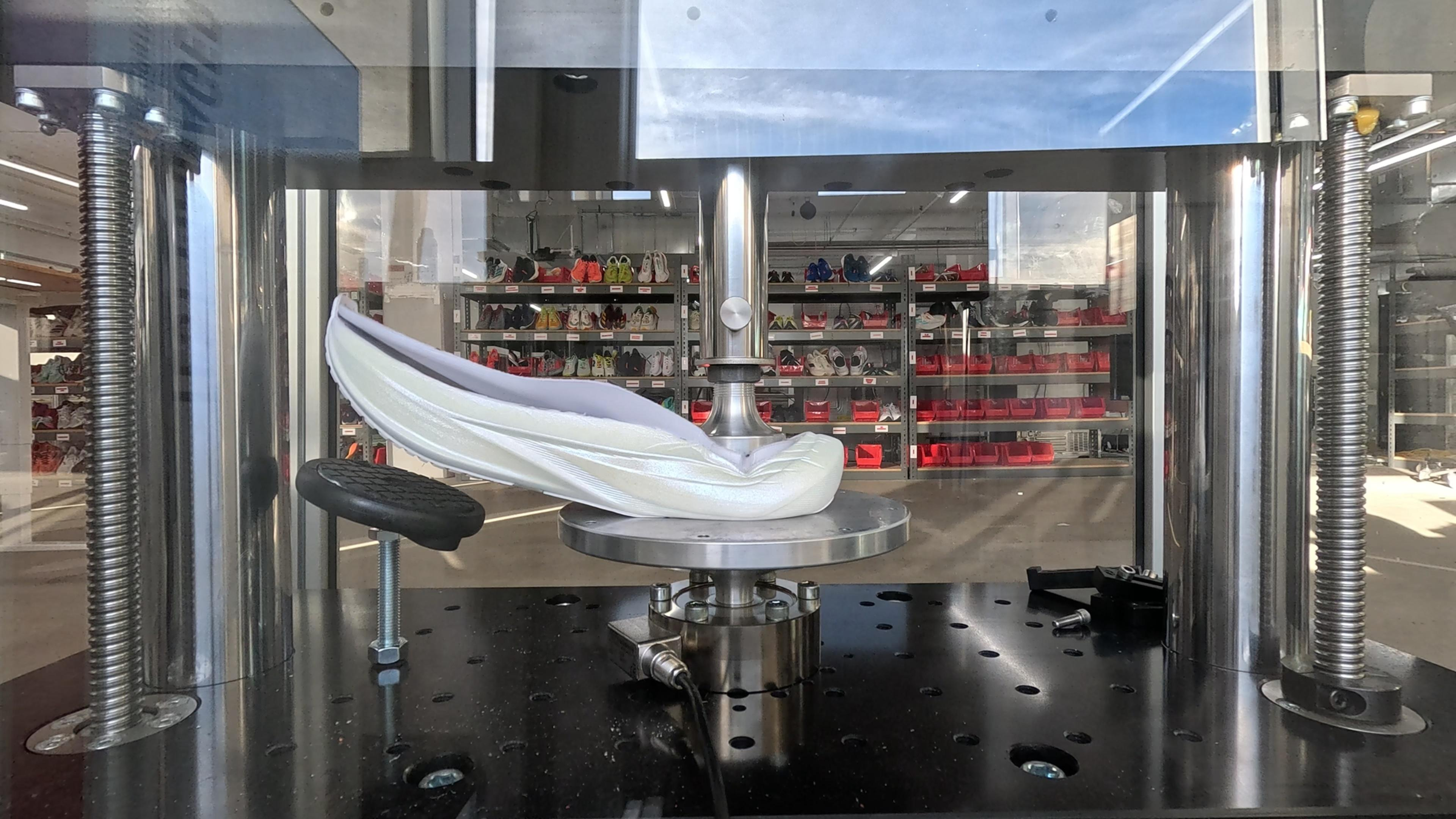
Compression Set Performance.
Simply put, compression set measures how well outsole materials recover after being compressed repeatedly over time.
For footwear brands, poor compression set performance directly affects comfort, durability, and long-term customer satisfaction.
As consumers demand longer-lasting comfort, more brands are making compression set testing a key part of outsole development.
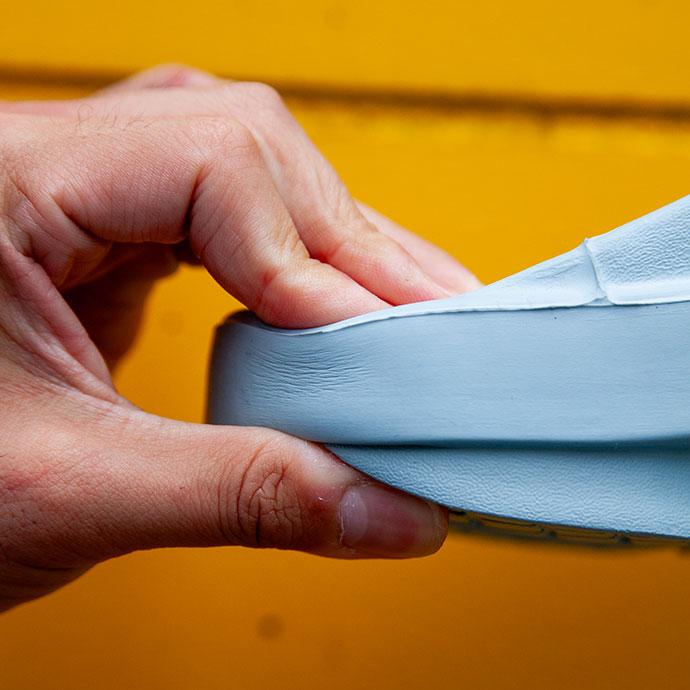
What Is Compression Set?
Compression set refers to the permanent deformation that remains after a material has been compressed under a fixed load for a certain period of time.
In footwear production, this directly determines whether a sole keeps its cushioning performance after months of use. If compression set performance is poor, users often experience:
Cushioning loss
Sole collapse
Reduced rebound performance
Uneven foot pressure distribution
Faster product aging
This is especially critical for comfort footwear.
Why It Matters More in 2026
According to Grand View Research, the global comfort footwear market is projected to exceed USD 58 billion by 2030, driven by increasing consumer demand for ergonomic and recovery-focused products.
At the same time, the recovery sandal market has grown rapidly over the last three years.
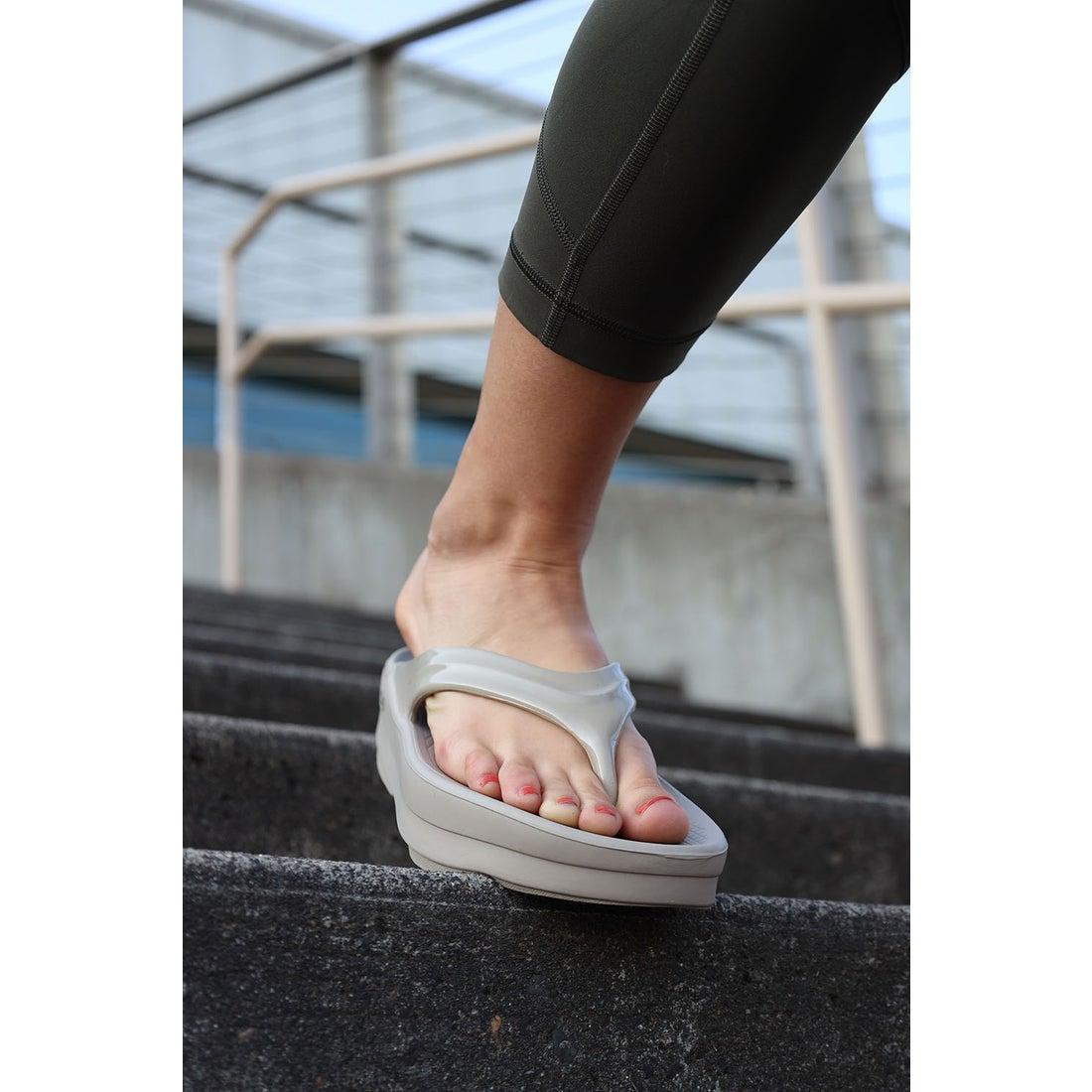
Products such as post-workout slides and comfort sandals require consistent cushioning performance over long periods of use.
Brands can no longer focus only on appearance.
Long-term comfort retention has become equally important.
Industry Compression Set Benchmarks
Compression set is typically tested according to ASTM D395 or ISO 815 standards.
Typical benchmark results:
Standard EVA material → 25% – 40% permanent deformation
High-performance EVA foam → 15% – 22%
PU comfort sole → 10% – 18%
High-quality rubber compound → 8% – 15%
Lower percentages indicate better recovery performance.
For premium comfort footwear, many brands now require compression set performance below 20%.
Why Material Formula Changes Everything
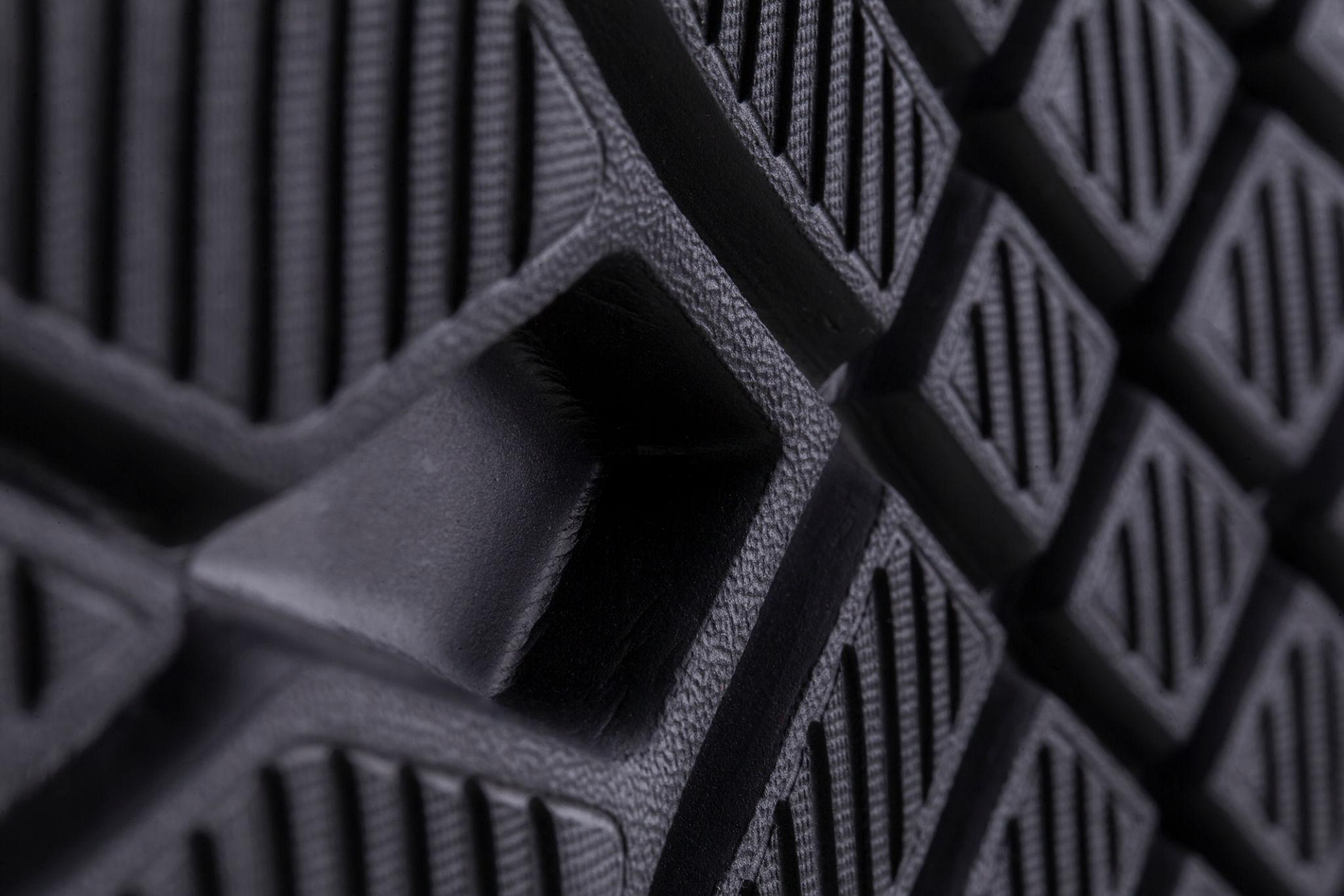
Compression set performance depends heavily on compound engineering.
Critical factors include:
Polymer structure
Foaming ratio
Vulcanization process
Density consistency
Crosslinking strength
Poor formulation often causes early sole collapse after repeated walking pressure. This becomes one of the main reasons consumers complain that shoes “feel different after several months.”
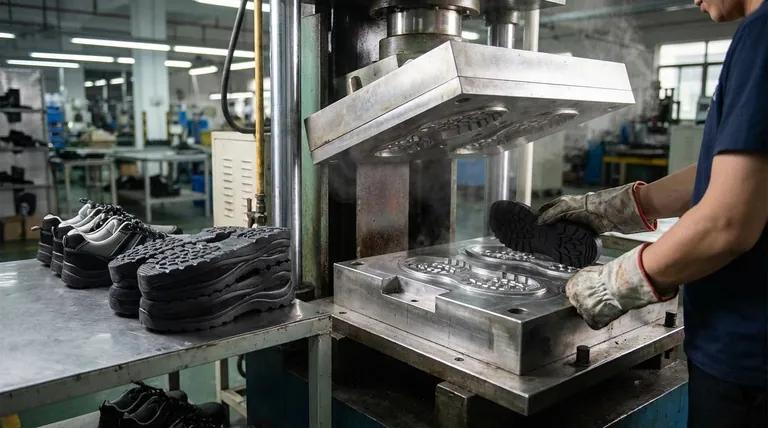
Why Testing Should Happen Before Mass Production
Many footwear factories only focus on hardness and abrasion testing.
But compression set performance often becomes visible only after long-term wear.
Professional outsole development should include:
Compression Set Testing
Rebound Testing
Hardness Stability Testing
Fatigue Resistance Evaluation
At our factory, outsole development focuses not only on appearance and durability, but also on long-term comfort performance.
Because great footwear should feel comfortable not only on day one — but after thousands of steps.
Frequently Asked Questions
Q1: What is a good compression set result for footwear soles?
Generally below 20% is considered strong long-term performance.
Q2: Does softer material automatically improve comfort retention?
Not always. Softer materials often deform faster if formulation is not optimized.
Q3: Why is compression set important for sandals and sports footwear?
Because repeated foot pressure directly affects cushioning retention and long-term comfort.


