
Views: 42 Author: Site Editor Publish Time: 2026-06-17 Origin: Site


Over the past two years, one major change has been happening quietly across the global footwear market: casual shoes are becoming lighter, softer, and more comfort-focused than ever before. From premium leather sneakers to modern loafers and lifestyle footwear, more brands are shifting toward hybrid sole constructions that combine lightweight EVA materials with durable rubber components.
This is no longer only a sports footwear trend. It is becoming the new standard for everyday casual shoes. For outsole manufacturers and footwear brands, understanding this shift is becoming increasingly important.
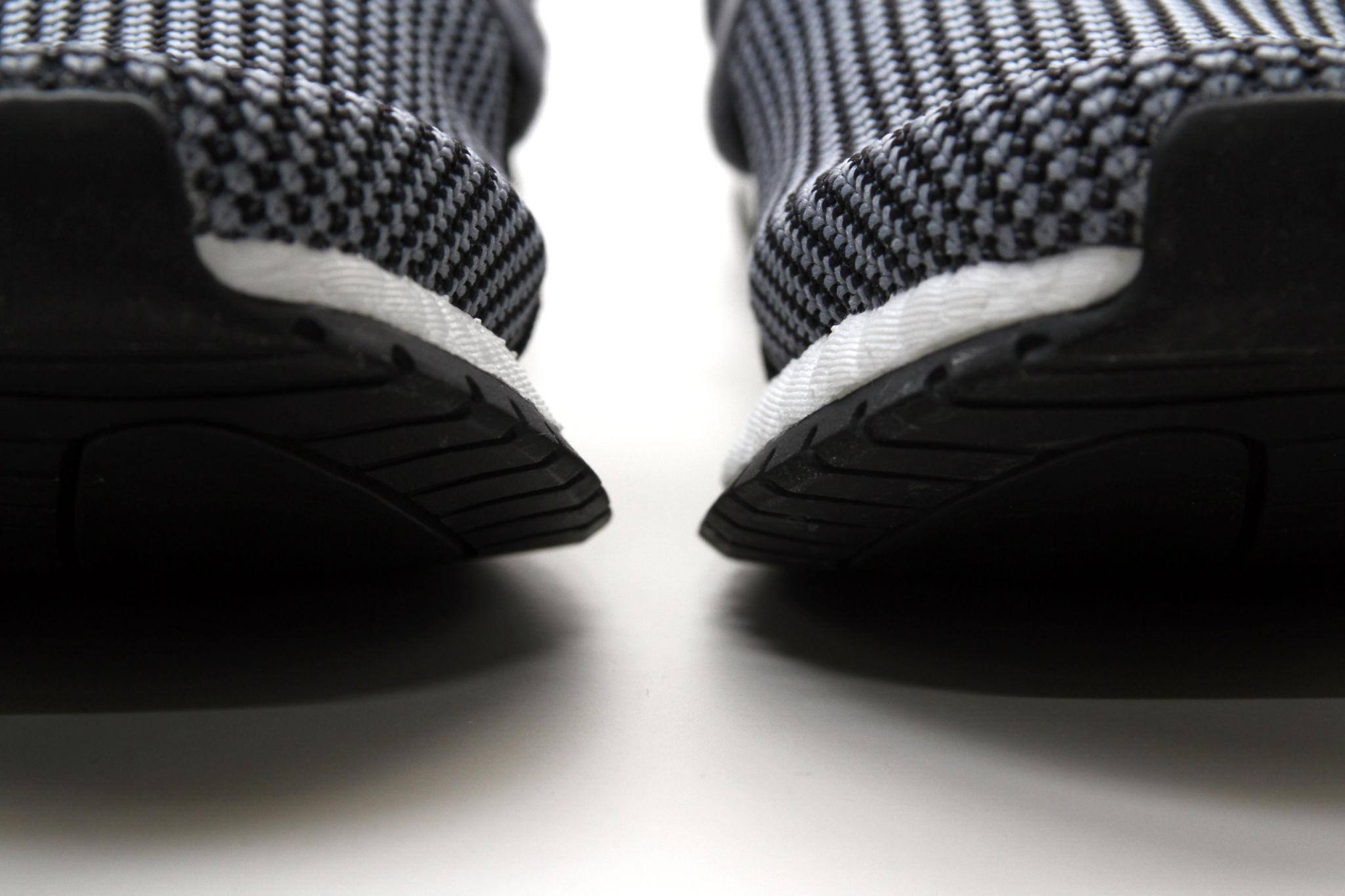
Consumers Now Prioritize Comfort Over Heavy Construction
The post-pandemic footwear market has changed significantly. Consumers are no longer willing to sacrifice comfort for appearance.
According to recent footwear industry reports, comfort-focused footwear remains one of the fastest-growing segments in 2025, especially in casual and lifestyle categories.
This trend is strongly influencing outsole development. Traditional heavy rubber constructions are gradually being replaced by:
EVA-rubber hybrid soles
Lightweight foam midsoles
Flexible outsole structures
Multi-density bottom constructions
Consumers now expect shoes to feel lighter during long walking hours while still maintaining a premium appearance.
Why Hybrid Soles Are Growing So Fast
The reason hybrid soles are becoming popular is simple: they solve multiple problems at the same time.
A full rubber outsole provides durability and grip, but it often adds weight.
A full EVA outsole is lightweight and comfortable, but sometimes lacks abrasion resistance and long-term stability.
Hybrid constructions combine the advantages of both materials:
EVA reduces overall weight
Rubber improves grip and durability
Multi-layer construction improves comfort
Flexible structures create better walking performance
According to market research, the global footwear sole material market reached approximately USD 32.8 billion in 2025, with lightweight EVA and advanced foam materials becoming one of the fastest-growing categories.
This explains why more brands are redesigning outsole structures instead of simply changing upper materials.
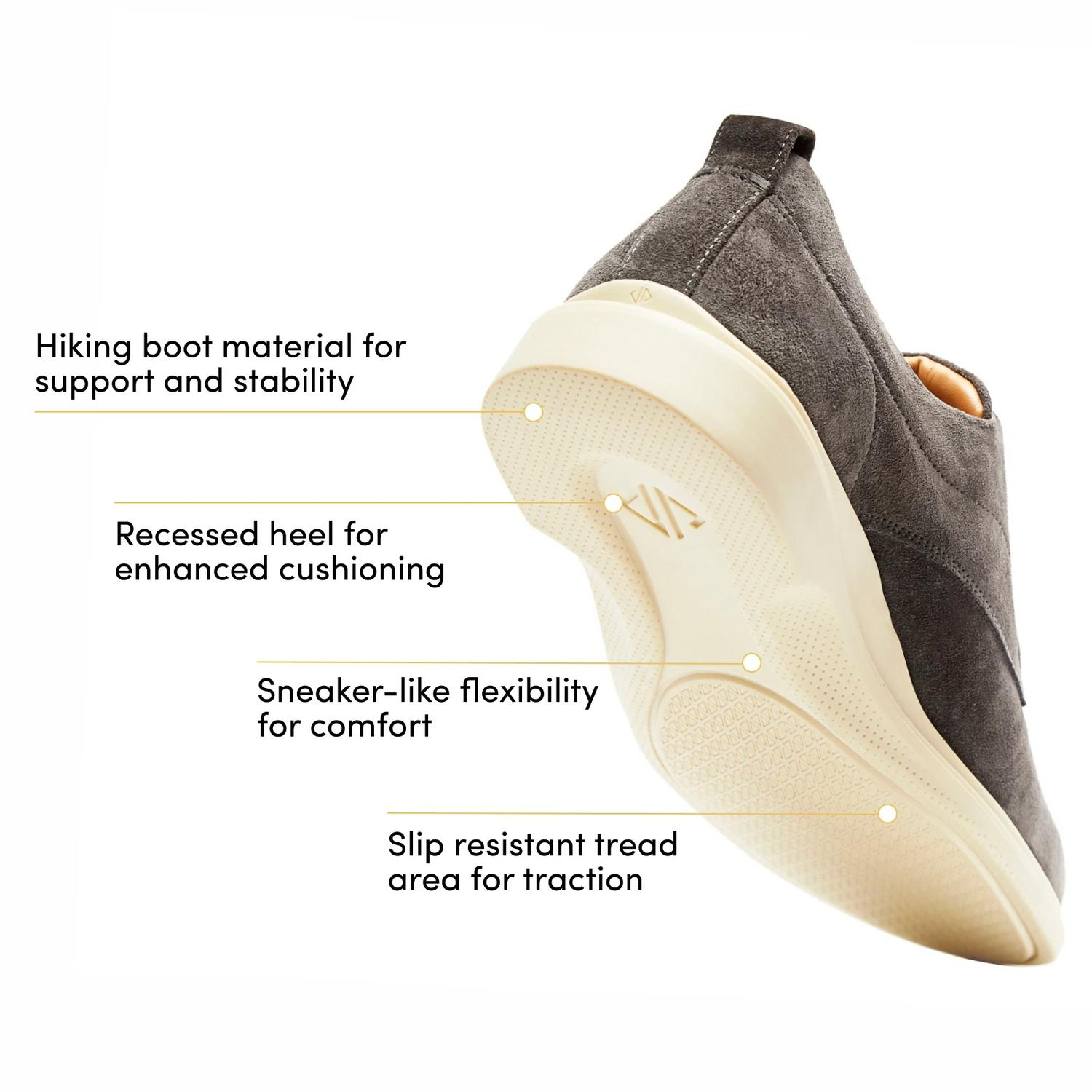
Minimalist Luxury Is Driving Sole Design
Another important reason behind this trend is the rise of “minimalist luxury” footwear. Today’s consumers increasingly prefer:
clean silhouettes,
soft neutral colors,
refined textures,
and lightweight wearing experiences.
Heavy, oversized outsoles are gradually losing popularity in many casual footwear categories. Instead, brands are choosing:
slim sidewall designs,
hidden functional structures,
cleaner tread layouts,
and lightweight compound combinations.
This design direction is especially strong in:
Italian-inspired casual footwear,
premium lifestyle sneakers,
luxury loafers,
and smart casual collections.
Interestingly, many outsole buyers now request “lightweight feeling” even before discussing outsole appearance.
Sustainability Is Also Influencing Material Choices
Sustainability is becoming another major factor. Recent footwear material surveys show growing interest in:
recycled EVA,
bio-based polymers,
and lower-carbon outsole materials.
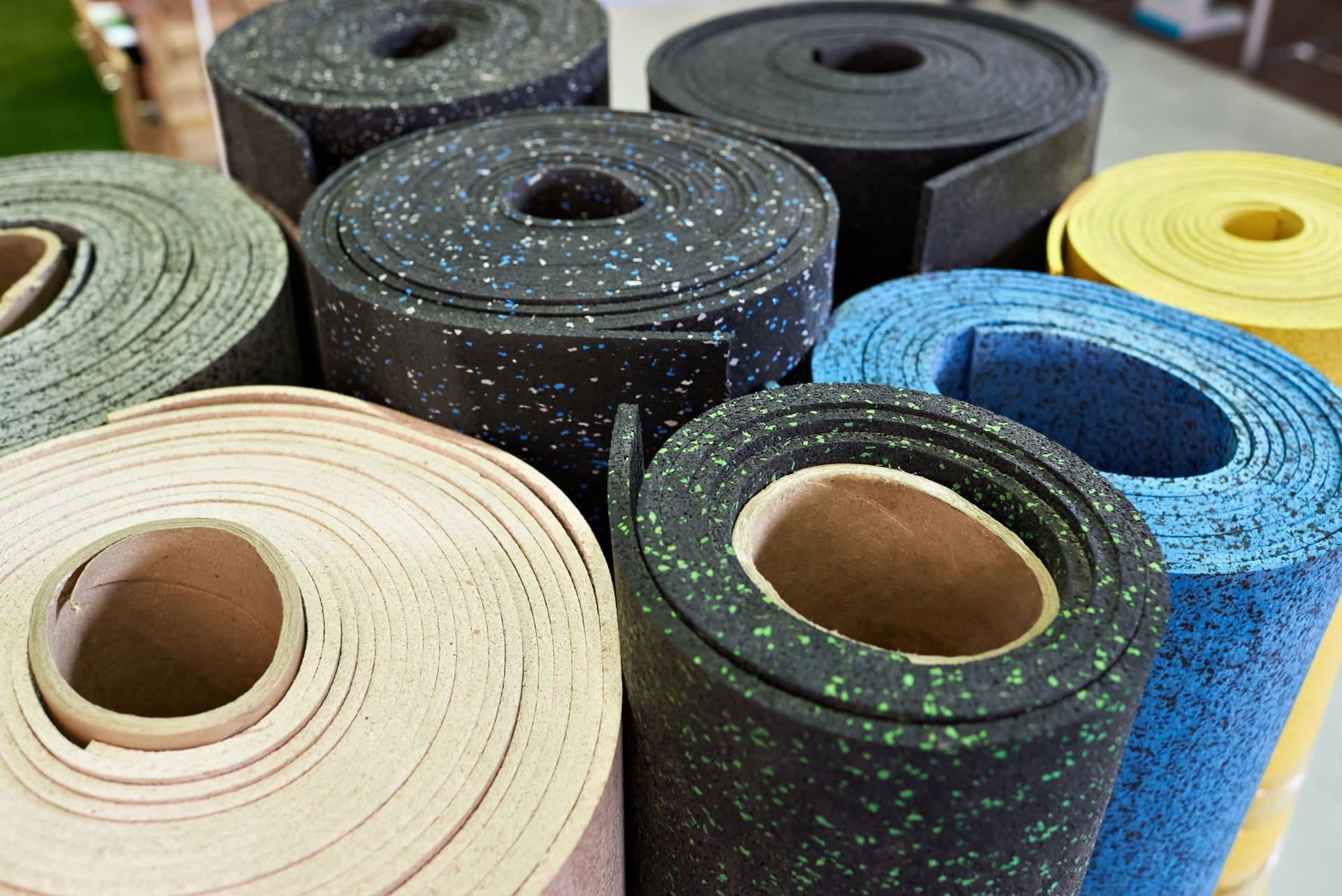
Some new EVA developments can reduce carbon footprint by up to 45% compared with traditional fossil-based materials.
At the same time, recycled EVA technologies are improving mechanical performance and shock absorption capabilities. For many brands, lightweight hybrid soles now represent both comfort innovation and sustainability positioning.
Outsole Pattern Design Is Also Changing
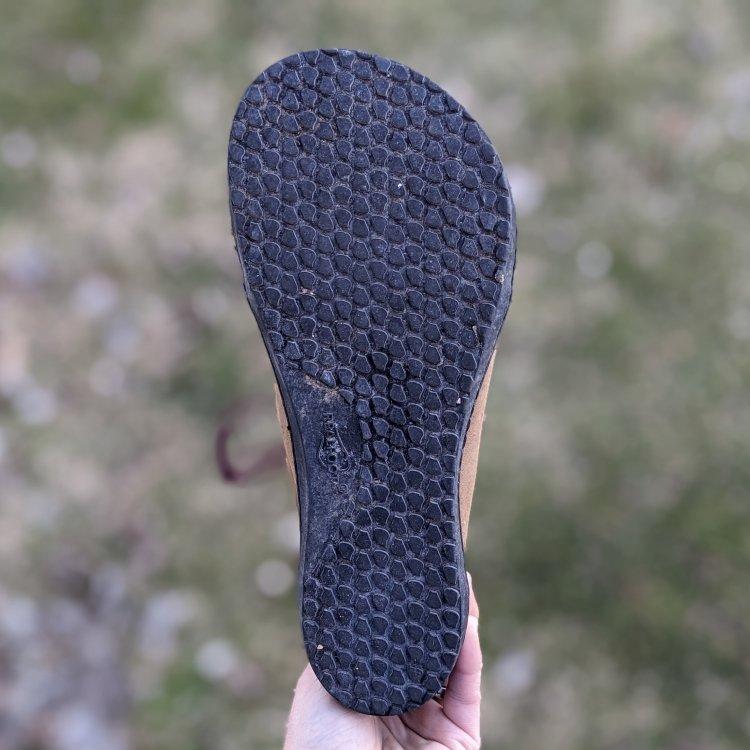
Modern lightweight soles are not only about materials. Tread pattern design is evolving as well. Instead of aggressive outdoor-style patterns, many brands now prefer:
geometric textures,
clean wave structures,
minimalist grip layouts,
and luxury-inspired bottom designs.
The goal is no longer “technical appearance.” The goal is “premium comfort aesthetics.”
This is especially true in Europe and South America, where buyers increasingly request elegant outsole patterns with hidden functionality.
The Future of Casual Footwear Is Lightweight
The footwear industry is clearly moving toward lighter,cleaner,more versatile outsole constructions. Consumers want shoes that can:
work all day,
match multiple outfits,
feel comfortable,
and still look premium.
For outsole manufacturers, this means future competitiveness will depend not only on molding capability, but also on:
lightweight engineering,
compound optimization,
hybrid construction development,
and modern tread aesthetics.
At Huadong Soles, we continue seeing increasing demand for lightweight hybrid outsole developments from customers across Europe, South America, and Southeast Asia. The next generation of casual footwear may not look dramatically different -but it will definitely feel much lighter.
FAQ
Q1: Why are hybrid soles becoming popular?
Because they combine lightweight comfort from EVA with the durability and grip of rubber materials.
Q2: Are lightweight soles durable enough for casual footwear?
Yes. Modern hybrid constructions can achieve both comfort and long-lasting wear performance.
Q3: Which footwear categories are using hybrid soles most?
Lifestyle sneakers, loafers, smart casual shoes, and lightweight walking footwear are currently the fastest-growing categories.


