
Views: 46 Author: Site Editor Publish Time: 2026-06-17 Origin: Site


When footwear brands evaluate a new outsole, the first discussion is often about material: rubber, TPR, TPU, EVA, or PU.
However, recent research suggests that outsole geometry may have a greater influence on real-world traction than many footwear professionals realize.
For footwear developers, understanding the relationship between tread design, material properties, and friction performance can help create products that are not only attractive but also safer and more durable.
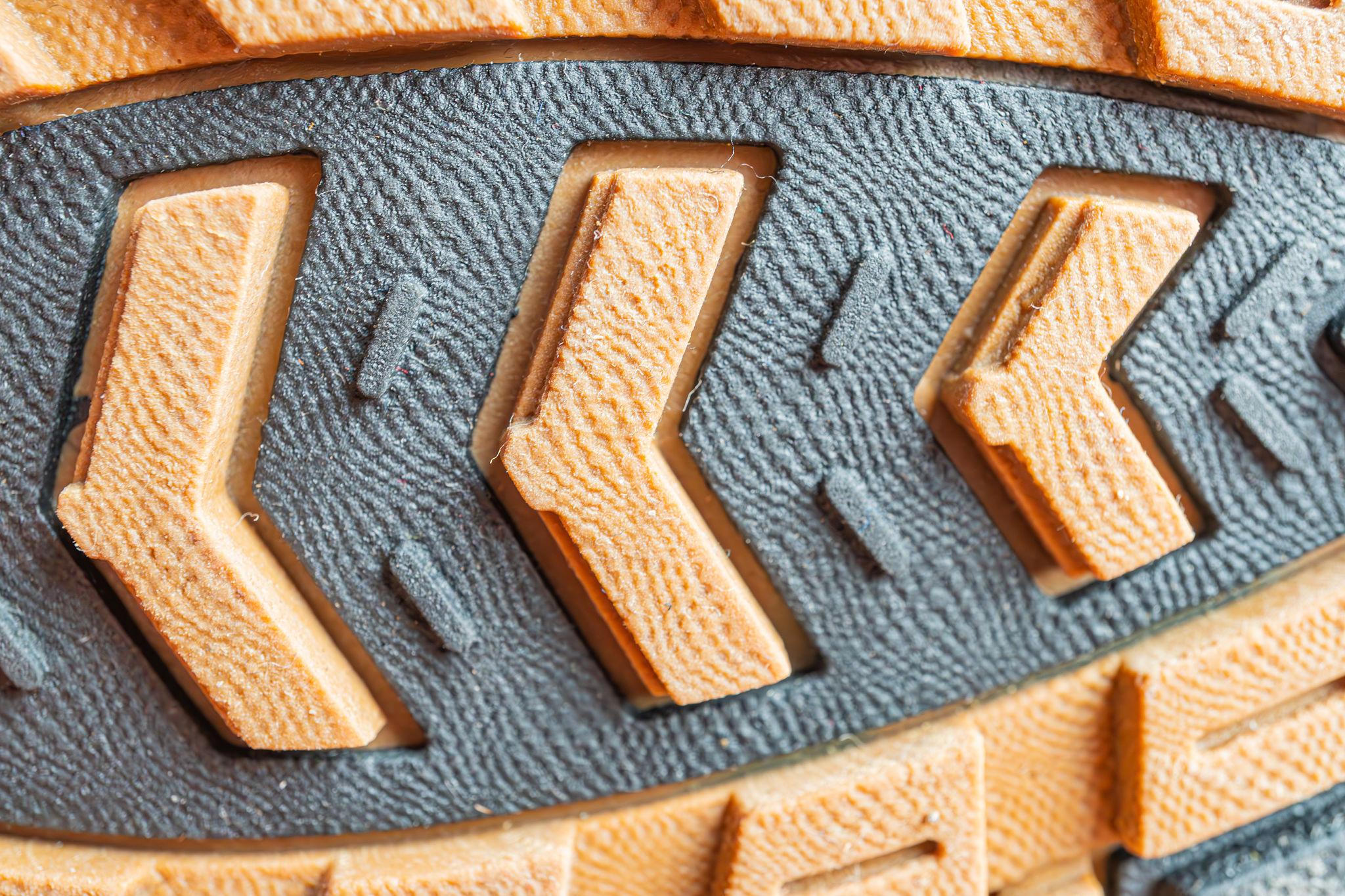
Slip Resistance Starts with Outsole Design
Many buyers assume that choosing a softer rubber compound automatically creates better grip. In reality, outsole performance is determined by the interaction of:
Tread geometry
Contact area
Channel design
Material hardness
Surface conditions
A study conducted by the University of Pittsburgh evaluated dozens of commercial slip-resistant shoes and found that 87% of the variation in available coefficient of friction (ACOF) could be explained by only three outsole parameters: tread surface area, heel geometry, and hardness.
This finding highlights an important fact: The outsole pattern itself is often more critical than simply selecting a different material.
Why Drainage Channels Matter
When walking on wet or contaminated surfaces, liquid trapped between the outsole and the floor acts like a lubricant.
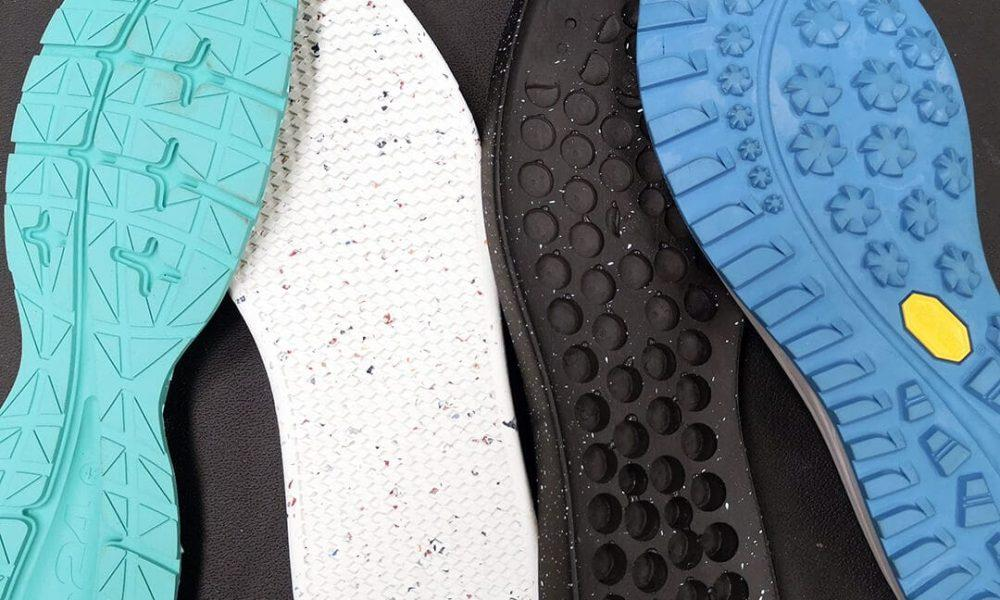
This dramatically reduces friction. The purpose of tread grooves is not only to create visual texture but also to evacuate water, oil, and other contaminants away from the contact zone.
Research in footwear-ground friction shows that properly designed channels significantly improve anti-slip performance by reducing fluid entrapment beneath the shoe.
This is why professional work shoes, restaurant footwear, and industrial safety shoes typically feature deeper and more aggressive tread patterns than fashion footwear.

Material Still Matters-But Not in the Way Many People Think
While tread design is critical, outsole compounds remain important. Recent laboratory testing comparing geometrically identical outsoles manufactured in different materials found significant differences in friction performance.
In contaminated conditions, certain PU compounds achieved 61%–125% higher dynamic coefficient of friction than comparable vulcanized rubber compounds.
This demonstrates that material selection must always be evaluated together with tread geometry.The best outsole is never created by material alone.
It is the combination of:
Compound formulation
Hardness
Pattern layout
Surface texture
that determines final performance.
Durability Is Becoming a Key Selling Point
Consumer expectations have changed dramatically. A shoe is no longer judged solely by appearance. Buyers increasingly expect:
Longer service life
Better abrasion resistance
Consistent grip
Reduced wear patterns
Industry reports indicate that rubber remains the dominant outsole material for heavy-duty footwear, accounting for approximately 39–42% of global outsole material usage because of its superior abrasion resistance and durability.
In demanding environments, vulcanized rubber outsoles can deliver lifespan improvements approaching 35% compared with lower-performance alternatives.
For brands targeting outdoor, workwear, or comfort categories, outsole durability has become a major purchasing factor.
The Future of Outsole Development
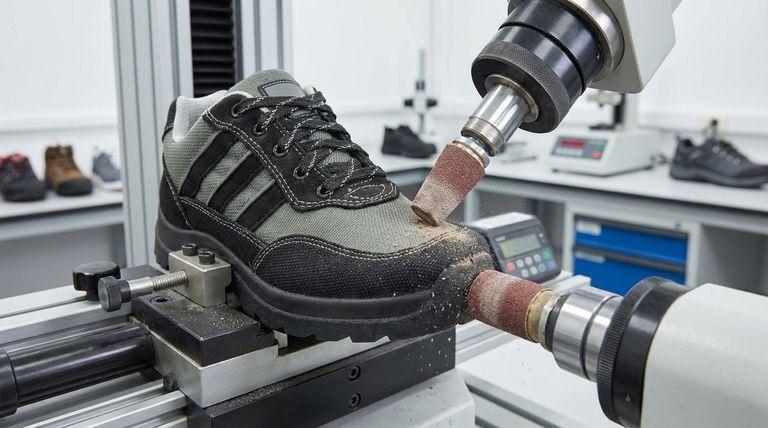
Modern outsole engineering is moving toward a more balanced approach. Rather than maximizing one property, footwear developers are seeking the best combination of:
Slip resistance
Abrasion resistance
Weight reduction
Flexibility
Sustainability
Recent outsole compound research shows that silica-enhanced rubber formulations can improve wet-surface traction while simultaneously increasing wear resistance compared with traditional carbon-black compounds.
As footwear brands continue to compete on comfort and performance, outsole design is becoming a strategic product differentiator rather than a simple component.
What Footwear Brands Should Ask Before Selecting an Outsole
Before approving a new outsole design, consider these questions:
1. Does the tread pattern provide sufficient drainage channels for wet conditions?
2. Is the outsole hardness optimized for the intended use environment?
3. Has the outsole been evaluated for both abrasion resistance and slip resistance?
4. Does the design balance durability, weight, and aesthetics?
The answers to these questions often have a greater impact on consumer satisfaction than minor changes in upper materials or colorways.
Frequently Asked Questions
Q1: Is rubber always more slip-resistant than TPR or PU?
Not necessarily. Research shows outsole geometry and compound formulation often influence friction performance more than material category alone.
Q2: What is the most important factor in outsole traction?
Studies indicate tread surface area, heel shape, and hardness are among the strongest predictors of slip resistance.
Q3: Why do some premium brands invest heavily in outsole development?
Because outsole performance directly affects grip, durability, comfort, and consumer satisfaction, making it one of the most important components of footwear design.


