
Views: 30 Author: Site Editor Publish Time: 2026-08-15 Origin: Site


In recent years, the global footwear market has experienced a significant shift in consumer preferences. Comfort, convenience, and versatile design have become the key factors influencing purchasing decisions. Among different footwear categories, slip-on shoes have gained remarkable popularity worldwide due to their easy-wearing structure, lightweight construction, and suitability for multiple lifestyles.
According to market research data, the global footwear market is expected to continue growing steadily, with the casual footwear segment becoming one of the fastest-growing categories. The increasing demand for comfortable daily footwear, especially among younger consumers and working professionals, has accelerated the development of slip-on shoes across Europe, North America, and emerging markets.
Unlike traditional lace-up shoes, slip-on footwear eliminates complicated fastening systems while maintaining fashionable designs. This makes them highly attractive for consumers who prioritize efficiency and comfort in their daily lives.
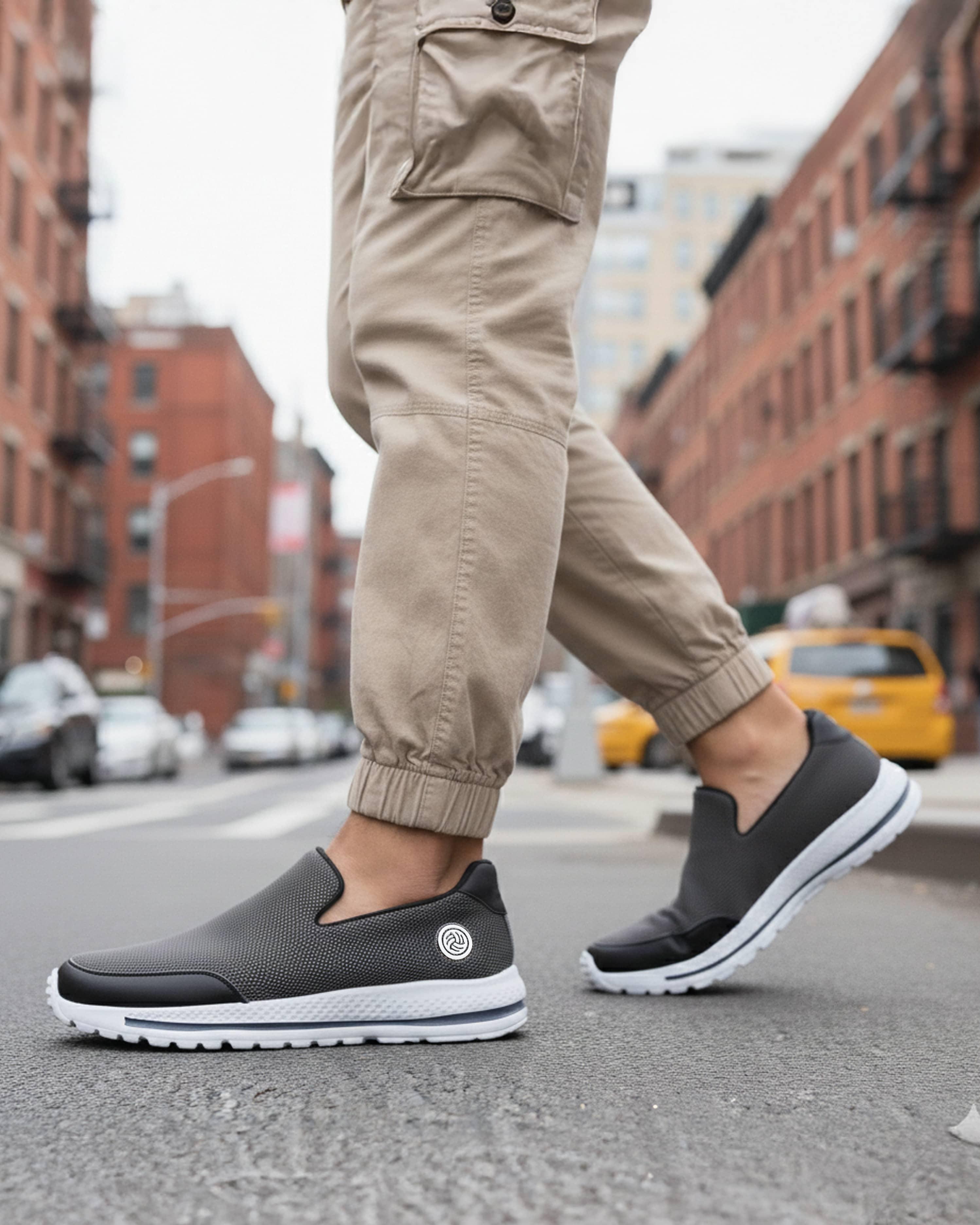
The popularity of slip-on shoes is closely connected with several global lifestyle trends.
Firstly, consumers are increasingly looking for “easy wear” footwear solutions. After the pandemic, comfort-oriented consumption has become a long-term trend. Many customers prefer shoes that can be quickly put on and removed without sacrificing appearance.
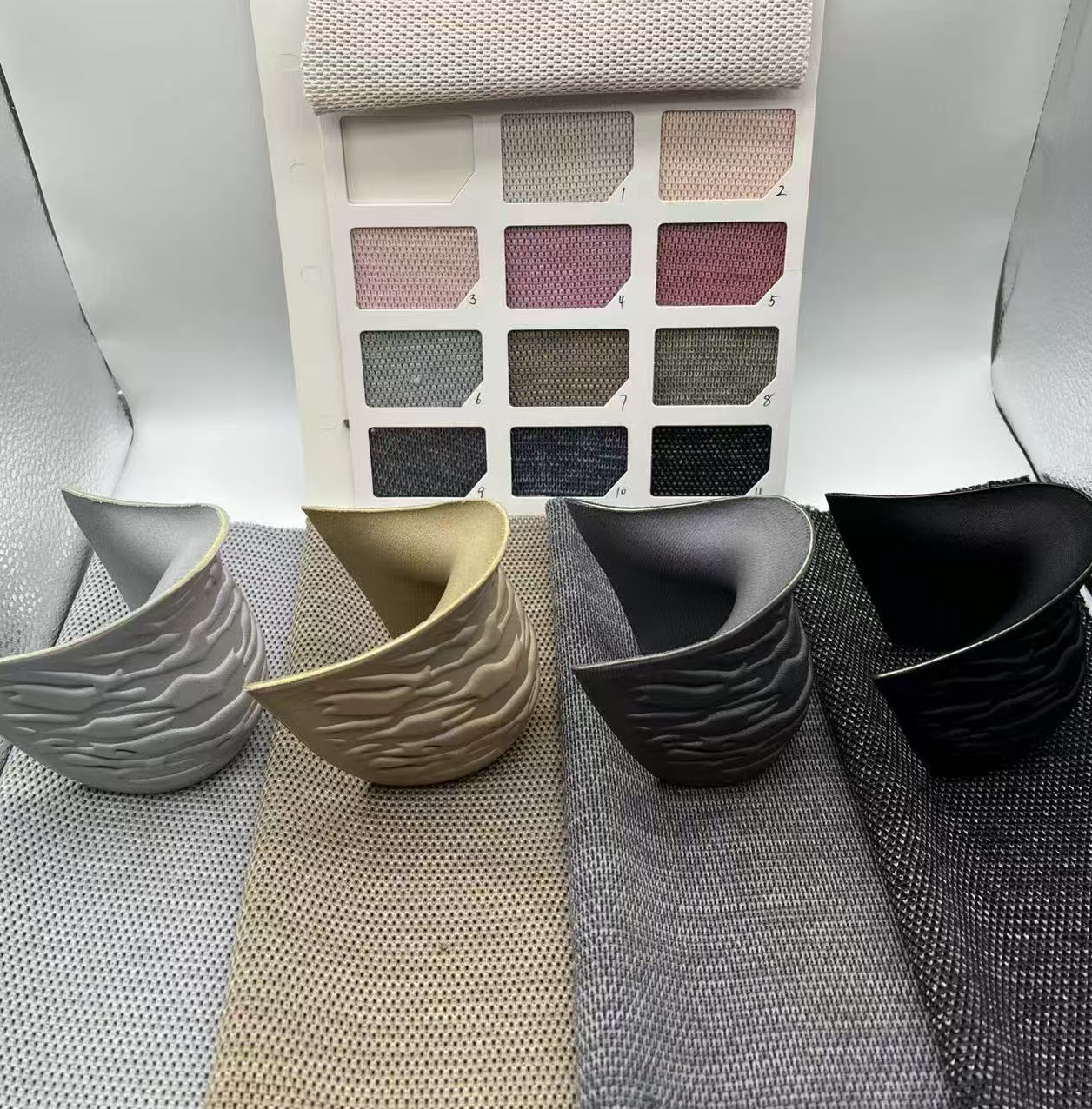
Secondly, the rise of casual workplaces has expanded the application scenarios of slip-on shoes. Modern consumers often require footwear that can transition between commuting, travel, shopping, and daily activities.
Thirdly, technological improvements in footwear materials have allowed manufacturers to create slip-on shoes with better support, flexibility, and durability. Advanced outsole materials such as EVA, TPR, rubber, and lightweight PU provide improved cushioning and wearing performance.
The Importance of Sole Design in Slip-On Shoe Development
Although slip-on shoes appear simple in structure, outsole development plays a critical role in their performance.
Because slip-on shoes usually have fewer upper reinforcement structures compared with traditional footwear, the outsole must provide sufficient:
Flexibility for natural walking movement
Stability to prevent foot sliding
Lightweight performance for long-term comfort
Durability for daily usage
For this reason, professional outsole development requires careful consideration of material selection, tread pattern design, mold structure, and production process.
At our factory, we have extensive experience in developing footwear components for different slip-on shoe projects. From outsole mold design to final production support, we focus on balancing appearance, comfort, and manufacturing efficiency.
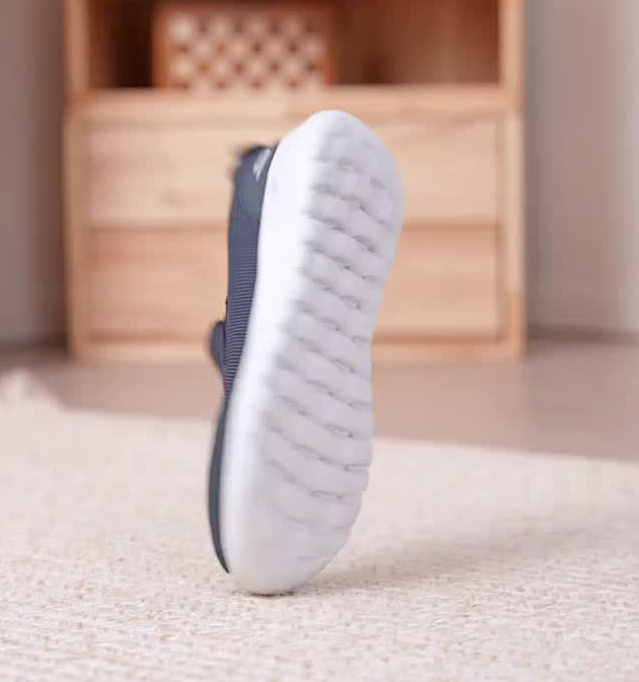
With increasing demand from overseas footwear manufacturers, many customers are no longer only looking for individual components. They are seeking more efficient supply chain solutions that can reduce development time and simplify production management.
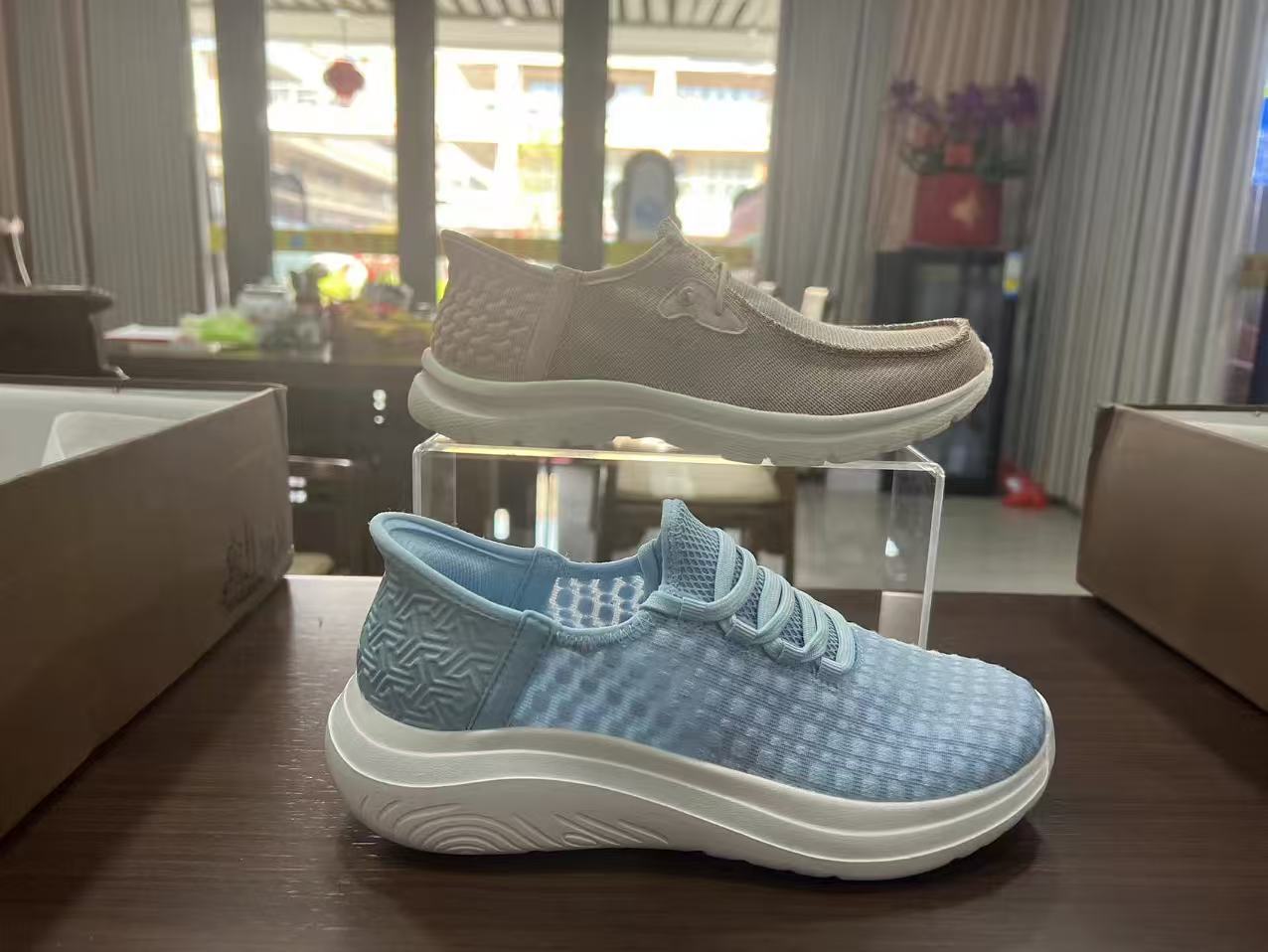
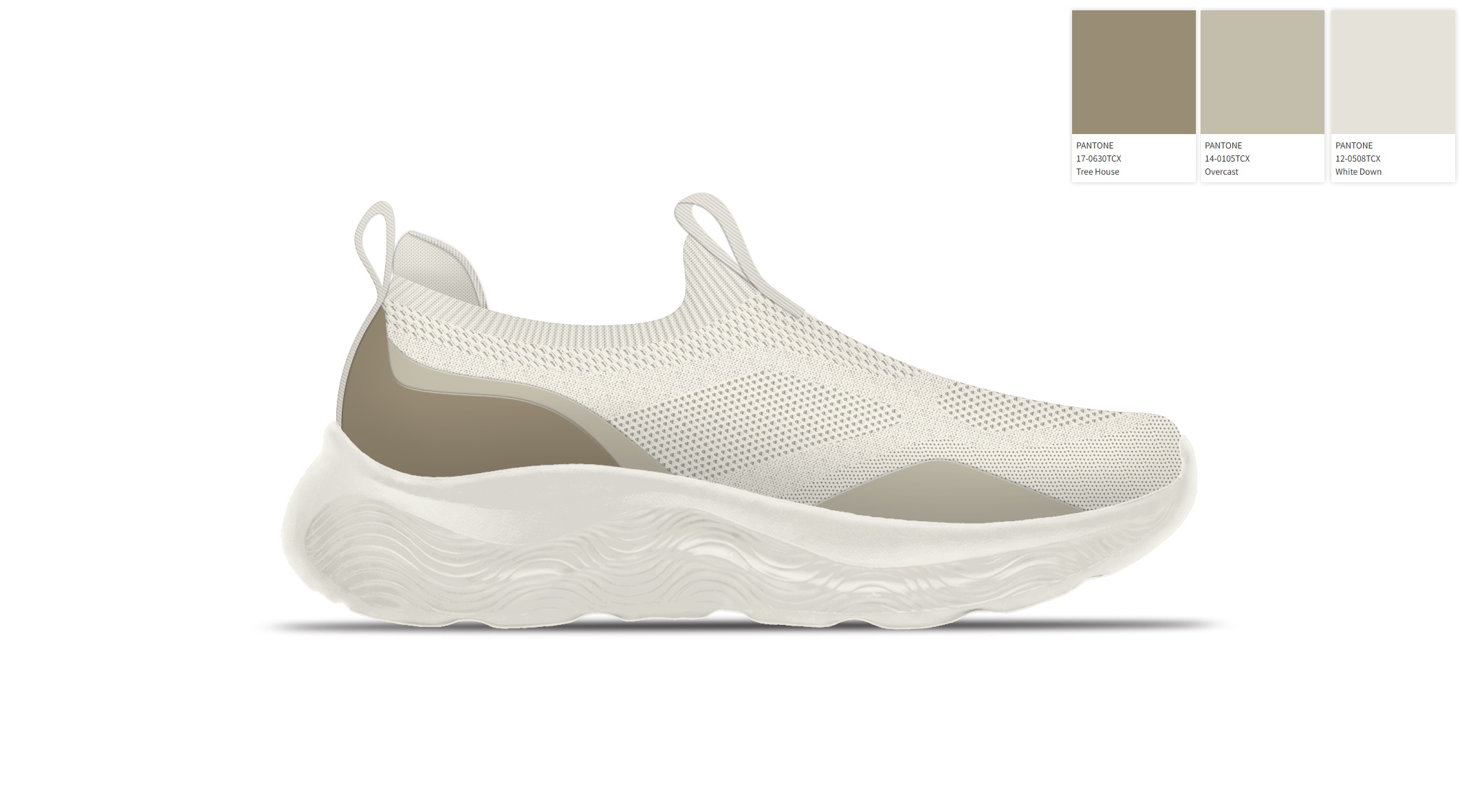
Based on this market demand, we have developed and exported CKD (Complete Knock Down) slip-on shoe solutions, including:
Customized outsole
Finished upper
Insole
Shoe last
This complete package allows our customers to receive all major shoe components from one reliable supplier and complete assembly in their local factories.
Compared with purchasing different components from multiple suppliers, CKD cooperation provides several advantages:
When outsole, upper, insole, and last are developed together, dimensional matching and overall shoe performance can be controlled more effectively.
Our team can coordinate mold development, material selection, and component matching, helping customers shorten their product development cycle.
By integrating multiple footwear components into one shipment, customers can reduce communication costs and improve production efficiency.
Our Experience in Footwear Component Development
As a footwear material manufacturer with integrated production capabilities, we specialize in outsole mold development and footwear component solutions.
Our advantages include:
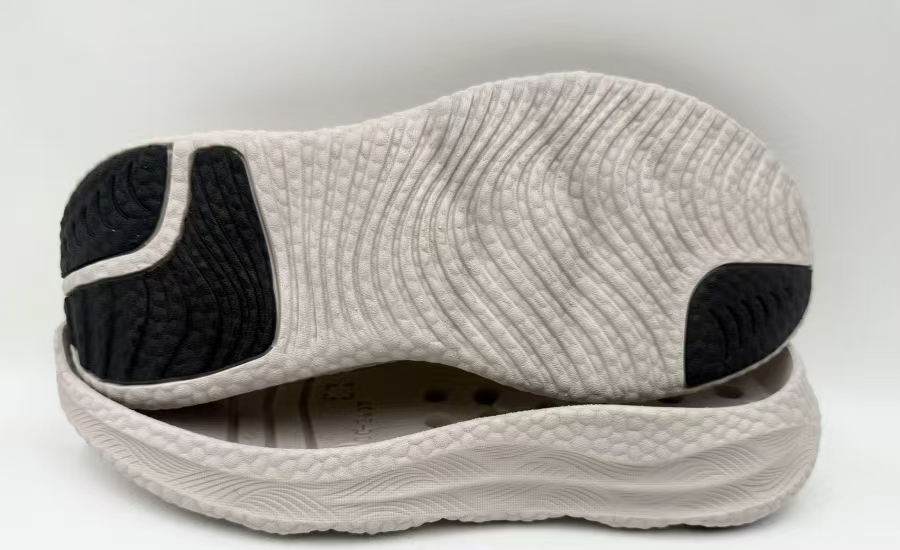
Professional outsole mold workshop
Customized private mold development
Experience exporting footwear molds and components worldwide
Support for different outsole technologies and materials
Full shoe material integration capability
From casual slip-on shoes to outdoor footwear, running shoes, and lifestyle sneakers, we help global footwear manufacturers transform concepts into production-ready solutions.
Future of Slip-On Shoes: Comfort Meets Manufacturing Innovation
The future development of slip-on footwear will continue to focus on lightweight materials, ergonomic design, and efficient manufacturing solutions.
As consumer expectations increase, footwear brands need suppliers who can provide not only production capacity but also technical support and integrated development capabilities.
With our experience in outsole development and CKD footwear solutions, we are ready to support global partners in creating competitive slip-on shoe products.
Whether you need customized outsole molds, complete footwear components, or CKD production solutions, our team can provide professional support from concept development to mass production.
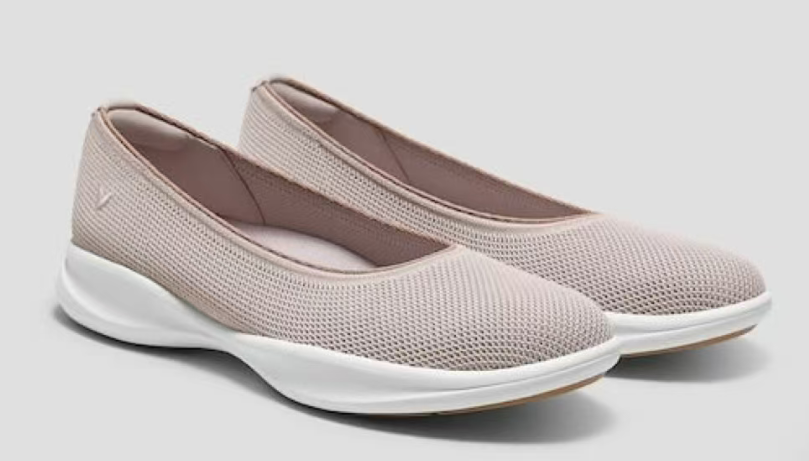
Comfort is becoming the future of footwear, and slip-on shoes are leading this transformation.
Q1: What are the advantages of slip-on shoes compared with traditional lace-up shoes?
A: Slip-on shoes provide a more convenient wearing experience because they do not require shoelaces or complicated fastening systems. They are designed for consumers who value comfort, efficiency, and everyday versatility. With improvements in outsole technology, modern slip-on shoes can also provide excellent cushioning, flexibility, and durability, making them suitable for walking, commuting, travel, and casual activities.
Q2: Can you provide complete slip-on shoe CKD solutions for overseas footwear manufacturers?
A: Yes. We provide complete CKD footwear solutions including customized outsoles, uppers, insoles, and shoe lasts. By integrating multiple footwear components under one supply chain, customers can reduce communication costs, improve product consistency, and accelerate their product development process. We support overseas footwear manufacturers who want to assemble finished shoes in their local markets.
Q3: What information is needed to develop a customized slip-on shoe project?
A: To start a customized slip-on shoe project, customers usually need to provide an original sample, design concept, or technical requirements. Based on the provided information, our team can develop outsole structures, create molds, select suitable materials, and coordinate upper, insole, and last development to achieve the final production requirements.


