
Views: 30 Author: Site Editor Publish Time: 2026-08-07 Origin: Site


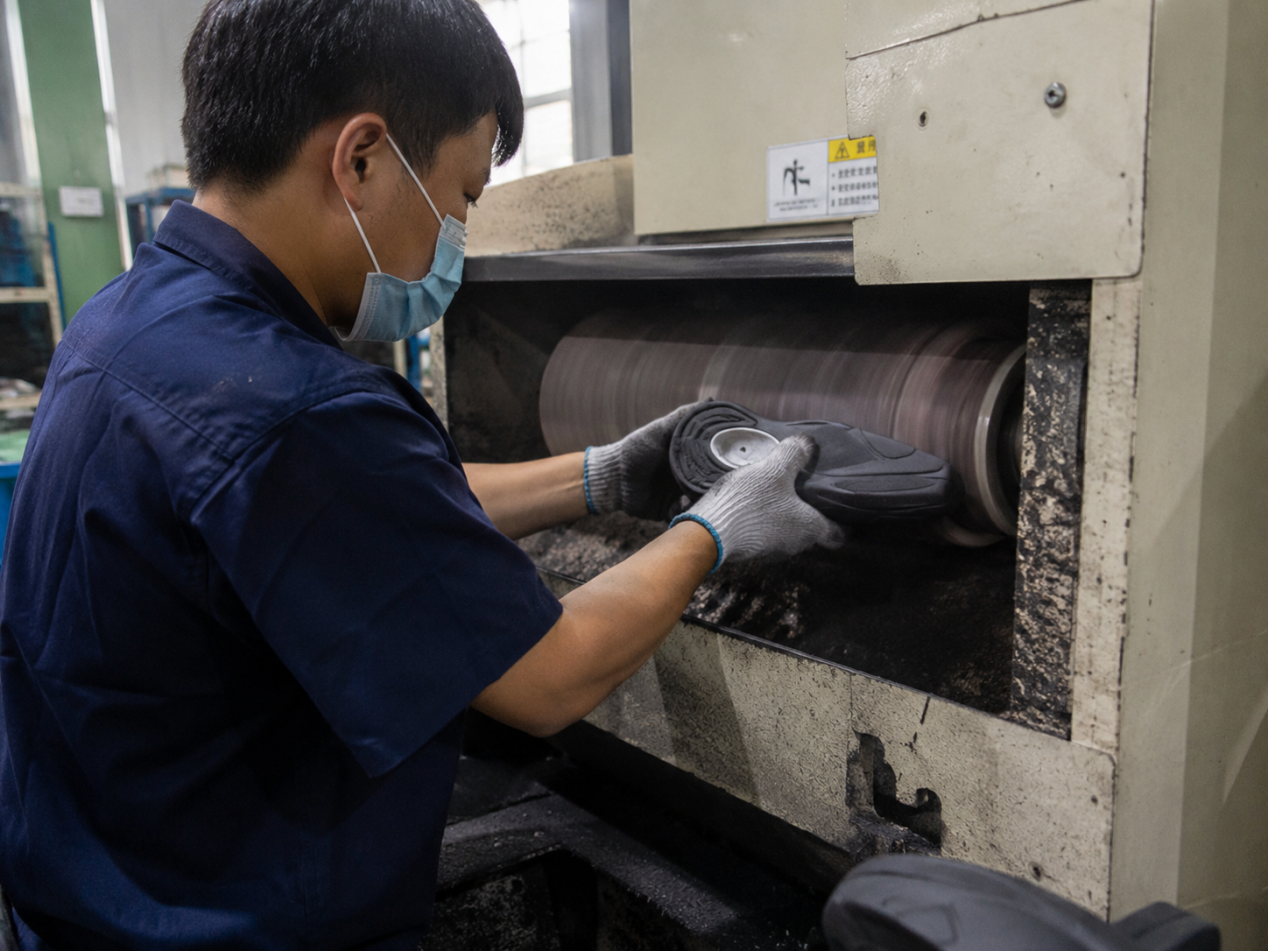
When people talk about footwear manufacturing, the conversation usually turns to outsole materials, cushioning technologies, tread patterns, or mold precision. There is a lot of attention paid to what goes into the shoe and how it looks. But there is one step that happens long before any adhesive is applied that often gets overlooked, and that is sole roughing.
It sounds simple. You take the outsole, you roughen the surface, and then you glue it. But the reality is that the quality of this surface preparation directly affects bonding strength, production consistency, and how long the finished shoe actually holds together. In many cases, when an outsole separates from the upper, the adhesive is not the real problem. The problem started earlier, at the roughing stage.
So what exactly is sole roughing? In short, it is the mechanical process of removing the smooth molded skin from the outsole surface before adhesive is applied. Using abrasive wheels or specialized roughing machines, the manufacturer creates a controlled textured finish on the bonding area. This texture gives the adhesive more surface area to grip, allowing it to penetrate and form a stronger mechanical bond between the outsole and the upper. It is commonly done on rubber, TPU, TPR, EVA, PU, and multi-material sole constructions. The goal is not simply to make the surface rough for the sake of it. The goal is to create the ideal condition for the adhesive to do its job reliably.
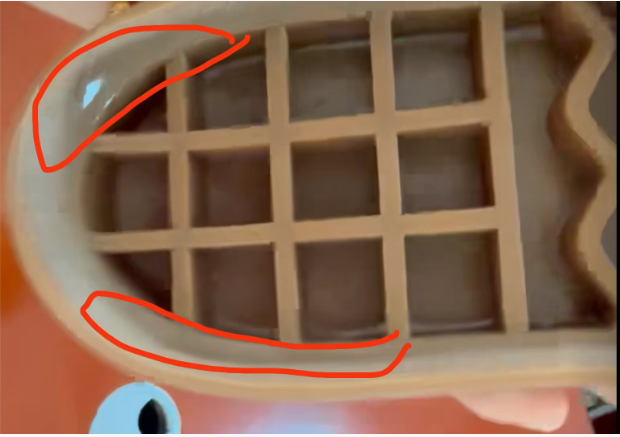
Why does this step matter so much? Most outsole materials come out of the mold with a smooth outer skin. It looks clean and attractive, but it is not ideal for bonding. Without that textured surface, the adhesive sits on top rather than anchoring into the material. Proper roughing increases the surface area for adhesive contact, creates stronger mechanical interlocking, improves adhesive penetration, and produces more consistent bonding performance across production runs. In other words, it reduces the risk of sole separation. And without adequate roughing, even the best adhesive money can buy may fail to deliver its designed holding power.
One of the most common misconceptions in the industry is that the quality of the glue alone determines bonding performance. In reality, successful bonding begins long before the glue is applied. Freshly molded outsoles still carry a dense surface layer, and depending on the production process, there may also be traces of mold release agents or surface contaminants. If those layers are not properly removed, the adhesive cannot fully interact with the outsole material.
That is why professional factories treat bonding as a complete preparation sequence, not a single step. It includes surface inspection, sole roughing, dust cleaning, primer or halogenation treatment when required, adhesive application, heat activation, pressing, and curing. Each stage contributes to the final bond strength. Skipping or poorly controlling any one of them increases the likelihood of bonding failure. In our own development work, we have seen again and again that improving surface preparation delivers better bonding results than simply switching to a stronger adhesive.
The principle is simple. Imagine trying to glue two pieces of polished glass together. Even with a high-performance adhesive, the bond is relatively weak because both surfaces are perfectly smooth. Now imagine lightly sanding those surfaces first. The adhesive flows into thousands of microscopic grooves and creates a much stronger mechanical connection. Exactly the same principle applies in footwear manufacturing. Rather than sitting only on the surface, the adhesive anchors itself into the textured outsole, resulting in stronger and more durable bonding.
One thing that surprises many people is that not all materials should be roughened the same way. Rubber generally requires deeper roughing to remove the molded surface and create enough mechanical grip. TPU naturally has a very smooth, dense surface, and while roughing is essential, excessive grinding can leave whitening marks or affect the appearance, so controlled roughing is critical. EVA foam is relatively soft, so aggressive roughing can damage the foam cells or remove too much material. For PU soles, depending on the production process, they may require both mechanical roughing and additional chemical surface treatment. Experienced manufacturers know that they cannot apply one roughing standard to every outsole. Matching the roughing method to the material is one of the key factors behind consistent bonding quality.
If roughing is not done correctly, problems follow. When too little material is removed, the adhesive cannot penetrate properly, bond strength is reduced, and the risk of sole separation increases. On the other hand, removing too much material can damage the outsole structure, create uneven bonding surfaces, cause cosmetic defects, or affect dimensional accuracy. Successful roughing is about precision, not about making the surface as rough as possible. That is why professional factories continuously monitor factors like uniform roughing depth, complete coverage of the bonding area, clean surfaces after roughing, and proper maintenance of roughing equipment. Consistent process control reduces defects and improves long-term reliability.
We once worked on a project where a customer reported that the rubber outsole was separating from the upper after repeated flexing tests. The adhesive supplier came under suspicion, but when we reviewed the production process, we discovered something else. The roughing wheel had gradually worn down over continuous production, creating an inconsistent roughing pattern across the bonding surface. Once the abrasive wheel was replaced and the outsole was roughened evenly, the exact same adhesive passed all flexing and bonding tests without any change to the formulation. That experience taught a valuable lesson. In many footwear factories, bonding quality depends more on process consistency than on simply choosing a stronger adhesive.
Even experienced manufacturers can run into trouble if the roughing process is not properly controlled. Some of the most common mistakes include roughening too shallow to remove the molded surface, leaving bonding edges incompletely roughened, failing to remove dust before adhesive application, using worn abrasive wheels that create inconsistent surface textures, or leaving the outsole exposed too long after roughing so that contamination accumulates again. Preventing these seemingly small process errors can make a significant difference in bonding consistency across mass production.
As footwear becomes lighter and more technically complex, outsole bonding is becoming more challenging than ever. Modern athletic shoes often combine EVA, supercritical foam, TPU, rubber, carbon plates, and other materials all in a single shoe. Each material behaves differently during roughing, primer treatment, and adhesive application. That is why leading manufacturers no longer view sole roughing as just a simple preparation step. It is considered an essential part of the entire bonding system, one that directly influences durability, product consistency, and long-term performance. As consumer expectations continue to rise, precise process control has become just as important as selecting the right outsole material.
Sole roughing may be one of the least visible steps in footwear manufacturing, but it is one of the most important. A properly roughened outsole creates the ideal foundation for adhesive bonding, helping shoes withstand repeated flexing, daily wear, and long-term use. Reliable footwear is not achieved by using stronger glue alone. It is the result of carefully controlled materials, equipment, and manufacturing processes working together. For brands seeking consistent product quality and long-lasting performance, investing in proper sole roughing is investing in better footwear.
1.Why is sole roughing necessary before bonding?
Roughing removes the smooth molded surface and creates microscopic textures that allow adhesives to penetrate more effectively, resulting in stronger bonding.
2.Can shoes be bonded without roughing?
Some direct injection processes do not require roughing. However, for most cemented footwear constructions, roughing is an essential step.
3.Which outsole materials require roughing?
Rubber, TPU, TPR, EVA, and many PU outsoles commonly require roughing before adhesive bonding. The roughing method varies according to the material.
4.Does roughing improve shoe durability?
Yes. Proper roughing significantly reduces the risk of outsole separation and improves the long-term durability of the finished shoe.
5.Is stronger adhesive always the solution to bonding problems?
Not necessarily. In many production cases, bonding failures are caused by poor surface preparation rather than adhesive quality. Optimizing the roughing process often delivers better results than changing the adhesive.
At Huadong Holding Group, we specialize in innovative outsole materials, precision outsole mold development, and advanced footwear manufacturing solutions. With years of experience in outsole engineering and global footwear projects, we understand that every detail affects the final product, from material selection to bonding preparation. We work closely with footwear brands, designers, and manufacturers worldwide to develop outsole solutions that combine performance, durability, and efficient production. If you are looking for a reliable outsole development partner or would like to explore new possibilities in footwear innovation, we would be delighted to connect with you.


