
Views: 45 Author: Site Editor Publish Time: 2026-08-27 Origin: Site


PVC uppers are a widely used plastic material in the women's shoe industry, primarily used in fashion sandals, rain boots, transparent fashion shoes, and casual shoes. With its advantages of being waterproof, easy to care for, having good molding properties, and strong color expression, it is highly favored by overseas fast fashion orders. One-piece injection molding technology can produce various appearances such as transparent crystal texture, matte frosted, and embossed leather texture. It offers high styling flexibility, enabling a variety of women's shoe styles, including minimalist, sweet and cool, and retro.
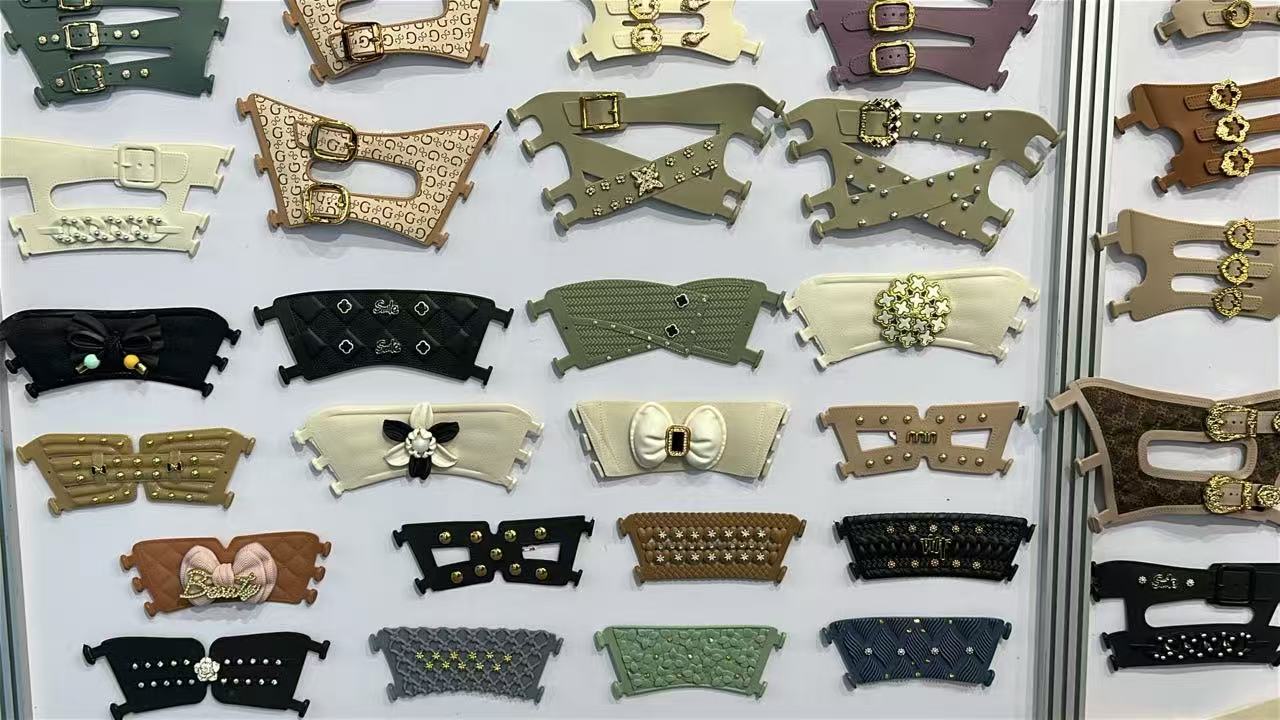
PVC material is dense and does not absorb water. It is not easily affected by moisture or delamination when wet. It is not prone to hydrolysis and peeling in humid environments, making it highly suitable for rainy days and beach scenes. Dirt can be wiped away with a damp cloth, resulting in low maintenance costs.
Various textures such as mirror polishing, lychee grain, and crocodile skin can be directly replicated through molds. The shoes have crisp lines, are not prone to sagging or deformation, and have a refined visual effect when worn.
Controllable material costs and excellent cost-effectiveness make it the preferred upper solution for mid-to-low-end women's fashion shoes.
PVC is a non-breathable material without natural micropores, leading to noticeable stuffiness after prolonged wear. The material hardens in low temperatures, and areas prone to excessive bending may develop creases and whitening over time. Design should avoid areas of repeated bending and optimize the structure.
A set of women's PVC upper molds costs approximately 2500 RMB. One set of molds can produce two shoe sizes. This mold set features a dual-cavity structure, integrating two cavities for different sizes within a single mold set. This eliminates the need to create a separate mold for each size, significantly reducing upfront investment for small-batch development.
- Cost Breakdown: Includes mold steel, CNC machining, polishing/texturing, and trial molding/adjustment.
- Applicable Scenarios: Suitable for new style sampling and small-batch trial orders. When customers are making 2-3 main size ranges, only one additional dual-cavity mold needs to be created, avoiding the need for a complete reinvestment.
- Note: The price of 2500 RMB is for a single dual-size mold set and does not include the cost of mass production. More complex patterns and higher requirements for mirror-like high gloss will increase mold modification and polishing time accordingly.
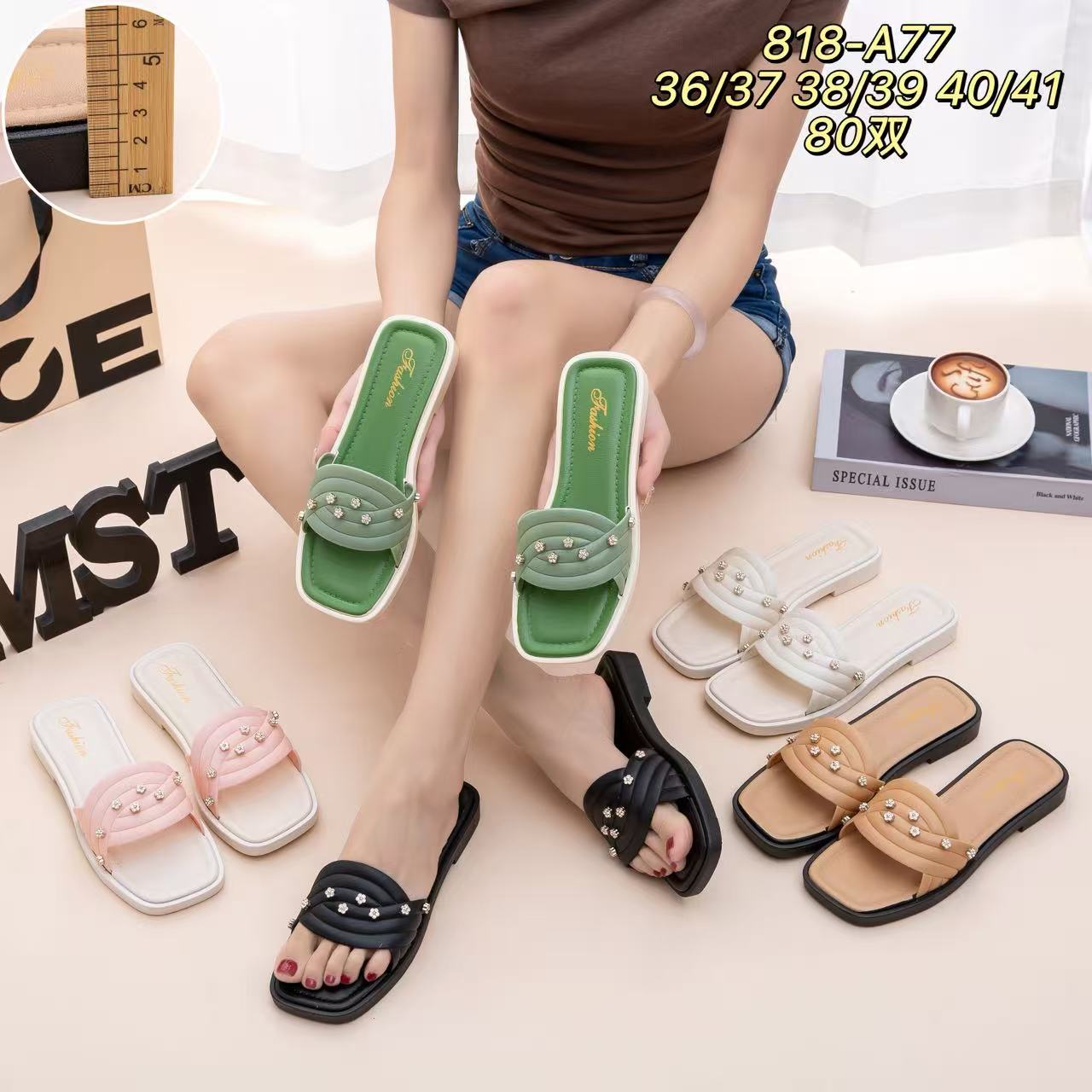
Customers focusing on fashionable appearance, transparent styles, rain boots, and beach shoes;
Orders prioritizing cost-effectiveness and requiring rapid implementation of new styles;
Target markets: Latin America, Africa, and Southeast Asia, humid and rainy regions;
Not suitable for high-end women's shoes targeting long commutes and high breathability.
Confirm the size range plan early in the project. Prioritize placing the two best-selling sizes in the same double-cavity mold to maximize mold value and reduce total mold opening costs. Control the injection temperature during mass production to avoid defects such as whitening, bubbles, and shrinkage in the PVC upper, ensuring the appearance quality of the finished product.
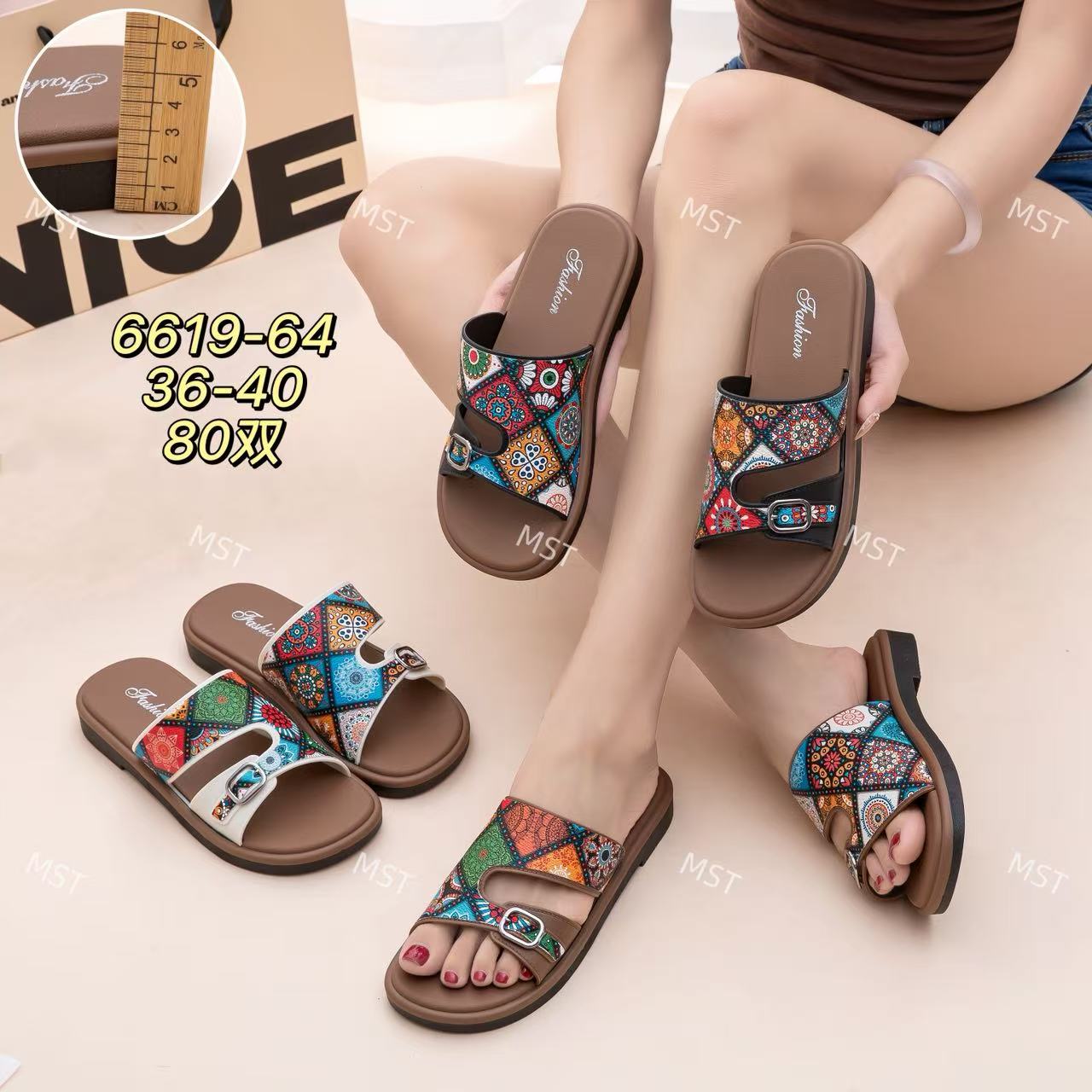
Q1: What are PVC uppers and what are they commonly used for?
A: PVC uppers are plastic shoe uppers widely used in the women's footwear industry. They are commonly found in fashion sandals, rain boots, transparent fashion shoes, and casual shoes. Their waterproof properties, easy maintenance, good molding capabilities, and strong color expression make them particularly popular for fast fashion export orders.
Q2: What are the main advantages of PVC uppers?
A: PVC uppers offer several key advantages:
Waterproof and moisture-resistant: The dense material does not absorb water and is not prone to hydrolysis or peeling in humid environments
Easy to care for: Dirt can be easily wiped away with a damp cloth, resulting in low maintenance costs
Strong aesthetic expression: Capable of producing fully transparent, semi-transparent, solid colors, pearlescent, and glitter effects; various textures such as mirror polishing, lychee grain, and crocodile skin can be directly replicated through molds
Stable mass production: Mature injection molding technology allows for controllable color differences between batches, making it suitable for large-volume overseas orders
Cost-effective: Excellent cost-effectiveness makes it a preferred upper solution for mid-to-low-end women's fashion shoes
Q3: What are the disadvantages or limitations of PVC uppers?
A: The main limitations of PVC uppers include:
Non-breathable: PVC is a material without natural micropores, leading to noticeable stuffiness after prolonged wear
Hardens in low temperatures: The material becomes less flexible in cold conditions
Creasing and whitening: Areas prone to excessive bending may develop creases and whitening over time
Design should avoid areas of repeated bending and optimize the structure to minimize these issues.
Q4: How much does a women's PVC upper mold cost and what does it include?
A: A set of women's PVC upper molds costs approximately 2500 RMB. This mold set features a dual-cavity structure, integrating two cavities for different sizes within a single mold set—eliminating the need to create a separate mold for each size. The cost includes mold steel, CNC machining, polishing/texturing, and trial molding/adjustment. Note that more complex patterns and higher requirements for mirror-like high gloss will increase mold modification and polishing time accordingly.
Q5: Who are PVC upper women's shoes suitable for?
A: PVC upper women's shoes are suitable for:
Customers focusing on fashionable appearance, transparent styles, rain boots, and beach shoes
Orders prioritizing cost-effectiveness and requiring rapid implementation of new styles
Target markets in Latin America, Africa, and Southeast Asia (humid and rainy regions)
They are not suitable for high-end women's shoes targeting long commutes and high breathability requirements.
Q6: How does the dual-cavity mold structure work?
A: One set of dual-cavity molds can produce two shoe sizes, significantly reducing upfront investment for small-batch development. When customers are making 2-3 main size ranges, only one additional dual-cavity mold needs to be created, avoiding the need for a complete reinvestment. The price of 2500 RMB is for a single dual-size mold set and does not include the cost of mass production.
Q7: What should I consider when planning a PVC upper production project?
A: Key considerations include:
Size range planning: Confirm the size range plan early—prioritize placing the two best-selling sizes in the same double-cavity mold to maximize mold value
Injection temperature control: Control the injection temperature during mass production to avoid defects such as whitening, bubbles, and shrinkage
Design optimization: Avoid areas of repeated bending and optimize the structure to minimize creasing and whitening issues
Q8: Why are PVC uppers popular for export orders?
A: PVC uppers are popular for export because:
Mature injection molding technology ensures controllable color differences between batches
Material costs are controllable with excellent cost-effectiveness
Stable mass production capabilities make them suitable for large-volume overseas orders
They can produce a wide variety of appearances, including transparent crystal, matte frosted, and embossed leather textures
Q9: Can PVC uppers be made with different textures and finishes?
A: Yes. PVC uppers can produce various effects including fully transparent, semi-transparent, solid colors, pearlescent, and glitter finishes. Various textures such as mirror polishing, lychee grain, crocodile skin, matte frosted, and embossed leather patterns can be directly replicated through molds. This offers high styling flexibility for diverse women's shoe styles, from minimalist to retro designs.
Q10: What are the common production defects to watch out for?
A: Common production defects in PVC uppers include:
Whitening: Can occur from improper injection temperature or excessive bending
Bubbles: May result from temperature control issues during injection
Shrinkage: Can be caused by improper processing conditions
Proper injection temperature control during mass production is essential to avoid these defects and ensure appearance quality.


