
Views: 70 Author: Site Editor Publish Time: 2025-12-25 Origin: Site


Are you looking for Cold-Resistant Rubber Soles down to -40°C?
Huadong as a professional shoe sole factory with rich experience in exporting rubber soles to markets including Mongolia and Russia, we’d like to give a brief introduction to our cold-resistant rubber soles and how they differ from standard rubber soles.
1. Main Material Composition
Our cold-resistant rubber soles are formulated with:
• High-quality natural rubber (NR) or styrene-butadiene rubber (SBR) as the base
• Specially selected low-temperature plasticizers and softeners
• Reinforcing agents (e.g., carbon black, silica)
• Anti-aging agents and special cold-resistant additives
• Cross-linking agents to ensure stable performance at low temperatures
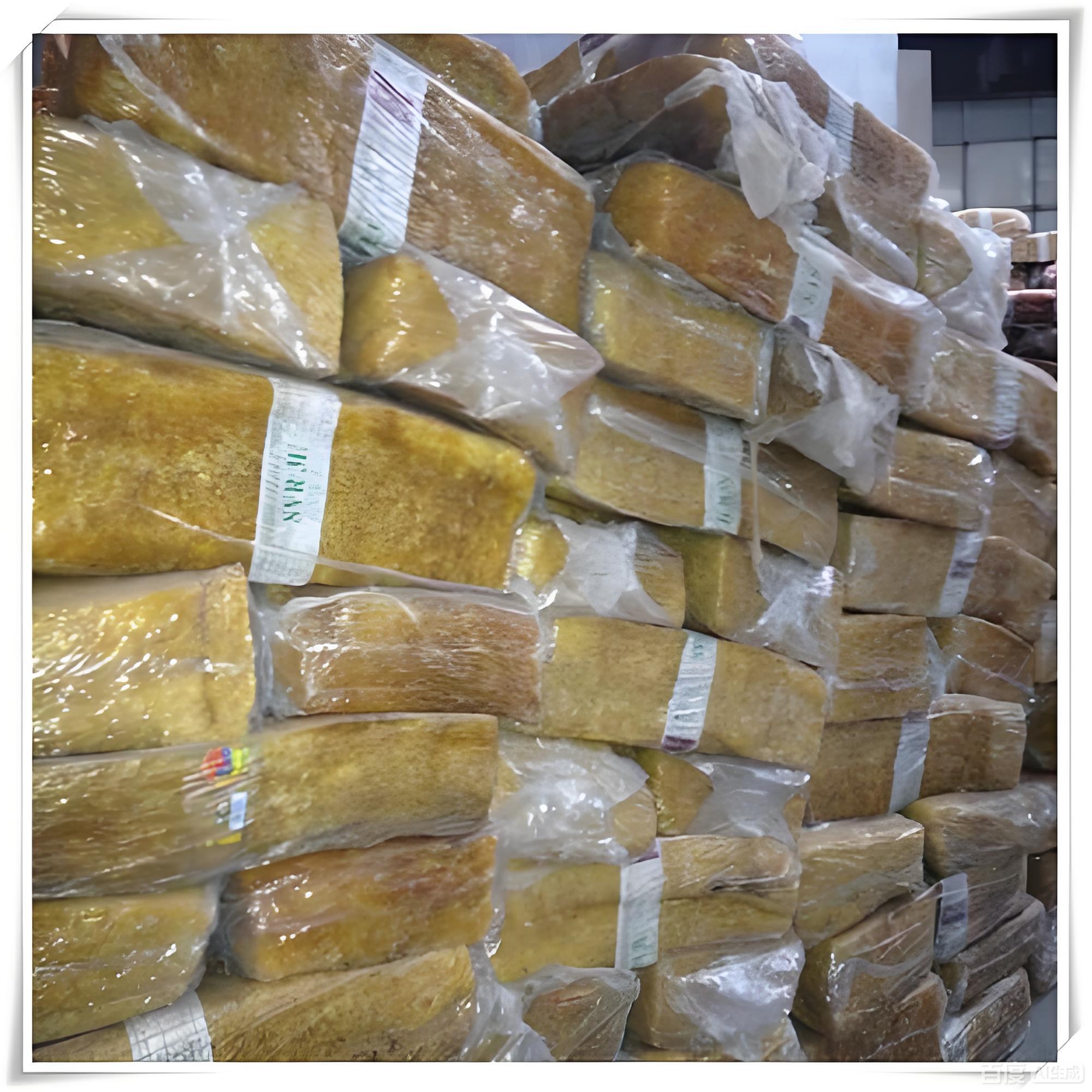
This formula ensures the rubber remains flexible and tough even at -40°C.
2. Applications
These soles are suitable for:
• Cold-region footwear: winter boots, snow boots, cold storage work shoes
• Industrial & outdoor work shoes: mining, construction, oil and gas, forestry in cold climates
• Logistics & transportation: drivers, couriers, warehouse staff in freezing environments
• Military & security footwear: patrol boots, tactical boots in extreme cold areas
3. Key Performance Features
• Low-temperature flexibility: remains soft and elastic at -40°C without hardening or cracking
• Abrasion resistance: good wear performance on ice, snow and hard ground
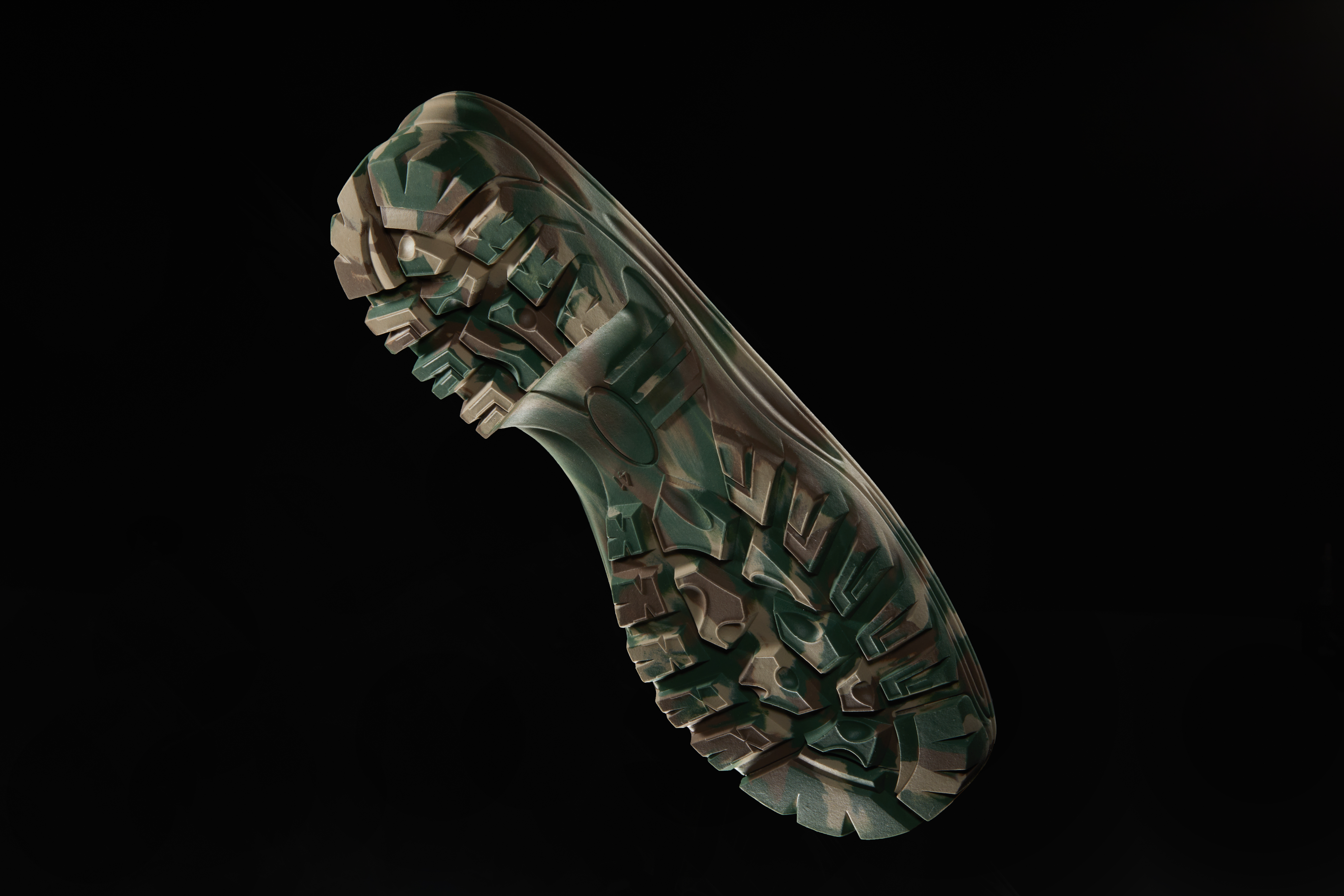
• Traction: optimized tread design for better grip on slippery surfaces
• Tear & impact resistance: resists cracking under bending and impact in cold conditions
• Weather resistance: good performance in freezing, thawing and humid environments
4. Differences from Traditional Rubber Soles
Aspect Traditional Rubber Soles Cold-Resistant Rubber Soles (-40°C)
Low-temperature performance Hardens and becomes brittle below -10/-20°C Remains flexible and tough down to -40°C
Formula Standard rubber + common additives Rubber + special cold-resistant plasticizers/additives
Application All-season, mild to cool climates Extreme cold environments, winter & cold storage
Risk in cold areas Prone to cracking, reduced grip Maintains flexibility and safety
In short: traditional rubber soles work well in normal climates, but cold-resistant soles are designed specifically for extreme low temperatures.
5. FAQ, here are some common questions about Cold-Resistance Soles.
Q1: How do you test if a sole is truly -40°C resistant?
A1: We perform low-temperature bending tests in a cold chamber at -40°C, checking for cracks or hardening after a specified number of flex cycles. We can also provide test reports upon request.
Q2: Will cold-resistant soles be softer and less durable?
A2: No. Our formula balances cold resistance, softness and wear resistance. With proper reinforcement, they offer good durability and long service life even in harsh conditions.
Q3: Can cold-resistant soles be made with different patterns and colors?
A3: Yes. Cold-resistant rubber can be produced in various colors, thicknesses and tread patterns. We can customize according to your design and specification.
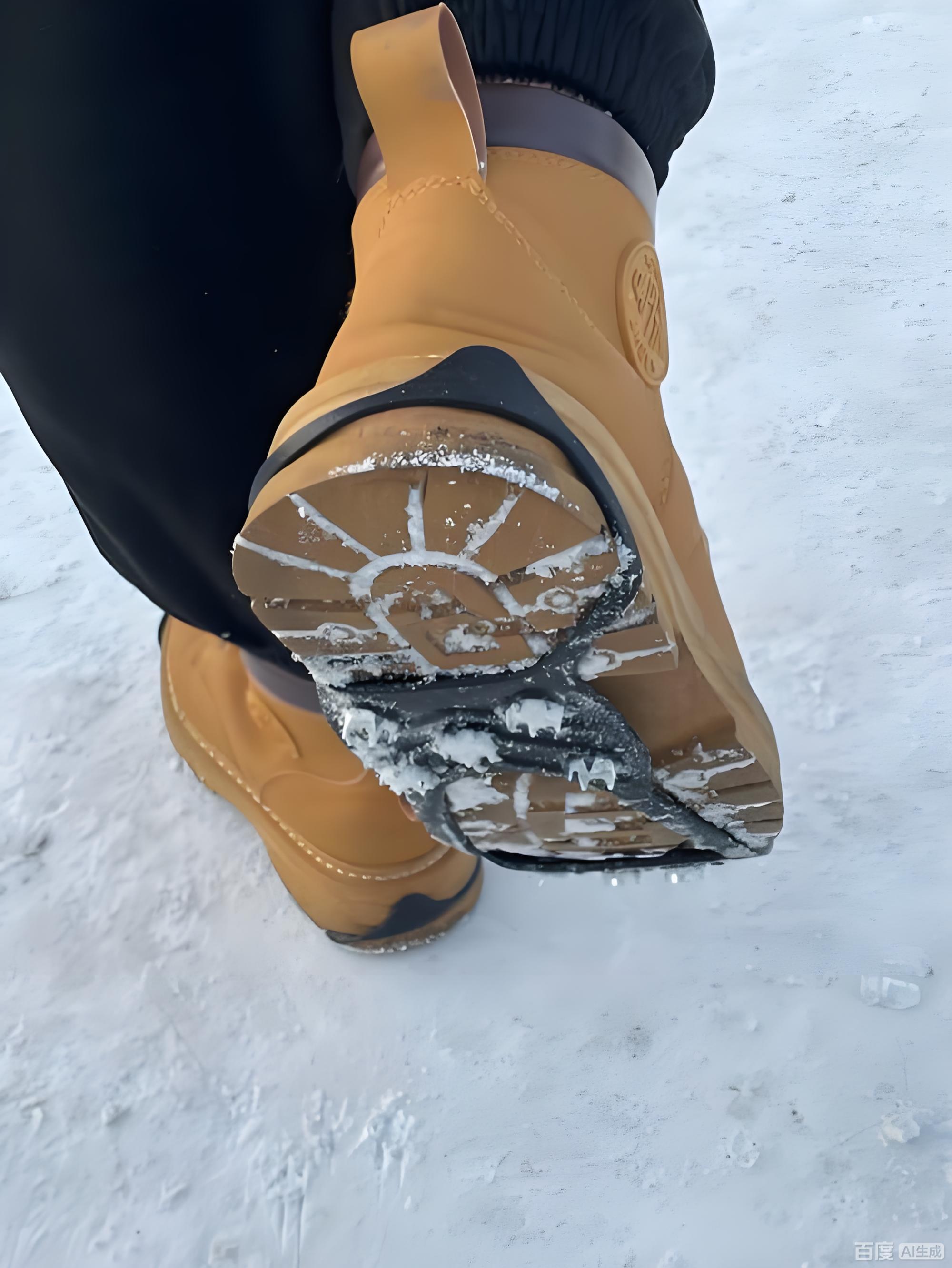
If you are looking for soles that perform reliably in Mongolia, Russia or any other cold region, our -40°C cold-resistant rubber soles are a solid choice. Contact us for more details and samples.


