
Views: 50 Author: Site Editor Publish Time: 2026-01-29 Origin: Site


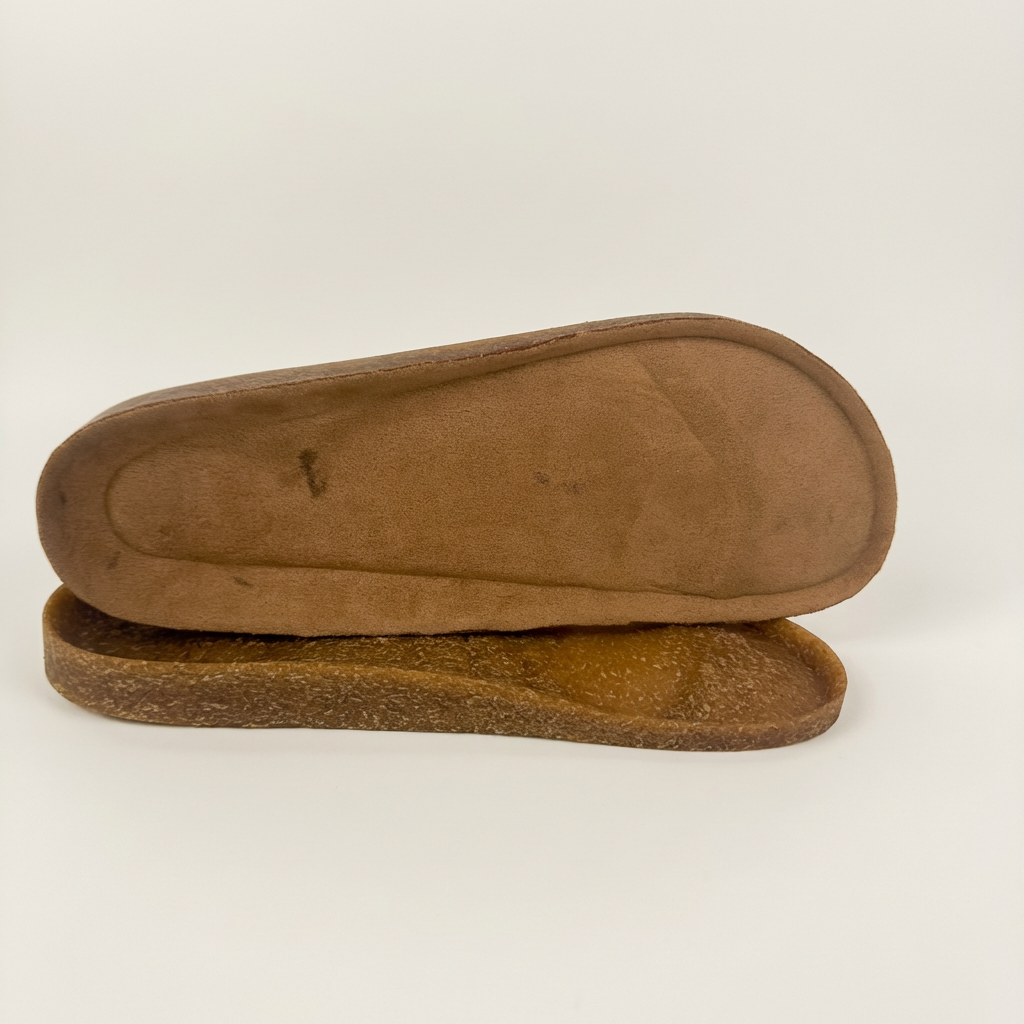
Cork is used as the surface material. Cork chips/granules are pre-formed and used as insoles or sidewall inserts. These are then bonded to TPR (Thermoplastic Rubber) through dual-density injection molding and thermoforming.

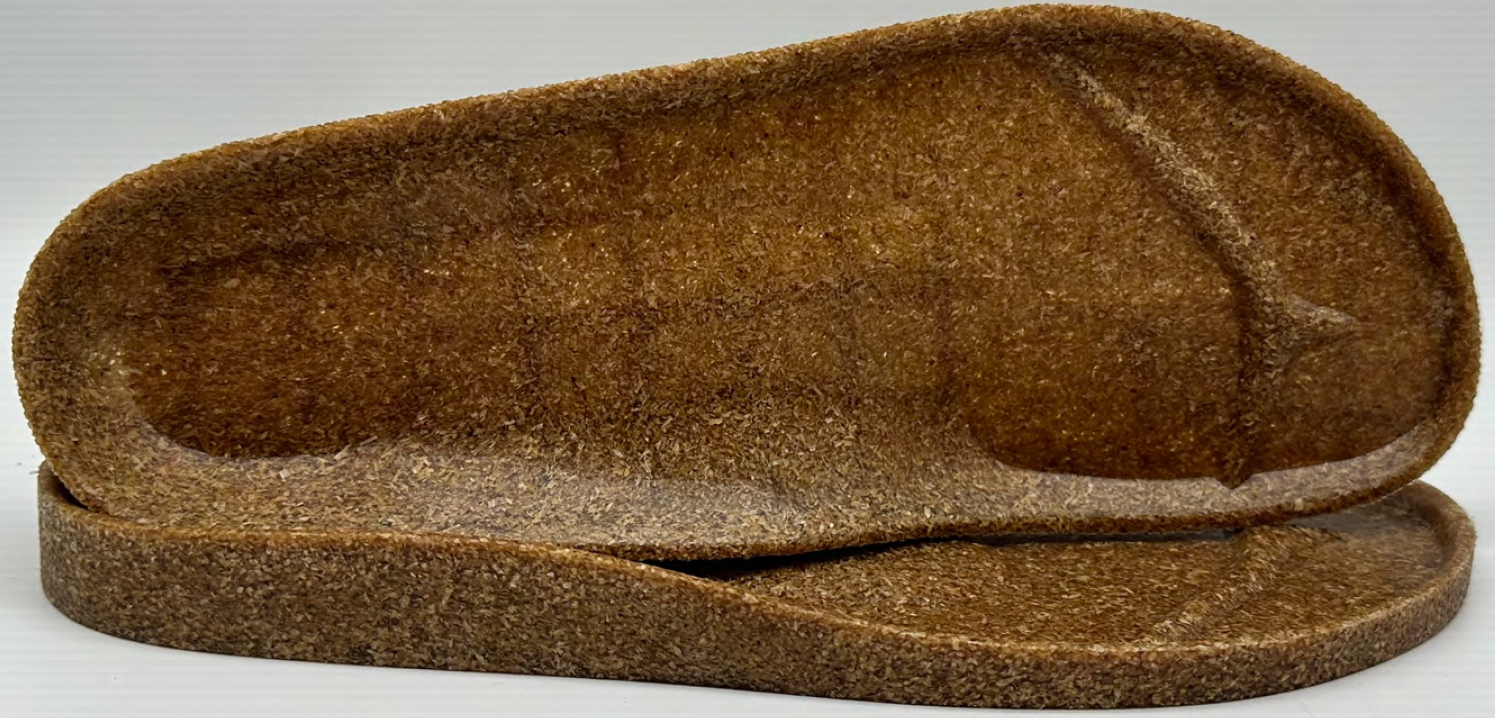
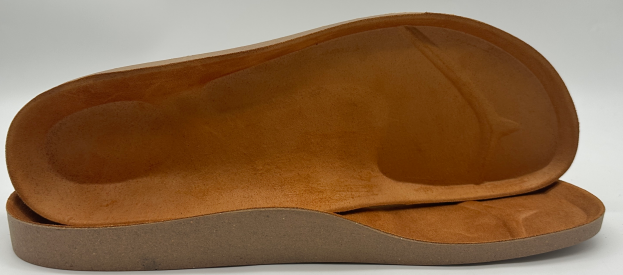
Natural Texture and Sustainability: Cork’s natural texture, warm touch, and renewable properties perfectly align with sustainable and naturalistic brand philosophy, making it highly recognizable in the market.
Lightweight and Comfortable Feel: Cork itself has a low density, which, when combined with TPR, achieves lightweight design and provides a unique barefoot, slightly bouncy, and comfortable feel.
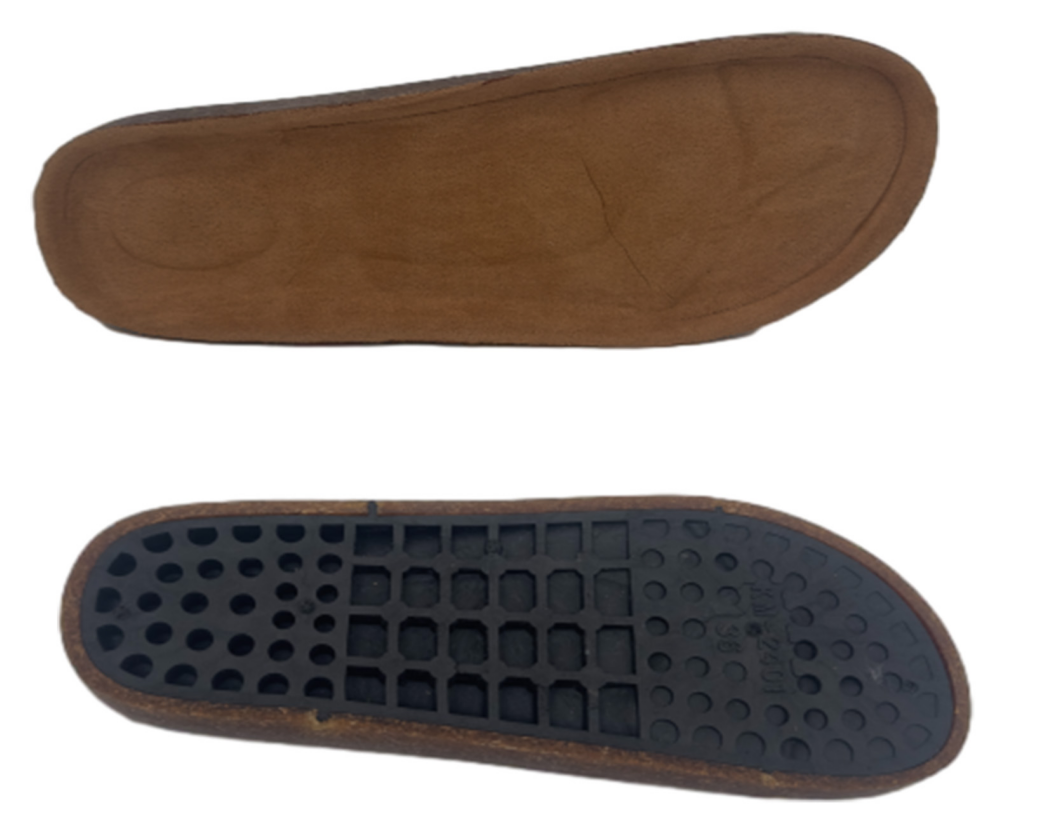
Currently, we offer four models:
HCKB001、KM-2401、KM2402、TBK-8078
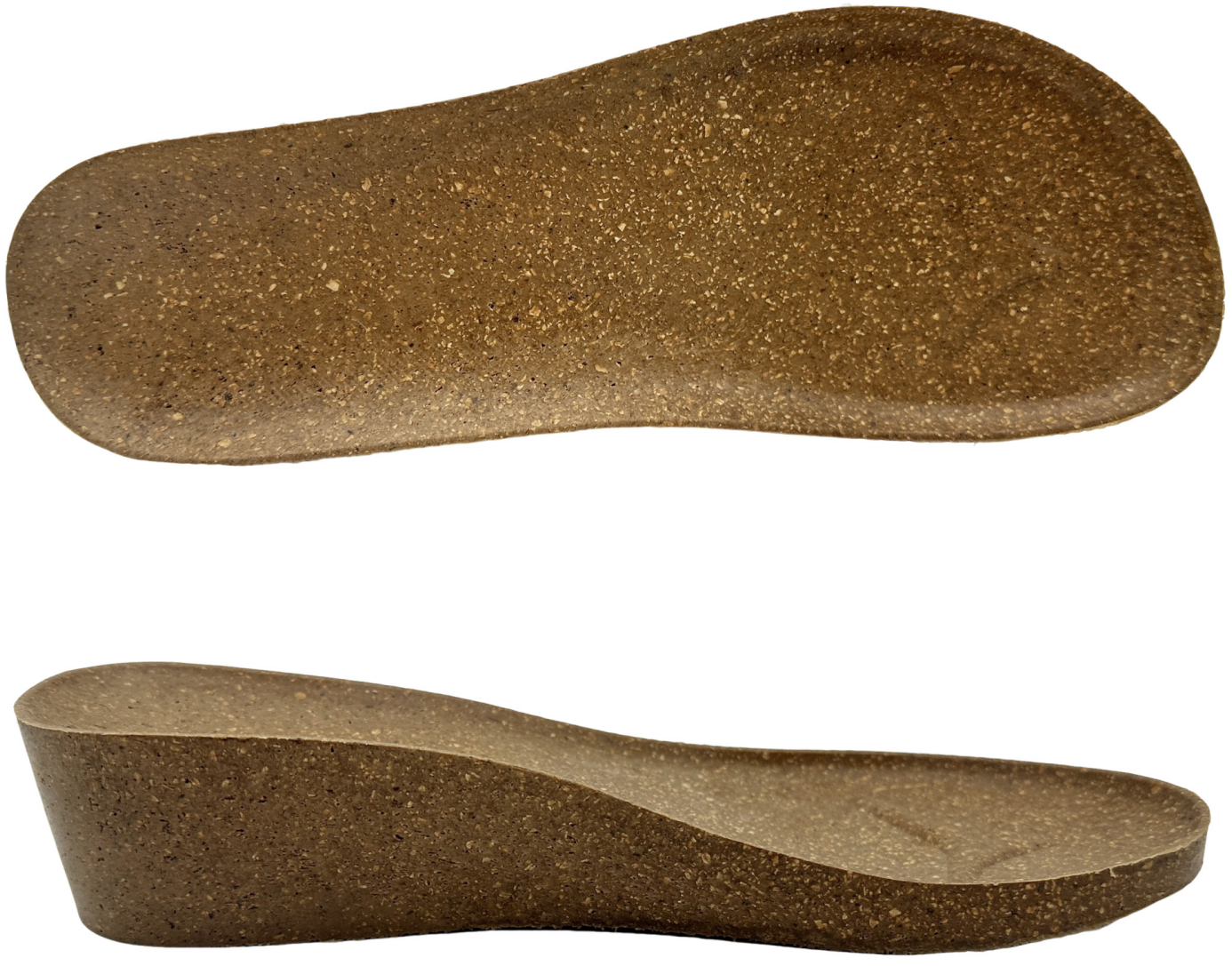
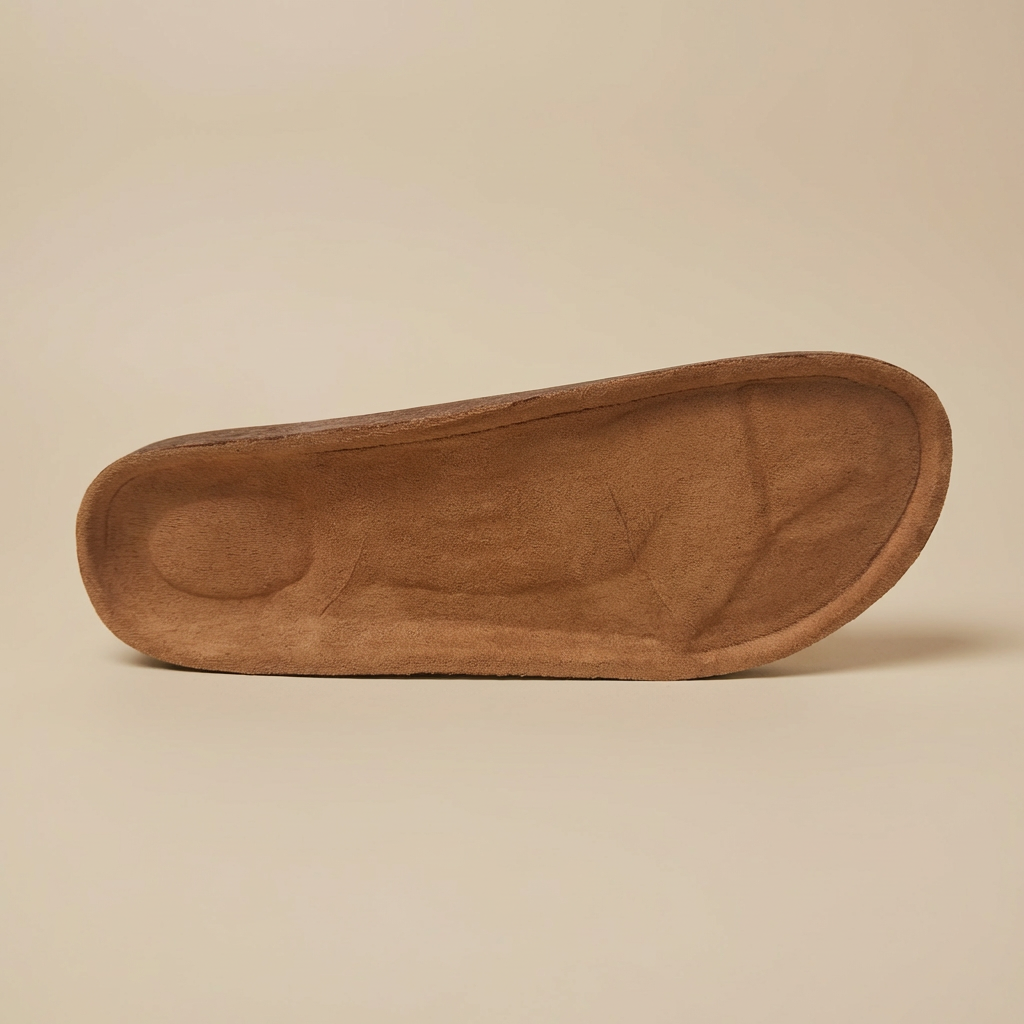
Suitable for both men’s and women’s footwear. All models can be covered with suede. The sidewalls have a distinct granular texture while maintaining softness and comfort, offering a balance between appearance and cost.
(Insert images from the original document here as needed)
Material Type | PU Cork | TPR Cork | PVC Cork | Rubber Cork | Latex Cork |
Material | Polyurethane | Thermoplastic Rubber | Polyvinyl Chloride | Natural/Synthetic Rubber | Natural Latex |
Core Technology | Casting | Hot Pressing | Hot Pressing | Compression Vulcanization | Compression Vulcanization |
Main Advantages | Lightweight and durable | High cost-performance ratio, easy to process and recycle, good waterproof performance | Lowest cost, wide range of adjustable hardness, simple processing | Highly elastic and stable, non-slip and wear-resistant, resistant to aging, natural texture | Ultimate natural feel, breathable and antibacterial, ultra-lightweight and soft, 100% sustainable |
Main Disadvantages | Complex production process, risk of hydrolysis (in humid environments) | Average resilience and durability, prone to deformation at high temperatures, somewhat plasticky texture | Cheap feel, heavy, not breathable, poor environmental performance (contains plasticizers) | Heaviest weight, longest production cycle (requires vulcanization), highest cost | Poorest durability, prone to oxidation and powdering, difficult process control, low production capacity, extremely high cost |
Environmental Friendliness | Fair (contains petroleum-based feedstocks) | Recyclable, but matrix is petroleum-based | Poor (may contain harmful substances such as phthalates) | Excellent (especially natural rubber) | Outstanding (all-natural and biodegradable) |
Typical Applications | Midsole of high-end casual shoes, leather shoes, athletic shoes | Decorative midsoles for affordable casual shoes, children's shoes, fashion shoes | Extremely low-cost insoles, non-primary load-bearing areas | Outdoor sandals | Insoles or thin midsoles for top luxury brands and all-natural concept shoes |
Market Positioning | Mainstream in high-end market, balances performance and nature | Mass consumer market, balances appearance and cost | Lowest-end market | Professional features and quality market | Niche luxury market |
Recommended: TPR Cork, Latex Cork
Suitable for: Casual footwear, eco-concept shoes, lightweight sports shoes
Recommended: PU Cork, Rubber Cork
Suitable for: Outdoor shoes, sports shoes, work shoes
Recommended: TPR Cork, PVC Cork
Suitable for: Budget footwear, children's shoes, promotional shoes
4. High-End Positioning with Emphasis on Texture and Sustainability:
Recommended: Latex Cork, Natural Rubber Cork
Suitable for: Luxury footwear, artisanal shoes, all-natural material series
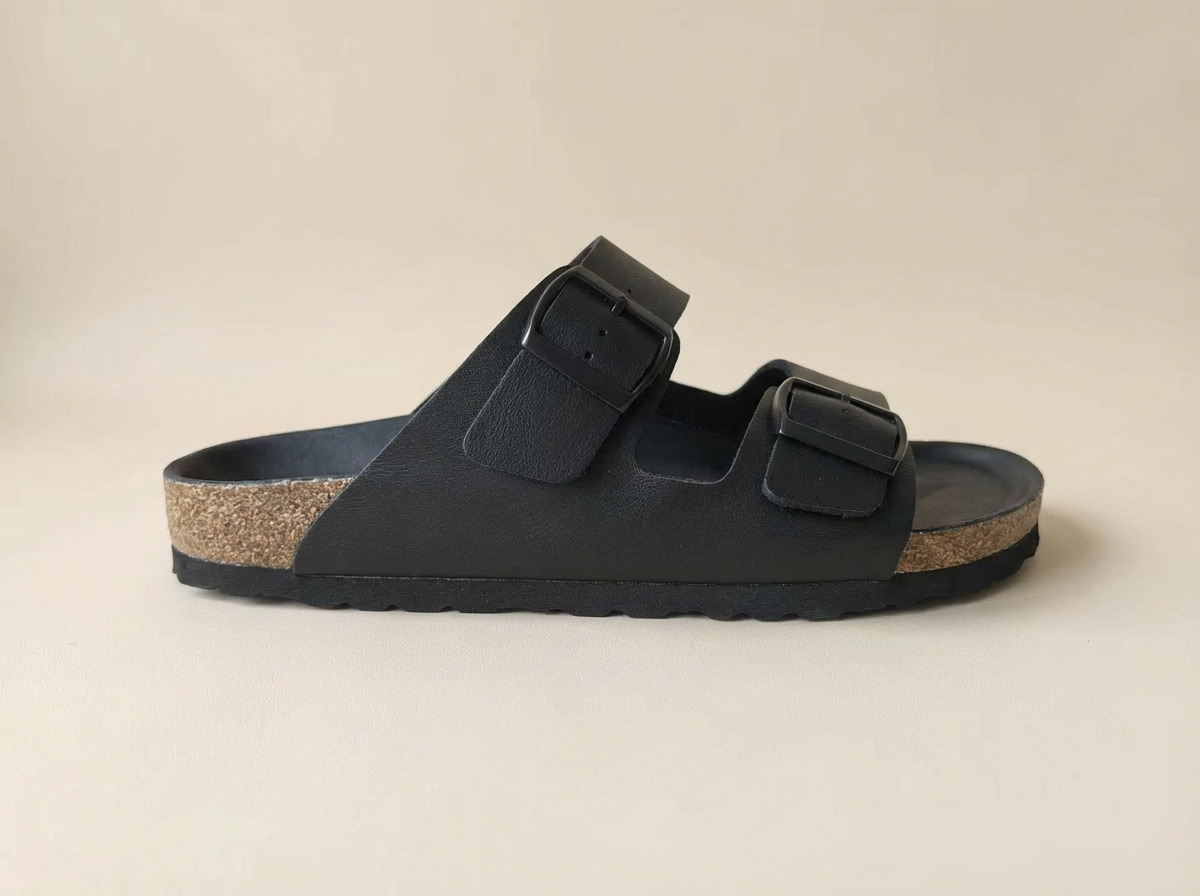
Cork, as a natural and sustainable material, offers diverse possibilities in footwear midsole applications. Whether prioritizing lightweight comfort, durability and support, or environmental and textural appeal, the ideal product positioning can be achieved through appropriate material selection. We recommend choosing the most suitable cork midsole material based on brand philosophy, cost considerations, and usage scenarios.


