
Views: 0 Author: Site Editor Publish Time: 2026-09-15 Origin: Site


When producing safety shoes, military boots, work shoes and other high-volume footwear, DESMA direct injection technology is widely used because it allows the outsole or sole unit to be directly injected onto the upper.
However, the performance of a DESMA production line depends not only on the machine and PU material. The DESMA mould is equally important.
A properly developed mould needs to match the shoe last, lasted upper, outsole design, mould structure and DESMA machine requirements. This is why choosing an experienced DESMA mould manufacturer is important when developing a new footwear project.
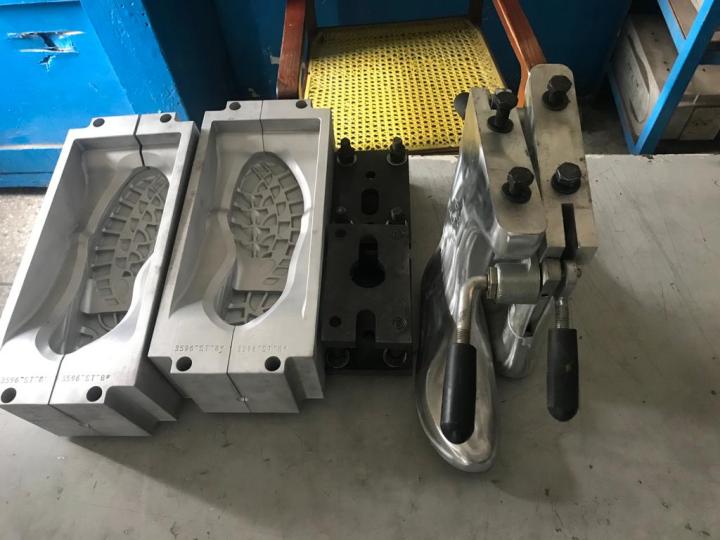
A DESMA mould is a specially designed shoe mould used with a DESMA direct injection machine. Depending on the product and production requirements, the mould can be designed for single-color or double-color PU injection, as well as different sole structures.
Unlike a simple outsole mould, a DESMA mould needs to consider the complete relationship between the shoe last, upper, outsole shape and injection process.
The mould structure also needs to allow proper material filling, stable production and easy demoulding.
For this reason, a good DESMA mould is not simply about copying the shape of an outsole. It requires proper engineering before CNC machining starts.
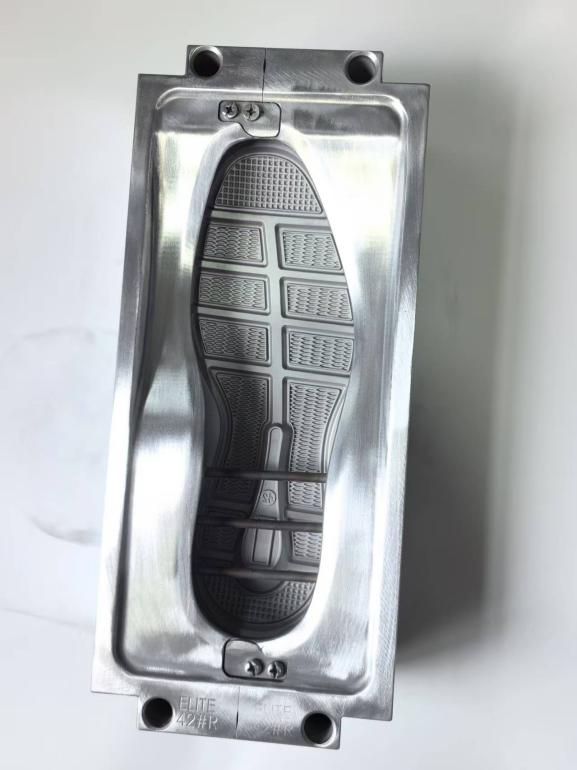
For a new DESMA mould project, the more accurate the customer's information is, the easier it is to develop the mould correctly.
The most important information usually includes:
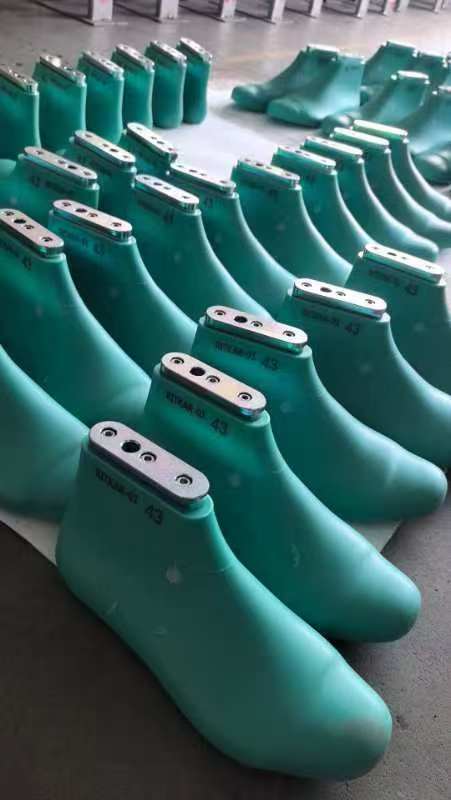
A lasted upper is one of the most important references for DESMA mould development.
It allows the mould engineer to check the actual relationship between the outsole and the upper, including the toe area, heel, sidewall and overall shoe shape.
If possible, we strongly recommend customers provide a physical lasted upper or accurate 3D data.
A 3D outsole file, such as STEP or IGES, is highly recommended.
It helps our engineering team check the outsole geometry, tread, sidewall, heel and toe area before starting mould production.
If the customer only has a 2D drawing, we can also review it and discuss how to develop the 3D design.
If available, customers should also provide the DESMA machine model, mould dimensions and production requirements.
This is particularly important when the customer has specific machine or mould structure requirements.
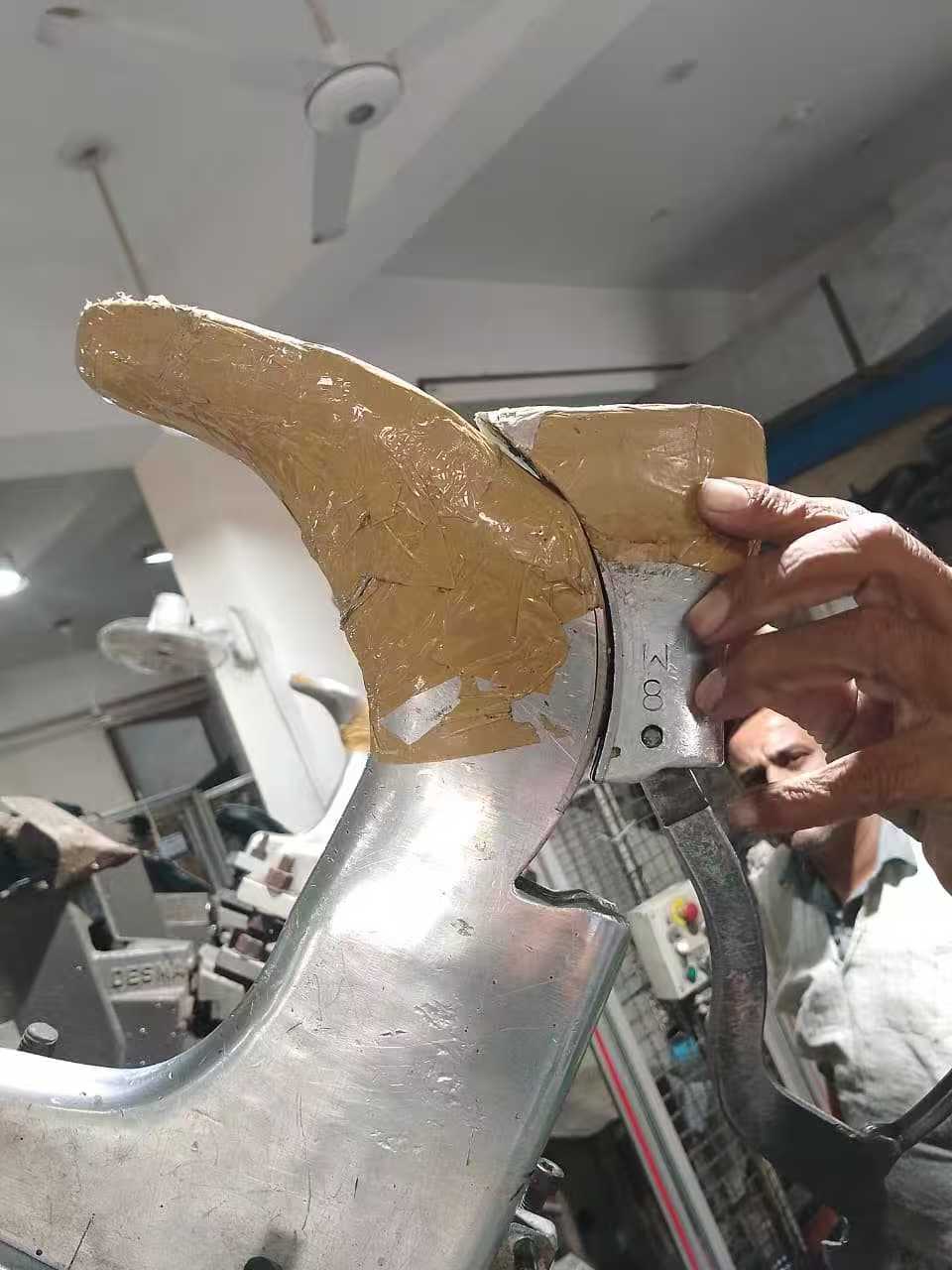
A typical development process is:
Customer Information → 3D Design Review → Mould Engineering → CNC Machining → Mould Assembly & Finishing → Trial → Sample Approval
Before machining, our engineering team checks the outsole design together with the lasted upper and shoe last.
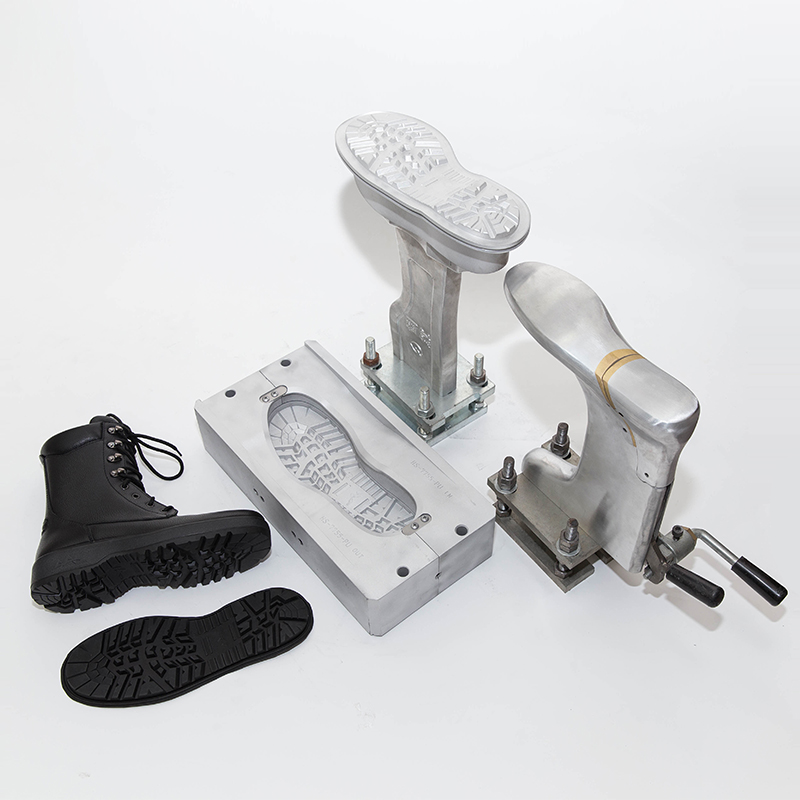
We pay particular attention to areas such as:
Outsole and upper fitting
Toe and heel shape
Sidewall height
Material flow
Injection position
Demoulding
Mould structure
Single-color or double-color requirements
Shoe last specifications
This preparation helps reduce problems during the trial stage and makes the mould more suitable for future mass production.
For a standard DESMA sample mould, the development time is normally around:
20–25 days
The actual lead time depends on the design and mould structure.
A relatively simple single-color mould may be easier to develop, while a double-color DESMA mould, multi-component structure or special shoe last requirement may require more engineering and machining time.
Therefore, we normally confirm the complete design and technical requirements before giving the final delivery date.
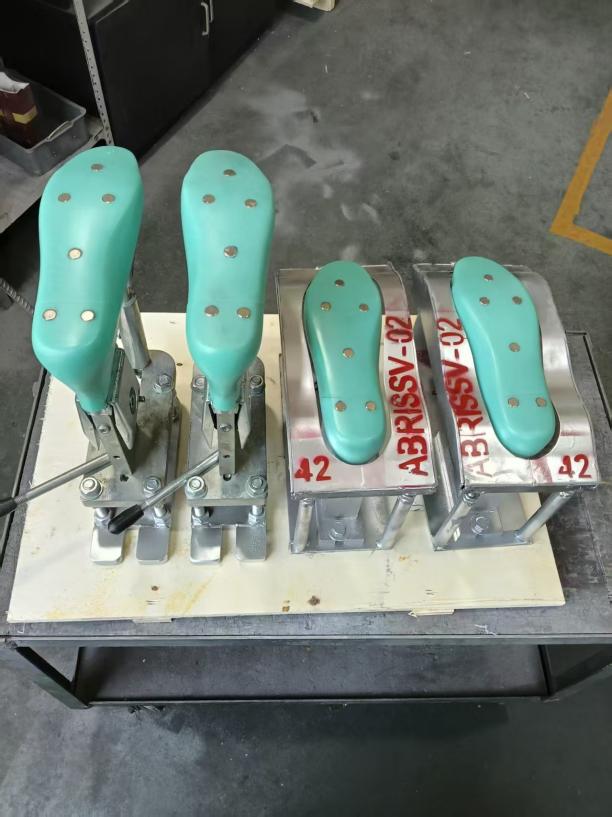
As a general reference, the cost of a pair of DESMA sample moulds is approximately:
USD 1,500–2,500 per pair
The final quotation depends on several factors, including:
Single-color or double-color mould
Mould structure
Shoe size and size range
Shoe last requirements
Outsole design complexity
Number of mould components
Special inserts or functions
Customer's machine requirements
Because every DESMA mould project is different, it is difficult to give one fixed price for all designs.
For an accurate quotation, we normally need to review the lasted upper, shoe last and 3D outsole drawing first.
DESMA mould development requires both mould-making experience and an understanding of footwear production.
A mould may look correct from the outside but still create problems during actual production if the structure, injection position, filling or demoulding is not properly designed.
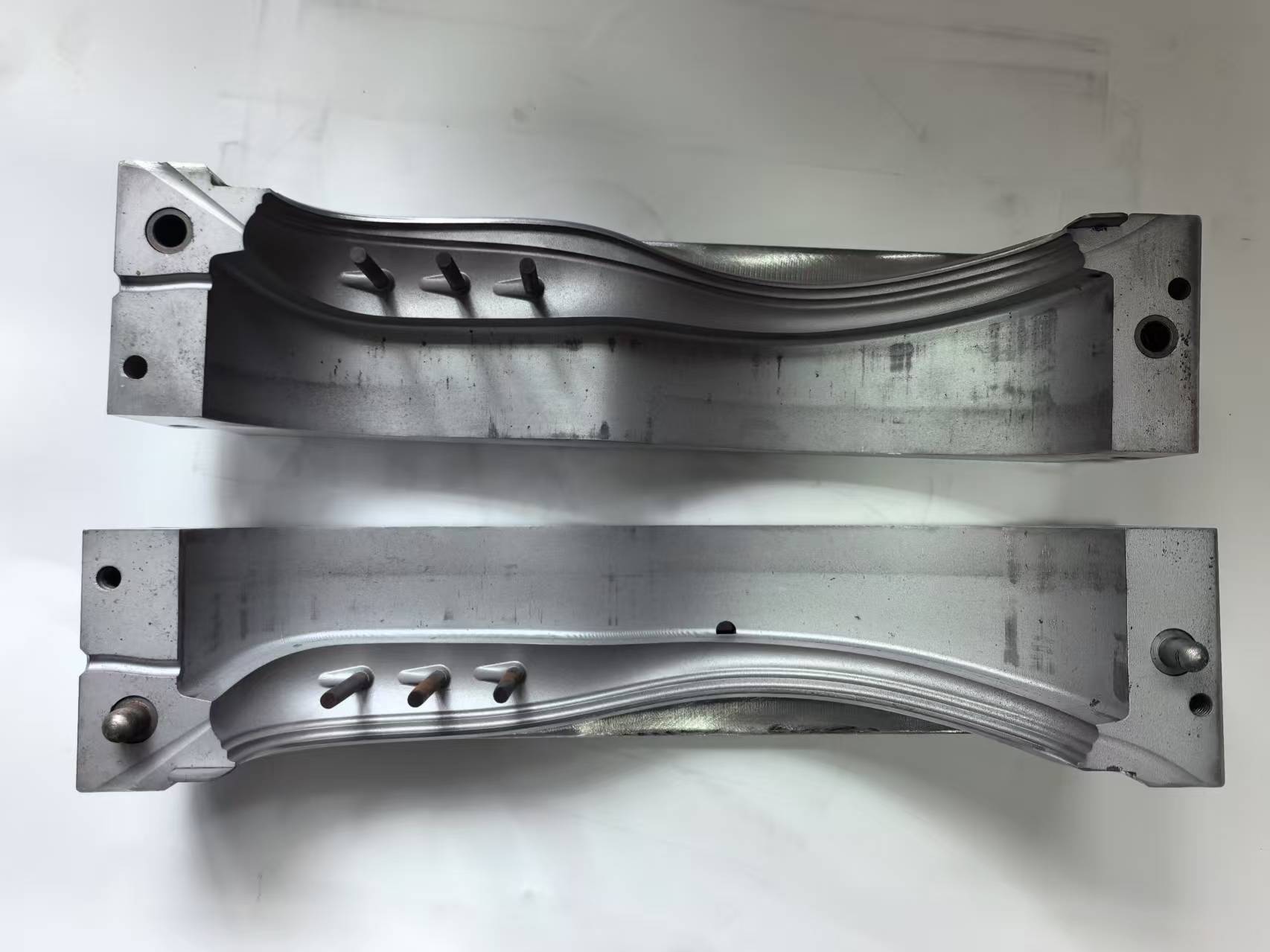
Huadong has extensive experience in shoe mould development and has experience with different machine structures, including DESMA machines.
Our mould factory has 30+ CNC machines and supports mould development from 2D/3D drawings, physical references and shoe lasts.
We have also supplied DESMA moulds in volume to customers in India, Pakistan, Turkey, Algeria, Egypt and other markets.
This experience helps us better understand the requirements of different footwear factories and different production environments.
DESMA direct injection is particularly suitable for safety footwear, military boots, work boots and large-volume footwear orders, where stable production and reduced manual operations are important.
For customers planning a new DESMA production project, investing in the right mould at the beginning can help reduce production problems later.
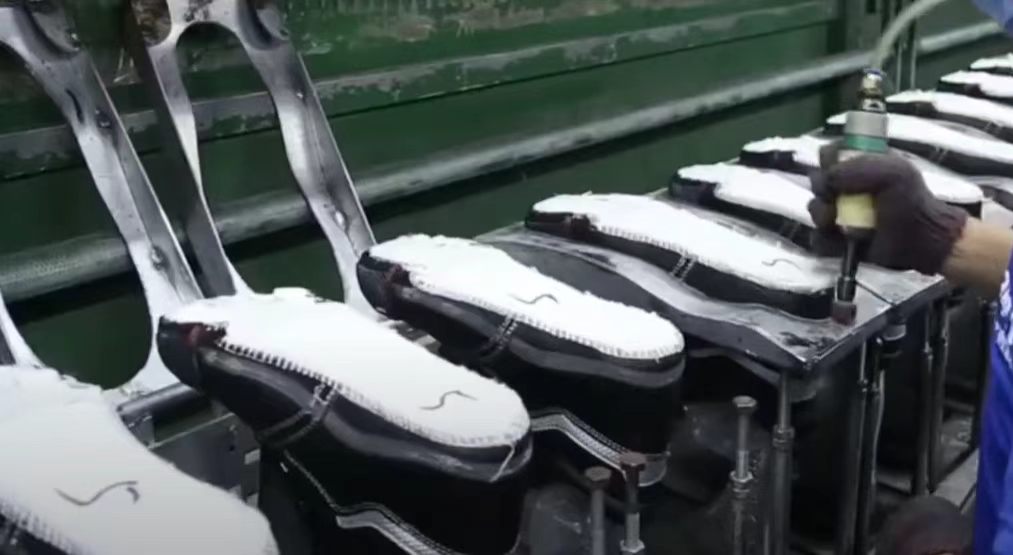
Looking for a reliable DESMA mould manufacturer in China?
Send us your lasted upper, shoe last and outsole design. Our engineering team can review the project and recommend a suitable DESMA mould solution for your production.
Yes. We can review a 2D drawing and develop the mould based on the available information.
However, for better accuracy, we recommend providing a 3D outsole design, shoe last and lasted upper whenever possible. These references allow us to check the actual shoe shape and the relationship between the upper and outsole.
Yes. We can develop both single-color and double-color DESMA moulds.
The mould structure and cost will be different depending on the injection requirements, outsole design and machine configuration. A double-color or more complicated mould normally requires additional engineering and a more complex mould structure.
For the most accurate quotation, please send us:
Lasted upper
Shoe last or 3D last data
2D/3D outsole drawing
Shoe sizes and size range
Single-color or double-color requirement
DESMA machine information, if available
Once we receive these details, we can review the design, confirm the mould structure and provide a quotation and estimated development time.


