
Views: 39 Author: Site Editor Publish Time: 2026-09-08 Origin: Site


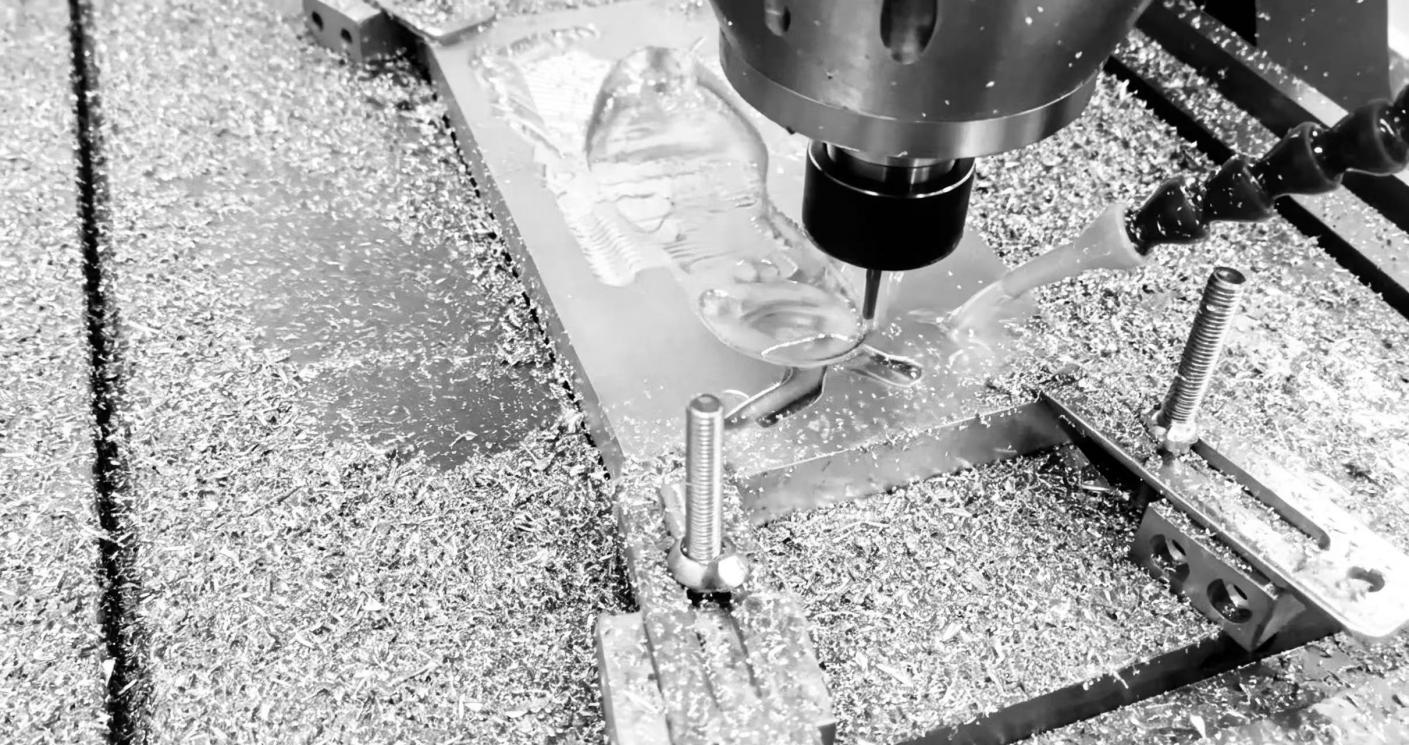
If you are developing a new footwear style, one of the first questions you may ask is:
How much does a custom shoe outsole mold cost?
The answer is not as simple as giving a fixed price.
A custom outsole mold can vary significantly in cost depending on the mold structure, outsole material, production process, number of colors, embedded components, mold material, size, and required manufacturing precision.
For footwear brands, importers, and shoe manufacturers, understanding these factors can help you estimate tooling costs more accurately and avoid unexpected expenses during product development.
In this guide, we explain the main factors that determine custom shoe outsole mold cost and what you should consider before ordering a new mold.
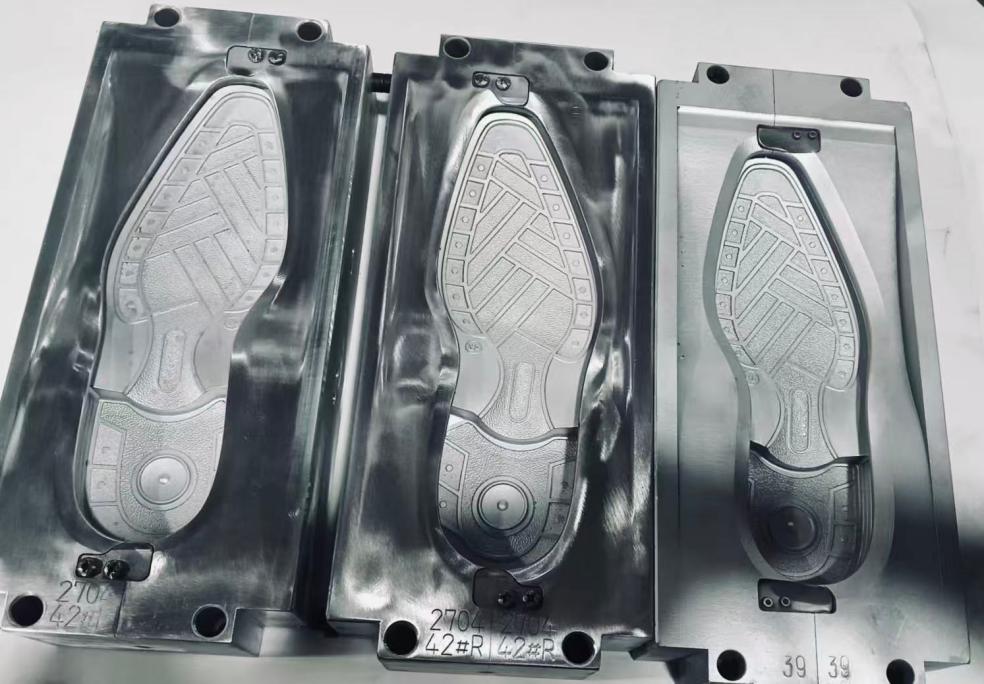
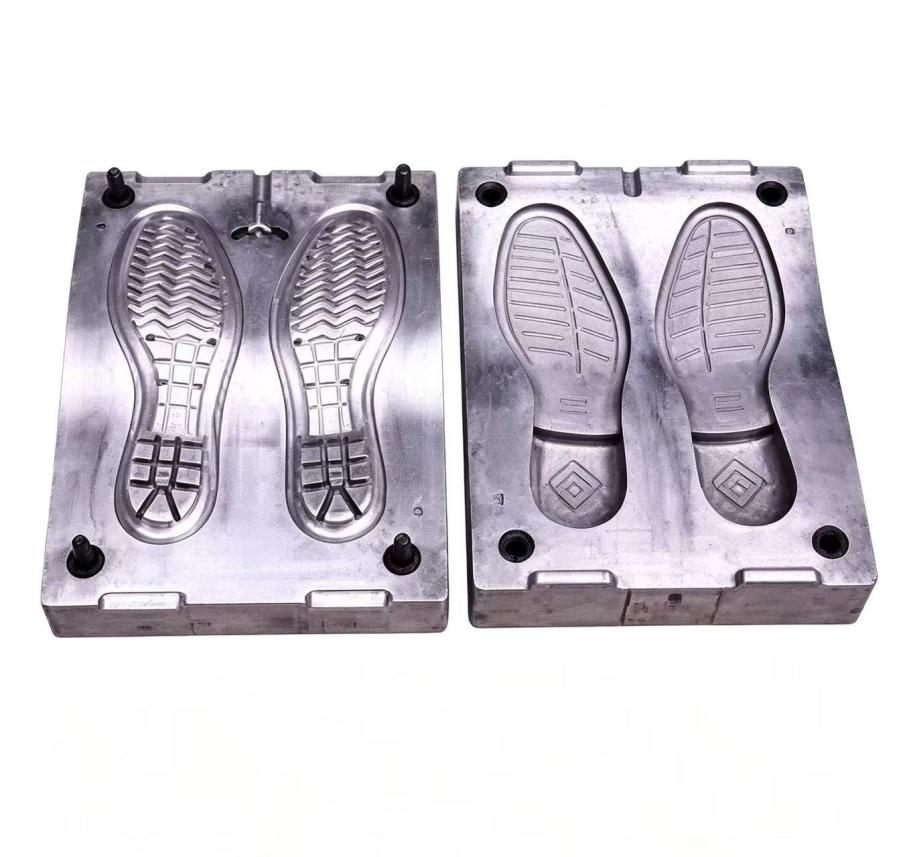
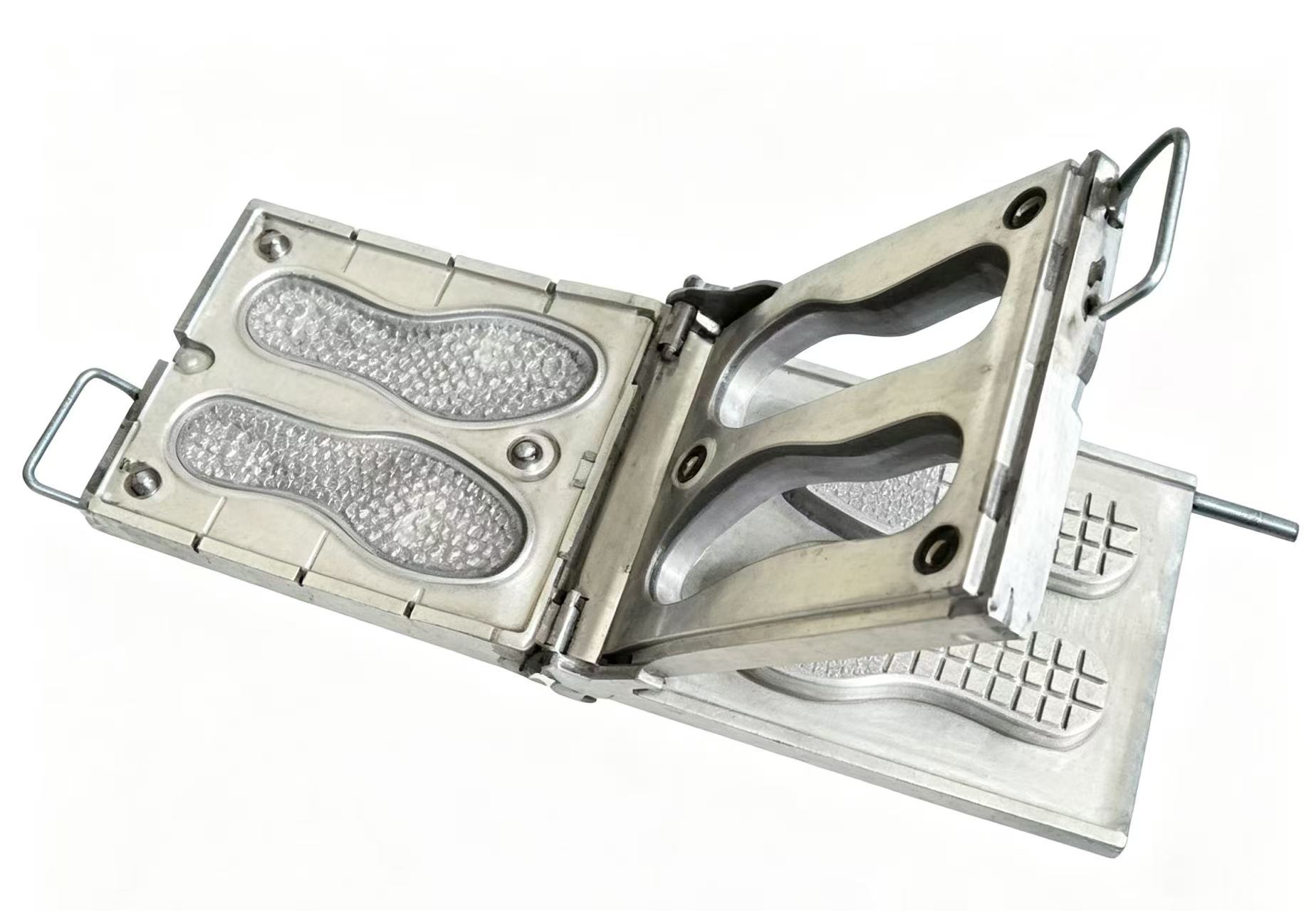
A shoe outsole mold is a tooling system used to form the final shape, tread pattern, logo, dimensions, and structural details of an outsole during production.
Depending on the footwear construction and production process, outsole molds can be designed for different materials and manufacturing methods, including:
Rubber outsoles
EVA outsoles
TPR outsoles
TPU outsoles
ETPU or foam-based components
PU outsoles
Combination or multi-material soles
A simple outsole with a standard structure may require relatively straightforward tooling.
However, a complex outsole with multiple colors, embedded TPU parts, deep tread patterns, or special structures can require considerably more complicated mold construction.
Therefore, there is no single standard price for a custom shoe outsole mold.
Several factors can affect the final tooling price. The most important ones are discussed below.
The first factor is the basic structure of the mold.
A relatively simple outsole design may have a straightforward mold structure, while a more complicated design may require additional plates, inserts, cavities, sliders, or other components.
The mold may also need to accommodate:
Deep tread patterns
Complex sidewall structures
Undercuts
Special logos
Decorative elements
Different outsole sections
Insert components
The more complicated the mold structure, the more machining and assembly work is generally required.
This is why two outsole designs with similar dimensions can still have very different tooling costs.
The physical size of the outsole is only one part of the calculation. Mold complexity often has a greater impact.
The number of colors is another important factor.
A single-color outsole generally has a simpler production process and mold structure.
A two-color outsole, however, may require additional tooling considerations depending on how the two materials or colors are positioned.
For example, a two-color outsole may involve:
Separate material areas
Color separation structures
Additional mold components
More complicated injection or molding procedures
More precise positioning requirements
If the design requires the two colors to form a specific visual pattern, the tooling must be designed to control the material flow and separation accurately.
Therefore, a two-color outsole mold is not simply a single-color mold with an extra color added.
The actual cost depends on the construction and production process.
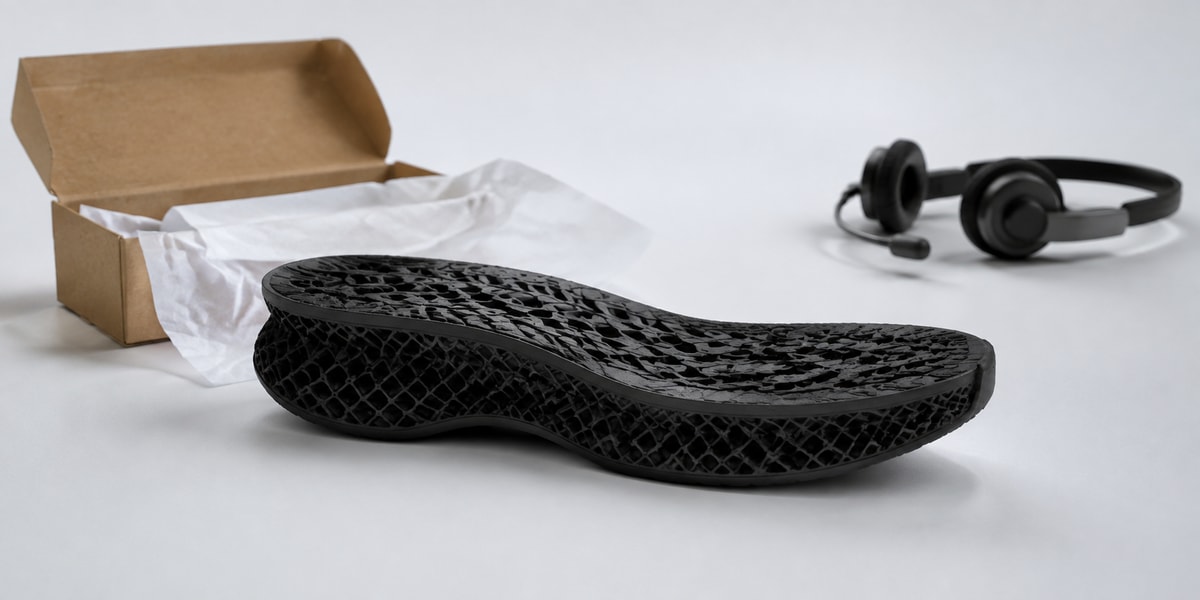
Some modern outsole designs include additional components embedded into the sole.
For example, a footwear brand may want to integrate:
TPU inserts
TPU shanks
Decorative TPU elements
Stabilizing components
Logo inserts
Functional plates
Other rigid or semi-rigid components
When an insert needs to be positioned inside the outsole during molding, the mold may require special structures to hold and locate the component accurately.
This increases tooling complexity.
For example, if a TPU insert must remain precisely positioned during molding, the mold needs to account for:
Insert positioning
Insert fixation
Material flow
Mold closing
Finished-product release
Dimensional tolerance
This is one reason why an outsole with an embedded TPU component may cost more to tool than a similar outsole without an insert.
The manufacturing process also has a major influence on mold design.
One important distinction is between direct injection outsole production and cemented outsole construction.
For direct injection footwear, the outsole or sole material is formed directly onto the upper or shoe assembly during the molding process.
This type of tooling needs to consider factors such as:
Injection points
Material flow
Upper positioning
Mold closing
Pressure
Venting
Flash control
Demolding
Because the mold interacts with the shoe upper or last during production, the tooling structure can be more complicated.
The exact mold construction also depends on the specific injection process and machine.
For conventional cemented footwear, the outsole is usually manufactured separately and later bonded to the upper.
The mold therefore focuses primarily on forming the outsole itself.
Depending on the outsole material, this may involve different molding methods, such as compression molding or other material-specific processes.
Compared with direct injection tooling, the mold structure and production requirements can be quite different.
This is why you should tell your mold supplier how the outsole will be produced before asking for a tooling quotation.
A drawing alone may not provide enough information for an accurate quotation.
The material used to manufacture the mold is another important cost factor.
Different mold materials offer different combinations of:
Machinability
Strength
Thermal performance
Wear resistance
Surface quality
Service life
Manufacturing cost
For example, tooling intended for high-volume production may require a different material or treatment strategy from tooling intended only for prototypes or limited production.
The correct mold material should therefore be selected according to the production process, outsole material, expected production volume, and required tooling life.
Choosing the most expensive mold material is not always the best solution.
The goal should be to select a material that provides the right balance between cost, durability, precision, and production requirements.
The outsole material itself can also influence tooling requirements.
Different materials have different molding characteristics.
Outsole Material | Typical Tooling Considerations | |
Rubber | Compression, vulcanization, tread detail, heat resistance | |
EVA | Foaming behavior, expansion, density control | |
TPR | Injection behavior, material flow, surface detail | |
TPU | Injection parameters, shrinkage, surface finish | |
ETPU | Foaming and expansion characteristics | |
PU | Chemical reaction, injection process, mold design |
This is why a mold supplier should know the intended outsole material before calculating the tooling cost.
A mold designed for one production process may not be suitable for another.
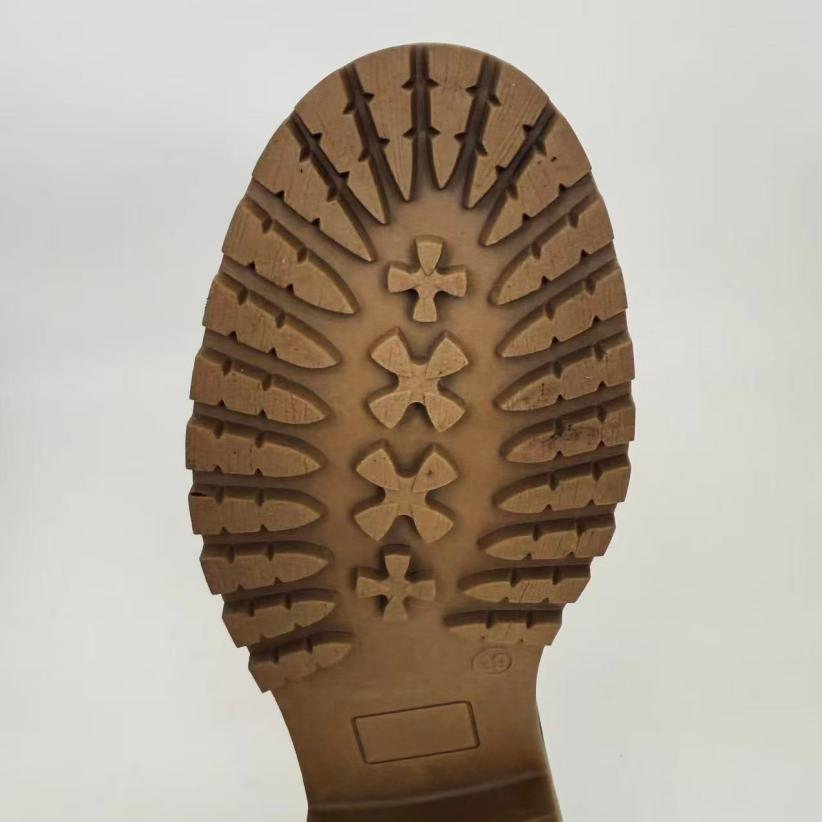
The bottom pattern is one of the most visible parts of an outsole, but it is also an important tooling consideration.
A simple tread pattern is generally easier to machine.
A highly detailed outsole may contain:
Deep grooves
Fine textures
Small traction blocks
3D patterns
Micro textures
Sharp edges
Complex logos
Different tread zones
These details increase machining requirements and may also affect mold finishing and polishing.
For performance footwear, the tread design may need to balance traction, flexibility, abrasion resistance, and weight reduction.
Therefore, the outsole mold is not simply a negative copy of the outsole drawing. The tooling engineer needs to consider how the design will actually behave during production.
Another important question is:
Are you developing one size or a complete size range?
A mold for one outsole size is different from tooling for multiple sizes.
If a brand needs several outsole sizes, each size may require its own corresponding tooling or size-specific mold components, depending on the production system.
For example, a customer may require:
EU 36–40
EU 39–44
EU 40–46
The tooling investment can therefore increase significantly when a complete size range is required.
This is particularly important for new brands.
If you are launching a new product and demand is still uncertain, it may be more cost-effective to carefully determine the initial size range instead of immediately developing every possible size.
A custom outsole often includes branding elements such as:
Company logos
Brand names
Model numbers
Size marks
Technical information
Decorative graphics
Simple raised or recessed logos may be relatively straightforward.
However, extremely fine details or complicated 3D branding may require more precise machining and finishing.
For brands, this is also an important consideration because logo accuracy is part of the final product quality.
Surface treatment and finishing can also affect tooling costs.
Depending on the desired outsole appearance, the mold may require:
Polishing
Texture
Sandblasting
Etching
Special surface treatment
High-gloss finishing
A high-quality surface finish requires additional processing time.
For example, a smooth outsole sidewall designed for a premium footwear product may require a different finishing process from a heavily textured outdoor outsole.
The intended production volume is another factor that should not be overlooked.
A mold for prototype development does not necessarily have the same requirements as a mold intended for hundreds of thousands of pairs.
For mass production, manufacturers may pay more attention to:
Mold durability
Repeatability
Dimensional stability
Production efficiency
Maintenance
Cycle consistency
A low-cost mold may look attractive at the beginning, but if it cannot maintain consistent quality during mass production, the initial saving may become a larger production cost later.
For this reason, the cheapest mold is not always the most economical mold.
A professional mold manufacturer does more than calculate machining costs.
At Huadong Holdings Group, our outsole mold development process starts by evaluating the outsole design, material, production method, color structure, embedded components, size range, and expected production volume.
This allows our engineering team to determine the appropriate mold structure before calculating the tooling cost.
For example, a customer may initially request a quotation for a “two-color outsole mold,” but the actual tooling requirements can vary significantly depending on whether the two colors are molded simultaneously, separately, or combined with additional TPU components.
Therefore, providing a 2D drawing or 3D CAD file is usually the best starting point for an accurate quotation.
This approach also helps identify potential tooling issues at an early stage. Instead of simply giving a mold price, an experienced outsole mold manufacturer can evaluate whether the proposed structure is practical for the intended production process and volume.
For footwear brands and manufacturers, this can help reduce unnecessary tooling costs and avoid design changes after mold production has already started.
This is one of the most common questions from footwear buyers.
Two outsole designs may look similar in a 2D drawing, but their tooling costs can still be different.
For example:
Single color
Simple tread
Standard structure
No embedded components
Conventional production process
Two colors
Complex tread pattern
TPU insert
More complicated internal structure
Higher precision requirements
Although the overall outsole dimensions may be similar, Mold B requires significantly more engineering and machining work.
This is why professional tooling quotations should be based on the actual design and production requirements, rather than simply the outsole length and width.
If you want a realistic tooling quotation, it is best to provide as much information as possible.
A mold supplier will normally need some combination of the following:
A 3D CAD file is especially useful for complex outsole structures.
Specify whether you plan to use:
Rubber
EVA
TPR
TPU
ETPU
PU
Or another material
Tell the supplier whether the outsole will be:
Compression molded
Injection molded
Direct injected onto the upper
Cemented
Or produced using another process
Specify whether it is:
Single color
Two color
Multi-material
Multi-component
If the outsole contains TPU inserts or other components, provide their drawings or samples if available.
Tell the supplier which sizes you need.
A mold intended for a small development project may have different requirements from tooling intended for long-term mass production.
If your tooling budget is limited, there are several ways to control the cost without unnecessarily compromising product quality.
Avoid adding complicated structures unless they have a clear functional or aesthetic purpose.
If the outsole can achieve the same visual effect with a simpler construction, this may reduce tooling complexity.
TPU inserts and other components should be incorporated only where they provide real functional or design value.
For new products, consider developing the most important sizes first if your business model allows it.
Your expected order quantity can help the tooling supplier recommend an appropriate mold construction.
When comparing tooling quotations, it is easy to focus only on the final number.
However, the lowest mold price does not necessarily mean the lowest total cost.
A cheaper mold may potentially involve compromises in:
Mold material
Machining precision
Surface finishing
Tooling durability
Production stability
Dimensional consistency
For footwear manufacturers and brands, the real objective should be:
the right mold at the right cost for the intended production volume.
A well-designed mold can improve production consistency and reduce problems during mass production.
As with outsole lightweighting, mold development is ultimately about finding the right balance between performance, complexity, quality, and cost.
The cost of a custom shoe outsole mold is determined by much more than the size of the sole.
Mold structure, material, production process, color configuration, embedded TPU components, tread complexity, mold material, surface finish, size range, and production requirements can all influence the final tooling cost.
For this reason, there is no meaningful “one-size-fits-all” price for custom outsole molds.
If you are developing a new footwear project, the best approach is to evaluate the outsole design and manufacturing process first, then calculate the tooling investment.
A professional outsole mold supplier should not only tell you the mold price. They should also help you understand why the mold costs what it does and whether the proposed tooling structure is suitable for your production needs.
Need a custom shoe outsole mold quotation? Send us your outsole drawing, 3D file, material requirements, and size range. The Huadong Holdings Group team can evaluate the tooling structure and provide a customized quotation for your project.
There is no universal price.
The final cost depends on the outsole design, mold structure, material, production process, number of colors, size range, embedded components, mold material, and finishing requirements.
A supplier normally needs the outsole drawing and production information before providing an accurate quotation.
Generally, it can, because two-color construction may require additional tooling structures and more complicated production control.
However, the exact cost depends on how the two colors are constructed.
It can.
If TPU is used as an embedded insert or requires special positioning inside the outsole, additional tooling structures may be necessary.
It can be, depending on the footwear construction and injection process.
Direct injection tooling needs to account for the relationship between the outsole, upper, last, material flow, and mold closing.
Usually, size-specific tooling requirements need to be considered. A complete size range may require multiple size-specific molds or tooling configurations.
This should be confirmed with the mold manufacturer based on the specific production system.
The best way is to provide:
2D or 3D outsole drawings
Material requirements
Production method
Color requirements
Size range
Embedded component information
Expected production volume
The more complete the information, the more accurately the tooling supplier can evaluate the project.


