
Views: 0 Author: Site Editor Publish Time: 2026-09-22 Origin: Site


Orthopedic shoe soles are part of a complete footwear system that combines the upper, last, insole and outsole. Their design can provide support, cushioning and stability, but a material name alone does not establish a medical benefit. For brands developing orthopedic or diabetic footwear, the starting point is the intended wearer, fit requirements and an agreed testing plan.
Orthopedic footwear is designed around specific support and accommodation needs. Common features include room for removable insoles or prescribed orthoses, an appropriately shaped toe box, heel support and a sole structure matched to the intended use. These features must work together; a thick insole or a soft sole alone does not make a shoe suitable for every foot condition.
Claims that footwear corrects deformities, changes gait or treats pain require evidence for the complete product and intended use. A clinician should guide footwear selection where a medical condition is involved.
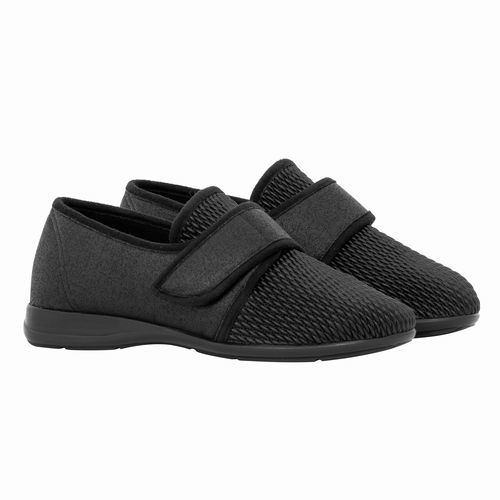
Evaluate the heel base, heel counter and resistance to unwanted deformation together. The required stability depends on the shoe construction and wearer; a firm heel is not a guarantee against ankle sprains or falls.
The midsole, shank and insole can contribute to midfoot support. Specify the shape, stiffness and space for the intended orthosis rather than assuming that a high-density material provides the correct support for everyone.
Forefoot bending, thickness and sole geometry influence how the shoe moves. Review these with the complete shoe. Some clinical designs require a different stiffness or rollover profile, so there is no universal flexibility rule for all orthopedic footwear.
Performance varies with formulation, density, hardness, geometry and production quality. Use these materials as development options, then compare approved samples against measurable requirements.
Polyurethane can be formulated for different balances of cushioning, weight and structural support. It is an option for orthopedic footwear development, but it is not automatically the best material for every wearer or a medical-grade product by default.
Agree the density, hardness, compression performance, bonding and aging tests with the supplier. Care and storage requirements depend on the formulation; moisture and aging resistance should be verified instead of inferred from the material name.
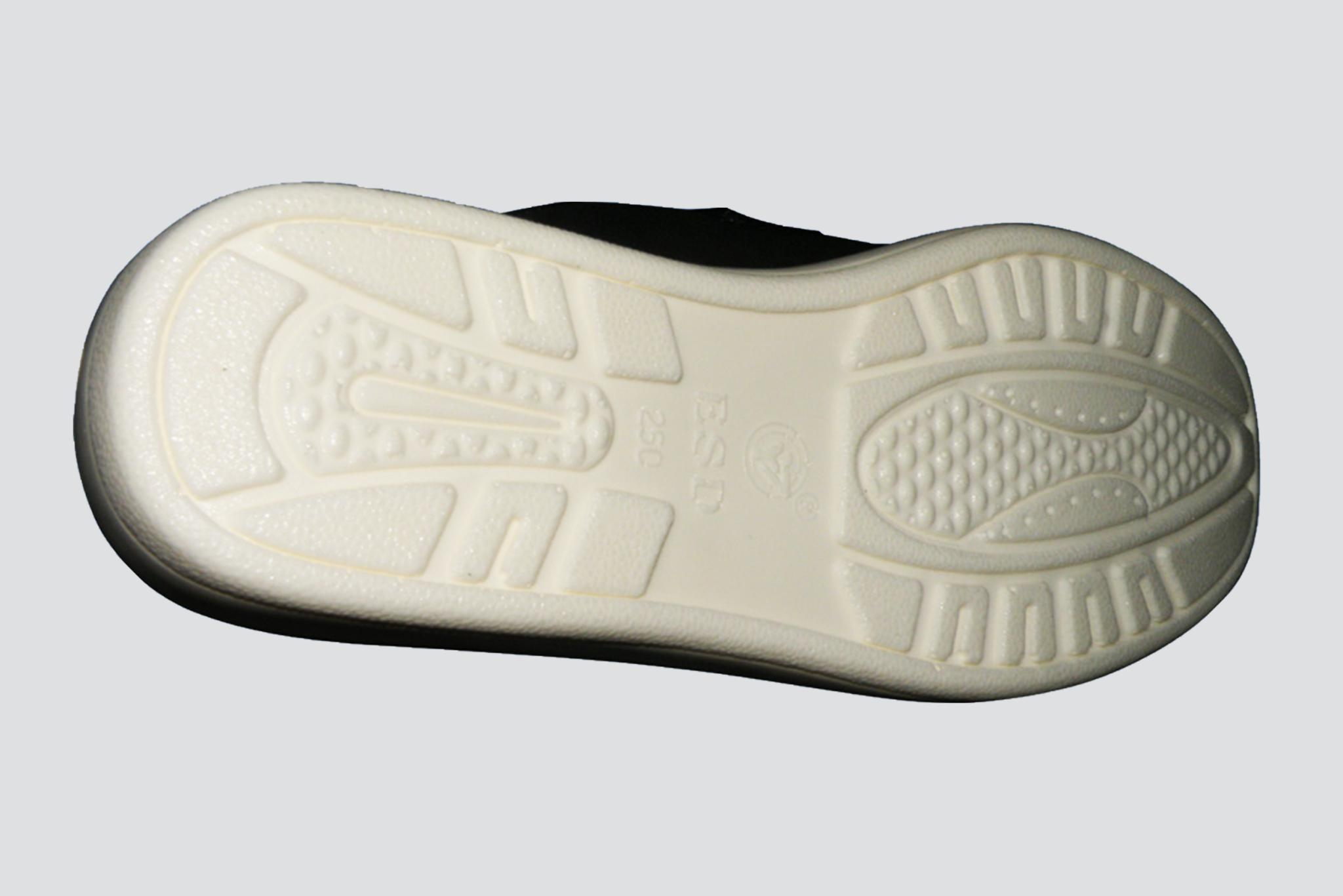
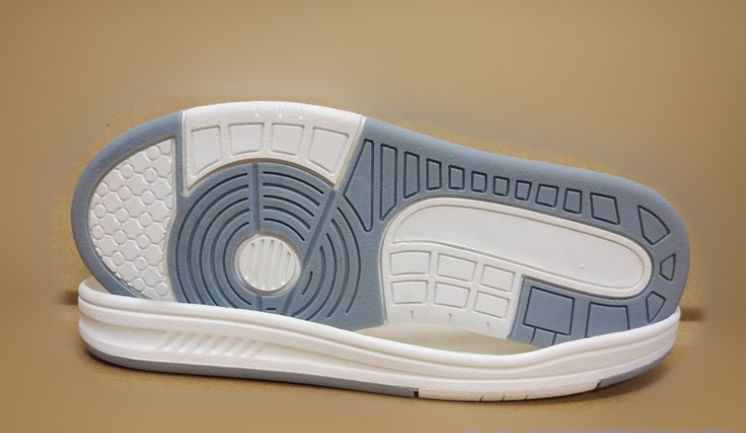
EVA is an option when weight and cushioning are important. Higher density or a reinforced construction may change its support characteristics, but the finished design still needs testing. Check compression set, thickness retention and durability under the intended load. Avoid assigning EVA to a particular age group or foot condition solely on the basis of softness or weight.
Rubber compounds can be used in ground-contact areas where wear and traction are priorities. Weight, hardness and flexibility depend on the compound and design. Slip resistance must be tested on relevant surfaces and contaminants; no outsole offers a universal guarantee against slipping.
TPU can be used for structured sole components or reinforcement where the design calls for it. Its stiffness and flexibility depend on the grade and geometry. Severe deformity or postoperative rehabilitation requires professional assessment; choosing a rigid TPU sole by itself does not establish suitability or corrective performance.
For arch support, heel discomfort, toe crowding or gait concerns, begin with the wearer's assessed needs and the complete shoe design. The outsole, insole, shoe volume and upper all influence the result. A roomy toe box may accommodate the forefoot, while an appropriate insole and sole construction can be specified as part of an individual fitting plan.
Avoid a fixed formula such as “PU for pain” or “TPU for severe deformity.” The same material can behave differently in different constructions. Footwear for growing children, older adults and rehabilitation should be selected according to the individual rather than a broad age-based material recommendation.
Diabetes can involve reduced foot sensation and circulation problems. Well-fitting footwear and regular foot checks are important; some people need special shoes or orthoses following professional assessment. See the NIDDK guidance on diabetes and foot problems.
For people with a healed plantar ulcer, the IWGDF recommends prescribed therapeutic footwear with a demonstrated pressure-relieving effect during walking, together with consistent use. This is a requirement for an assessed footwear system, not proof that a generic PU, EVA, rubber or TPU outsole is suitable. See the IWGDF prevention guideline.
For a diabetic footwear project, clarify the intended clinical use, last and fitting requirements, insole compatibility and evidence needed for any performance claims. An outsole supplier's material specification does not replace clinical fitting or assessment.
Define the intended footwear type, target size range and complete shoe construction.
Provide drawings or reference samples, dimensions, tread preferences and the intended insole or orthosis interface.
Specify material candidates, hardness, density, weight and flexibility targets.
Agree the relevant wear, flex, bonding, aging and slip-resistance tests and acceptance criteria.
For medical claims, identify the clinical evaluation and documentation required for the target market.
Approve samples before confirming tooling and production specifications.
For a custom development discussion with Huadong, prepare your reference design and technical requirements so that material options, samples and tooling can be reviewed against the same brief.
There is no single best material. PU, EVA, rubber and TPU offer different development options. The right choice depends on the formulation, construction, intended use and verified performance of the complete shoe.
No. Softness is only one characteristic. Fit, stability, cushioning, sole geometry and compatibility with the intended insole also need to be assessed.
Suitability cannot be established from the outsole alone. The complete footwear system must meet the wearer's assessed requirements; therapeutic footwear may require demonstrated pressure relief and professional fitting.
No. Compound, tread, surface condition and contamination all influence traction. Specify appropriate testing for the intended environment before making slip-resistance claims.
Provide drawings or samples, the size range, intended shoe construction, material and hardness targets, dimensions and testing criteria. Include any professional fitting or clinical requirements that the finished footwear must satisfy.


