
Views: 0 Author: Site Editor Publish Time: 2026-09-22 Origin: Site


Dance shoe soles need to balance flexibility, wear resistance and controlled traction for the intended movements and floor. This split-sole rubber design uses separate forefoot and heel sections and is available for OEM customization for dance and dance-inspired footwear.
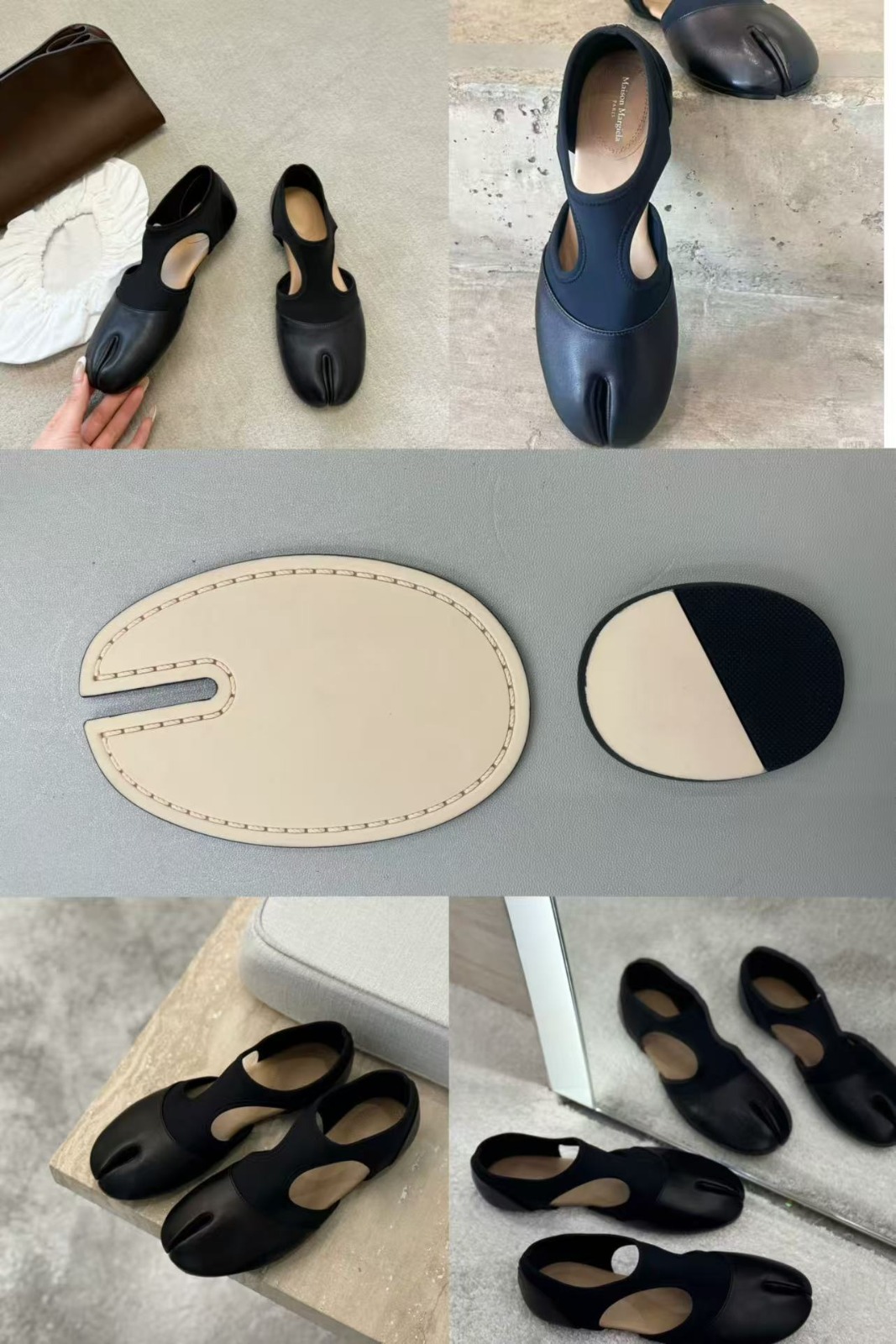
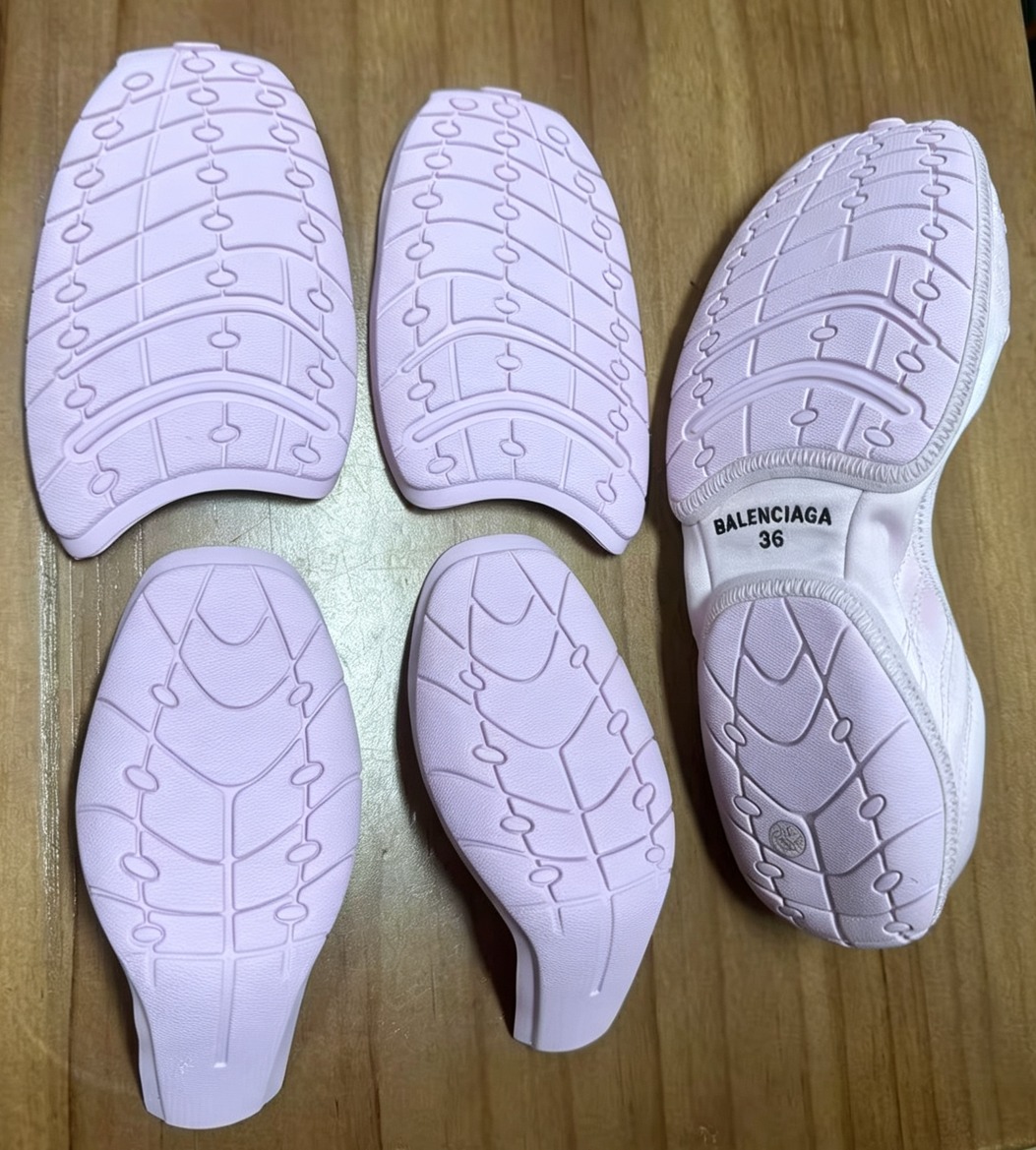
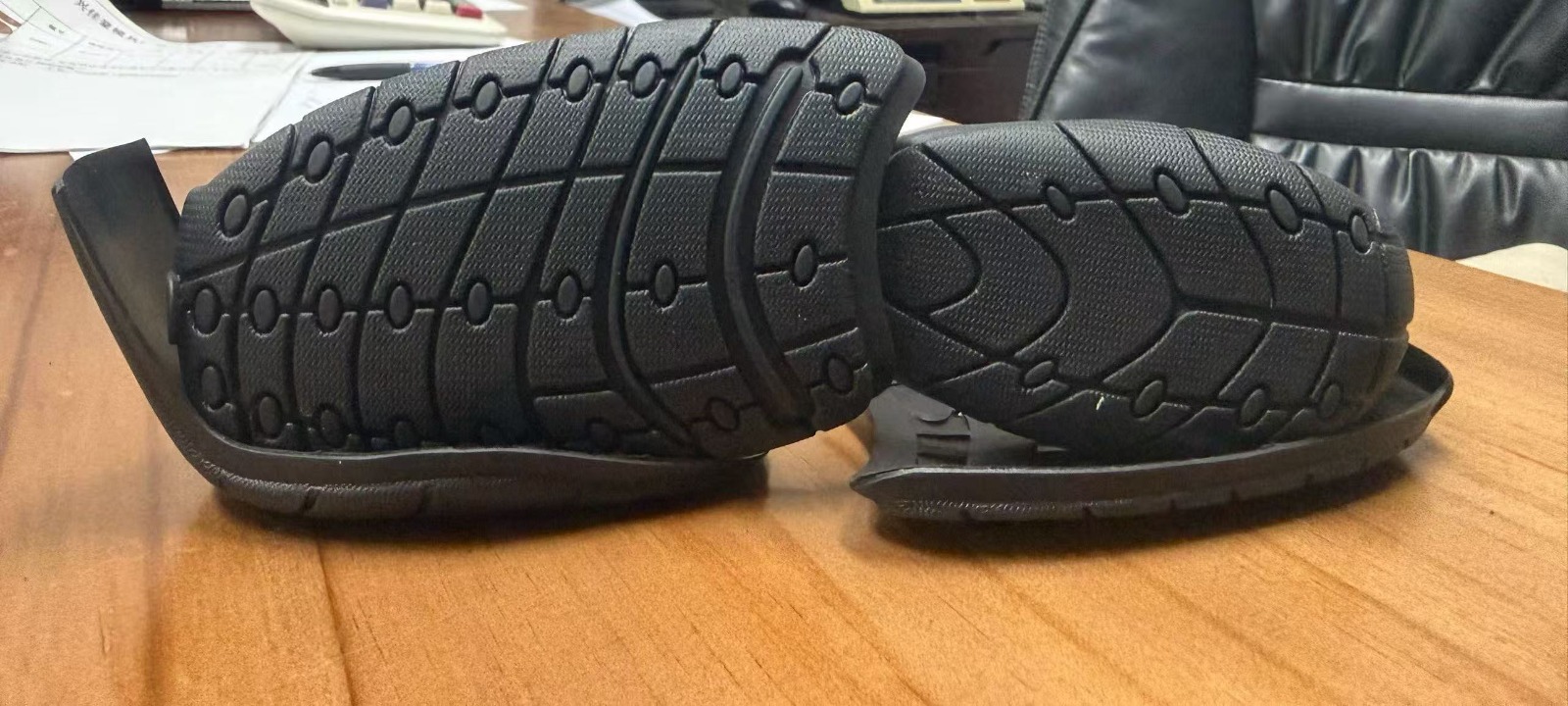
As shown in the actual photos, this rubber dance shoe sole features a two-piece independent structure at the forefoot and heel, with no hard sole material covering the arch area.
The open arch area allows the shoe to flex during pointing, bending and demi-pointe movements. The final flexibility and feel depend on the upper construction, rubber thickness, hardness and overall fit.
The forefoot rubber section covers the front contact area, while the heel section provides coverage at the rear. This design concentrates rubber in selected contact areas while leaving the arch free of a continuous outsole layer.
The tread uses interlaced grooves designed to balance traction and controlled movement. Grip, rotation and wear performance should be assessed with the finished shoe on the intended floor; no single tread is suitable for every dance surface or style.
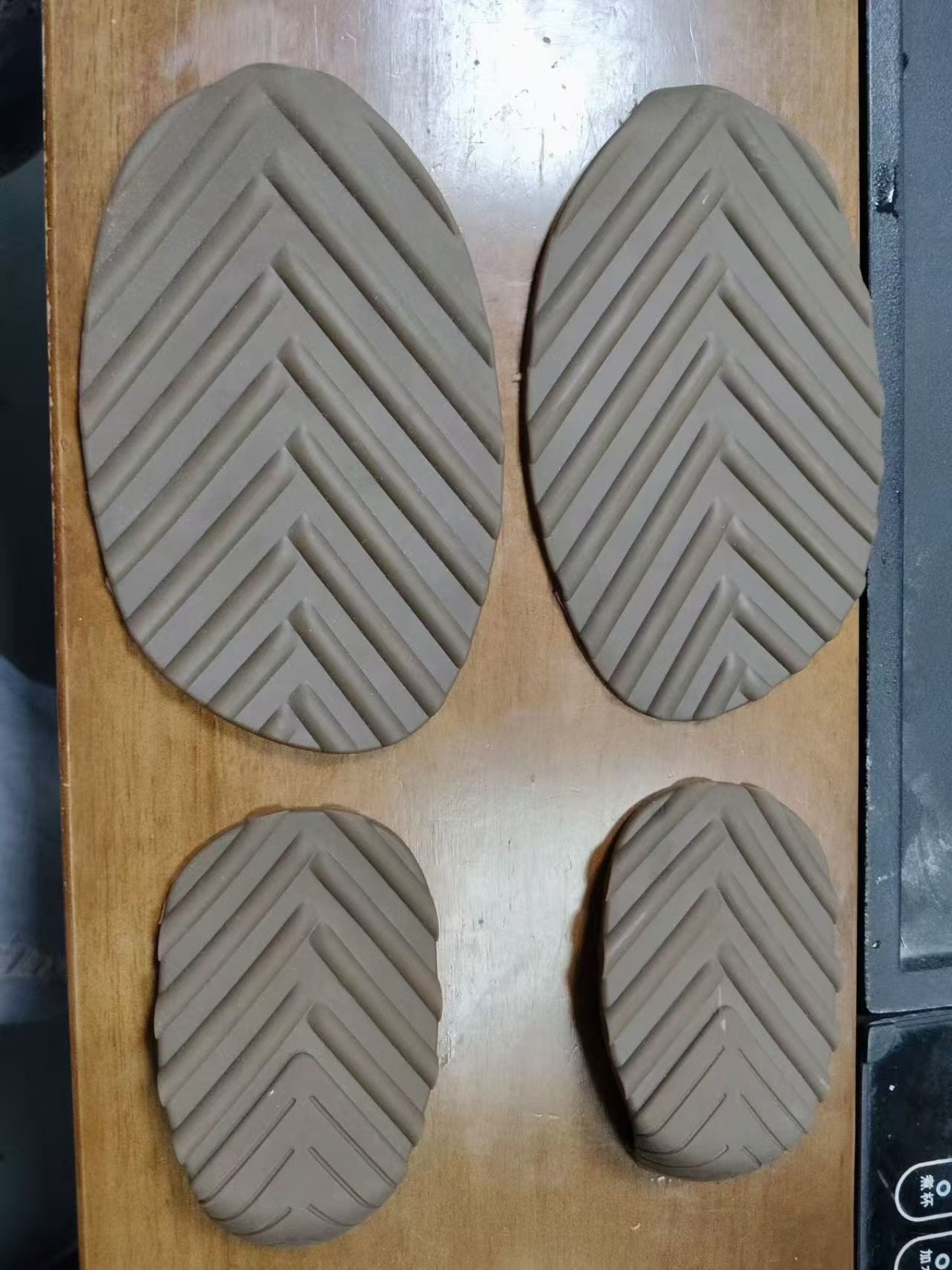
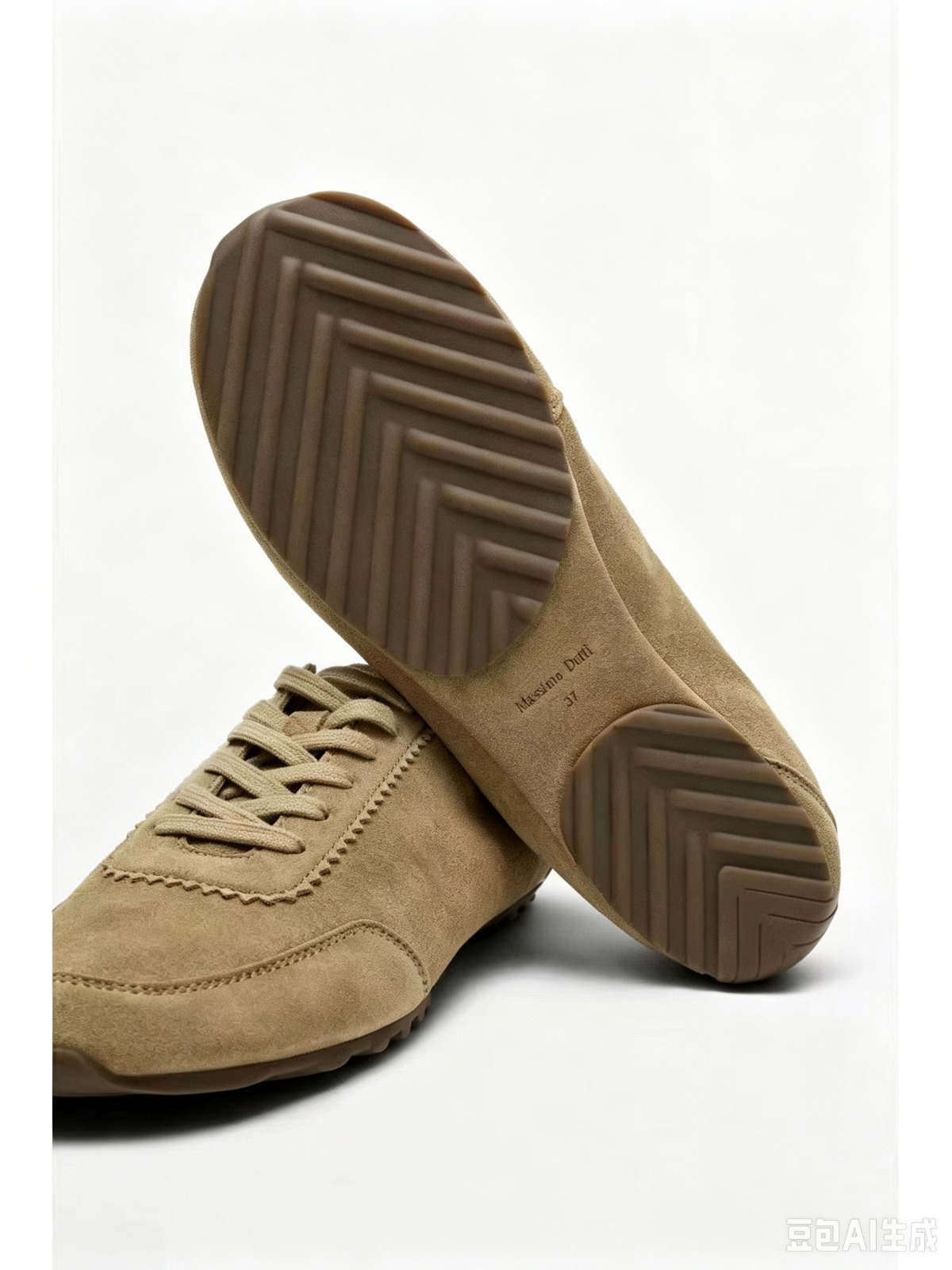
We use a modified rubber formula for our dance shoe soles, which differs from ordinary shoe rubber in several ways:
The rubber formulation can be developed for repeated dance movements. Flex resistance, cracking and other durability requirements should be specified and verified through agreed testing.
Rubber hardness, tread and floor conditions affect the balance between grip and rotation. Samples should be tested on the intended dance flooring before approval.
Wear resistance and aging requirements can be discussed for the expected training frequency and service conditions.
Colors can include pink, black, off-white and skin tones, subject to sample confirmation. The supplied photos include a light pink sample.
Thickness, sole weight and tread can be developed from customer samples or drawings. Dimensions and tolerances should be agreed and confirmed on samples.
This segmented rubber sole is primarily used for: ballet soft-soled dance shoes, modern dance and jazz dance training shoes, fashionable knitted dance casual shoes (similar to the knitted fabric dance shoes shown in the picture), and export dance shoe production. It supports large-volume 40-foot container orders and is suitable for overseas dance shoe factories. OEM and ODM mold making based on samples are available.
The design can be evaluated for training footwear, dance-inspired casual shoes and export production according to each project’s requirements.
As a source manufacturer of soles, we can provide:
Customers can provide samples or drawings for development of the tread, dimensions, thickness and weight, subject to engineering review and sample approval.
Size grading and tooling can be discussed for the required range. Please confirm the size system and available sizes when requesting a quotation.
Color and hardness can be adjusted according to the intended use and confirmed through sampling.
Small-batch sampling and larger export orders can be discussed, including container shipping. Quantities, production capacity and delivery terms should be confirmed for the project.
If you are a dance shoe factory or footwear trader looking for high-quality segmented rubber dance shoe soles, please contact us for samples, specifications, and quotations. Factory visits are welcome.
It has separate forefoot and heel outsole sections, with no continuous hard outsole covering the arch. This construction allows the arch area to flex with the shoe.
Yes. These features can be discussed together with thickness, weight and dimensions. Final specifications should be confirmed through engineering review and sample approval.
No. Traction and rotation depend on the floor, its condition, the rubber compound and tread. Test the finished shoe on the intended surface before selecting the final specification.
Provide reference soles or drawings, the required size system and range, dimensions, color, hardness preference, intended dance use and flooring, and expected order quantity.
Sampling can be discussed before production. Confirm the sample quantity, development costs, testing requirements and lead time with the factory.


