
Views: 6 Author: Site Editor Publish Time: 2026-10-14 Origin: Site


PU and PVC soles can offer different combinations of weight, flexibility, appearance and cost. This guide compares the material options for footwear projects described as vacuum-molded soles. Because factories may use this term for different constructions, confirm the exact material grade, forming method and sole structure before comparing quotations.
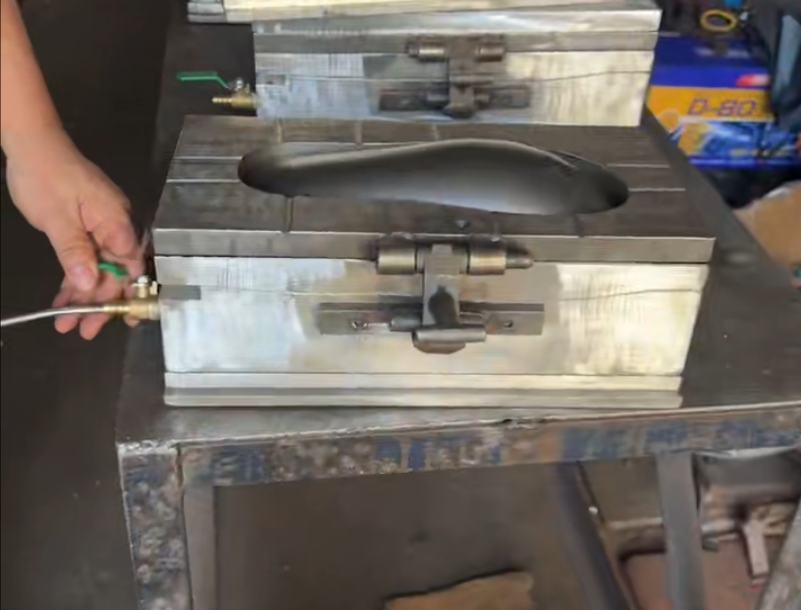
In sheet vacuum thermoforming, a suitable thermoplastic sheet is heated, drawn against a mold by vacuum, then cooled and trimmed. However, a trade description such as “PU vacuum-molded sole” does not by itself establish that the entire sole is made from a heated sheet. Confirm whether the product uses a formed surface layer, a composite construction or another vacuum-assisted process. Conventional reactive PU sole systems should not be assumed to behave like thermoplastic sheets.
For compatible sheet materials, vacuum forming can reproduce surface contours and decorative details. Feasibility depends on sheet thickness, draw depth, material behavior and tool design. Ask the supplier to validate tread definition, wall thickness and the role of the formed part in the finished sole.
For a sheet-based vacuum-forming process, the PVC grade must be suitable for thermoforming. Confirm the formulation and whether the formed layer is the finished sole or part of a composite construction.
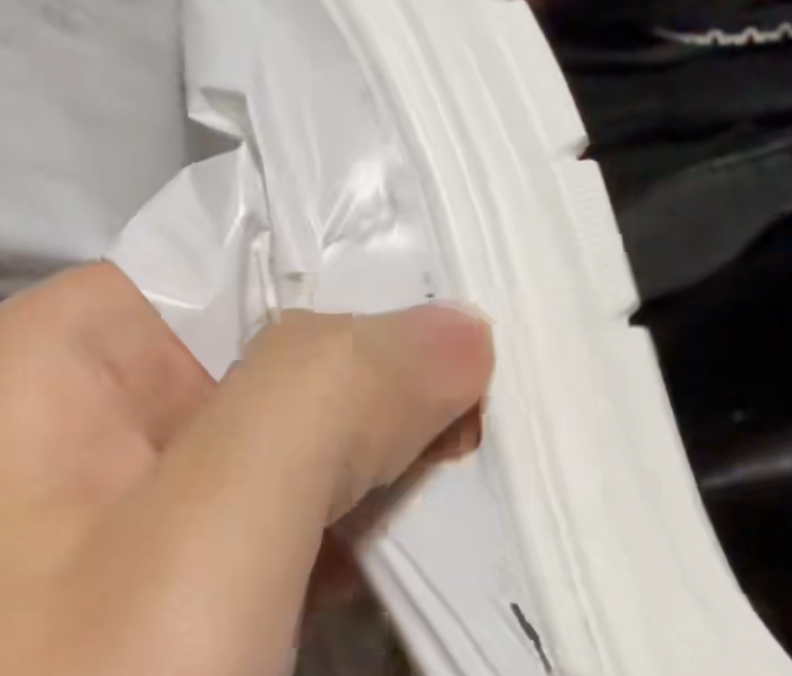
1. Low cost: Raw material prices are low, offering a significant unit-price advantage for mass production; suitable for budget-friendly footwear.
2. Formability: Suitable PVC sheets become formable under controlled heating. Pattern quality and production yield depend on material thickness, temperature, vacuum and tooling.
3. Rich color options: Easy to color; can be produced in solid, transparent, or semi-transparent finishes, offering great flexibility in color design.
4. Adjustable hardness: Formulations can be tweaked to create a softer or harder feel, meeting the aesthetic and functional requirements of slippers and fashion shoes.
1. Weight: Solid PVC may be heavier than a low-density foamed PU construction of comparable volume. Compare actual component weights.
2. Cold flexibility: Some PVC formulations stiffen at low temperatures. Test the selected grade at the intended use temperature.
3. Slip resistance: Wet and dry grip depend on the compound, tread and contact surface. Evaluate the finished sole instead of assigning a performance rating from the PVC name alone.
4. Chemical requirements: Flexible PVC commonly uses plasticizers. Obtain formulation information and test reports for the intended market and buyer requirements.
Affordable slippers, indoor footwear, fashion sandals for short-term wear, promotional casual shoes; products where visual appeal is the priority and requirements for abrasion resistance and lightweight construction are not critical.
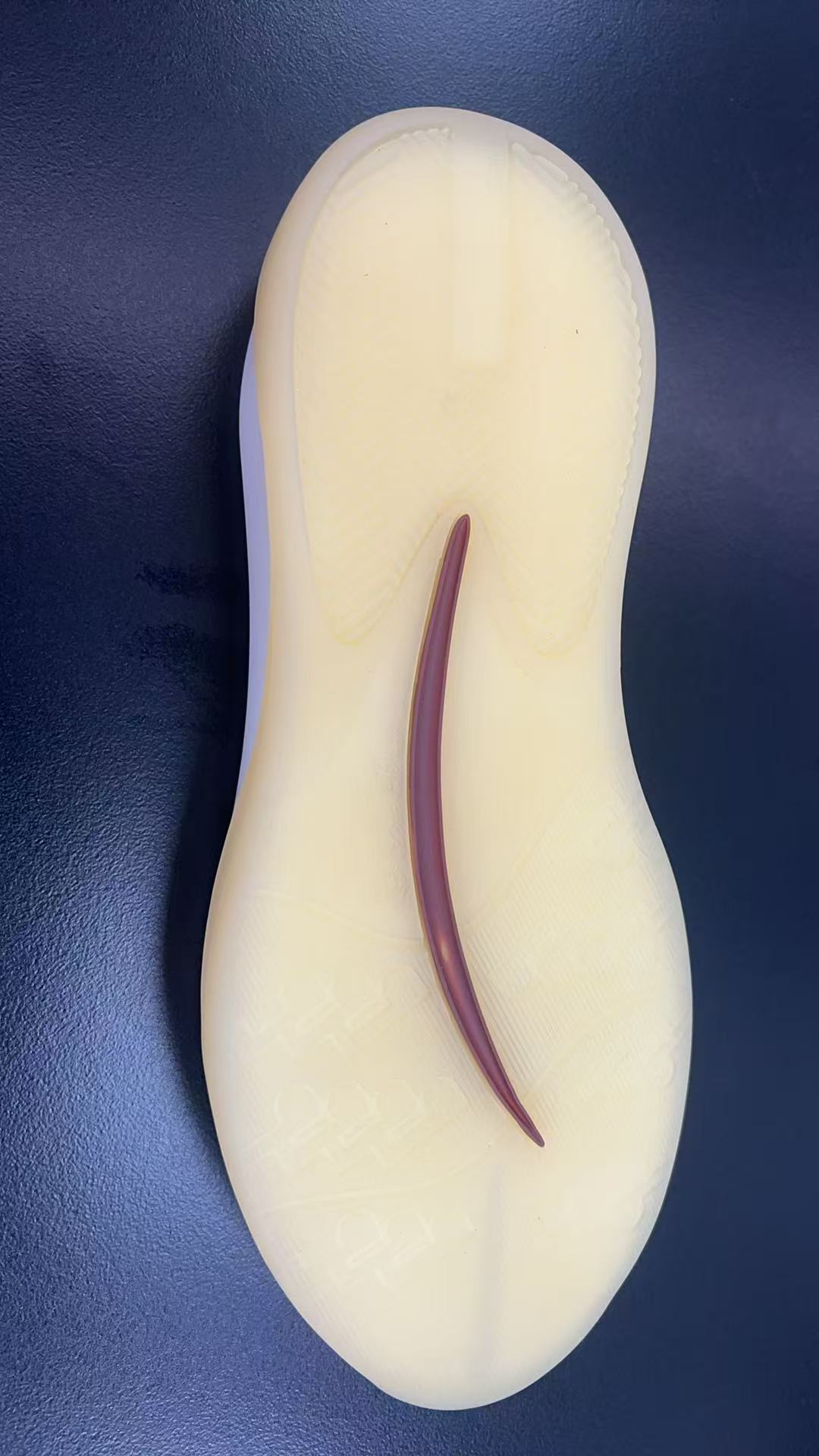
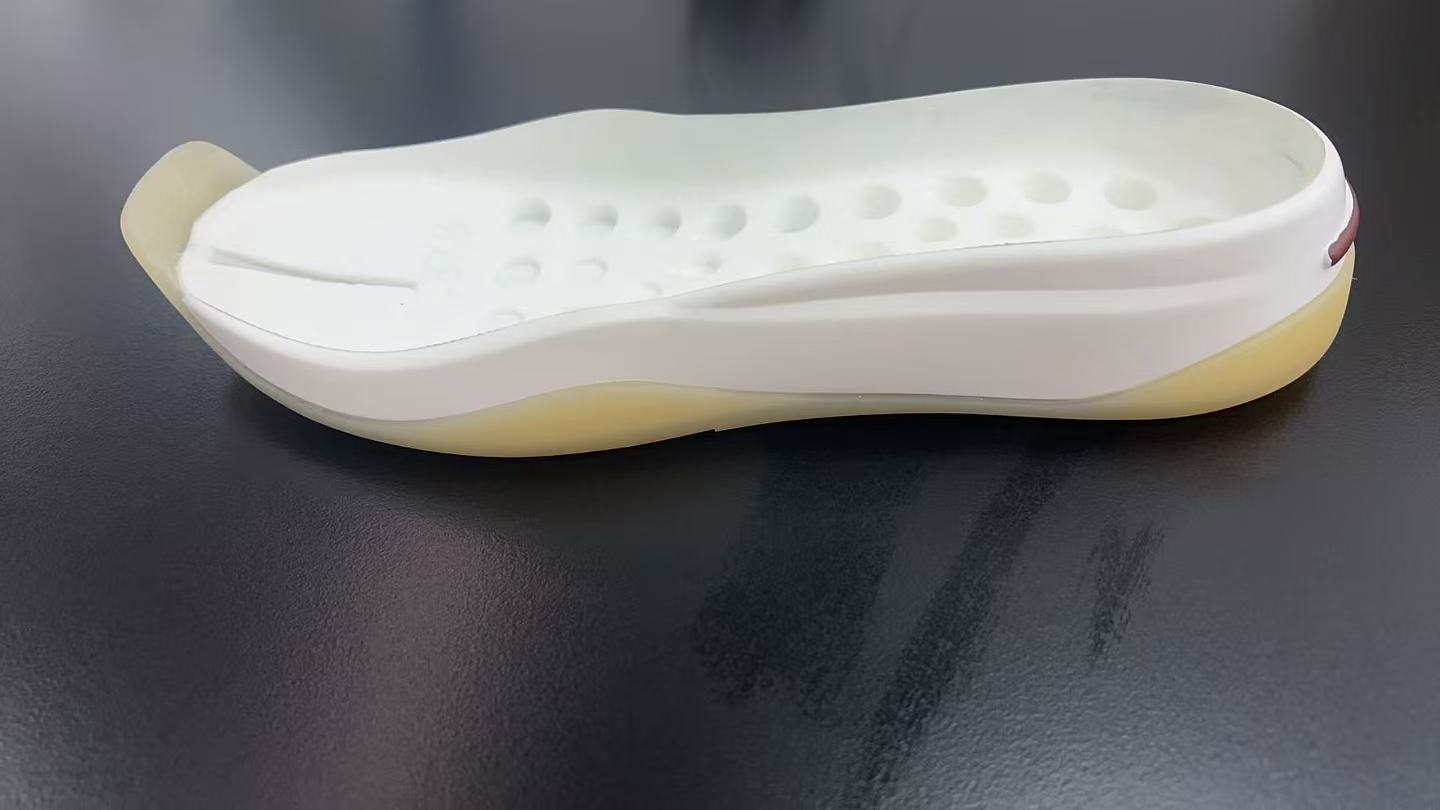
PU footwear materials include different reactive and thermoplastic systems. For a product described as a PU vacuum-formed sole, confirm the material system and construction with the factory. The following potential benefits and limitations depend on the selected grade and production route.
1. Lightweight options: Foamed PU systems can support low-weight sole designs. Final weight depends on density, thickness and construction.
2. Elasticity: Suitable PU formulations can provide a flexible feel and cushioning. Verify hardness, rebound and flex behavior on samples.
3. Abrasion and flex resistance: These properties can be tailored through formulation and design. Compare test results against the intended footwear application.
4. Slip resistance: A suitable PU compound and tread may provide the required grip, but PU is not automatically more slip-resistant than PVC. Test the finished construction under relevant conditions.
5. Material options: Ask suppliers about low-emission formulations and relevant test documentation. Material names alone do not establish environmental performance or market compliance.
1. Higher material costs: Raw material and processing costs exceed those of PVC, resulting in a higher unit price for the finished product.
2. Storage requirements: Some PU materials are prone to hydrolysis when exposed to long-term moisture; temperature and humidity control are required during warehousing and storage of finished goods.
3. Higher molding complexity: Strict control of process parameters is required, placing demands on the factory's technical capabilities.
Mid-to-high-end casual shoes, beach slippers, outdoor casual sandals, export footwear, and shoes designed for prolonged walking; ideal for customers who prioritize lightweight construction, comfort, durability, and compliance with environmental export standards.
1. For limited budgets, style-focused designs, short-term wear, and domestic home slippers: Prioritize PVC vacuum-molded soles.
2. For export orders, lightweight comfort, wear resistance, slip resistance, and mid-to-high-end footwear: Prioritize PU vacuum-molded soles.
3. For overseas clients: Confirm the target market and buyer restricted-substance requirements for both materials. Request relevant reports for the actual formulation; neither PU nor PVC is automatically compliant.
PVC can be a cost-focused option, while suitable PU formulations can support lightweight and cushioning goals. Confirm the actual manufacturing route and compare equivalent samples before selecting a material. Sole selection should not be based on price alone; it requires a comprehensive assessment considering the target market, product positioning, usage environment, and regulatory compliance requirements.
Not necessarily. Confirm the material grade, whether the product is a formed sheet or a composite sole, and the factory’s actual production route before comparing tooling or costs.
A low-density foamed PU construction may be lighter than solid PVC of comparable volume. Compare the finished sample weight and structure rather than the polymer name alone.
No. Grip depends on formulation, tread geometry and the contact surface. Test the finished footwear in the expected dry and wet conditions.
Provide the sole drawing or sample, size range, target weight and hardness, use environment, expected quantity and testing requirements. Also confirm the required appearance and manufacturing process.
Both require evaluation against the target market and buyer specifications. Ask for current test documentation for the selected formulation and finished product.


