
Views: 6 Author: Site Editor Publish Time: 2026-10-14 Origin: Site


PVC drip-molded soles offer a way to combine flexible sole constructions with detailed textures, colors and molded logos. For footwear brands and procurement teams, the key is to match the PVC formulation, mold design and processing conditions to the intended product. This guide explains the production concept, potential benefits, applications and information needed for OEM or ODM development.
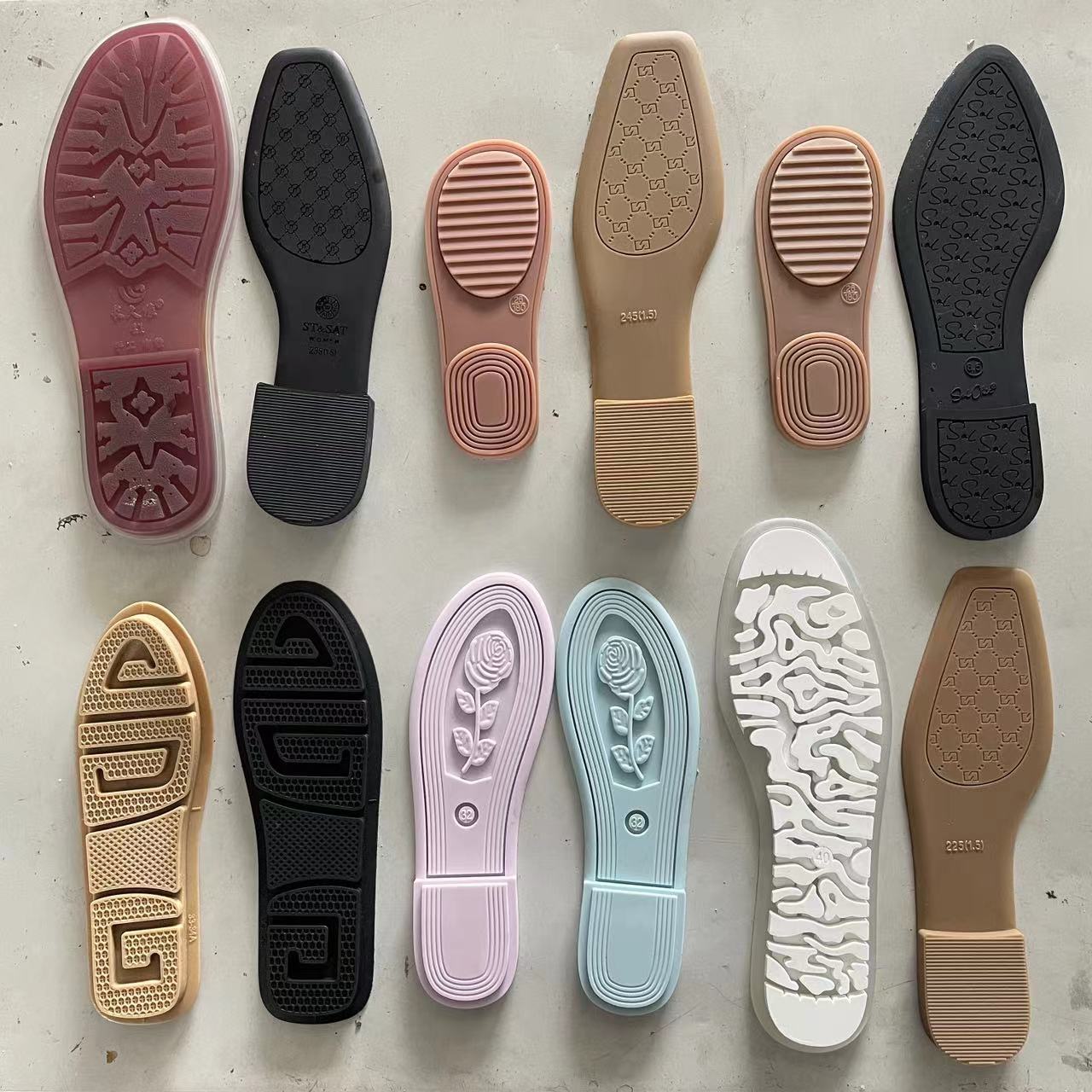
In a PVC plastisol-based process, a liquid dispersion containing PVC resin, plasticizers and additives is dispensed into a mold. Controlled heating develops the molded structure, followed by cooling, demolding and trimming. The dispensing pattern, heating cycle and material formulation must be matched to the component geometry.
The process can reproduce raised textures, decorative features and logos. A one-piece sole component may reduce joints within that component, but it does not eliminate the need to evaluate bonding or attachment to the upper and other shoe parts. Multi-color or composite designs may require additional processing stages.
Molds can incorporate textured or raised tread patterns. Slip resistance depends on the compound, tread geometry, wear state and contact surface, so dry and wet grip should be tested on the finished footwear. Abrasion and flex testing help establish whether the selected formulation suits the expected service conditions.
Formulation and thickness can be adjusted to achieve different levels of flexibility and hardness. A softer feel does not automatically provide better cushioning or lower weight. Compare sample weight, flex behavior and fit within the complete shoe construction.
A molded PVC component can offer water resistance, but a waterproof sole material does not make the entire shoe waterproof. Seams, joints and upper-to-sole attachment still matter. If the product will encounter oils, cleaners or other chemicals, evaluate resistance to the specific substance and exposure conditions.
Claims such as low odor, restricted-substance compliance or suitability for children’s footwear require supporting information for the actual material and product. Ask for current test reports, the tested formulation and the intended market requirements. The word PVC alone does not establish product safety or compliance.
PVC drip molding can support a range of colors, textures and molded branding details. Cost and production time depend on design complexity, tooling, material selection, order quantity and inspection requirements. Compare quotations for the same specifications rather than assuming one material will always cost less than another.
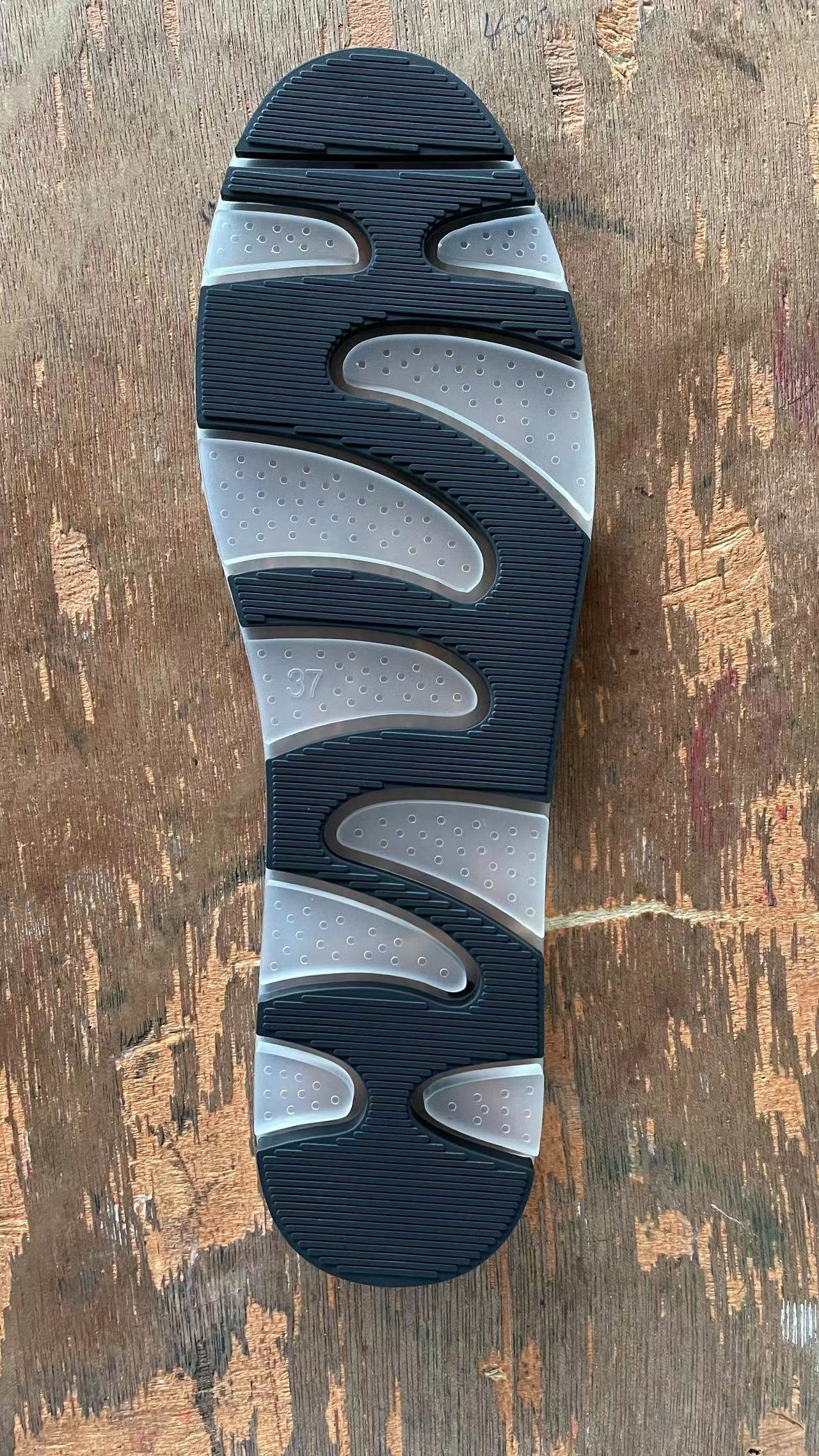
Potential applications include home slippers, sandals, casual footwear and decorative or functional sole components. Each design needs a material and construction assessment. Children’s footwear, rain footwear and occupational footwear require validation against their specific use and performance requirements.
Special properties such as antistatic performance, oil resistance or protective-footwear performance should be specified and tested separately; they are not automatic properties of every PVC drip-molded sole.
Huadong provides PVC sole development and customization services, including mold development, material selection, pattern design, sampling and production coordination. The development brief should define both the appearance and the expected performance.
Provide a reference sole, drawing or 3D model.
Specify the size range, thickness, target hardness and weight.
Identify colors, surface textures and logo positions.
Describe the intended footwear use and upper-to-sole attachment method.
Confirm order quantities, target market and required tests.
Review samples before approving production. Check dimensions, surface quality, flex behavior, attachment strength and relevant performance tests. Confirm minimum order quantity, tooling charges and delivery timing for the specific project.
The right choice balances appearance, flexibility, durability and cost. A well-defined material specification and validated sample provide a stronger basis for purchasing than broad claims about comfort or slip resistance. Share your design and performance requirements with Huadong to assess the appropriate development route.
It is a sole or sole component produced by dispensing a suitable liquid PVC formulation into a mold and applying controlled heating and cooling. Confirm the exact process and construction with the manufacturer.
No. Grip depends on formulation, tread and surface conditions. Request relevant dry and wet slip-resistance results for the finished footwear.
Yes, subject to tooling and process feasibility. Provide color references, logo artwork and the required depth or texture so the supplier can review the mold design.
No. Waterproof performance also depends on the upper, seams and sole attachment. Test the complete footwear if waterproofing is required.
Send the reference design, size range, quantity, material and hardness targets, color requirements, intended use and testing specifications. The supplier can then assess tooling, sampling and production costs.


