
Views: 6 Author: Site Editor Publish Time: 2026-09-28 Origin: Site


Supercritical foam has become one of the most interesting material technologies in modern footwear. While most discussions focus on finished supercritical midsoles, there is another form that deserves more attention from footwear manufacturers and designers: SCF foam sheets.
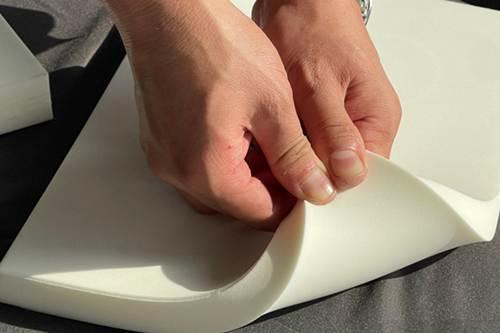
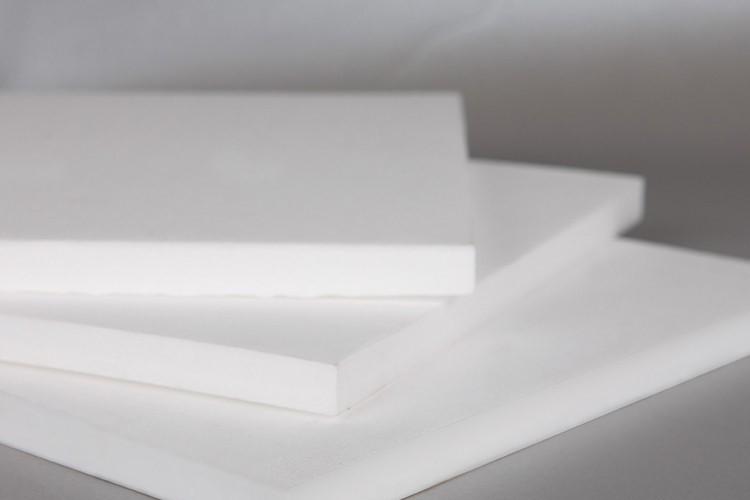
An SCF sheet is a large-format supercritical foam material that can be cut, shaped, laminated or processed into different footwear components. At Huadong Sole, our SCF sheets can be produced in approximately 1.7 m × 1.0 m formats, with customized thickness according to the customer's application.
This makes SCF sheet particularly interesting for factories that need flexibility during product development, especially when different shoe sizes, shapes and cushioning structures are involved.
The global footwear industry is enormous. According to the World Footwear Yearbook 2026, global footwear production reached 24.6 billion pairs in 2025, with Asia accounting for 88.7% of global production. China alone produced around 13.7 billion pairs, while India produced approximately 3 billion pairs. Source: APICCAPS, World Footwear Yearbook 2026 summary.
At the same time, footwear development is becoming increasingly performance-oriented. Lightweight construction, cushioning, energy return and comfort are no longer limited to professional running shoes. They are increasingly important in lifestyle sneakers, walking shoes, work footwear and other everyday categories.
This creates a demand for materials that are not only lightweight and resilient, but also flexible enough to support different manufacturing processes.
That is where SCF sheet can offer an important advantage.
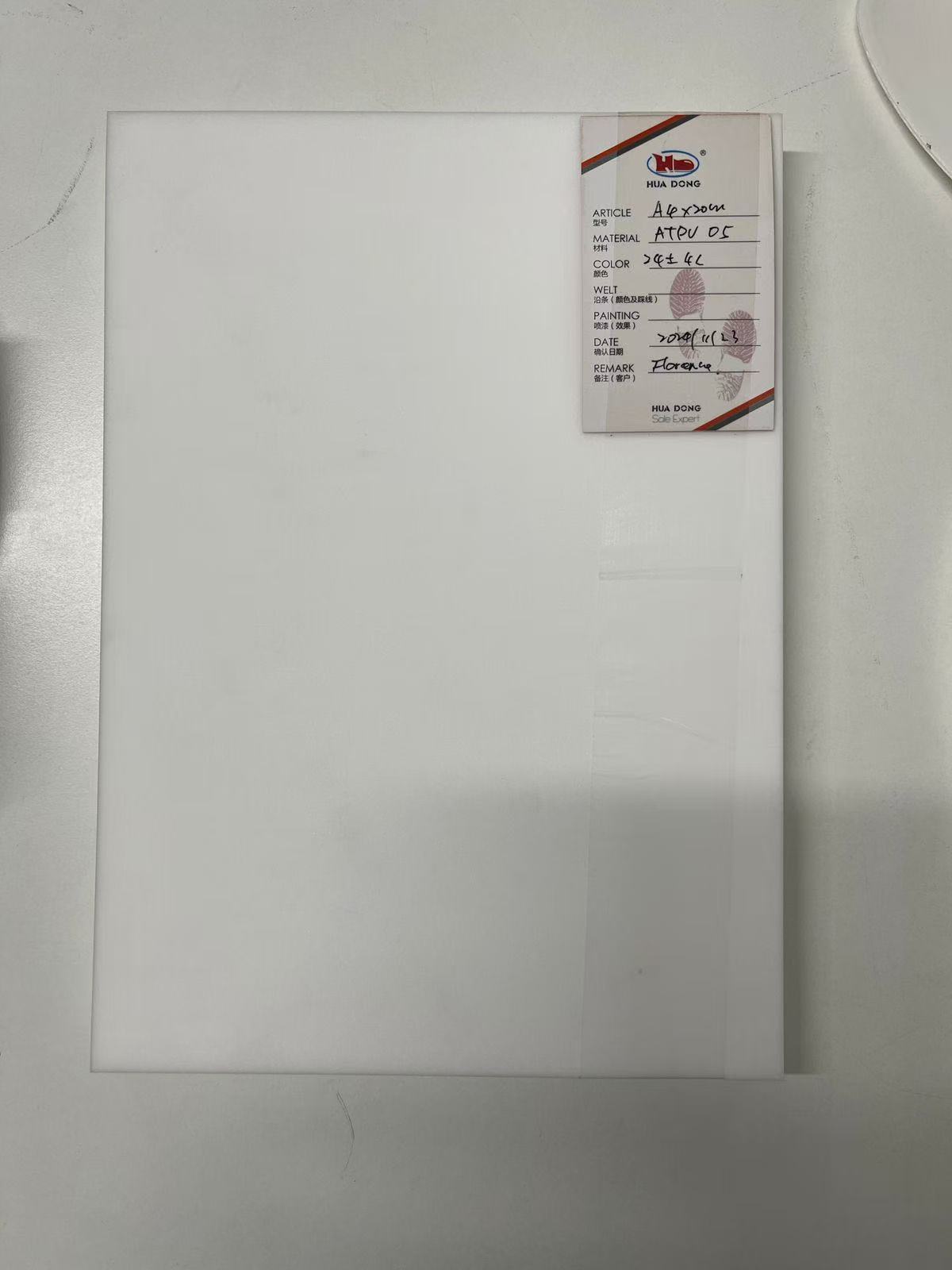
One of the most direct applications is SCF fillers.
Instead of producing every filler shape separately, a large SCF sheet can be supplied to a footwear factory and then cut into different shapes according to the customer's patterns.
This can be useful for:
Forefoot cushioning
Heel cushioning
Full-length footbeds
3/4 footbeds
Arch-support components
Internal cushioning layers
Customized comfort inserts
For factories producing multiple shoe styles, this format provides more freedom during development.
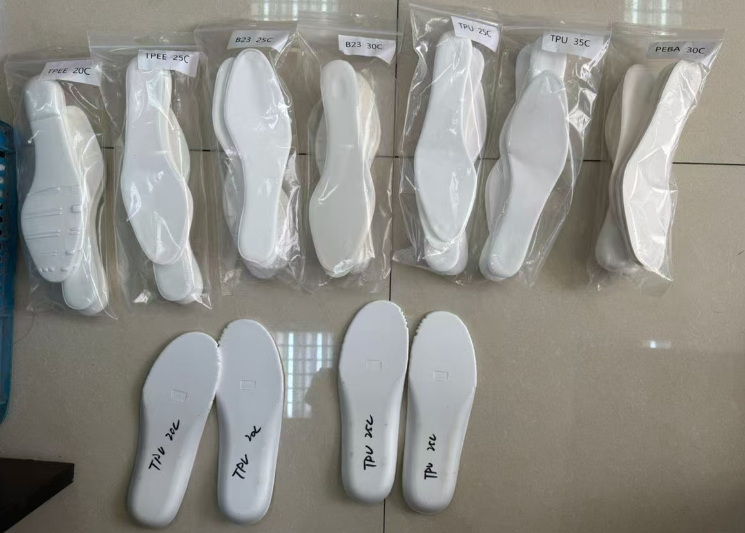
The thickness of the sheet can also be adjusted according to the required cushioning and construction.
For example, a thinner sheet may be suitable for lightweight casual footwear, while a thicker structure can be developed for shoes requiring additional cushioning and support.
Another important application is SCF insoles and footbeds.
Traditional EVA remains widely used because of its cost efficiency, but high-performance footwear increasingly requires better combinations of weight, resilience and long-term cushioning.
Supercritical foaming technology can create fine and relatively uniform cellular structures. Foam structure and formulation influence the properties of the finished component, so resilience, compression behavior and durability should be evaluated on the selected grade and construction.
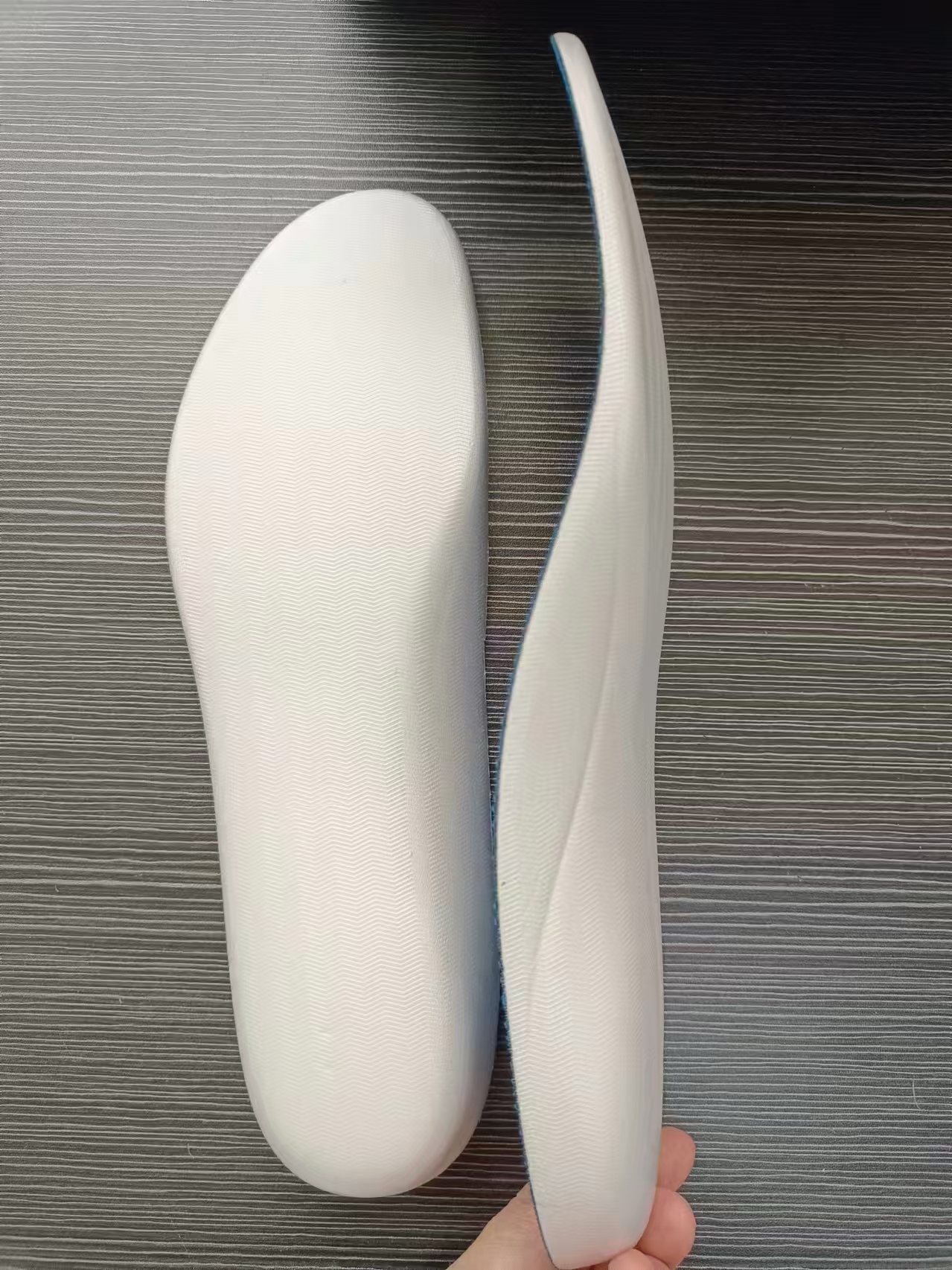
For designers, the advantage is not simply “more rebound”.
The bigger advantage is the ability to design different zones and thicknesses into one footwear system.
SCF sheets can be processed into:
Full-length insoles
Heel pads
Forefoot pads
Orthotic-style cushioning components
Layered footbeds
Lightweight comfort inserts
This makes them especially interesting for comfort footwear, athletic footwear and premium casual shoes.
SCF sheets can also be used in midsole development, particularly when a factory wants to experiment with different structures before committing to a dedicated mold.
The sheet can be cut into specific profiles and combined with other footwear components.
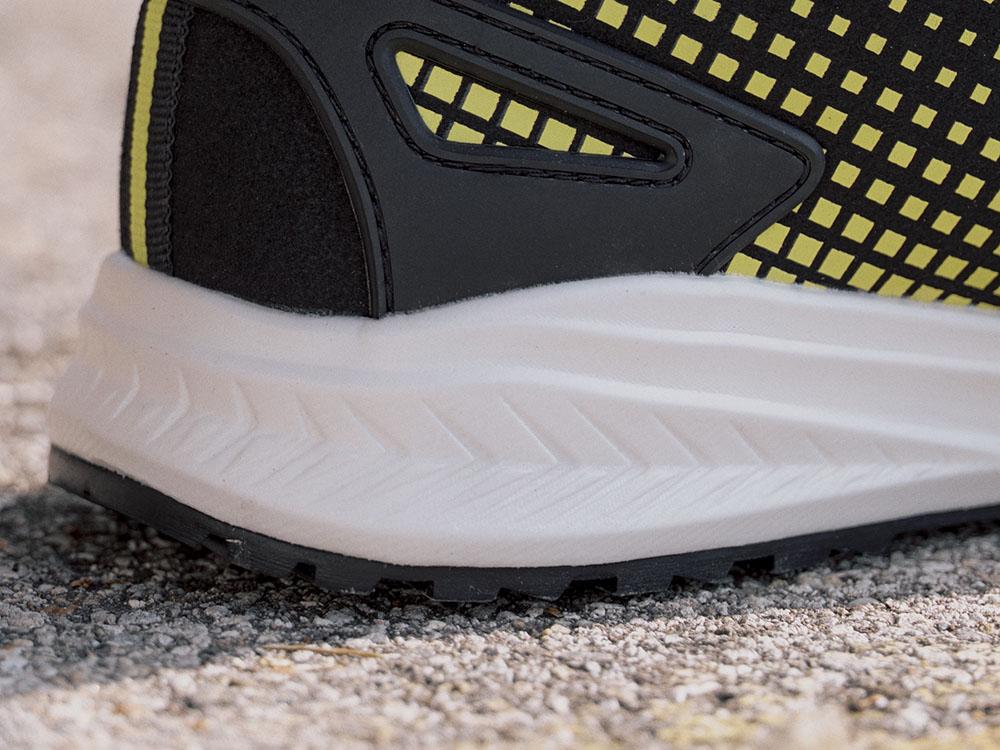
For example, designers can develop:
SCF foam + rubber outsole
SCF foam + EVA outsole
SCF foam + TPU outsole
SCF foam + carbon or support plate
This approach allows designers to experiment with different cushioning structures without immediately investing in complex tooling.
Commercial SCF sheet production is already being developed for EVA and TPU footwear materials, while supercritical foaming is also being applied to TPU, TPEE and PEBA systems.
One of the most interesting opportunities is multi-layer construction.
Instead of using one material throughout the entire midsole or footbed, manufacturers can combine materials with different properties.
For example:
Harder layer → structural support
Medium layer → cushioning
Softer layer → foot contact comfort
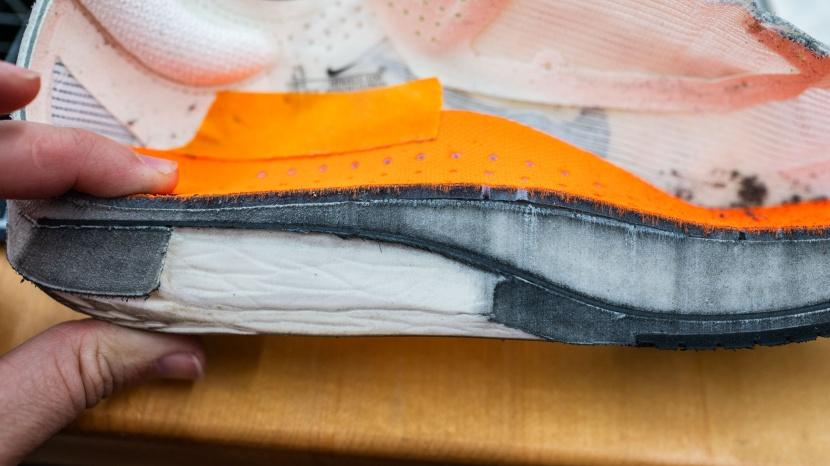
This allows the footwear designer to control the feel of different areas of the shoe.
The same principle can also be applied to heel and forefoot zones.
A shoe designed for walking may require softer cushioning under the heel, while a performance shoe may require a more responsive forefoot structure.
With sheet-based processing, these concepts can be tested and adjusted more easily during development.
For footwear manufacturers, the biggest advantage of SCF sheet is not simply the material itself.
It is the processing flexibility.
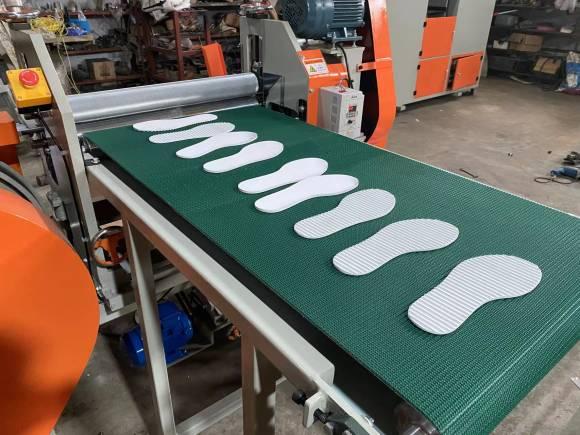
A large-format sheet can be nested and cut according to different patterns. This means one material format can potentially serve multiple shoe styles and sizes.
For factories handling multiple customers, this can simplify material sourcing and product development.
It can also make small-batch sampling easier because the factory does not necessarily need to create a completely new molded component for every early-stage concept.
Of course, material utilization depends on the cutting pattern, thickness, shoe size and component geometry. Therefore, sheet thickness and dimensions should be confirmed before production so that the cutting layout and material yield can be evaluated correctly.
The global footwear industry is moving toward a combination of performance, comfort and material efficiency.
Athletic, walking and comfort footwear offer different applications for cushioning components. Each project should define its own weight, resilience and durability targets.
This creates opportunities not only for running shoes, but also for walking, training, lifestyle and comfort footwear.
SCF sheet is particularly interesting because it gives manufacturers a bridge between advanced foam technology and flexible component manufacturing.
At Huadong Sole, we do not simply supply a standard foam sheet.
We can work with footwear factories and designers according to their actual product requirements.
Our SCF solutions can be customized in areas including:
Material type
Sheet thickness
Hardness
Density
Sheet dimensions
Cutting shape
Footbed structure
Cushioning requirements
Different footwear applications
We can also support customers from material selection and sample development to cutting and finished footwear components.
For customers who already have their own designs, drawings or CAD files, we can evaluate the required structure and recommend a suitable SCF material and thickness.
For customers who are still at the concept stage, we can also help develop different material combinations and cushioning structures for comparison.
The objective is simple: turn a large SCF sheet into a practical footwear component that works for your production process.
If you are developing lightweight midsoles, high-rebound footbeds, cushioning fillers or new footwear constructions, SCF sheet may be worth testing before choosing a final production solution.
Looking for SCF sheets for your next footwear project?
Send us your required material, thickness, hardness, size, application or CAD drawing, and our team can help evaluate the most suitable SCF solution for your project.
Depending on the required performance and application, supercritical foaming technology can be applied to materials including EVA, TPU, TPEE and PEBA-based systems. Different materials provide different combinations of weight, rebound, durability and cost.
Yes. Sheet thickness can be customized according to the footwear application. However, thickness affects cutting layout, material utilization and final component performance, so it is important to confirm the required thickness before quotation and production.
Yes. For customers without their own cutting process, we can also discuss supplying pre-cut SCF fillers or customized footwear components based on the required shape, size and thickness.
Huadong describes an approximate 1.7 m by 1.0 m sheet format. Confirm usable dimensions, thickness, tolerances and the cutting layout for the selected material before quotation and production.
Sheet components can be evaluated in layered constructions, but bonding compatibility, surface preparation, processing conditions and dimensional stability need to be checked with the selected materials. Approve samples against the project requirements before production.


