
Views: 16 Author: Site Editor Publish Time: 2026-09-28 Origin: Site


Table tennis shoe soles connect a player's footwork with the playing surface. A suitable sole design balances grip, lateral stability and forefoot flexibility for rapid starts, short stops and frequent changes of direction. Comfort also depends on how the outsole, midsole, upper and fit work together.
Table tennis involves short-distance, high-frequency movements, including side steps, lunges, crossover steps and recovery movements. These actions place different demands on a shoe from continuous forward running. When developing or selecting a table tennis sole, consider both movement patterns and the actual playing surface.
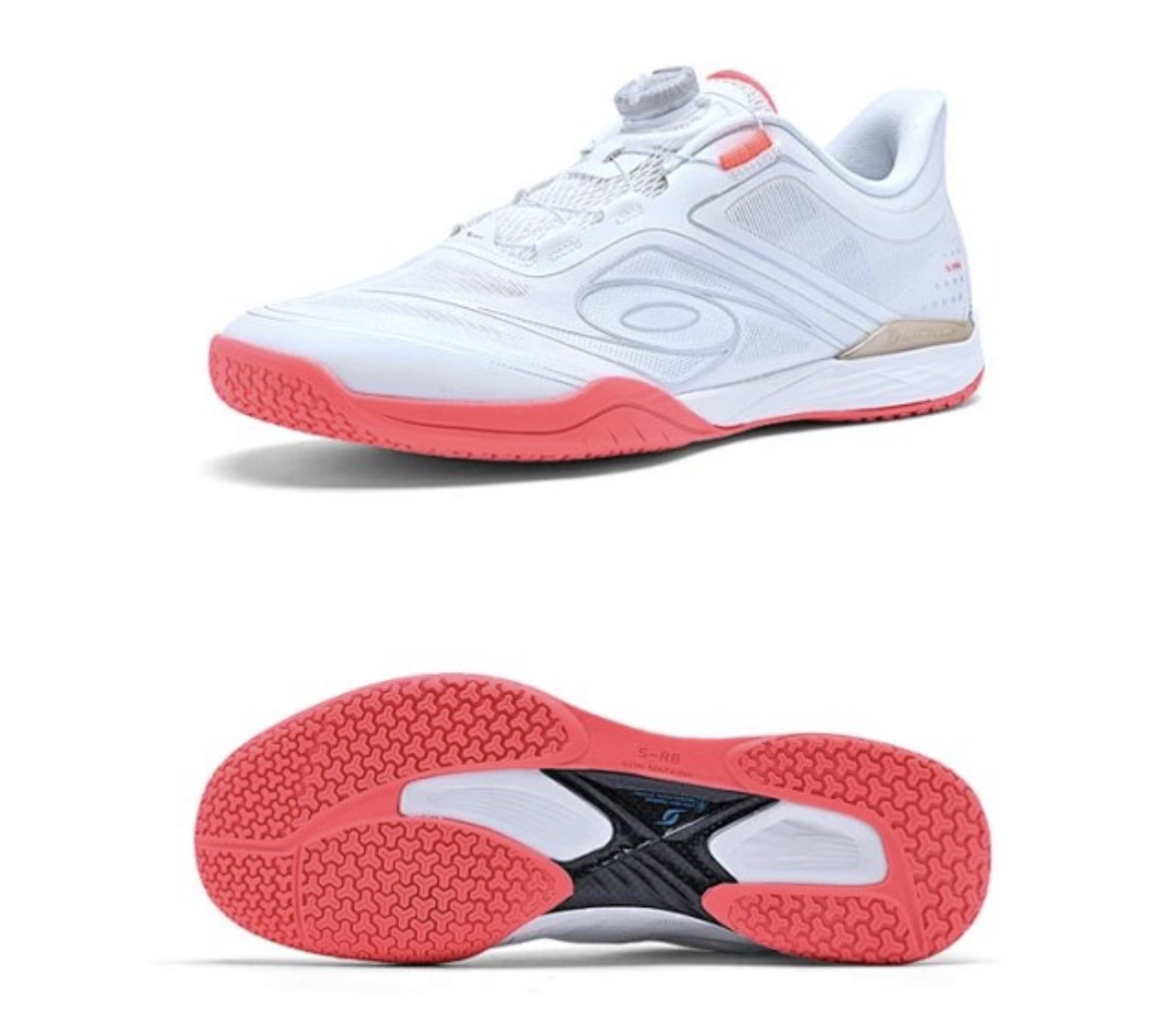
Rubber outsoles are a common option for indoor sports footwear. Fine grooves, wavy patterns and zoned tread can be used to tune ground contact and flexibility. However, traction depends on the rubber compound, tread geometry, flooring and surface contamination. The pattern alone does not establish slip resistance.
Evaluate samples on the intended court surface and under relevant conditions. Cleaning dust from the outsole and checking for worn tread are practical parts of maintaining the shoe.
Frequent sideways movements make lateral support an important design consideration. A low-profile sole can bring the foot closer to the floor, while a suitable base shape and upper construction contribute to how securely the shoe holds the foot.
Some designs incorporate midfoot reinforcement to control excessive twisting. The appropriate stiffness should be assessed in the complete shoe: a soft midsole is not automatically comfortable or stable, and a rigid component alone does not guarantee support.
Forefoot flex grooves can help the sole bend during push-offs and quick adjustments. Their depth, position and spacing should be coordinated with the rubber thickness and material properties.
Cushioning and court feel need to be balanced. A thicker sole may feel different underfoot from a thinner construction, but thickness by itself does not determine comfort or playing performance. Assess flexibility, cushioning and fit together during sample trials.
Repeated lateral movement can concentrate wear along the sole edges and in forefoot and heel contact areas. Rubber compound selection, tread thickness and local reinforcement are therefore relevant development choices.
Set appropriate abrasion and flex requirements for the project, and inspect how the tread changes with use. Durability claims should be based on agreed testing rather than appearance alone.
Wood, synthetic sports flooring and other surfaces can produce different traction and wear behavior. Specify the intended environment before comparing samples. An indoor sole should not be assumed to perform the same way on outdoor concrete.
For a custom project, provide the size range, reference design, target weight, material preferences and required testing conditions. Review the outsole together with the midsole and upper before confirming the production specification.
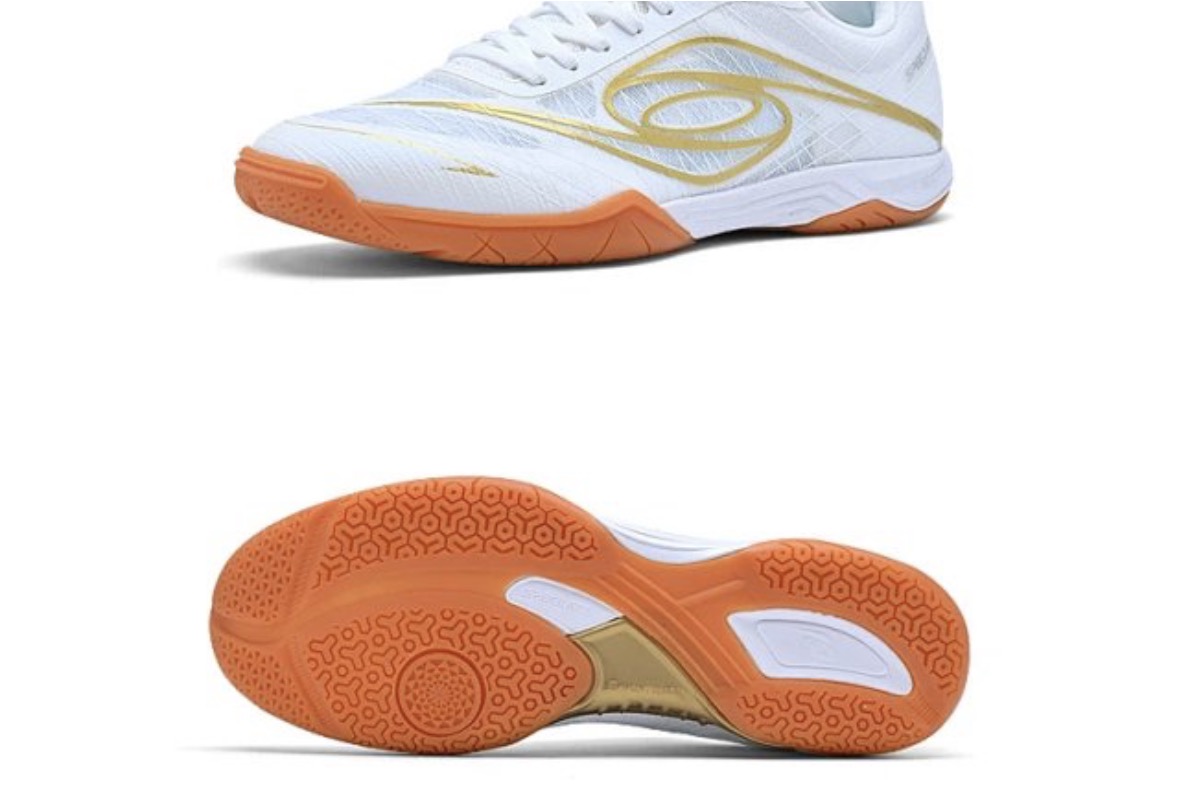
Grip, lateral stability, forefoot flexibility and wear resistance all matter. The balance depends on the intended playing surface, fit and complete shoe construction.
Rubber compounds offer options for tread design, flexibility and abrasion resistance. The compound and pattern must still be evaluated on the intended floor to establish their performance.
No. Cushioning also depends on the formulation, density and construction. Compare complete shoe samples rather than choosing solely by sole thickness.
Outdoor surfaces can change grip and accelerate wear. Confirm the intended use and test requirements with the footwear supplier before using an indoor-focused design outdoors.
Prepare drawings or reference samples, sizes, dimensions, target weight and hardness, material preferences, the intended floor and performance test requirements.


