


A new reason to pay attention to the footbed
Shoe sole development is gaining a new design brief: creating a deliberate sensation under the foot. For footwear brands, this opens a conversation about how a shoe feels during a short preparation routine, a walk between activities or a full day of everyday wear. The useful development question is how to make that sensation consistent, comfortable and appropriate for the intended customer.
On November 16, 2026, Nike announced an expansion of its Mind platform. The company described four additional footwear models, retaining 22 foam nodes while offering different underfoot constructions and levels of sensation. It said the new models would begin arriving in summer 2027. This is an announced product direction, rather than evidence that all the models are already on sale. [1]
For independent sole developers, the wider opportunity is to explore original approaches to foot contact and perceived comfort. The following recommendations translate that market signal into a practical development brief; they do not establish health benefits or suggest reproducing a proprietary product.
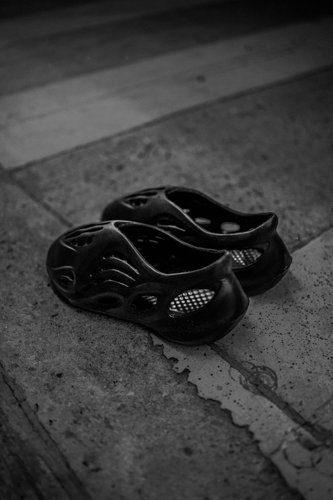
Start with the sensation and the wearing occasion
A sensory footwear project needs a more precise objective than a textured footbed. Ask the brand to describe the intended experience in plain language. Should the wearer notice defined contact points while standing, a gentle surface texture while walking, or a smooth transition between different zones of the foot? Those alternatives can lead to different geometries and constructions.
Wearing duration should be part of the brief. A product used briefly before or after an activity requires a different evaluation from an everyday slide. Set trial periods that reflect the actual use case and record how the experience changes. A strong first impression can be commercially attractive, but repeated discomfort will undermine that impression.
Fit also changes what the wearer feels. Sock thickness, foot shape and movement inside the upper can affect contact with a raised feature. Evaluate the complete shoe in the sizes and combinations customers will use. Include a range of wearers rather than relying on a single sample reviewer. Record both positive feedback and the reasons some participants prefer a less pronounced surface.
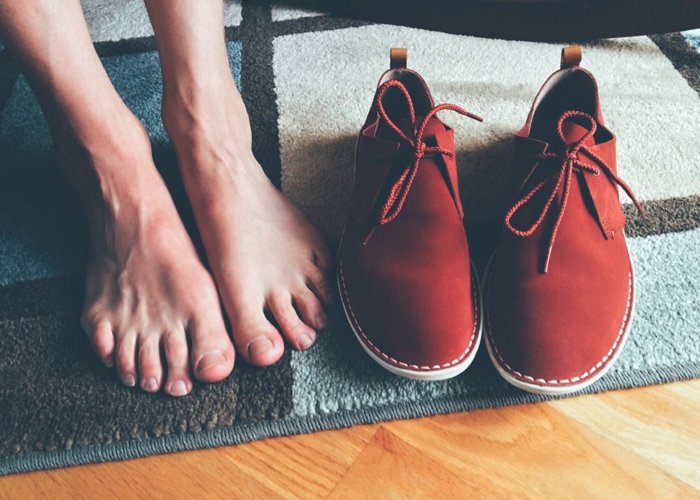
Develop the contact geometry as a controlled system
For an original sole concept, define the location, height and shape of every raised area in the drawing. Consider rounded transitions where the foot enters and exits a contact zone. A texture should have a clear relationship to the intended fit and use; adding more detail across the entire surface makes it harder to identify which feature actually changes the wearing experience.
Prepare a small comparison set. One version might have a smoother surface, another a gentle contour, and a third a more noticeable pattern. Keep the last, size, upper and overall sole dimensions as consistent as possible. This helps the team compare the underfoot design without confusing it with a different fit or a heavier shoe.
Agree on inspection points before tooling. Record dimensions at named locations and decide how a supplier will check them on production parts. Photographs alone are a poor substitute for a measurable drawing. If a surface is intended to deform during wear, define the loading and recovery checks needed to judge that behavior, rather than approving a sample solely by pressing it with a thumb.
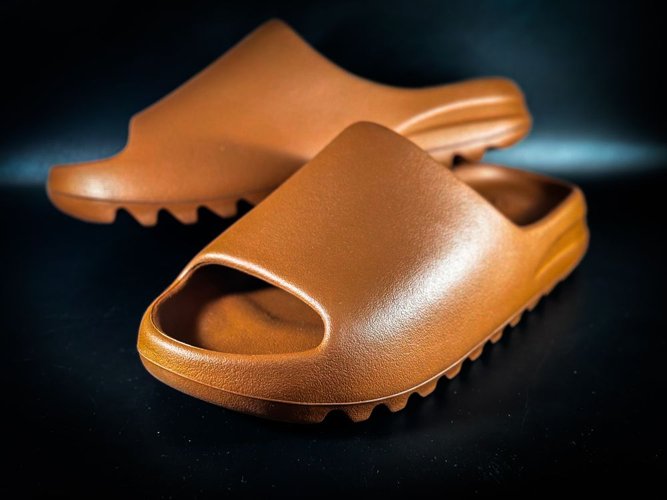
Balance the material feel with manufacturing control
Material selection should follow the desired wearing experience and production route. Ask candidate suppliers to identify the proposed material grade, processing method and important conditioning requirements. Compare finished parts instead of assuming that a material name or a nominal hardness predicts how the entire shoe will feel. Geometry and assembly can change the result.
Agree on targets for mass, dimensions, appearance and compression behavior, with suitable methods chosen for the construction. Review performance after repeated loading and environmental conditioning appropriate to the market. Where the concept uses separate components, include attachment strength and flexing in the validation plan. A comfortable prototype is only the first stage of a production specification.
Surface details also deserve a cleaning trial. Recesses, contact points and transitions may accumulate dirt during normal use. Check how the finished product looks after the cleaning method the brand plans to recommend. If the target is an everyday product, ease of care belongs in the commercial brief alongside feel, appearance and cost.
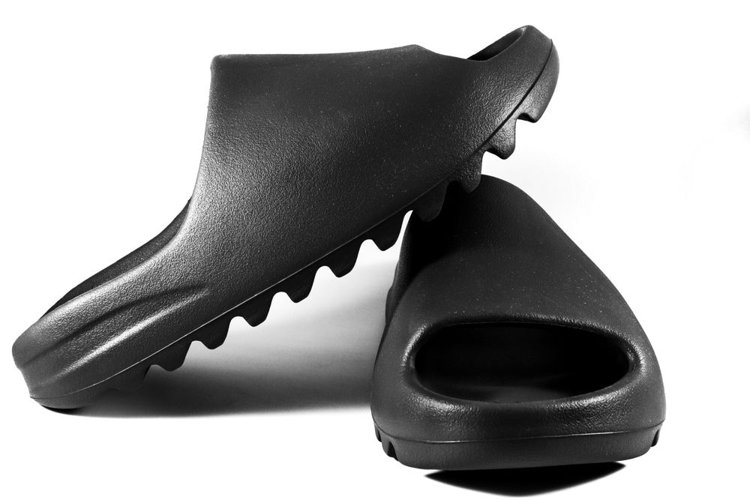
Build an evidence led product story
The opportunity for a brand is to describe a specific experience that customers can understand and evaluate. Terms such as a contoured footbed, defined underfoot texture or a softer contact surface are more useful when supported by the actual product. Statements about concentration, recovery, circulation or treatment require evidence appropriate to the exact claim. A visual resemblance to another shoe supplies no such evidence.
For sourcing, send the development partner the intended wearer profile, use occasion, target sizes, sample comparison plan and expected purchase volume. Request a quotation that separates tooling, sampling and production assumptions. Discuss the ownership and originality of the design early, before a distinctive surface becomes central to the marketing campaign.
Sensory shoe soles are worth watching because they add another dimension to comfort footwear development. The next step is a well-defined sample project with measurable geometry and structured wearer feedback. To discuss an original shoe sole concept with Huadong, prepare your drawings or reference requirements together with the wearing experience you want the finished product to deliver.
Frequently asked questions
What is a sensory shoe sole?
The term describes a sole or footbed designed to create a noticeable underfoot experience through its shape, texture or deformation. It is a broad design description. The term alone does not identify a tested function, a medical benefit or a particular material.
Is a sensory sole the same as an orthopedic sole?
No. A sensory design brief focuses on the wearing experience. Orthopedic suitability involves separate requirements and individual needs. A consumer footwear feature should not be described as treating a condition simply because its footbed has raised areas.
How should buyers compare sensory sole samples?
Use the same size, upper and wearing conditions where possible. Record fit, perceived pressure, comfort over time and feedback from several wearers. Combine those observations with dimensional inspection and relevant durability tests on finished parts.
Can the same surface work for every customer?
Preferences and fit differ. A brand can evaluate several levels of texture or contour before choosing its target experience. Clear use instructions and an accurately defined customer group make the resulting product brief more useful to the development supplier.
Sources
Nike announcement on the expanded Mind platform dated November 16 2026


