
Views: 31 Author: Site Editor Publish Time: 2026-05-21 Origin: Site


School shoes are an indispensable daily necessity for students worldwide, and the sole is the core component that determines comfort, durability and safety of school shoes. According to 2025 global footwear market statistics, over 720 million pairs of school shoes are sold annually around the world, with steady annual growth of 4.1%. The largest consumer markets are concentrated in Asia-Pacific, Africa, Europe and North America. Among them, China, India, Indonesia, Nigeria, South Africa and Brazil are the top school shoe consuming countries, accounting for more than 60% of global school shoe sales, as more than 75% of primary and secondary schools in these regions require standardized school uniform shoes.
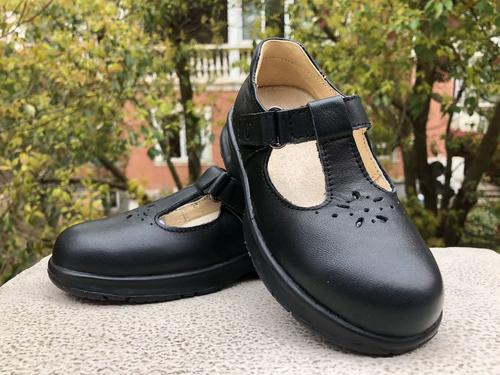
School Shoe Production Processes & Regional Market Matching
The global school shoe manufacturing industry adopts two mainstream production processes, which are targeted at different regional market demands:
1. Injection PU/PVC School Shoes: This process adopts one-step injection moulding craft, directly forming the whole shoe through moulds with simple upper matching. It features short production cycle, low production cost and high production efficiency, which is highly cost-effective for mass production. This type of school shoes is mainly popular in South Africa, Southeast Asia and other emerging markets, occupying more than 55% of the local school shoe market share.
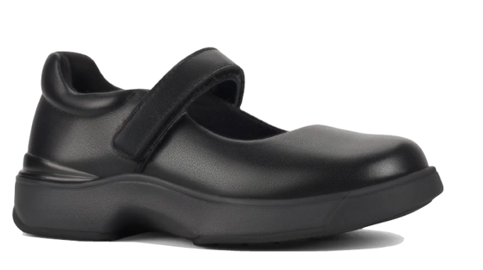
Cemented School Shoes: Produced by professional cold cementing process, the sole and upper are firmly bonded through high-strength adhesive, with better firmness and comfort. The production process is more delicate, so the cost is slightly higher. This process is widely used in Europe, America and other developed regions, meeting the strict requirements for footwear quality and wearing experience.
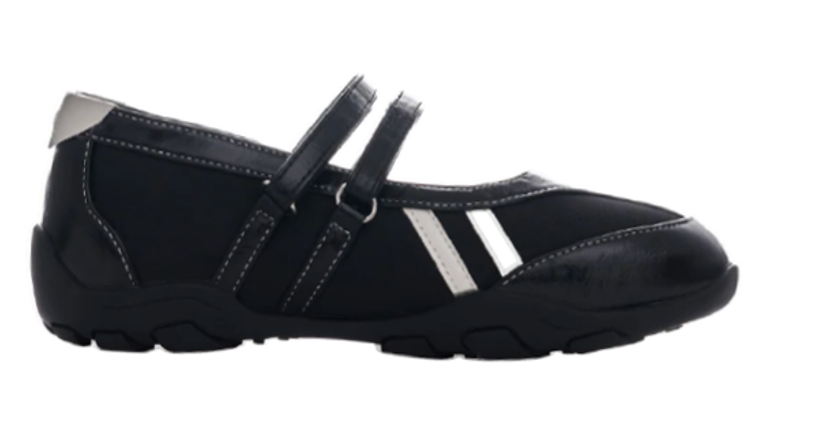
Core Materials of School Shoe Soles
Different sole materials bring differentiated wearing performance, and each material has clear functional advantages:
• Rubber & TPR Soles: The most widely used durable sole materials for school shoes. They feature excellent anti-slip performance (static friction coefficient ≥0.5 on wet floors) and outstanding wear resistance, passing 50,000 times of normal-temperature folding tests without cracks. They adapt to complex campus ground such as playgrounds and corridors, effectively reducing the risk of slipping.
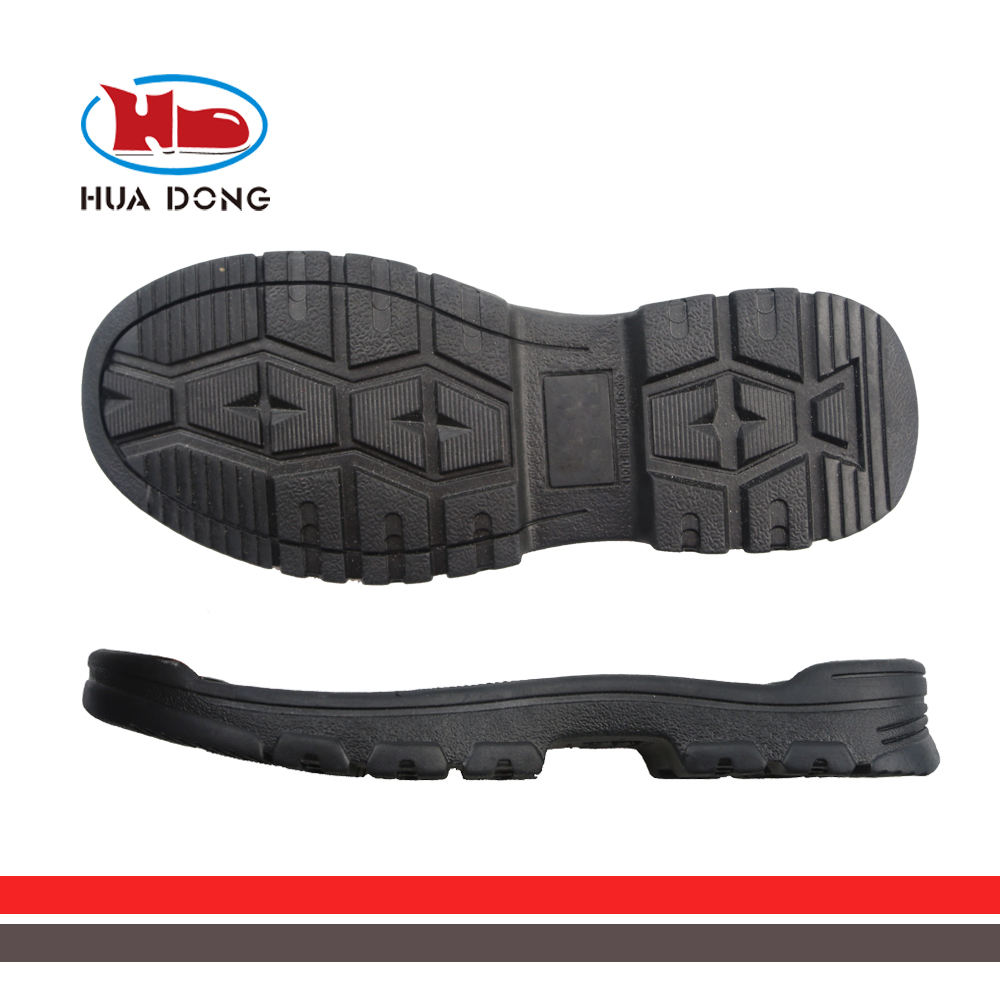
• PU, EVA & PVC Soles: Lightweight high-performance materials with density as low as 0.3-0.5g/cm³, 30%-40% lighter than traditional rubber soles. They offer good cushioning and flexibility, reducing foot pressure for students during long-time walking and standing, and are the first choice for lightweight school shoe design.
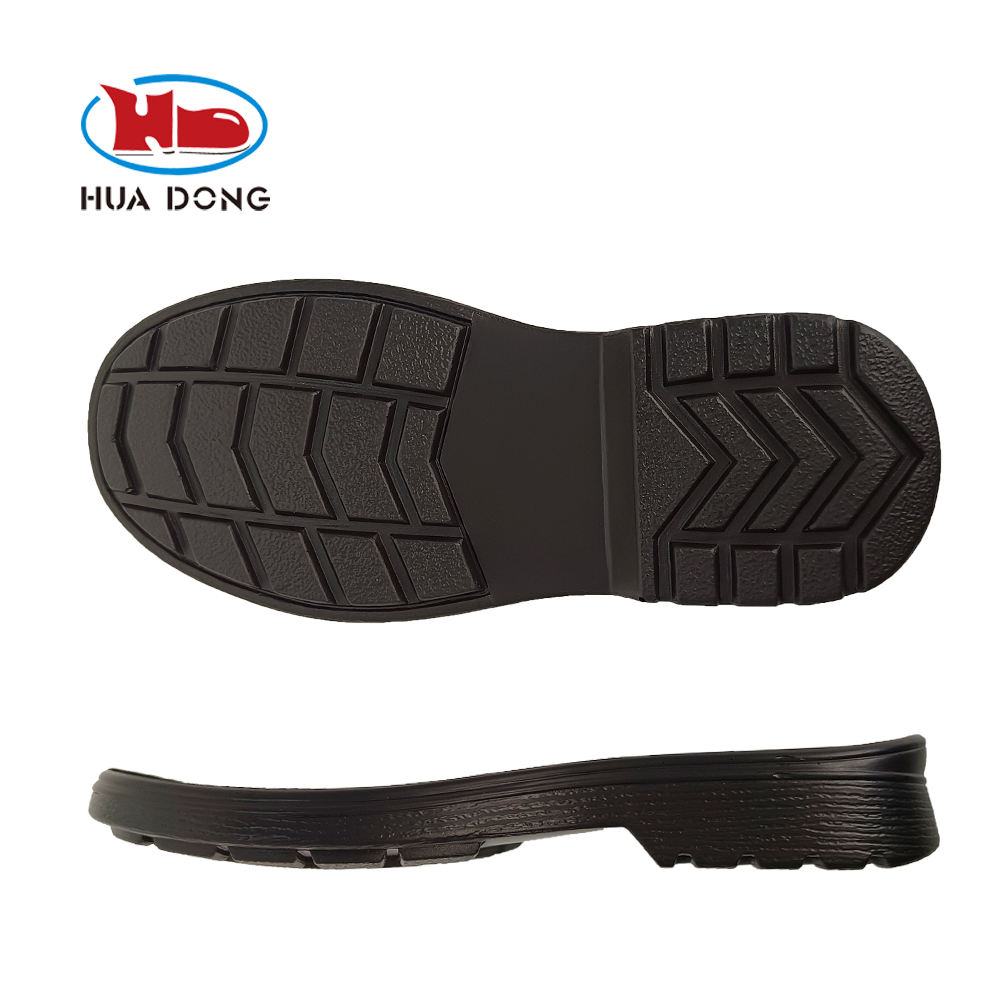
Key Design Features of School Shoe Soles
1. Classic Sidewall Profile: School shoe soles adopt a simple, smooth and streamlined sidewall profile, which not only meets the neat and unified aesthetic of school uniforms, but also enhances the structural stability of the sole, avoiding deformation after long-term wearing.
2. Universal Sole Shape & Size Range: The classic last-shaped sole design fits the foot shape of students in different countries and regions, with strong universality. The conventional size range covers children's size 28 to adult size 43, covering all age groups from primary school to high school students.
Practical Sole Tread: The sole tread adopts dense, non-slip pattern design, with moderate depth and reasonable layout, balancing anti-slip performance and silent wearing, suitable for both outdoor activities and indoor classroom environments.
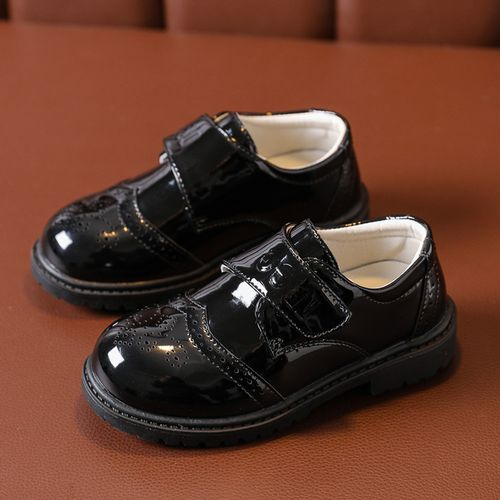
HuadongSoles: Leading School Shoe Sole Manufacturing & R&D Base
Huadong has decades of professional experience in R&D and production of school shoe soles, with a mature supply chain and advanced manufacturing technology. Local manufacturers focus on ergonomic design, optimizing the sole last to fit the growing feet of students, avoiding extrusion on developing foot bones. We provide a complete range of universal mould sizes in stock, supporting small-batch customized production, flexible order scheduling, and efficient delivery to meet the diversified needs of global customers. With strict quality control standards, every sole meets international footwear safety and performance requirements.
FAQ About School Shoe Soles
Q1: Which sole material is more suitable for active students?
A1: Rubber/TPR soles are more suitable, as they have top wear resistance and anti-slip performance, adapting to high-intensity campus activities such as running and jumping.
Q2: Are lightweight EVA soles durable enough for daily school use?
A2: Yes. High-quality EVA soles have good folding resistance and wear resistance after formula optimization, and their lightweight advantage greatly improves wearing comfort, fully meeting daily school wearing needs.
Q3: Can universal school shoe soles fit students of different foot shapes?
A3: Yes. The classic ergonomic sole last design is tested by global market practice, adapting to most students' foot shapes, with moderate width and reasonable support, ensuring comfortable wearing without squeezing feet.


