
Views: 54 Author: Site Editor Publish Time: 2026-04-02 Origin: Site


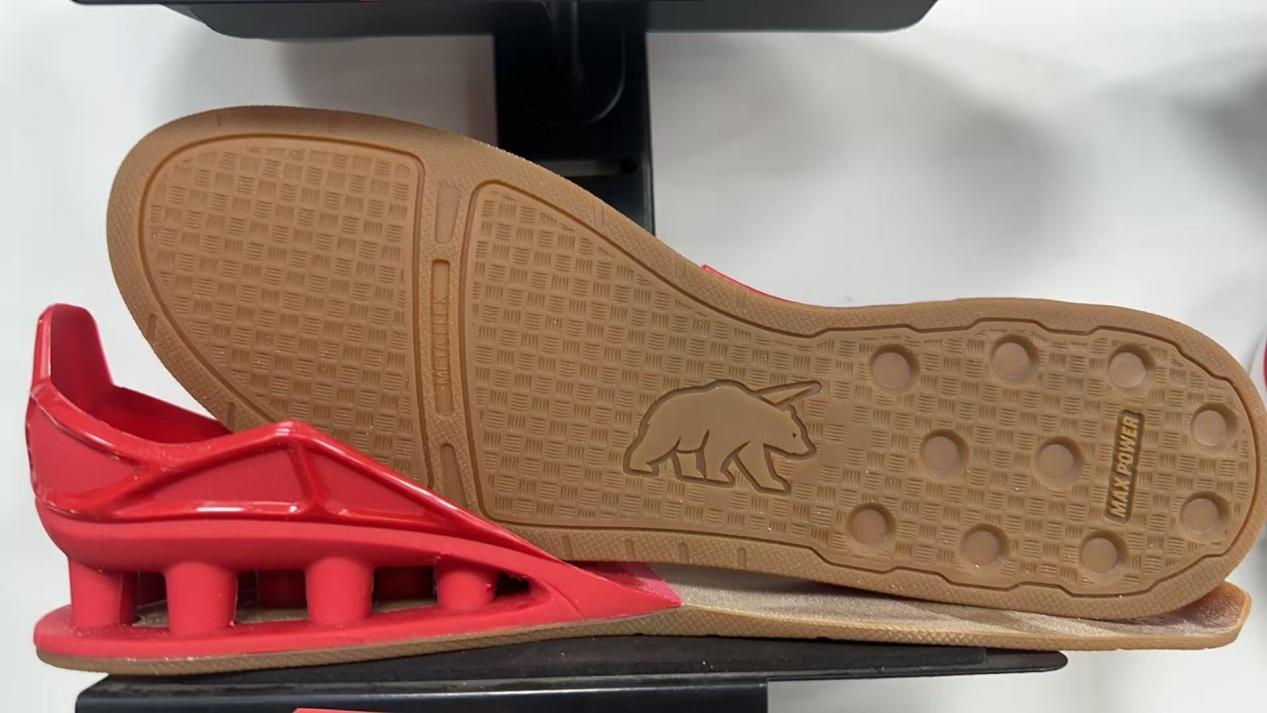
In weightlifting footwear, the sole is the foundation of performance and safety. A typical high-quality weightlifting sole consists of two layers: a midsole and an outsole. The midsole is often made of TPU (thermoplastic polyurethane), while the outsole is constructed from rubber. Each material plays a critical role, and understanding their properties helps in creating soles that meet the specific demands of athletes.
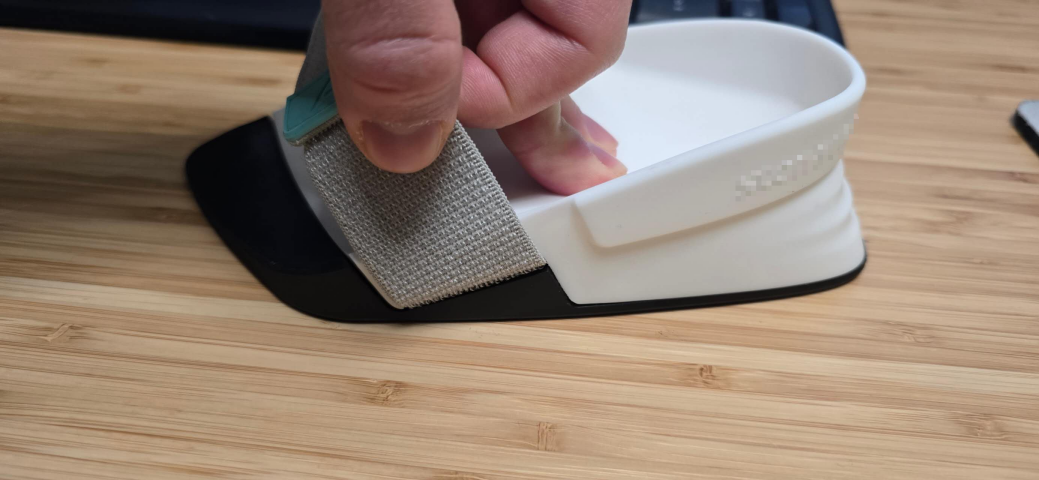
TPU (Thermoplastic Polyurethane) – Midsole Material
TPU is widely used in midsoles because it offers a combination of strength, resilience, and weight efficiency.
Advantages of TPU
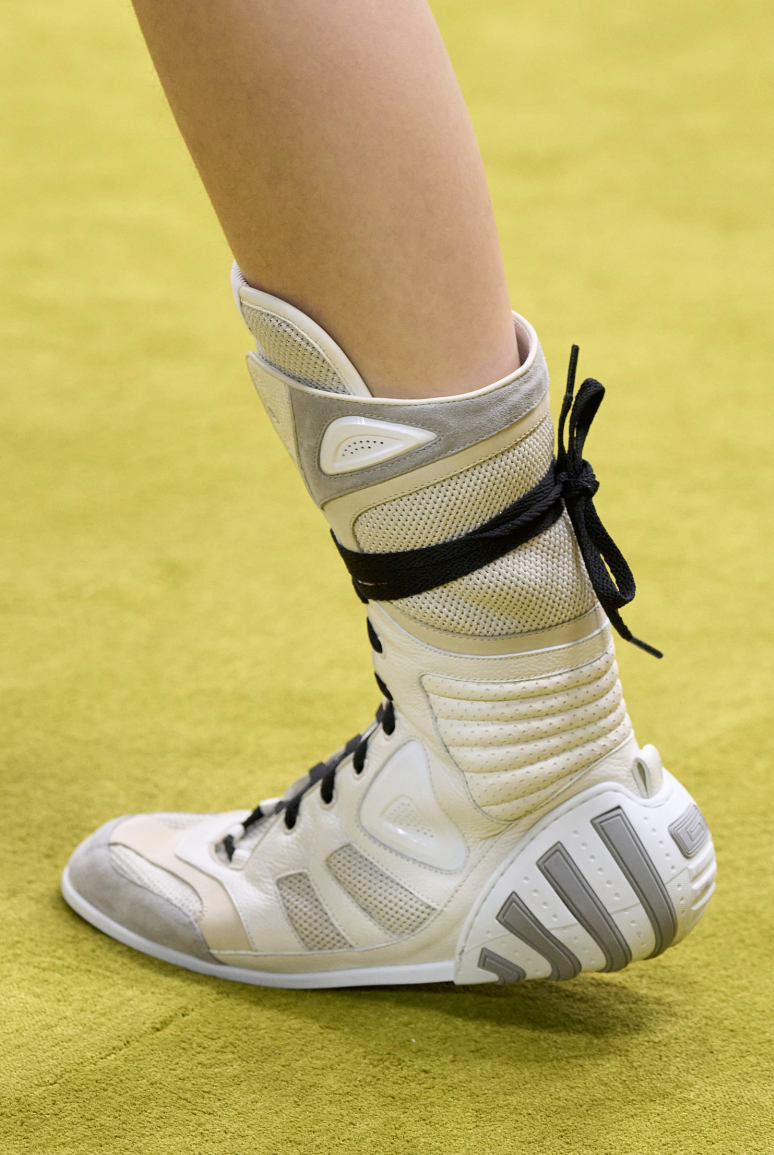
High Tear Strength – TPU resists tearing even under repeated heavy loads, making it ideal for the extreme stress of weightlifting.
Lightweight – Compared to traditional rubber or other polymers, TPU provides structural support without adding unnecessary weight, which is essential for dynamic movements.
Excellent Abrasion Resistance – TPU maintains its integrity over time, resisting wear from friction and contact with the floor.
Dimensional Stability – It retains its shape under load, ensuring consistent support and platform contact throughout the life of the shoe.
Chemical and Oil Resistance – TPU withstands exposure to common gym floor residues, extending the sole’s durability.
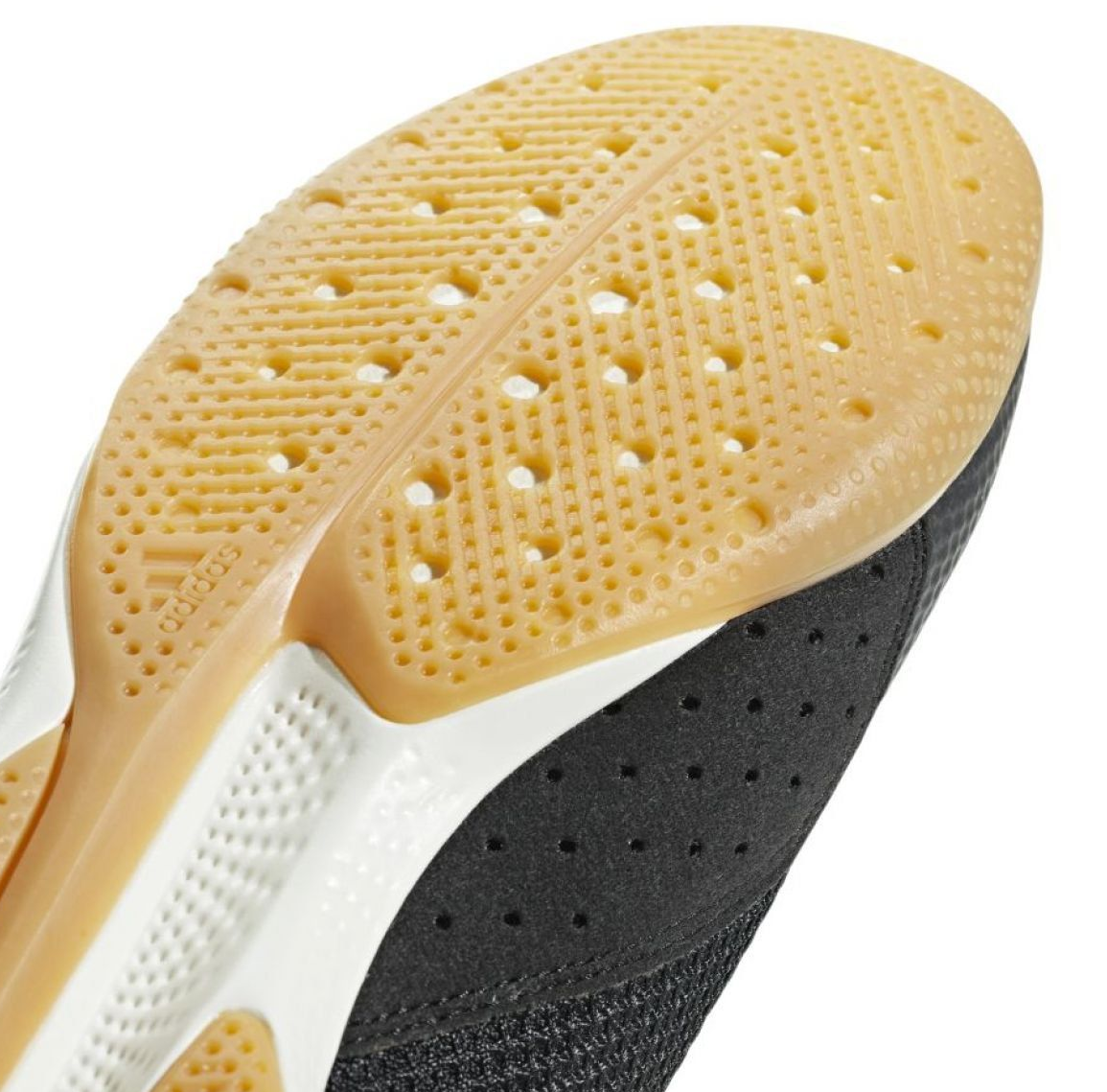
Disadvantages of TPU
Higher Material Cost – TPU is generally more expensive than some alternatives, which can impact overall production costs.
Lower Slip Resistance Compared to Rubber – While TPU offers moderate grip, it does not provide the same level of traction as specialized rubber compounds, particularly on dusty or slightly moist surfaces.
Processing Complexity – Molding TPU requires precise temperature and pressure control, demanding advanced manufacturing capabilities.
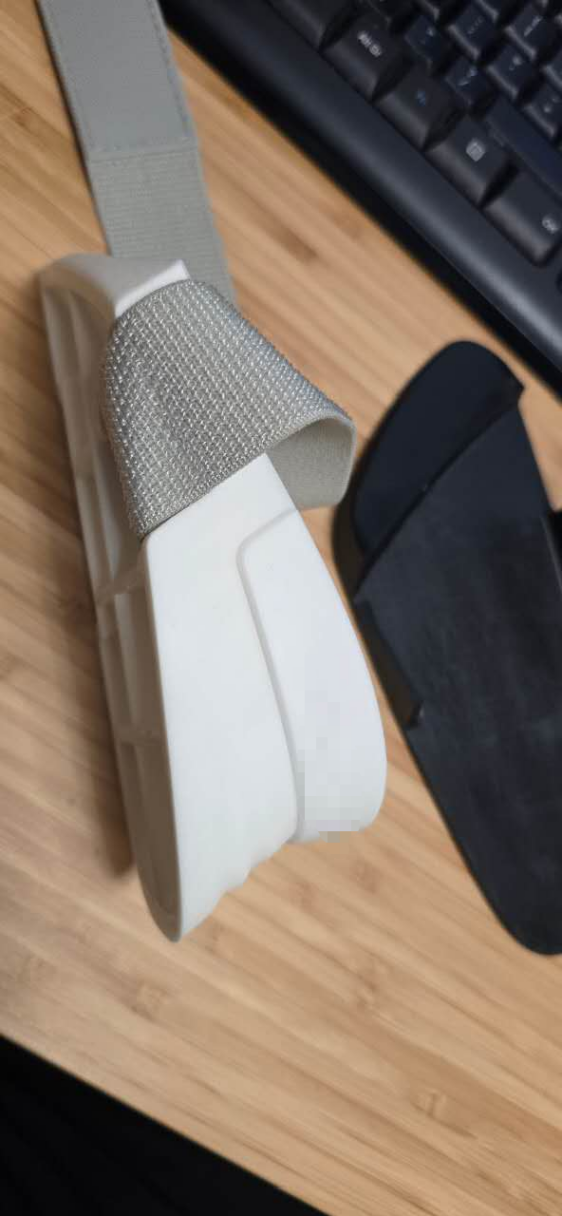
Rubber – Outsole Material
The outsole is the part of the shoe that directly contacts the floor. Rubber is the preferred material for this layer due to its unparalleled grip and durability.
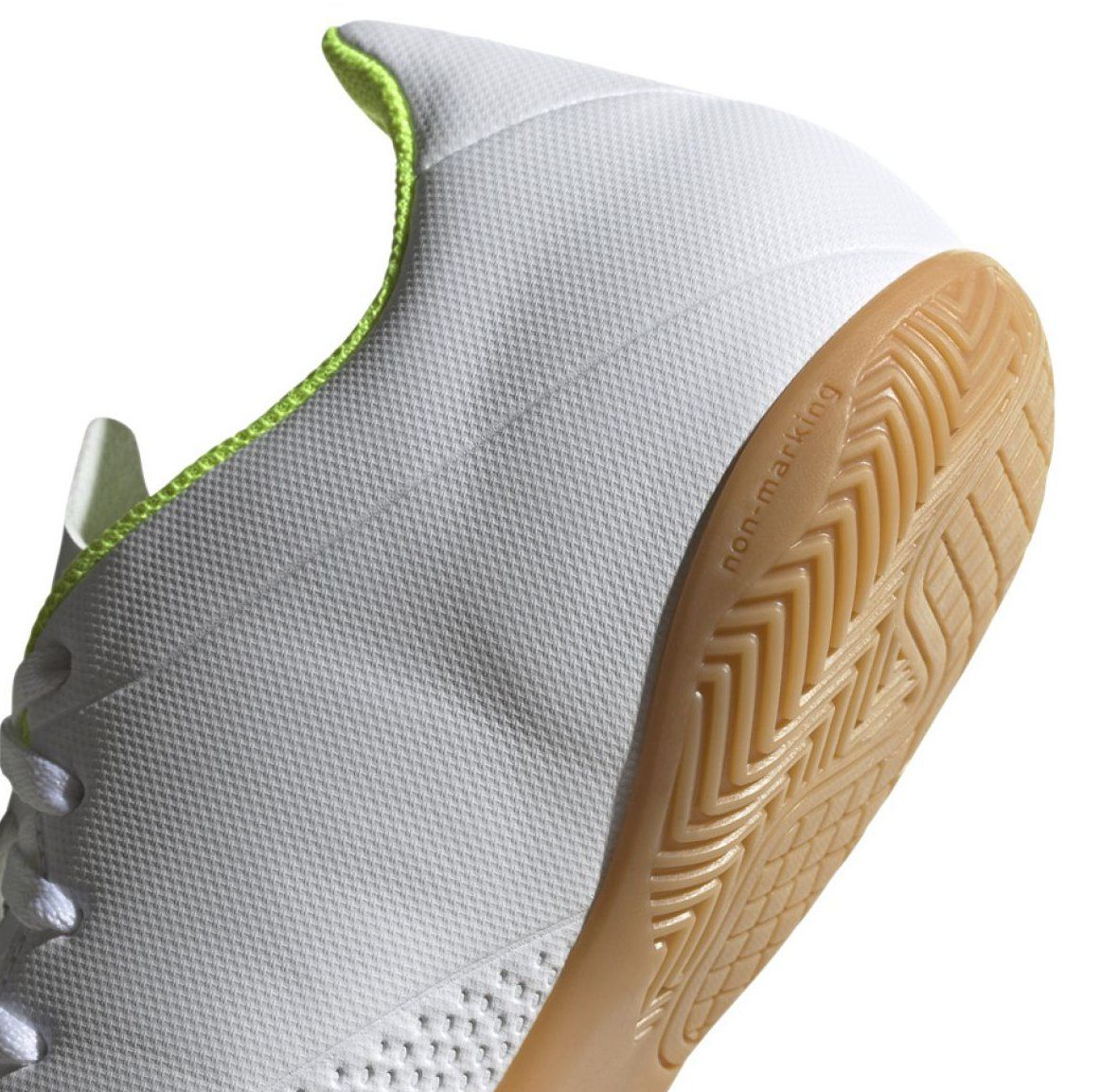
Advantages of Rubber
Superior Slip Resistance – Rubber outsoles deliver exceptional traction on various surfaces, from wooden platforms to rubberized gym floors, ensuring lifter safety during heavy lifts.
Excellent Shock Absorption – Natural and synthetic rubber compounds absorb impact effectively, reducing stress on the athlete’s joints.
High Durability – Quality rubber outsoles resist cutting, chipping, and long-term wear, maintaining grip patterns even after extensive use.
Versatile Tread Design – Rubber can be molded into intricate patterns that enhance grip and water dispersion, allowing customization for specific applications.
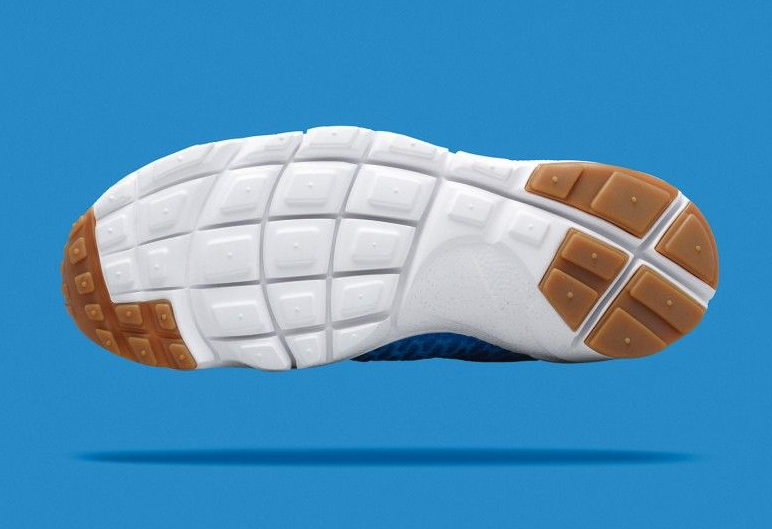
Disadvantages of Rubber
Heavier than TPU – A full rubber sole would add considerable weight; therefore, rubber is typically used only for the outsole layer while TPU or other lightweight materials form the midsole.
Limited Structural Rigidity – Rubber alone does not provide the same level of structural support as TPU, making it less suitable for midsoles in heavy-load footwear.
Susceptibility to Certain Oils and Chemicals – Some rubber compounds may degrade when exposed to certain lubricants or cleaning agents, requiring careful material selection.
Why Material Selection Matters
No single material is ideal for every application. The optimal combination depends on the intended use, performance requirements, and safety standards.
For example:
Weightlifting shoes benefit from a TPU midsole for rigidity and tear resistance, paired with a high grip rubber outsole for slip protection.
Casual athletic shoes may prioritize lightweight TPU midsoles for comfort, but use softer rubber outsoles for everyday traction.
Industrial safety footwear often requires rubber outsoles with oil and slip resistant properties, combined with reinforced TPU or composite midsoles for structural support.
HUADONG HOLDINGS GROUP – Your Expert Sole Partner
With extensive experience in the footwear industry, HUADONG HOLDINGS GROUP specializes in the development and manufacturing of high performance shoe soles. We understand that each client’s needs are unique—whether for weightlifting, sports, casual wear, or industrial applications.
Our approach is collaborative and solution oriented:
Application Based Recommendations – We evaluate your product’s intended use, performance requirements, and testing criteria to recommend the most suitable combination of TPU, rubber, or hybrid materials.
Custom Mold Development – From initial design to precision tooling, we develop molds tailored to your specific sole geometry, tread pattern, and branding requirements.
Market Focused Engineering – We balance performance, durability, and cost to ensure that the finished sole not only meets technical specifications but also resonates with end users in the target market.
Real-World Development Case
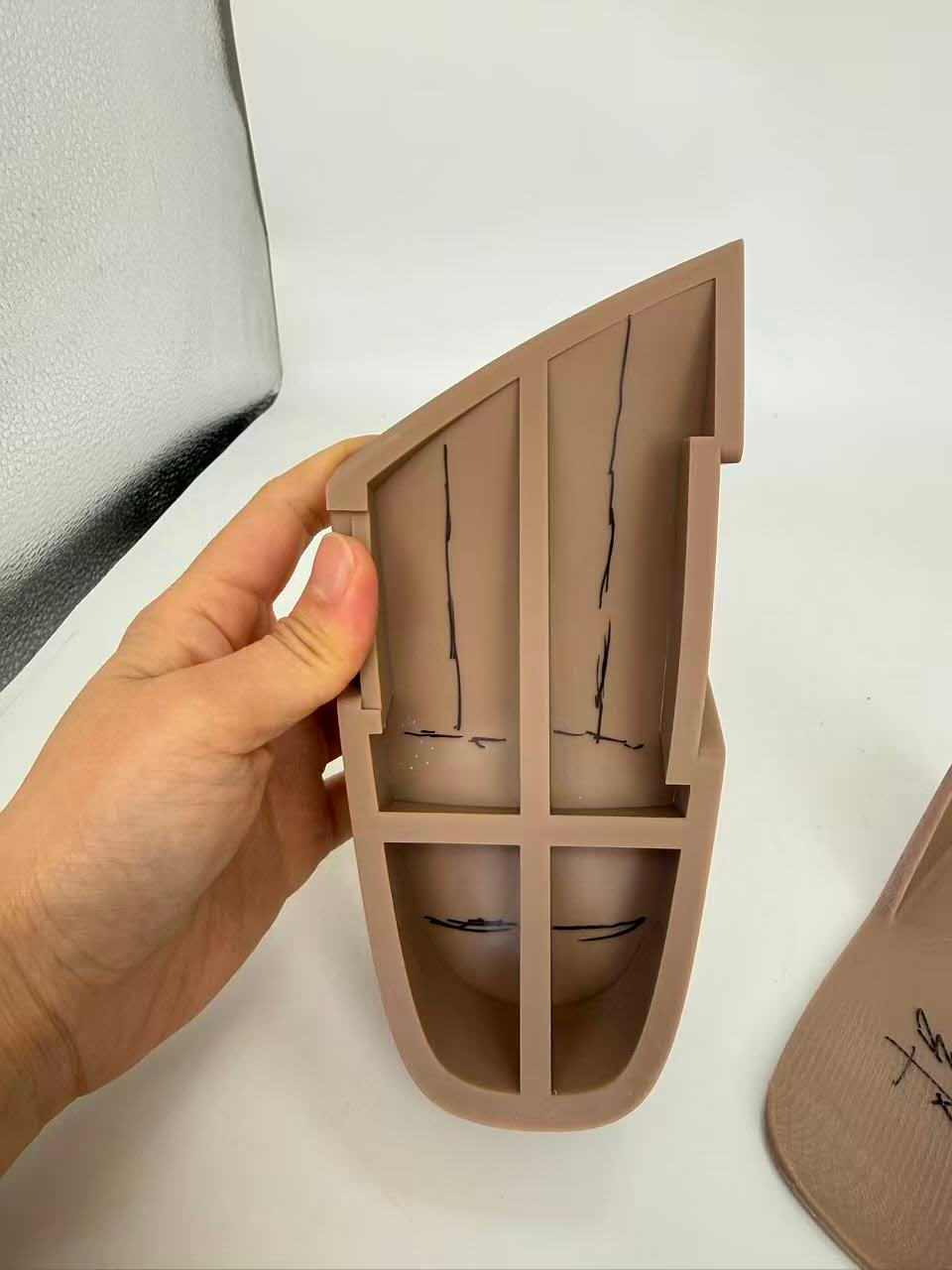
In our actual development projects, we go beyond standard material selection. For weightlifting shoe soles, during the testing phase of the initial mold, we evaluate whether an additional load bearing strip needs to be integrated inside the TPU midsole. We conduct thorough testing first; if the results indicate that adding such a strip is necessary, we implement the improvement immediately. This proactive adjustment is made without affecting mold quality, delivery schedules, or the overall weight of the midsole—ensuring that the final product meets both performance requirements and project timelines.
By partnering with HUADONG HOLDINGS GROUP, you gain access to deep manufacturing expertise, advanced molding capabilities, and a commitment to delivering soles that enhance both athlete safety and product competitiveness.
Let’s Build the Right Sole for Your Product
Whether you need the tear resistant stability of TPU, the slip proof reliability of rubber, or a hybrid design that combines the best of both, HUADONG HOLDINGS GROUP is ready to support you from material selection to mass production. Contact us to discuss your next project—we’ll help you create footwear that performs, lasts, and sells.
FAQ
1. Why are weightlifting shoe soles made of two layers (midsole and outsole)?
The two-layer construction optimizes performance. The midsole (often TPU) provides structural rigidity, tear strength, and lightweight support under heavy loads. The outsole (usually rubber) delivers superior slip resistance and grip on gym surfaces. Together, they ensure safety, stability, and durability for weightlifting.
2. What is the main difference between TPU and rubber in shoe soles?
TPU is rigid, lightweight, and tear-resistant, making it ideal for midsoles that need to hold shape under heavy weights. Rubber is softer, heavier, and offers exceptional traction, making it best for outsoles that contact the floor. Many high-quality weightlifting shoes use a TPU midsole + rubber outsole combination.
3. What are the advantages of a TPU midsole for weightlifting shoes?
TPU provides high tear strength, lightweight support, excellent abrasion resistance, dimensional stability under load, and resistance to chemicals/oils. These properties ensure consistent performance and durability even under extreme weightlifting stress.
4. What are the disadvantages of TPU?
TPU has a higher material cost, lower slip resistance compared to rubber, and requires complex processing (precise temperature and pressure control) during molding.
5. Why is rubber preferred for outsoles in weightlifting shoes?
Rubber offers superior slip resistance on various gym floors (wooden platforms, rubberized mats), excellent shock absorption to protect joints, high durability against cutting and chipping, and versatile tread design for customized grip patterns.
6. What are the drawbacks of rubber outsoles?
Rubber is heavier than TPU, so a full rubber sole would add too much weight. Rubber alone lacks structural rigidity for load-bearing midsoles, and some rubber compounds can degrade when exposed to certain oils or cleaning agents.
7. How does HUADONG HOLDINGS GROUP help with weightlifting shoe sole development?
HUADONG provides application-based material recommendations, custom mold development, and market-focused engineering. They also conduct proactive testing—for example, evaluating whether an additional load-bearing strip is needed inside the TPU midsole and implementing improvements without affecting mold quality, delivery, or midsole weight.
8. What types of footwear can benefit from HUADONG’s sole solutions?
Weightlifting shoes, casual athletic shoes, industrial safety footwear, and other performance-driven footwear requiring optimized combinations of TPU, rubber, or hybrid materials.


