
Views: 39 Author: Site Editor Publish Time: 2026-08-07 Origin: Site


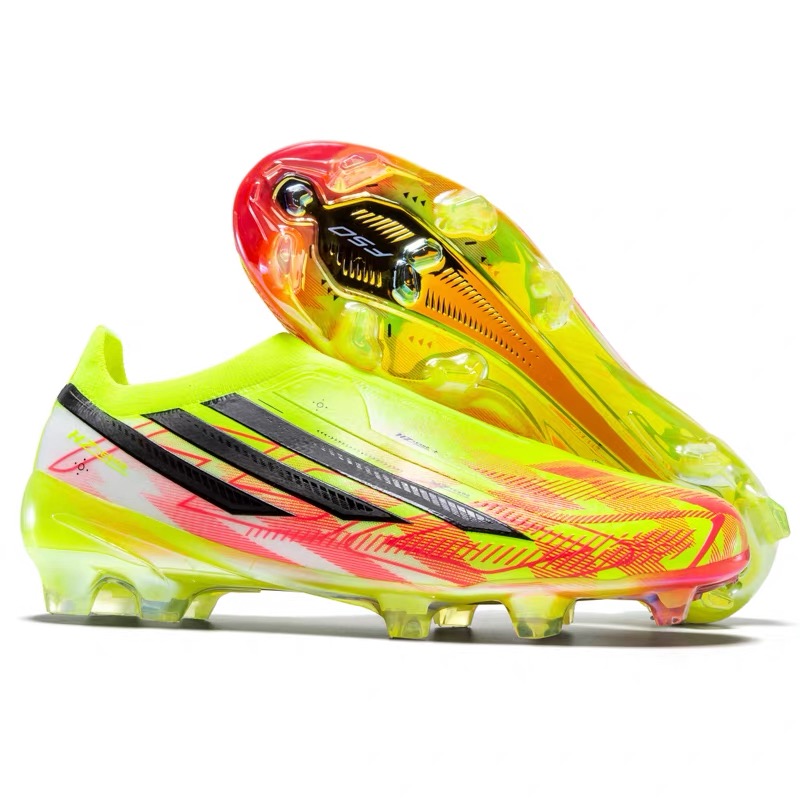
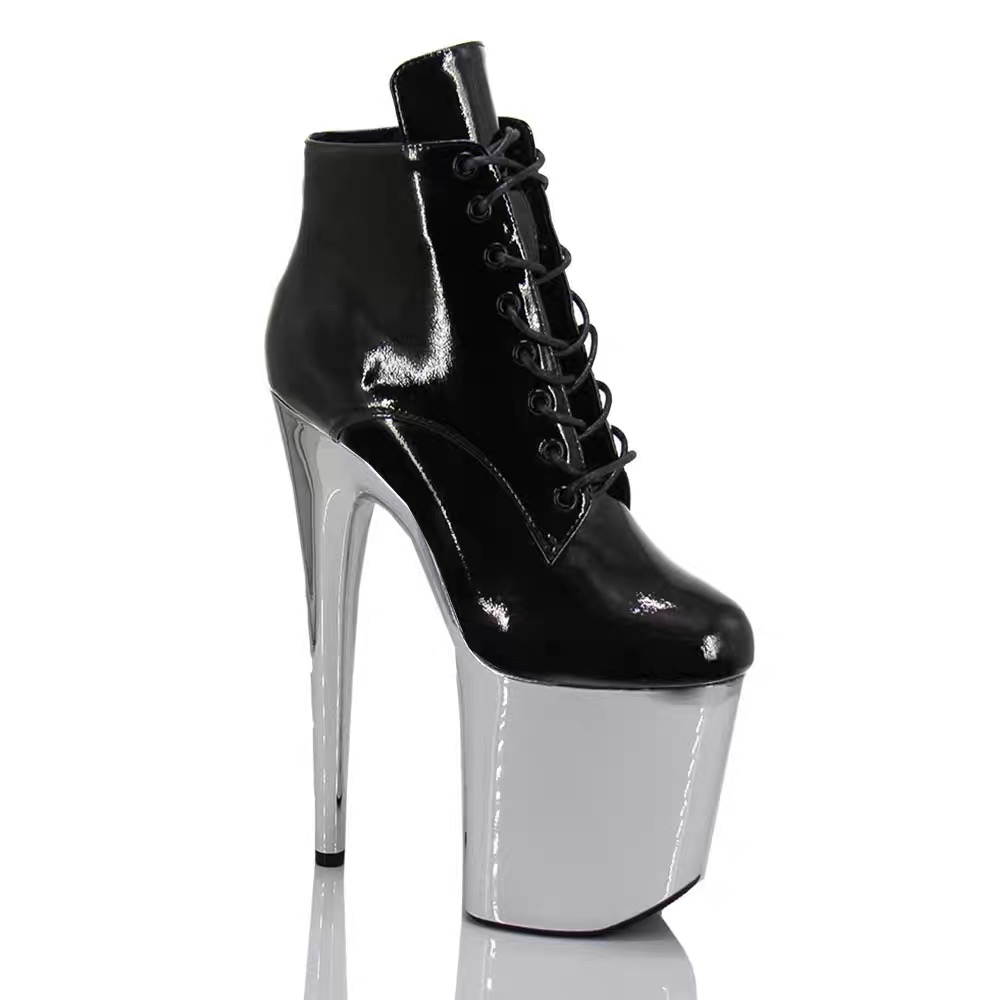
From luxury sneakers and fashion heels to football boots, metallic-finish outsoles immediately create a high-end appearance that stands out on the shelf.
As an outsole manufacturer, we are frequently asked:
"Can you produce chrome-plated football boot soles?"
The answer is yes.
However, many buyers assume that a shiny metallic surface also means greater durability. In reality, electroplating is designed to enhance appearance—not abrasion resistance.
Understanding how electroplated soles are manufactured helps explain why certain cosmetic changes are unavoidable during normal wear.
An electroplated shoe sole is typically made from TPU (Thermoplastic Polyurethane) or another electroplatable plastic.
Instead of adding metallic powder into the material itself, manufacturers apply an ultra-thin metallic coating to the surface through a chemical and electroplating process.
The result is a mirror-like finish that cannot be achieved through ordinary injection molding.
• Chrome Silver
• Metallic Gold
• Gunmetal
• Rose Gold
• Rainbow (Iridescent)
• Black Chrome
• Football boot outsoles
• Luxury sneakers
• Fashion footwear
• Women's heels
• Limited-edition collections
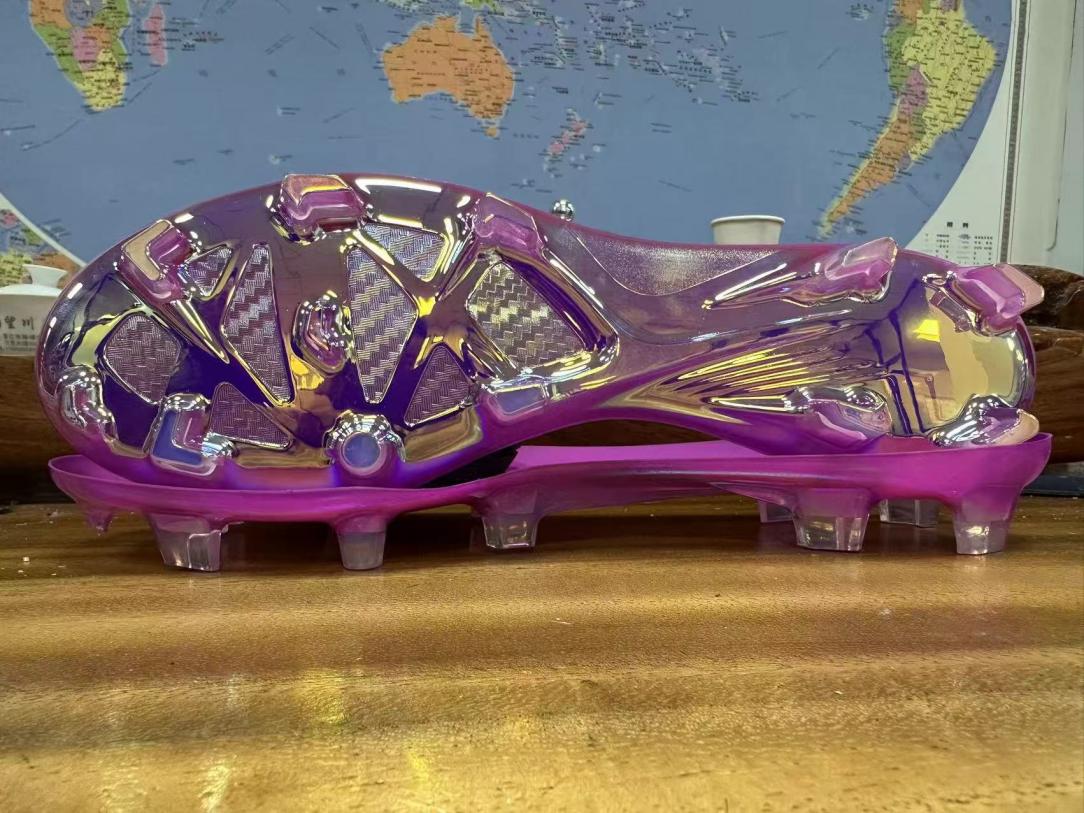
Although each factory has its own process, the typical workflow is as follows:
The outsole is first molded using TPU or another suitable material.
The quality of the molded surface is critical because any imperfections will remain visible after electroplating.
The outsole is thoroughly cleaned and chemically treated to remove oils, dust, and release agents.
Proper surface preparation is essential for achieving strong adhesion between the plastic substrate and the metallic coating.
Because plastic is non-conductive, it must first be activated through a chemical process.
A thin conductive layer is created so the electroplating process can begin.
The outsole is immersed in electroplating baths where metallic layers are deposited onto the surface.
Multiple layers may be applied depending on the desired finish and performance.
Many manufacturers apply a transparent protective coating to improve scratch resistance and slow oxidation.
However, this protective layer cannot completely prevent wear during normal use.
This is the most common misunderstanding.
The metallic finish is only a micron-thick decorative coating.
It is not part of the structural material of the outsole.
As the shoe repeatedly contacts the ground, the metallic coating gradually wears away while the TPU underneath remains intact.
This cosmetic wear is a normal characteristic of electroplated products rather than a manufacturing defect.
Common Issues with Electroplated Shoe Soles
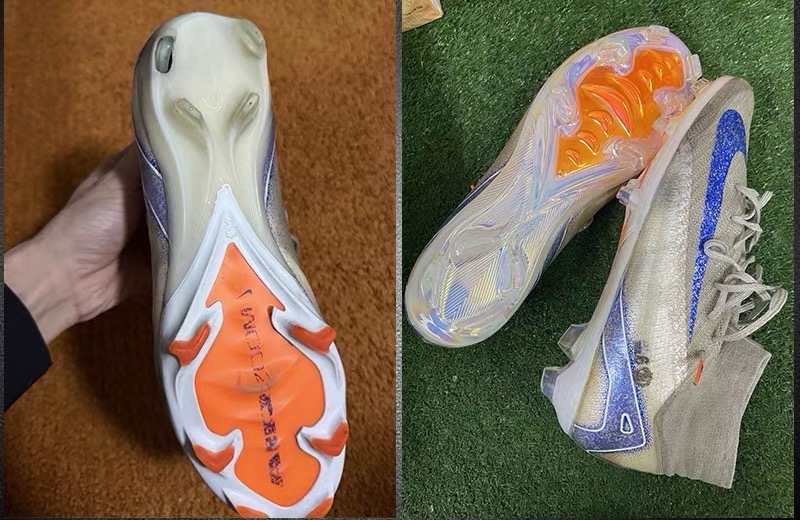
1. Surface Wear
The heel, forefoot, and other high-contact areas gradually lose their metallic finish after repeated contact with the ground.
This is the most common and unavoidable characteristic of electroplated outsoles.
2. Scratches
Mirror finishes make even small scratches highly visible.
Scratches may occur during:
• Walking
• Transportation
• Packaging
• Retail display
• Contact with rough surfaces
The smoother and shinier the finish, the easier scratches become noticeable.
3. Reduced Gloss
Even without obvious scratches, the mirror effect gradually becomes less reflective.
Dust, sand, UV exposure, moisture, and repeated cleaning slowly reduce the original brilliance.
The outsole still functions normally, but its cosmetic appearance changes over time.
4. Hairline Cracks in High-Flex Areas
Football boots, running shoes, and other athletic footwear bend thousands of times during use.
Because the plastic substrate is flexible while the metallic coating is comparatively rigid, tiny surface cracks may eventually appear in areas subjected to continuous flexing.
5. Peeling or Flaking
Unlike normal wear, localized peeling is usually associated with insufficient coating adhesion.
Possible causes include:
• Inadequate surface preparation
• Contamination before plating
• Poor process control
• Excessive mechanical stress
This type of issue should be minimized through proper manufacturing and quality control.
6. Oxidation and Color Changes
Over time, exposure to sunlight, sweat, humidity, and certain chemicals may cause the plated finish to become slightly duller or shift in color.
A protective top coat helps slow this process but cannot eliminate it entirely.
7. Batch-to-Batch Color Variation
Electroplating is a highly process-sensitive finishing method.
Minor differences in bath chemistry, temperature, current density, or plating time can result in slight color variations between production batches.
For premium brands, maintaining consistent process parameters is essential.
Can These Issues Be Prevented?
Some improvements are possible.
Manufacturers can optimize:
• Surface preparation
• Electroplating parameters
• Protective top coating
• Material selection
• Quality inspection
These measures improve appearance and coating adhesion.
However, no electroplated outsole can remain perfectly mirror-finished after prolonged contact with abrasive surfaces.
This is an inherent characteristic of decorative metallic coatings.
Choosing the Right Application
Electroplated soles are best suited for products where visual impact is a priority, such as:
• Luxury sneakers
• Women's fashion footwear
• Premium football boots
• Limited-edition collections
• High-end lifestyle shoes
For footwear intended for intensive outdoor use or prolonged abrasion, brands should understand that cosmetic wear is an expected outcome of normal use.
Final Thoughts
Electroplated outsoles deliver a premium appearance that enhances the value of modern footwear.
But like any decorative surface treatment, they involve a balance between aesthetics and long-term cosmetic durability.
Understanding the manufacturing process helps explain why surface wear, scratches, gloss reduction, and minor appearance changes are normal characteristics—not necessarily manufacturing defects.
At Huadong Holdings Group, we specialize in the development and production of customized outsole solutions, including TPU, rubber, EVA, and electroplated outsoles. We work closely with footwear brands to balance design, manufacturing feasibility, and real-world performance—helping transform creative concepts into reliable products.
Q1: What is an electroplated shoe sole?
A: An electroplated shoe sole is made from TPU or another electroplatable plastic with an ultra-thin metallic coating applied to the surface through a chemical and electroplating process. This creates a mirror-like, high-end finish that cannot be achieved through ordinary injection molding. Common finishes include chrome silver, metallic gold, gunmetal, rose gold, and rainbow effects.
Q2: Does electroplating make the sole more durable or abrasion-resistant?
A: No. Electroplating is a decorative surface treatment, not a structural reinforcement. The metallic coating is only a few microns thick and is designed to enhance appearance, not abrasion resistance. The TPU material underneath provides the actual structural durability, while the coating gradually wears away with normal ground contact.
Q3: Will the metallic finish wear off over time?
A: Yes. The heel, forefoot, and other high-contact areas will gradually lose their metallic finish after repeated contact with the ground. This is a normal characteristic of electroplated outsoles rather than a manufacturing defect. The shoe remains fully functional, but its cosmetic appearance changes over time.
Q4: Why do electroplated soles scratch so easily?
A: Mirror finishes are highly reflective, which makes even small scratches extremely visible. Scratches can occur from walking, transportation, packaging, retail display, or contact with rough surfaces. The smoother and shinier the finish, the more noticeable scratches become.
Q5: Can electroplated soles be made completely scratch-proof?
A: No. While manufacturers apply a transparent protective top coat to improve scratch resistance and slow oxidation, it cannot completely prevent wear. The micron-thick metallic coating is inherently susceptible to scratches and abrasion during normal use.
Q6: What causes peeling or flaking on electroplated soles?
A: Unlike normal wear, peeling or flaking is usually associated with insufficient coating adhesion. Possible causes include inadequate surface preparation, contamination before plating, poor process control, or excessive mechanical stress. This type of issue should be minimized through proper manufacturing and quality control.
Q7: Are electroplated soles suitable for sports or outdoor footwear?
A: Electroplated soles are best suited for products where visual impact is the priority, such as luxury sneakers, women's fashion footwear, premium football boots, and limited-edition collections. For footwear intended for intensive outdoor use or prolonged abrasion, brands should understand that cosmetic wear is an expected outcome of normal use.
Q8: What causes color changes or oxidation on electroplated finishes?
A: Over time, exposure to sunlight (UV), sweat, humidity, and certain chemicals may cause the plated finish to become slightly duller or shift in color. A protective top coat helps slow this process but cannot eliminate it entirely.
Q9: Why do hairline cracks appear on some electroplated soles?
A: Football boots, running shoes, and other athletic footwear bend thousands of times during use. Because the plastic substrate (TPU) is flexible while the metallic coating is comparatively rigid, tiny surface cracks may eventually appear in areas subjected to continuous flexing.
Q10: Are there color variations between different production batches?
A: Yes. Electroplating is a highly process-sensitive finishing method. Minor differences in bath chemistry, temperature, current density, or plating time can result in slight color variations between production batches. For premium brands, maintaining consistent process parameters is essential.
Q11: Can electroplating be applied to any shoe sole material?
A: No. Electroplating requires materials that can accept a conductive layer and hold a metallic coating. TPU is the most common choice, but other electroplatable plastics may also be used. Rubber, EVA, and most foam materials cannot be directly electroplated.
Q12: Is an electroplated sole more expensive than a standard sole?
A: Yes. The additional surface preparation, chemical activation, electroplating process, and protective top coat all add significant cost compared to standard injection-molded soles. This is why electroplated finishes are typically found on premium, luxury, and limited-edition footwear.
Q13: How can buyers verify the quality of electroplated soles?
A: Key quality indicators include:
Consistent color and gloss across the entire surface
No visible peeling, flaking, or blistering
Uniform coating in high-wear and high-flex areas
Batch-to-batch color consistency
Proper adhesion test results (e.g., tape test, cross-hatch test)
Q14: What is the biggest misunderstanding about electroplated soles?
A: The biggest misunderstanding is assuming that a shiny metallic surface also means greater durability. In reality, electroplating is designed to enhance appearance—not abrasion resistance. The metallic coating is only a decorative surface layer and will wear off over time with normal use.
Q15: What advice would you give to brands considering electroplated soles?
A: Brands should:
Understand that cosmetic wear is normal and expected
Choose electroplating for products where visual impact is the priority
Consider the intended use environment (high abrasion vs. light wear)
Set realistic expectations with customers about appearance changes over time
Work with experienced manufacturers who can control process parameters and maintain quality
Q16: Is it possible to repair worn electroplated soles?
A: Generally, no. The electroplated coating cannot be reapplied to finished shoes in the field. Once the metallic finish wears off, it is a permanent cosmetic change. This is why pre-sale education about expected wear is important for brands using electroplated soles.
Q17: What's the key takeaway for footwear brands?
A: Electroplated outsoles deliver a premium appearance that enhances the value of modern footwear. But like any decorative surface treatment, they involve a balance between aesthetics and long-term cosmetic durability. Understanding the manufacturing process helps explain why surface wear, scratches, gloss reduction, and minor appearance changes are normal characteristics—not necessarily manufacturing defects.


