
Views: 24 Author: Site Editor Publish Time: 2026-06-11 Origin: Site


For decades, high heels represented elegance, professionalism, and femininity. From office environments to social occasions, women often accepted discomfort as part of fashion.
Today, however, the global footwear market is experiencing a significant shift.
Women are increasingly prioritizing comfort, health, and versatility over traditional fashion norms.
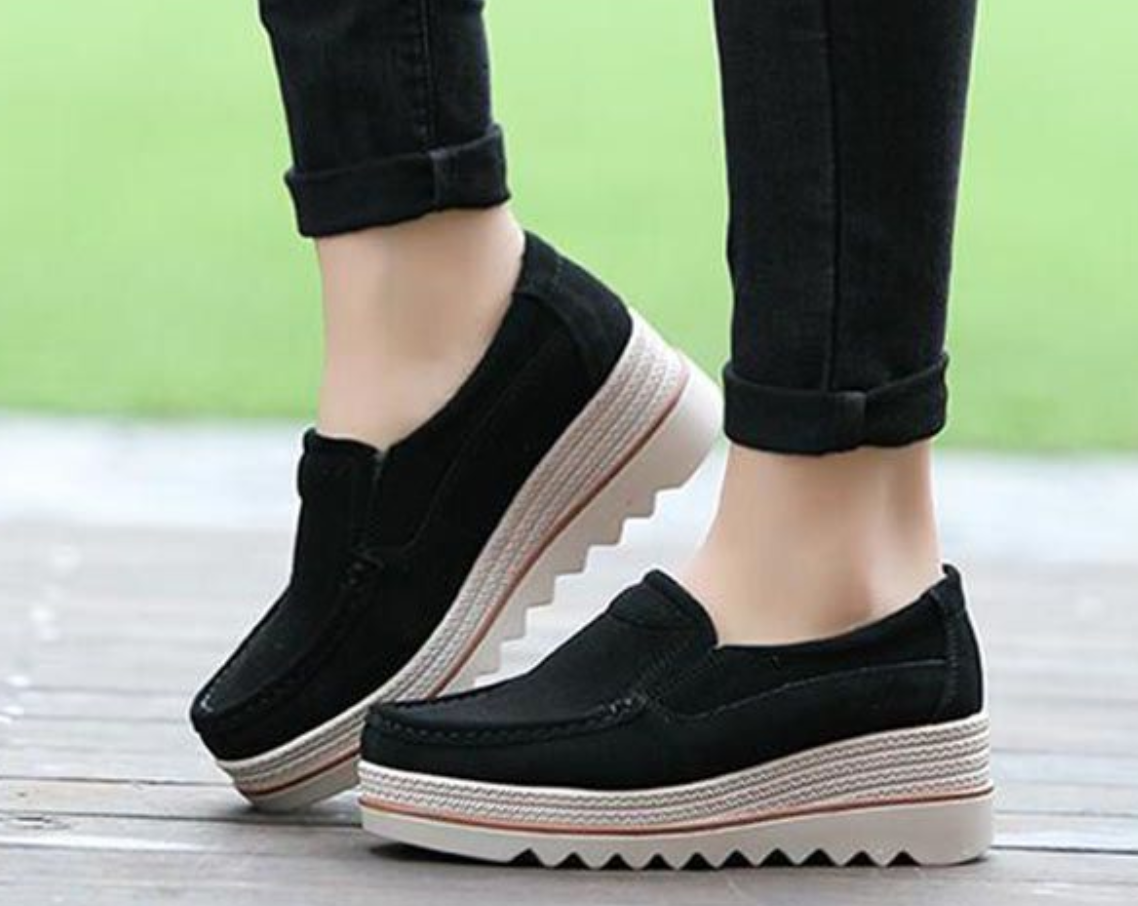
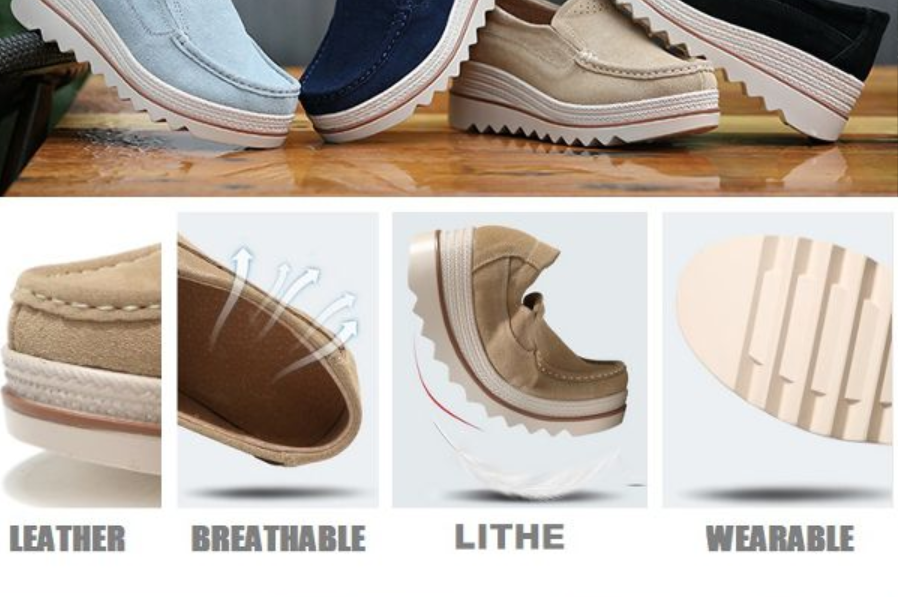
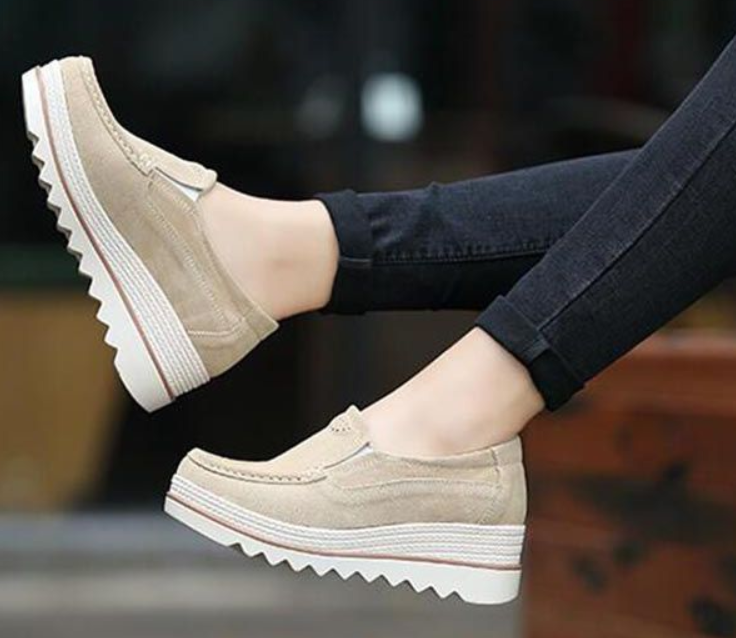
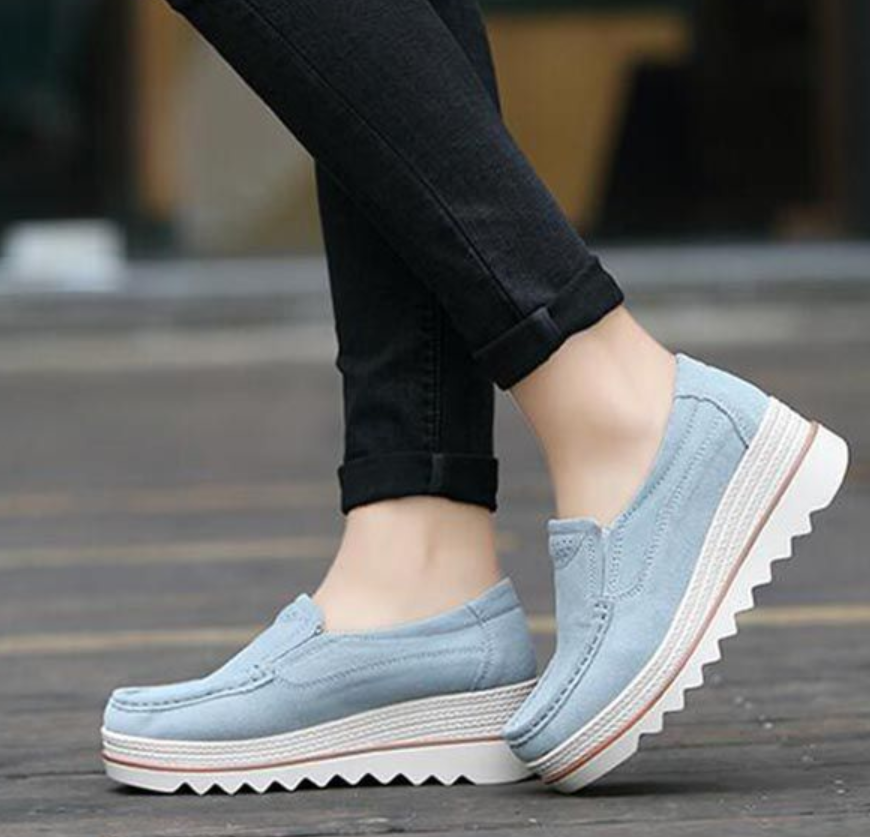
The rise of lifestyle sneakers, walking shoes, athleisure footwear, and so-called “mom shoes” reflects a broader change in consumer behavior that is transforming the entire footwear industry.
Behind this transformation lies an often-overlooked component:
The shoe sole.
Why Are Women Moving Away From High Heels?
Several factors have contributed to this trend.
1. Health Awareness
Medical studies have long associated prolonged high heel use with foot pain, joint stress, posture issues, and long-term musculoskeletal problems.
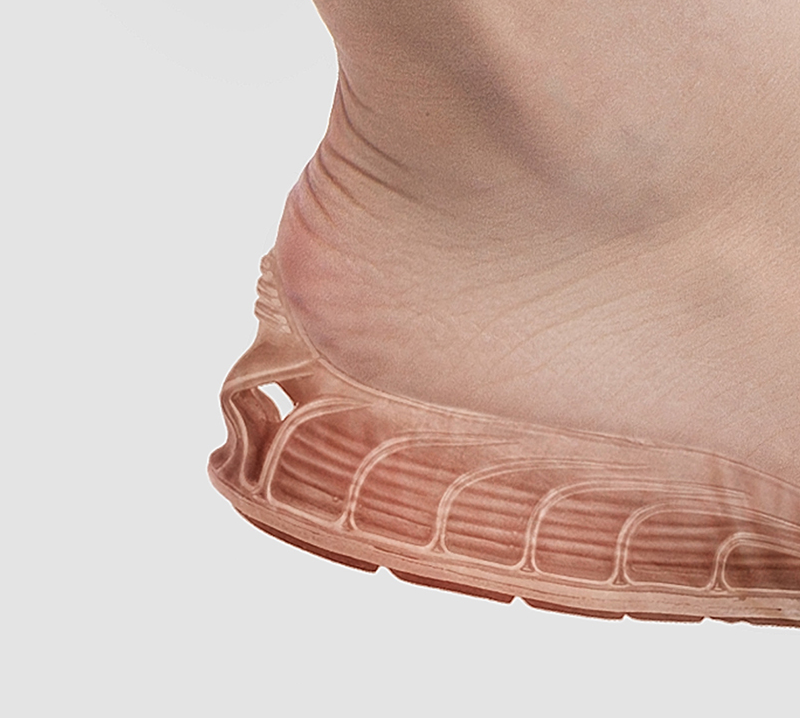
Modern consumers are more informed than ever. Women now seek footwear that supports natural movement and reduces fatigue throughout the day.
2. Lifestyle Changes
The growth of hybrid work environments and active lifestyles has reduced demand for formal footwear.
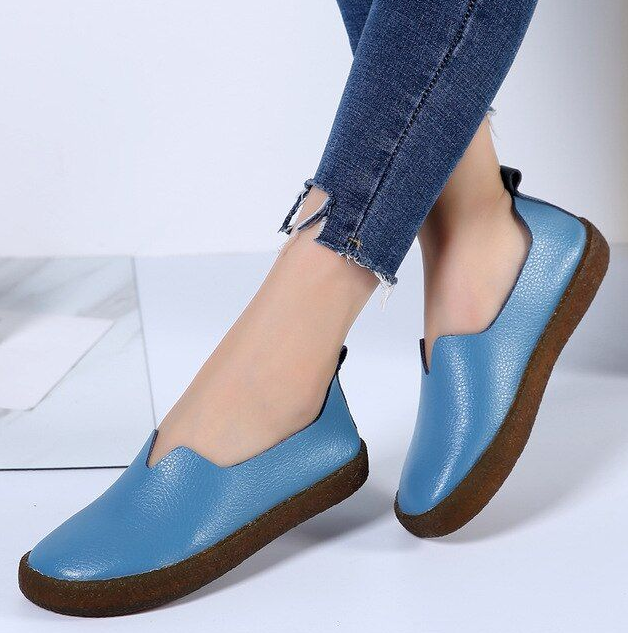
Consumers increasingly expect a single pair of shoes to perform across multiple situations:
• Commuting
• Shopping
• Traveling
• Working
• Social activities
Comfort has become a purchasing priority rather than an afterthought.
3. Athleisure Influence
Global sportswear brands have successfully blurred the line between athletic performance and everyday fashion.
Sneaker-inspired designs now dominate women’s footwear collections across premium, mid-market, and fast-fashion segments.
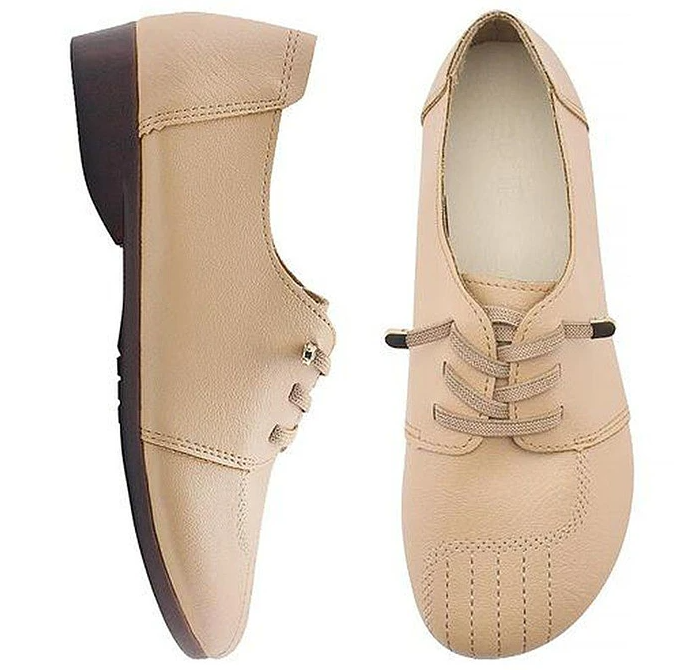
The modern “mom shoe” has evolved from a purely functional product into a mainstream fashion category.
The Evolution of Women’s Shoe Sole Technology
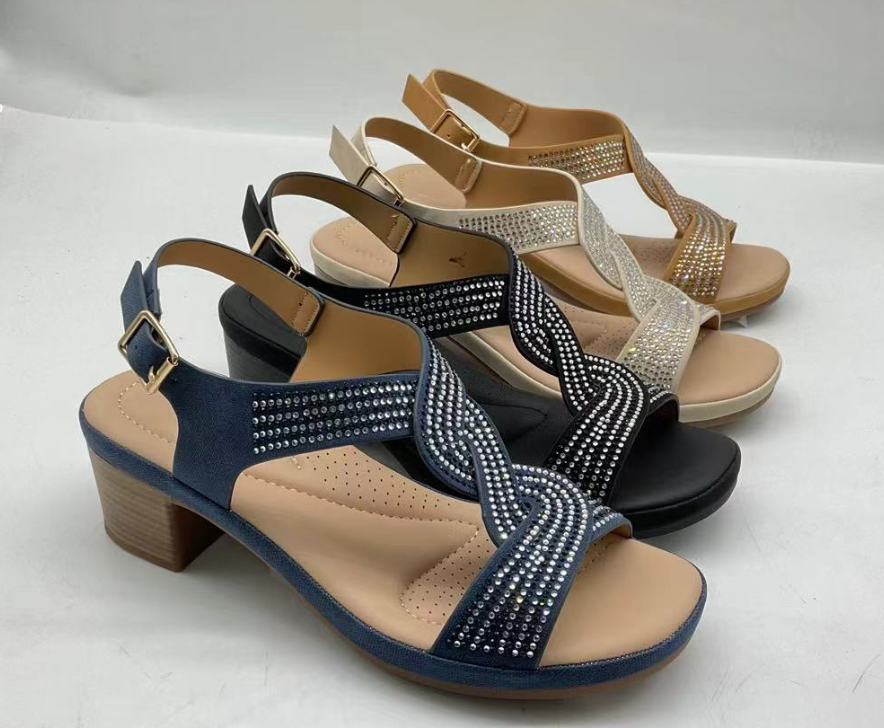
As footwear styles evolve, sole construction has become one of the key areas of innovation.
Consumers no longer judge a shoe solely by appearance. They increasingly evaluate:
• Cushioning
• Weight
• Energy return
• Durability
• Flexibility
• Walking comfort
To meet these expectations, footwear brands are adopting advanced sole technologies.
Lightweight EVA Soles
EVA remains one of the most widely used materials in women’s casual and lifestyle footwear.
Benefits include:
• Low density
• Lightweight performance
• Good cushioning
• Cost efficiency
• Flexible design possibilities
EVA soles are commonly found in walking shoes, casual sneakers, and everyday comfort footwear.
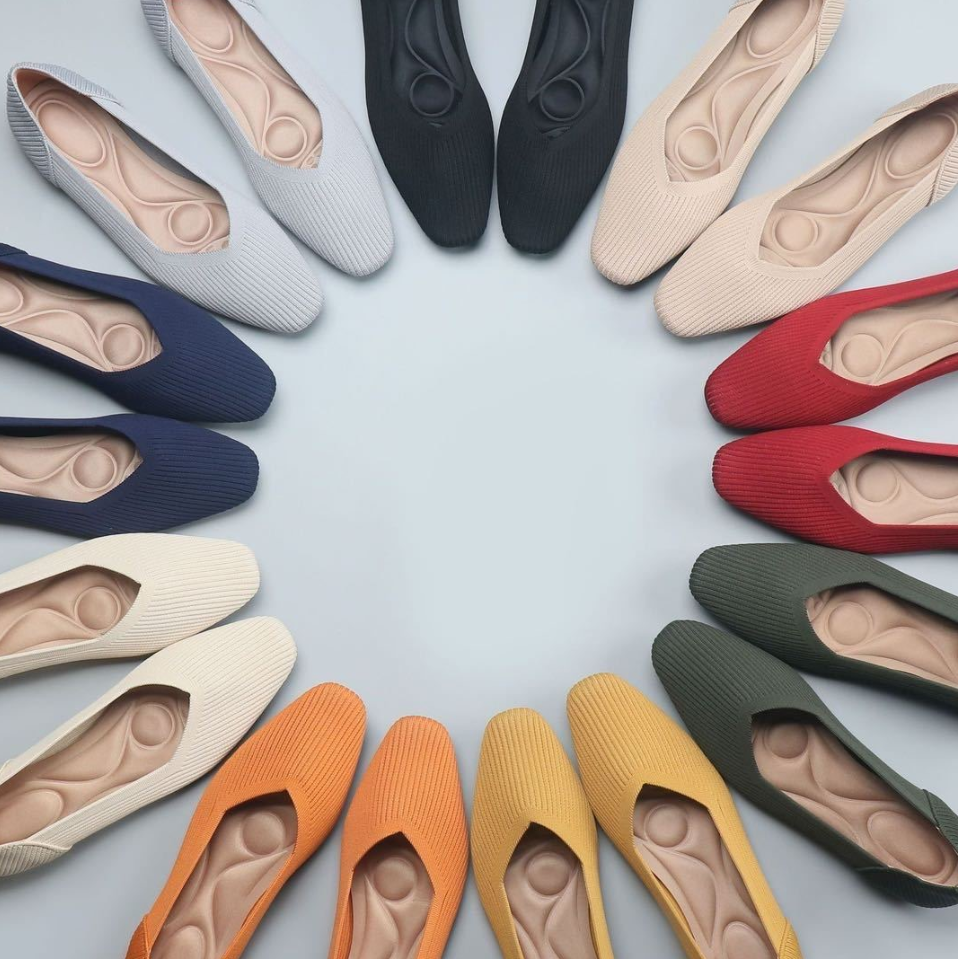
ETPU and Expanded TPU Solutions
Expanded TPU materials offer higher rebound and superior cushioning compared to traditional EVA.
Advantages include:
• Enhanced energy return
• Improved resilience
• Long-term comfort retention
• Better performance under repeated compression
These materials have become increasingly popular in premium comfort footwear.
Supercritical Foam Technology
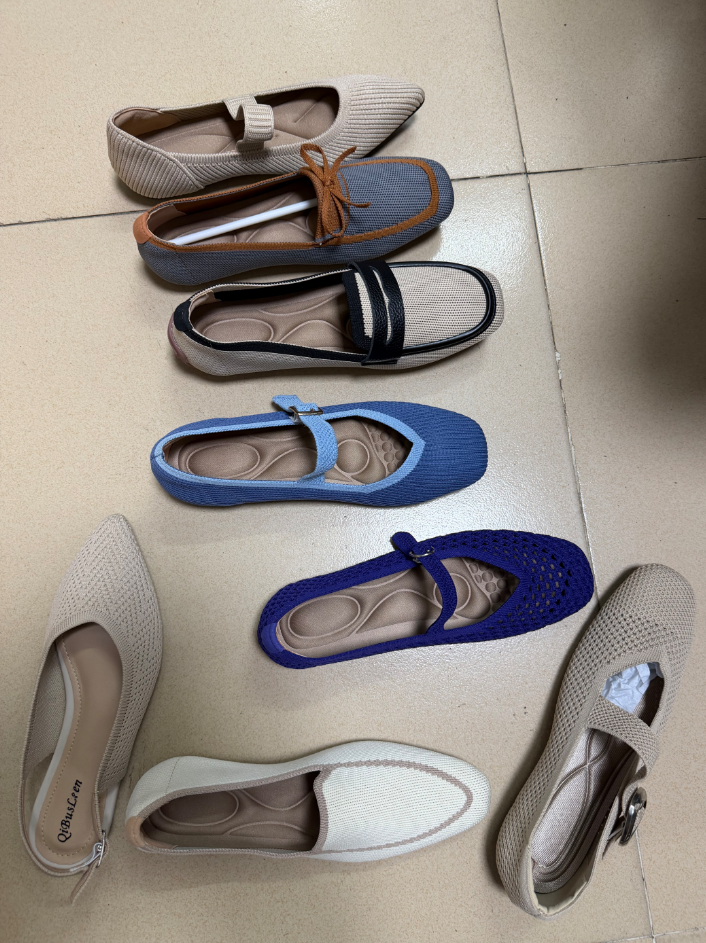
One of the most significant innovations in recent years is supercritical foaming technology.
Materials such as:
• Supercritical EVA
• Supercritical TPU
• Supercritical TPEE
• Supercritical PEBA
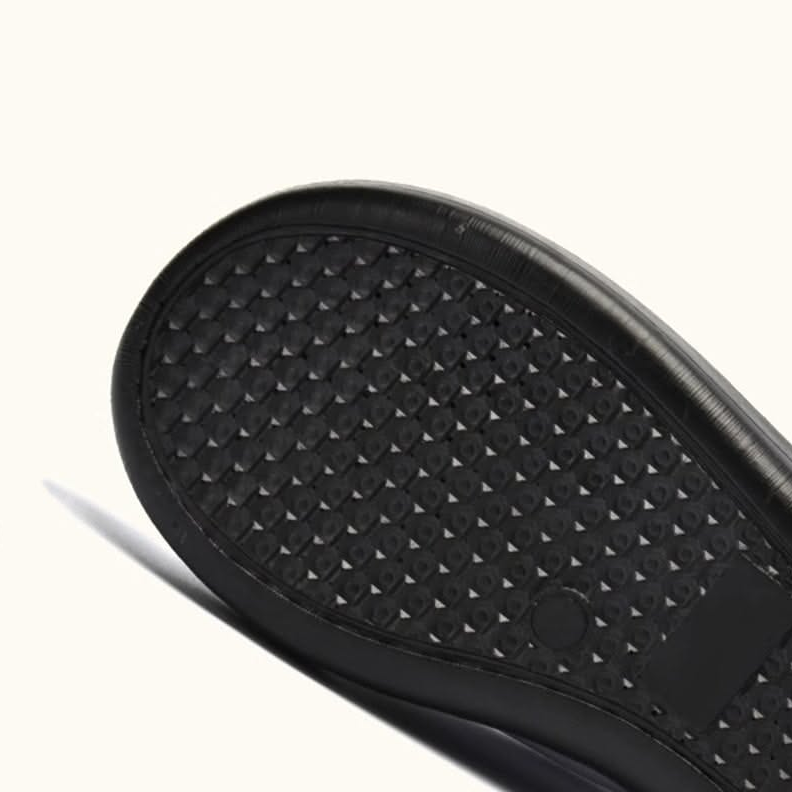
allow manufacturers to achieve:
• Ultra-lightweight construction
• Exceptional cushioning
• High rebound performance
• Improved durability
Originally developed for running footwear, these technologies are now expanding rapidly into women’s lifestyle and comfort shoe categories.
What Consumers Expect From Modern Comfort Shoes
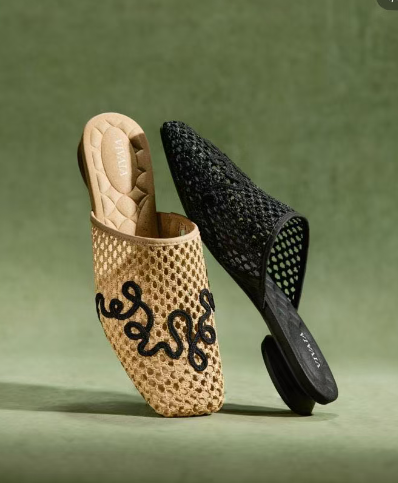
Today’s female consumers seek more than softness.
The ideal comfort shoe combines:
Cushioning
Reducing pressure on feet during long periods of walking.
Stability
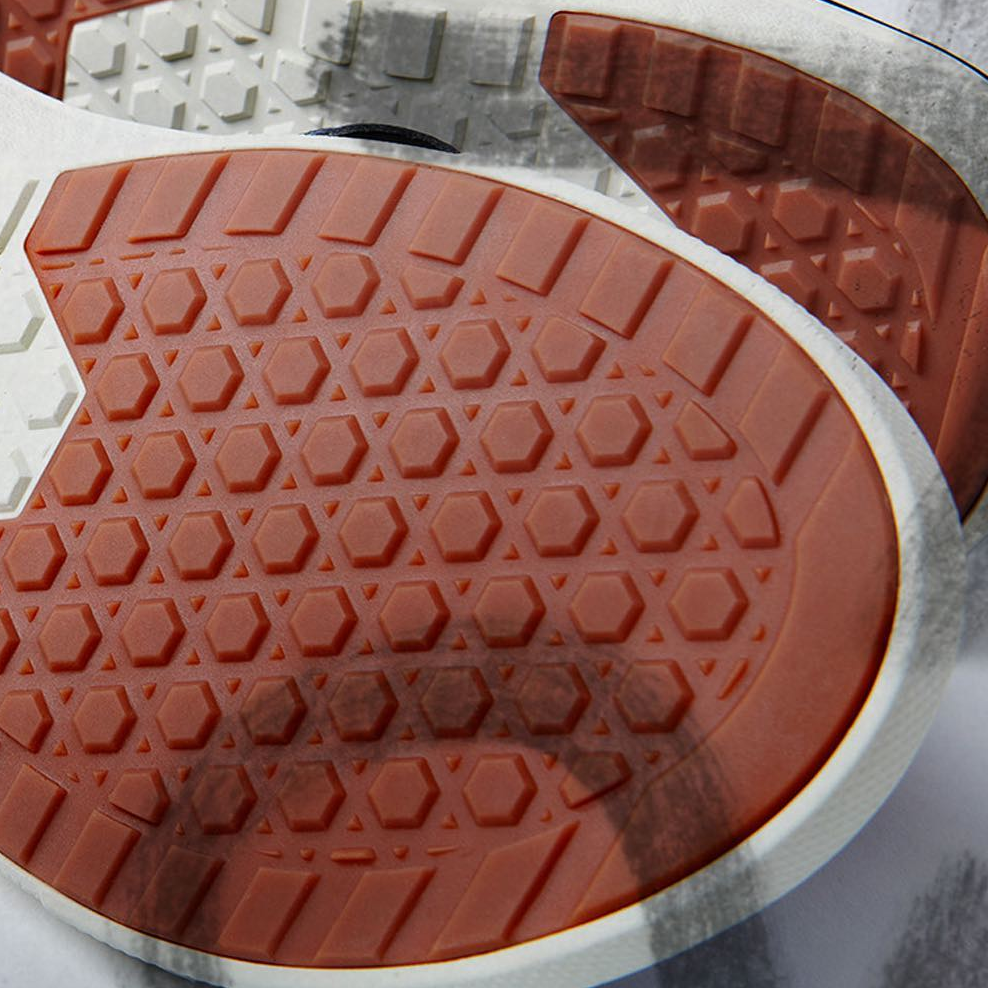
Providing support for daily activities and extended wear.
Lightweight Construction
Minimizing fatigue while maintaining durability.
Modern Aesthetics
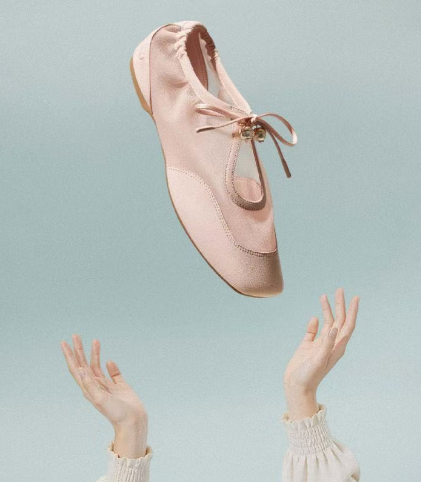
Comfort no longer means sacrificing style.
Successful footwear brands are combining advanced sole engineering with contemporary fashion design.
How Sole Manufacturers Support Footwear Innovation
For footwear brands, choosing the right sole partner has become increasingly important.
Modern sole development requires expertise in:
• Material engineering
• Mold development
• Weight optimization
• Cushioning performance
• Mass production consistency
As consumer demand continues to shift toward comfort-oriented footwear, sole manufacturers play a critical role in helping brands bring innovative products to market faster and more efficiently.
Looking Ahead
The future of women’s footwear is clear:
Comfort is no longer a trend—it is becoming the industry standard.
From lifestyle sneakers to premium walking shoes and modern mom shoes, the next generation of women’s footwear will rely heavily on advanced sole technologies that deliver superior comfort, durability, and performance.
Brands that invest in innovative sole solutions today will be better positioned to meet the expectations of tomorrow’s consumers.
At Huadong Soles, we continue to work with global footwear brands to develop lightweight, comfortable, and performance-driven sole solutions for the evolving women’s footwear market.
FAQ
Women's Footwear — From High Heels to Comfort Shoes
Q1: Why are women moving away from high heels?
A: Three main reasons:
Health awareness – Prolonged high heel use can cause foot pain, joint stress, posture issues, and long-term musculoskeletal problems.
Lifestyle changes – Hybrid work and active lifestyles require footwear that supports commuting, shopping, travel, and social activities.
Athleisure influence – Sportswear brands have blurred the line between performance and fashion, making sneaker-inspired designs mainstream.
Q2: What does the "mom shoe" have to do with this trend?
A: The "mom shoe" has evolved from a purely functional product into a mainstream fashion category. It represents the broader shift toward comfort, practicality, and everyday versatility — without sacrificing style.
Q3: What sole technologies are driving this change?
A: Three key technologies are leading the way:
Lightweight EVA: Low density, good cushioning, cost efficiency, flexible design
Expanded TPU (ETPU): Higher rebound, superior cushioning, long-term comfort retention
Supercritical Foam (EVA/TPU/TPEE/PEBA): Ultra-lightweight, exceptional cushioning, high rebound, improved durability
Q4: What do women look for in modern comfort shoes?
A: Today's consumers expect a combination of:
Cushioning – Reduces foot pressure during long walks
Stability – Provides support for daily activities
Lightweight construction – Minimizes fatigue
Modern aesthetics – Comfort without sacrificing style
Q5: Are comfort shoes only for casual wear?
A: No. Comfort features are now expected across multiple categories, including lifestyle sneakers, walking shoes, athleisure footwear, casual work shoes, travel shoes, and everyday fashion footwear.
Q6: Is comfort just about softness?
A: Not anymore. The ideal comfort shoe combines soft cushioning with structural stability, lightweight performance, and durability. Softness alone is no longer enough.
Q7: How do sole manufacturers help brands meet this demand?
A: Professional sole manufacturers provide expertise in material engineering, mold development, weight optimization, cushioning performance, and mass production consistency. This helps brands bring innovative comfort footwear to market faster and more efficiently.
Q8: Is this trend temporary or long-term?
A: Comfort is no longer a trend — it is becoming the industry standard. The future of women's footwear will continue to prioritize advanced sole technologies that deliver superior comfort, durability, and performance.


