
Views: 80 Author: Site Editor Publish Time: 2025-12-10 Origin: Site


In winter, with heavy rain, snow, and thick clothing, the risk of falling increases significantly. Data shows that the fracture rate in winter is 24% higher than in other seasons. A simple cough, a bend, or a seemingly minor fall can lead to a fracture or even a fatal crisis - over 20% of hip - fracture patients over 50 years old die within a year.

High Fracture Risk Due to Poor Shoe Selection in Winter
In winter falls, 60% of tragedies start from slippery shoes. The program "I Am a Great Doctor" simulated a slippery winter road surface with a slope, oil, and water, and tested the anti - slip performance of common shoes such as snow boots, leather shoes, sneakers, and running shoes. The results were surprising - seemingly thick shoes may be "unable to move an inch" on a slippery surface.
The Core Secret of Anti - Slip Soles: Three Choices and Three Avoidances
Zhang Jia, the deputy director and chief physician of the Orthopedics Department at Peking Union Medical College Hospital, revealed the core secret of anti - slip soles. Remember the following principles:
1. Choose Convex Patterns over Concave Ones: Deeply concave patterns tend to retain snow and water, causing the sole to "float" on the road surface.
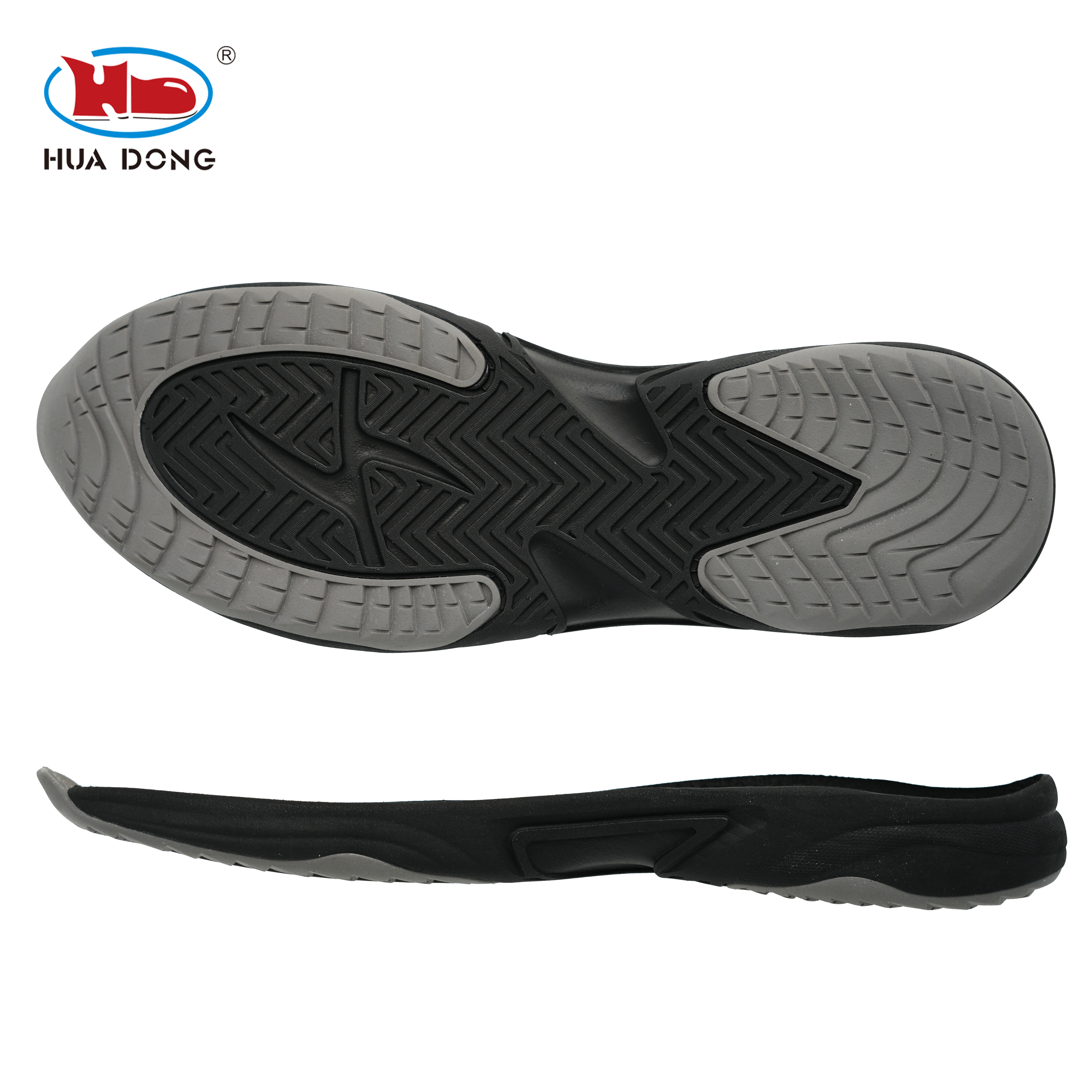
2. Choose Dotted Patterns over Large Horizontal Lines: Patterns with dense small protrusions grip the ground like nails, providing far more friction than wide horizontal lines.

3. Choose Complex Cross - Patterns over Circular Patterns: Cross - patterns enhance all - round grip, while circular patterns are prone to slipping.


