A November announcement puts digital manufacturing back in focus
3D-printed footwear is a timely industry story because the conversation now includes materials partnerships and commercial product plans. On November 4, 2026, Arkema and Carbon announced an expansion of their longstanding collaboration in consumer applications, including footwear. Their announcement connects UV-curable material expertise with Carbon’s Digital Light Synthesis technology and tunable lattice structures. [1]
For footwear buyers, this raises a practical question: where can additive manufacturing create a product advantage worth paying for? Our interpretation is that brands should evaluate the technology through a specific use case, such as personalized fit, targeted cushioning or a distinctive construction. A visually unusual sole is only the beginning of that assessment.
For a brand planning its next collection, the value of this development is the range of questions it opens. Could a change to the digital design improve a particular fit issue? Would a printed component simplify an early sampling stage? These questions give the discussion a commercial purpose. Each proposed benefit should be connected to something the customer can notice or the product team can verify.
Commercial launches need a clear timeline and product category
The adidas Futurecool announcement provides another useful signal. Published on August 27, 2026, it described an initial release of 400 numbered pairs ahead of a wider launch planned for April 1, 2027. adidas identifies Futurecool as a lifestyle silhouette, rather than a performance shoe. As of November 17, the broader launch is still a future plan. [2]
That distinction matters when reading industry headlines. A limited release demonstrates a different level of availability from sustained mass production. Likewise, everyday comfort claims do not establish suitability for competitive sport. Buyers should identify the intended category, available sizes, delivery commitments and evidence behind performance claims before treating a new manufacturing method as ready for their own collection.
A useful launch review separates what has already happened from what the brand plans to do next. Check whether customers can order the product now, whether delivery is limited to selected markets and whether the announcement concerns an entire shoe or one component. Keeping those details visible makes it easier to compare new projects without confusing an experimental release with an established supply option.
Sole development becomes a geometry-and-material decision
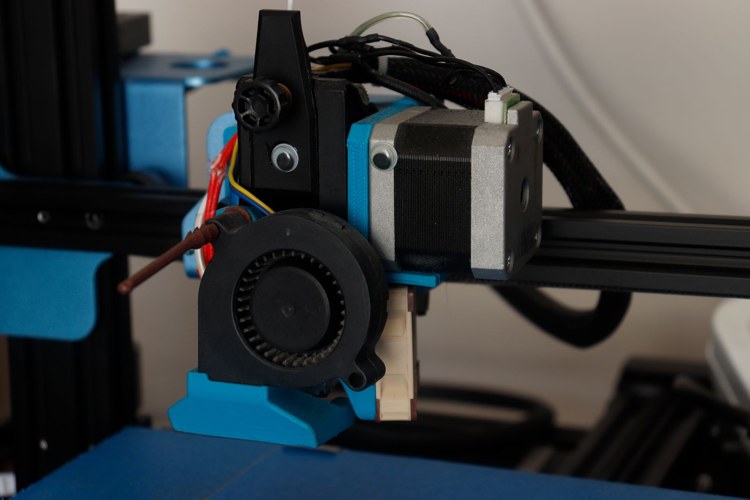
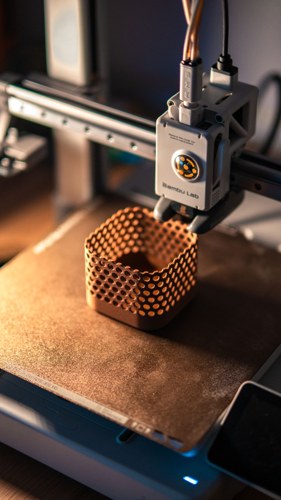
Arkema describes lattice structures whose behavior can be adjusted for cushioning, support and energy return. It also highlights a custom sandal example that uses individual foot scans. These are application-specific possibilities, rather than a promise that every printed shoe delivers the same experience. [1]
For a development brief, specify where the shoe must flex, where it must support the foot and which areas contact the ground. A comfortable internal structure and a durable ground-contact surface perform different jobs. Ask the development partner to explain how each zone will be evaluated. A printed concept should be judged as a complete shoe, including transitions between zones, fit across sizes and the way its structure changes after repeated use.
Consider a concept that needs a softer heel area and a more supportive perimeter. The brief should ask the development partner to propose and compare alternative structures, then explain the tradeoffs in feel, stability and wear. That comparison is more useful than approving a lattice only from a rendering. Keep the approved material and process settings associated with the tested version so later changes can be assessed.
The business case must include finishing and quality control
A sensible comparison considers the full route from design file to saleable pair. Request a quotation that identifies printing, any cleaning or curing, finishing, inspection and rejected-part allowances relevant to the proposed process. Compare that total with a conventional production route at the same order quantity and quality target. Printing processes differ, so one supplier’s cycle time cannot stand in for the entire category.
Start with a controlled pilot and an agreed acceptance plan. Useful questions include how dimensions are checked, how results vary between production batches and what happens when a sample fails a wear trial. Small-batch flexibility has commercial value only when finished pairs can be delivered consistently. This is a purchasing recommendation, not a claim that printing is always cheaper or faster.
It is also worth asking how design changes are controlled after approval. If the supplier adjusts a structure, material or processing step, establish whether a new sample review is required. Keep a record of the approved version and any agreed tolerances. This gives the buyer a reference when evaluating a repeat order and helps the production team understand which changes affect the customer’s expected experience.

What footwear brands should do next
Choose one customer problem and one product category before choosing a production platform. For example, a personalized lifestyle sandal and a high-volume outdoor outsole call for very different briefs. Define the required fit, ground-contact behavior, wear conditions, order size and target cost, then ask potential partners to compare feasible manufacturing options.
An effective pilot should produce a decision, not simply a collection of attractive samples. Agree in advance what would justify another development round, a small commercial order or a return to a conventional process. Include customer feedback where the concept depends on fit or appearance. This keeps spending connected to the product brief and gives both buyer and supplier a clearer basis for the next stage.
The current opportunity is to connect design freedom with measurable product value. Material partnerships and announced launches make 3D printing worth monitoring, but they do not remove the need for development samples, production validation and realistic delivery planning. If you are discussing a new sole project with Huadong, share your intended market, reference shoe and performance requirements so the manufacturing route can be assessed against the actual brief.
Frequently Asked Questions
Are 3D-printed shoes already replacing molded soles?
The announcements discussed here do not establish that. Printing and molding serve different briefs, and the best route depends on volume, design, material, cost and validation. Compare the proposed process with molding for the same product requirements and order quantity.
Can a 3D-printed sole be customized?
Some systems support tailored geometry or scan-based fit. Confirm what the supplier actually customizes, the available size range and how fit is checked. Ask whether the customization changes only dimensions or also the structure and underfoot feel.
Does a lattice structure guarantee better cushioning?
No. Cushioning depends on material, geometry, manufacturing consistency and the complete shoe. Compare tested samples under the intended conditions. Use the same comparison conditions so differences between sample versions can be interpreted fairly.
What should a buyer request first?
Request a feasible design proposal, process-specific quotation, sample plan, quality criteria and production timeline before committing to a larger order. Include how the supplier will manage repeat orders and changes after the first sample approval.
Sources
[1] Arkema: Carbon partnership announcement, November 4, 2026