A current growth signal with a specific market scope
Football footwear deserves attention in the latest industry news. In its November 2, 2026 release, Circana reported double-digit increases in both dollar sales and units for soccer footwear in the United States during the third quarter. Across the overall U.S. footwear market, dollar sales were flat and units declined in the mid-single digits. [1]
This makes soccer a notable category signal within that market, but it is not evidence of the same growth rate worldwide. For suppliers and brands, our reading is that a focused football assortment may deserve closer evaluation. The useful next step is to identify who is buying, where they play and which price segment the planned product will serve.
To judge whether the signal is relevant to your business, compare it with orders and enquiries from your own target customers. Ask whether demand concerns match boots, training footwear or recreational styles, and whether it is spread across the size range. A growing category can still contain slow-moving products. Using the market report alongside customer evidence helps keep the planned assortment proportionate to the actual opportunity.
Start the soleplate brief with the playing surface
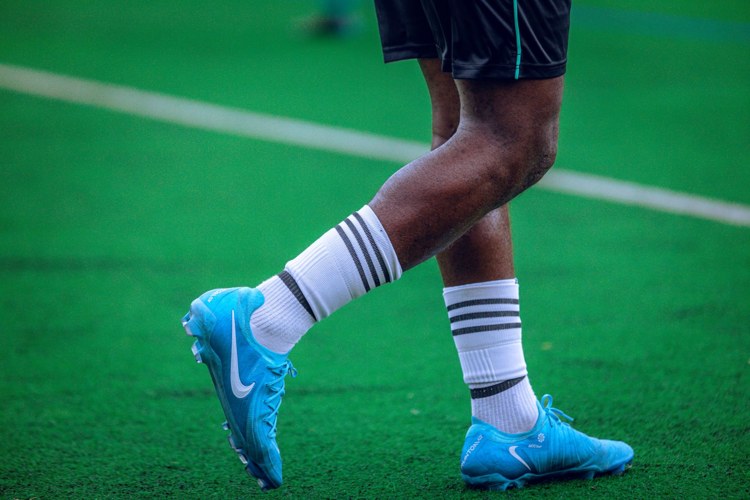
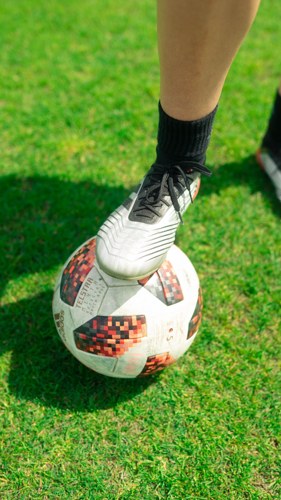
Nike’s footwear guide separates firm ground, artificial grass, turf and indoor uses. It describes firm-ground plates for short natural grass in dry or slightly damp conditions, while artificial-grass plates are designed for the relevant synthetic pitches. Turf and indoor products have their own intended applications. [3]
For a development team, the surface should therefore be an early specification. Record the actual pitch type and expected conditions rather than using a broad label such as outdoor football. A color or upper change does not establish that an existing soleplate is suitable for another surface. Product naming, outsole selection and usage guidance should tell the same story, with the supplier confirming compatibility for the exact construction.
A practical briefing example is a customer who says the shoe will be used on artificial turf. Ask for more detail about that surface, including a photograph or the venue’s footwear guidance where available. Then have the supplier identify the appropriate sole option. This avoids making a development decision from a term that different customers may use for different kinds of pitches.
The 2026 product story is about different kinds of movement
Nike’s May 25 announcement for its new Mercurial models illustrates the direction of football product development. The brand distinguished the Vapor 17’s focus on quick movement in tight spaces from the Superfly 11’s emphasis on sustained speed in open space. Its description links plate, stud and upper choices to those intended experiences. These remain the brand’s product claims. [2]
The broader design lesson is to define the player experience before drawing the outsole. A brief might prioritize rapid changes of direction, repeated training sessions or a comfortable recreational fit. Each objective should lead to a corresponding evaluation plan. A single weight figure or aggressive-looking stud pattern cannot explain how the whole shoe behaves during play.
Use player feedback to connect these objectives to the sample. If testers report discomfort or a lack of confidence during a particular movement, record when it occurs and which version they wore. The development partner can then investigate the relevant part of the construction. Feedback such as “feels fast” may be useful for marketing research, but it needs more detail before it can guide a soleplate revision.
Validate the complete shoe before expanding the range
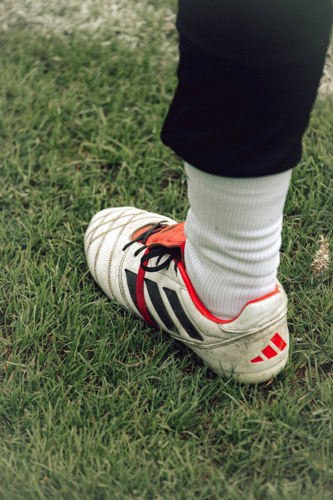
For a new football sole project, agree how the samples will be assessed on the intended surface. Discuss traction behavior during acceleration, braking and turning; forefoot flexibility; stud durability; and the connection between upper and sole. Ask a qualified testing partner to define the appropriate methods and acceptance criteria for the product and market.
Fit and consistency also matter. Evaluate more than one size and include representative users in wear trials. Record the conditions, duration and observed wear so sample comparisons remain meaningful. This is a recommended development approach rather than a universal technical standard. The objective is a documented reason to approve the product, followed by production controls that keep delivered pairs aligned with the approved sample.
Keep the upper and sole together during evaluation. A plate that seems suitable on its own may feel different once it is combined with the selected last, upper and fastening system. After a revision, identify what changed and whether earlier results still apply. A disciplined sample record allows the team to compare alternatives fairly rather than relying on impressions from shoes made to different specifications.
Build a precise assortment around a real customer need
Category growth does not require every supplier to launch a large football range. A narrower starting point can make the brief clearer: one target customer, one playing environment and a defined retail position. Resolve size grading, fit, intended use and production feasibility before adding multiple upper designs or colorways.
For a first order, discuss how many combinations of size, upper and sole the business can support reliably. Each additional option brings its own forecasting and replenishment decisions. A manageable starting range can make it easier to collect useful sell-through and customer feedback. Use those results to decide which products deserve a repeat order or a wider range in the following selling period.
For sole sourcing, provide reference samples together with the pitch type, target size range, expected order quantity and performance requirements. Ask which existing construction can be evaluated and where new tooling may be necessary. The opportunity highlighted by the current U.S. sales data is a reason to investigate demand carefully. A well-defined product brief and verified samples are what turn that interest into a workable footwear program.
Frequently Asked Questions
Is soccer footwear growing in every market?
The cited Circana release covers the United States in Q3 2026. It should not be presented as a global growth statistic. Check local customer demand and distribution conditions before applying the signal to another region.
Are firm-ground and artificial-grass soles interchangeable?
Do not assume so. Follow the manufacturer’s intended-surface guidance for the exact model and confirm the construction before development or use. Confirm whether any multi-surface claim applies to that particular product rather than to a whole category.
Does a lighter soleplate automatically make a better boot?
No. Weight must be considered alongside fit, flexibility, traction behavior and durability for the intended playing conditions. Choose an acceptable balance for the intended player and surface instead of optimizing weight alone.
What information helps a football sole supplier quote accurately?
Provide the intended pitch, reference sample, size range, target price, order quantity, testing requirements and any proposed customization. Include the target customer and expected selling channel if those affect the proposed product range.
Sources
[1] Circana: U.S. Q3 footwear report, November 2, 2026