
Views: 6 Author: Site Editor Publish Time: 2026-11-07 Origin: Site


Making a slip-resistant sole for winter footwear requires more than adding deep tread. The development process must connect the expected temperature and ground conditions with the compound, tread geometry and manufacturing route. Fresh snow, packed snow and wet ice create different challenges.
On snow, tread features can help the outsole engage with the surface and release accumulated material. On smooth ice, large lugs alone cannot provide a dependable solution. Compound behavior and the details of ground contact become especially important.
The first production document should therefore describe the intended conditions. Include the expected temperature range, the balance of outdoor and indoor use, footwear weight and any relevant test requirements. A general claim such as winter grip is too vague to guide tooling or sample approval.
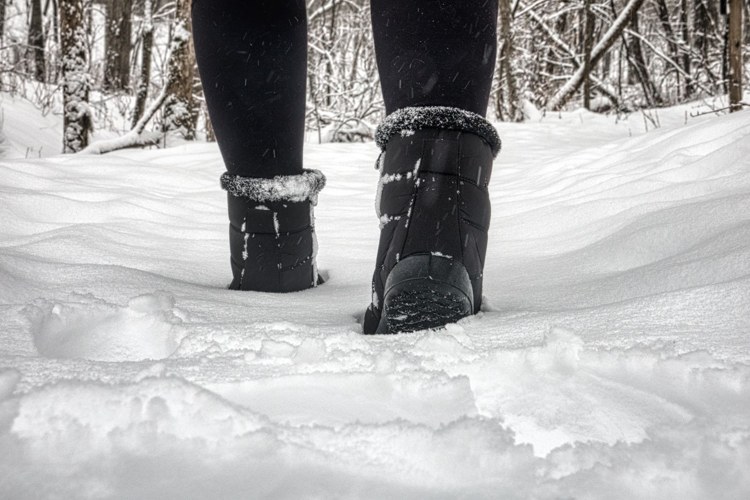
A winter compound must be evaluated at the temperatures where the footwear will be used. A material that feels flexible in a warm sample room can behave differently after cold conditioning. Formulation decisions should therefore be supported by low-temperature flex and traction results.
Rubber blends, fillers and processing conditions influence the final behavior. Specialized commercial ice-grip technologies demonstrate that winter performance can depend on a combination of materials and processing, rather than tread appearance alone. Those proprietary technologies should not be assumed to exist in a generic rubber outsole.
Tread development considers lug spacing, contact area, edges and channels. Wide channels may help release loose snow, while finer features can change the way the surface makes contact. There is no single lug depth or groove pattern that guarantees grip across all winter conditions.
Prototype comparisons should use the same footwear construction and controlled conditions wherever possible. This helps separate the effect of a compound change from a change in geometry.
For a vulcanized rubber outsole, production begins with controlled weighing and mixing. Material identification, batch records and consistent preparation help keep trial results meaningful. The compound is then formed using the selected molding route, such as compression or injection molding, and cured under validated conditions.
Cure time, temperature and pressure must suit the formulation, part thickness and equipment. Copying one factory setting into a different sole design can produce inconsistent results. Trial inspection should check filling, trapped air, dimensions and the definition of small tread features.
Thermoplastic soles follow a different route: the material is melted, molded and cooled rather than treated as a conventional vulcanized rubber compound. Hybrid constructions may combine materials or inserts, which adds interface and bonding requirements.
After molding, trim flash without damaging tread edges. Where a separate sole is bonded to the upper or midsole, use the specified preparation, adhesive and conditioning process. Direct-attached constructions require their own validated process. Finally, check that finishing has not contaminated or obscured the working surface.
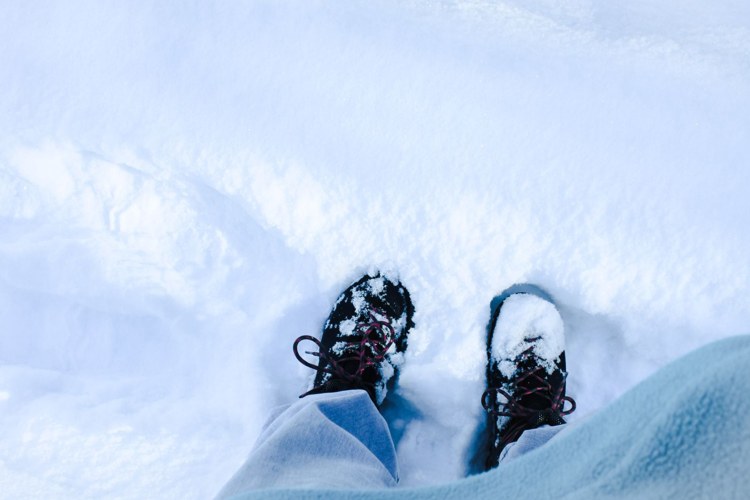
Testing should reflect the intended use, including relevant temperatures and surface conditions. Dry flooring, wet flooring, snow and ice are different test situations. A favorable result on one surface should not be presented as proof of performance on another.
Use a combination of material and whole-footwear checks. Depending on the specification, these may include cold flexing, abrasion, bond strength and traction evaluation. SATRA describes dedicated approaches for slip testing, including testing on ice; the method and conditions should be reported with the result.
Check repeatability across production samples and assess performance after wear. Tread edges, exposed material and bonding can change during service, so the new sample is only part of the evaluation. Keep traceable records linking the approved sample to the material batch and process settings.
No outsole can guarantee that slipping will never occur. For a winter footwear project, send Huadong the intended environment, construction and test expectations so that material and tooling options can be discussed against a clear brief.
No. Deep tread can be useful in snow, but smooth or wet ice presents a different friction problem. The compound and complete outsole need suitable evaluation.
The material name alone is insufficient. Compare the specific formulation, temperature response, geometry and test results for the intended conditions.
No. Cure settings must be validated for the compound, geometry and production equipment. Thermoplastic molding also follows a different process from rubber vulcanization.
No. Ice performance requires an appropriate evaluation on ice with the conditions recorded. Claims should stay within the scope of the actual test results.


