
Views: 6 Author: Site Editor Publish Time: 2026-11-07 Origin: Site


The right pickleball shoes should suit your court, hold your feet securely and feel controlled during sideways movement. The name on the shoe is only a starting point. How the outsole interacts with the surface and how the complete shoe fits are more useful checks.
Begin by identifying the actual floor. An indoor venue may have a smooth sports floor or a textured court surface. Outdoor courts also vary in roughness and condition. Ask about footwear requirements, including non-marking soles, before buying.
On abrasive courts, outsole durability deserves close attention. On smooth floors, choose footwear intended for that surface and keep the soles clean. Non-marking performance is a property of the material and construction; it should not be judged from sole color alone.
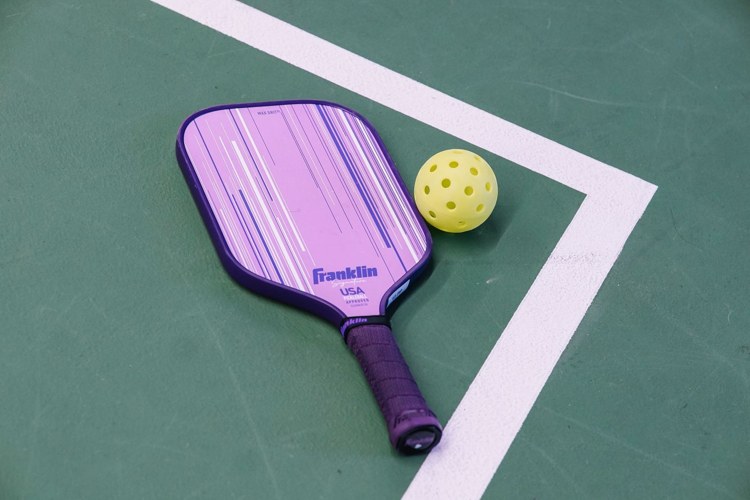
Pickleball involves short accelerations, lateral steps and frequent stops. Court shoes are designed around these demands. Running shoes are generally developed for a different movement pattern, so a comfortable running shoe is not automatically a suitable pickleball shoe.
Look for a secure heel, supportive upper and stable sole platform. During a gentle side step, your foot should remain centered rather than sliding noticeably inside the shoe. The upper and sole need to work together; a wide-looking outsole cannot compensate for an insecure fit.
A tennis shoe can be a reasonable option when its outsole suits the pickleball court and the shoe fits well. Compare the actual product rather than assuming that a pickleball label always makes it better.
Try both shoes with the socks you plan to wear. Walk, bend at the forefoot and make controlled side steps where the retailer permits. Stop the trial if the shoe feels unstable or causes pressure. Do not rely on future break-in to solve an obviously poor fit.
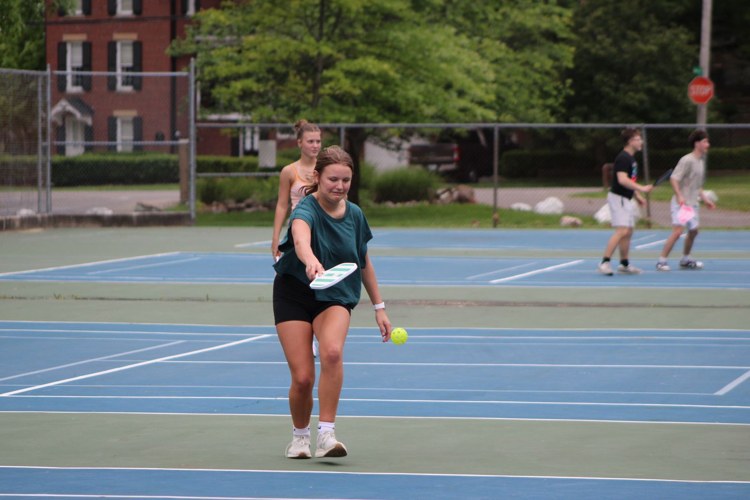
Your toes need room to spread without being pushed into the front during a stop. At the same time, the midfoot and heel should feel secure. Buying a longer shoe to compensate for insufficient width can leave the heel loose, so compare width options when available.
Lacing can fine-tune the fit, but it cannot correct an unsuitable shoe shape. Check for pressure across the top of the foot, heel movement and side-to-side slipping. Fit both feet and choose based on the more demanding fit rather than a familiar size number.
Cushioning should feel comfortable while preserving control. A very soft or high platform may feel pleasant when standing still yet behave differently during quick direction changes. Compare shoes through realistic, gentle movements rather than judging them only by pressing the foam with your thumb.
Weight is another tradeoff. A lighter shoe can feel less cumbersome, but support, outsole coverage and durability still need to match how often and where you play.
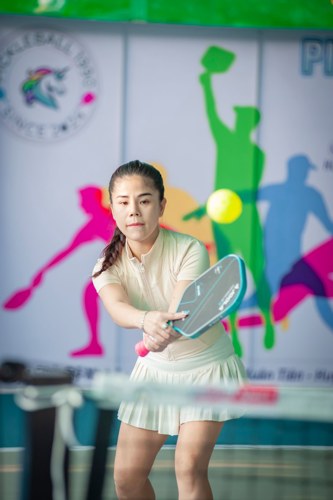
Inspect shoes regularly instead of replacing them on a fixed calendar. Look for smooth worn patches, unequal wear, separation, a damaged upper or a heel that no longer stays secure. Notice whether the cushioning feels permanently compressed or the shoe has become less controlled during familiar movements.
Clean the outsole using the manufacturer’s care instructions and let shoes dry properly. Dirt can change traction, while aggressive heat can damage some materials. A fresh-looking upper does not prove that the outsole and cushioning are still performing well.
Before purchase, confirm the court type, fit, lateral support, cushioning feel and return policy. For frequent play, compare the construction in areas that wore first on your previous pair. This makes the choice more specific than shopping by appearance alone.
For brands developing pickleball footwear, these same questions belong in the product brief. Share your target court surface, player profile and wear expectations with Huadong when discussing an outsole project.
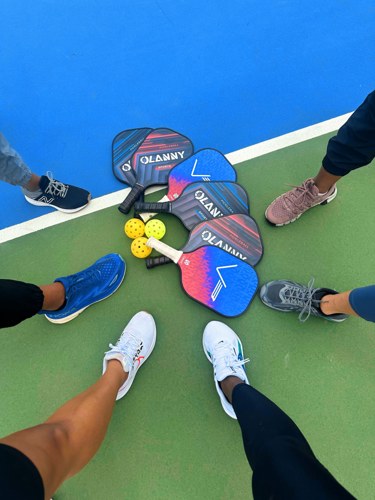
Often yes, provided the shoes fit securely, support lateral movement and have an outsole appropriate for the court. The product design matters more than the label.
They are generally not the preferred choice for repeated court play because their design priorities differ from those of court shoes. Compare lateral support and platform stability carefully.
Not necessarily. Check the actual surface and venue rules. Some indoor venues use textured court surfaces, while others use smooth sports floors.
Replace them when wear or damage compromises traction, fit, support or cushioning. Playing hours, court roughness and movement habits make a universal replacement interval unreliable.


