
Views: 102 Author: Site Editor Publish Time: 2026-05-27 Origin: Site


When it comes to shoe soles, choosing the right material can make a huge difference. Seriously, it’s not just about looking good—your shoes need to feel right, perform well, and last. So, let’s break down five popular outsole materials: Rubber, TPR, EVA, ETPU, and Pebax.
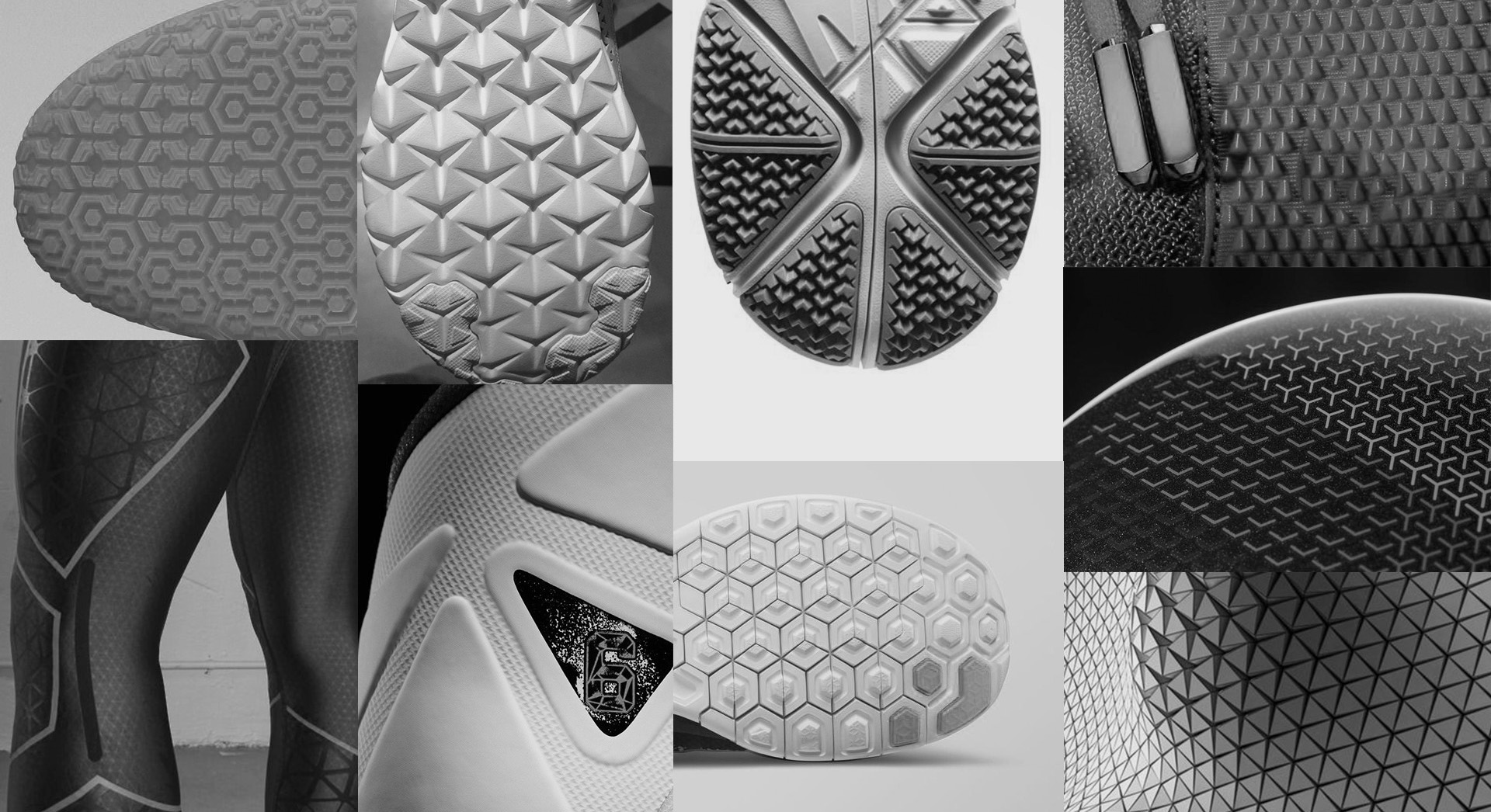
Rubber has been around forever, and for good reason.
What it’s good at:
· Super durable, lasts a long time
· Excellent grip, even on slippery surfaces
· Slightly heavier, but worth it for outdoor and rugged shoes
Where you’ll see it: Hiking boots, work shoes, durable sneakers, outdoor footwear
Trends: Brands are trying to make it lighter and greener—recycled rubber is getting popular.
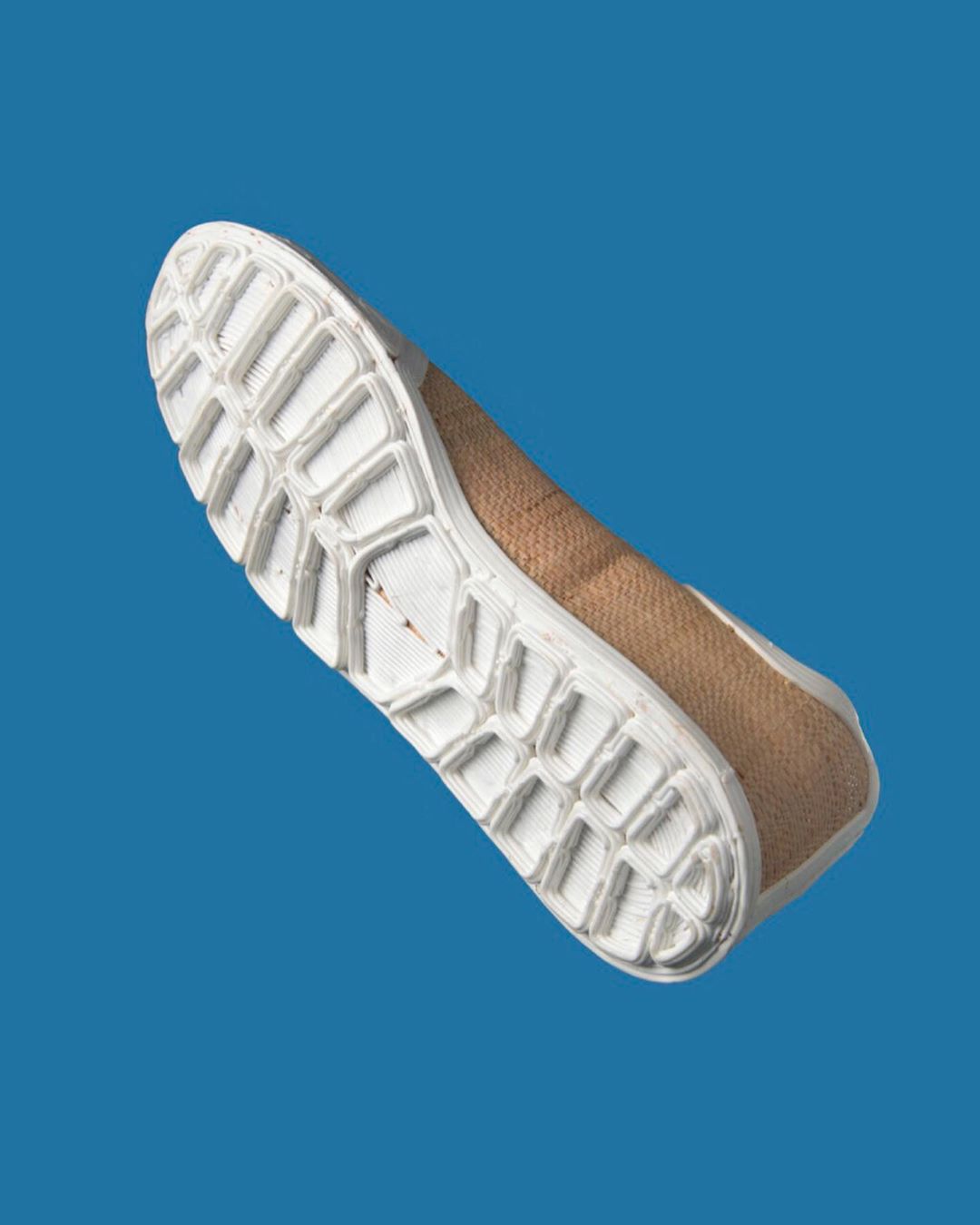
Think of TPR as a nice mix of rubber feel and plastic flexibility.
Perks:
· Lightweight and flexible
· Soft and elastic
· Can be molded in fancy patterns
· Not as tough as rubber, but still decent
Common uses: Casual sneakers, kids’ shoes, affordable athletic shoes
Trends: Bio-based TPR is gaining attention for eco-friendly shoes.
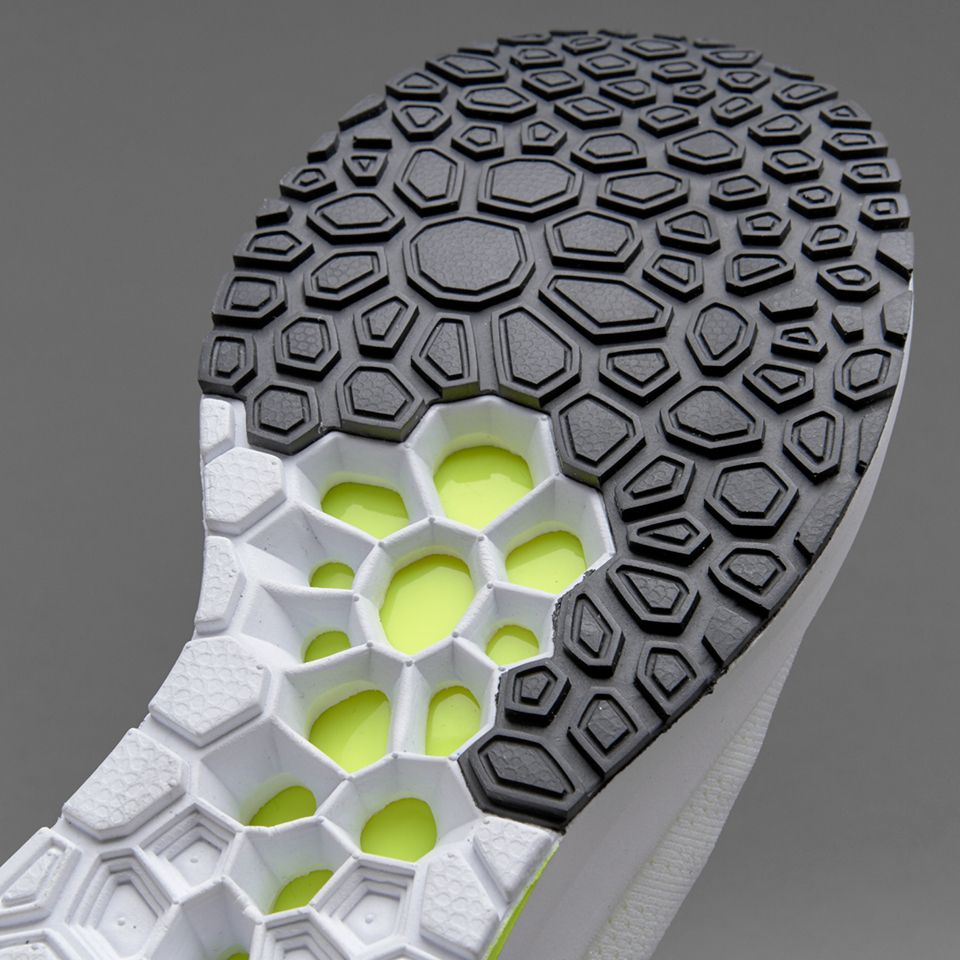
Ah, EVA—the classic lightweight hero.
Why we love it:
· Very light and soft
· Cushions your feet like a dream
· Not great for super rough surfaces
Where it shines: Running shoes, casual sneakers, flip-flops, sandals
Trends: Brands are mixing EVA with other materials to make it more durable and versatile.
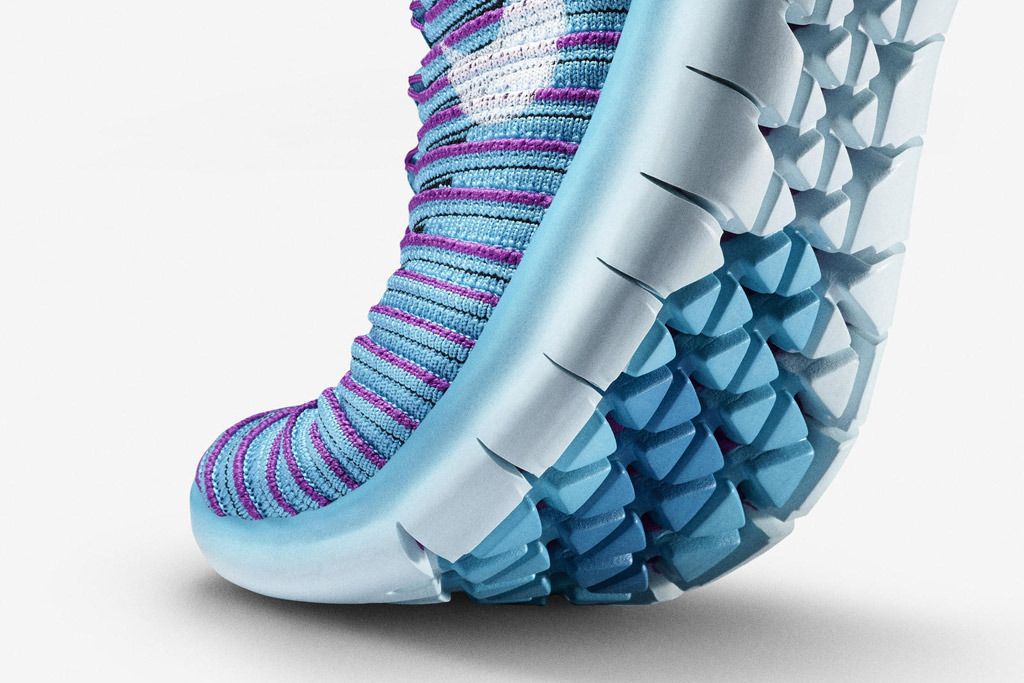
ETPU is all about bounce and energy return.
Key features:
· Light, resilient, and springy
· Excellent shock absorption
· Very durable under repeated use
Applications: High-performance running shoes, basketball shoes, energy-return midsoles
Trends: More sports brands are using ETPU for midsoles that give extra spring without adding weight. Sustainable ETPU foams are also on the rise.
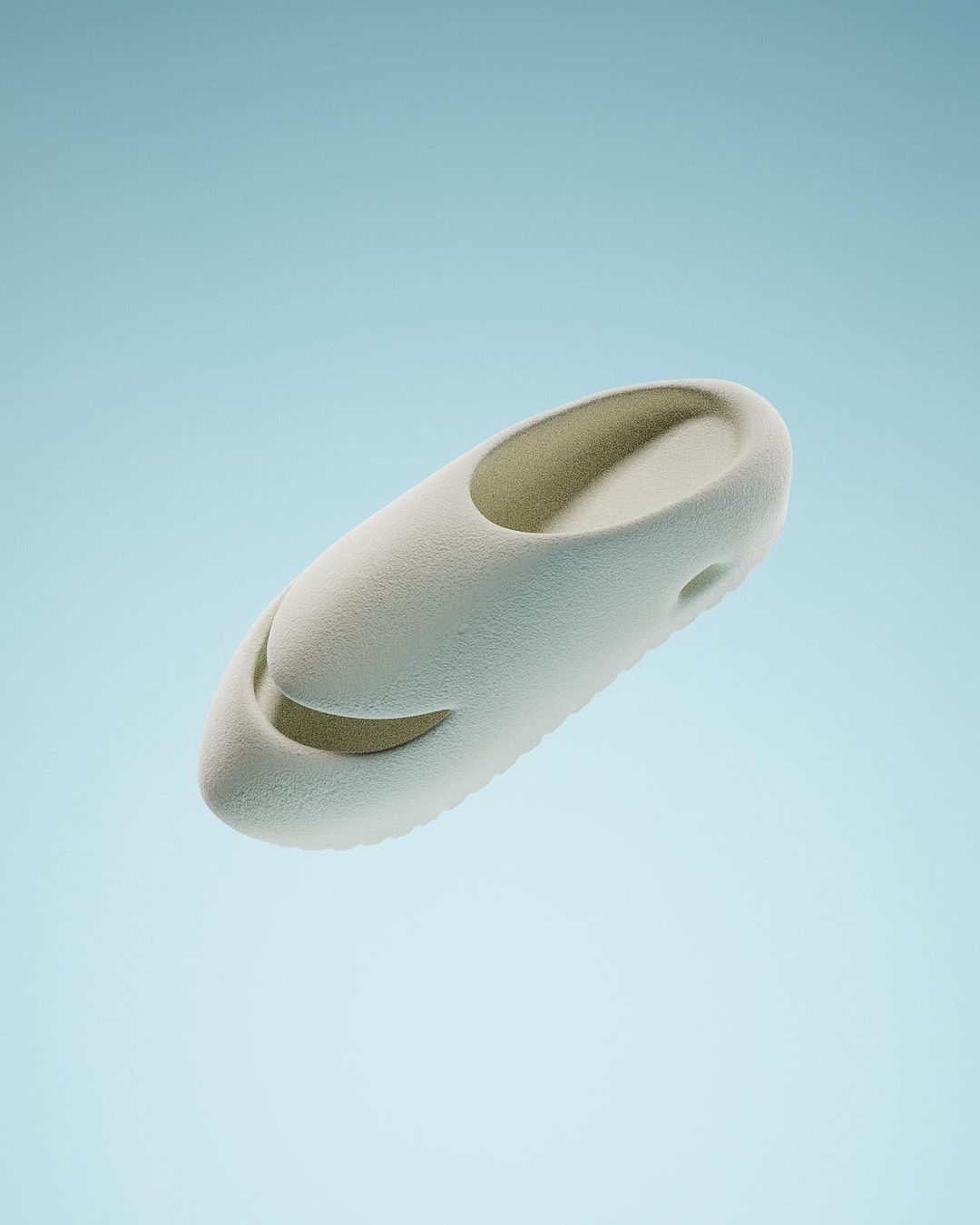
Pebax is basically the premium, high-tech option.
Why it rocks:
· Ultra-light and flexible
· Amazing energy return
· Can handle different temperatures
· A bit pricey, though
Where it’s used: Elite running shoes, high-end athletic footwear, performance sneakers
Trends: Increasingly popular in lightweight performance shoes, and brands are experimenting with recycled Pebax too.
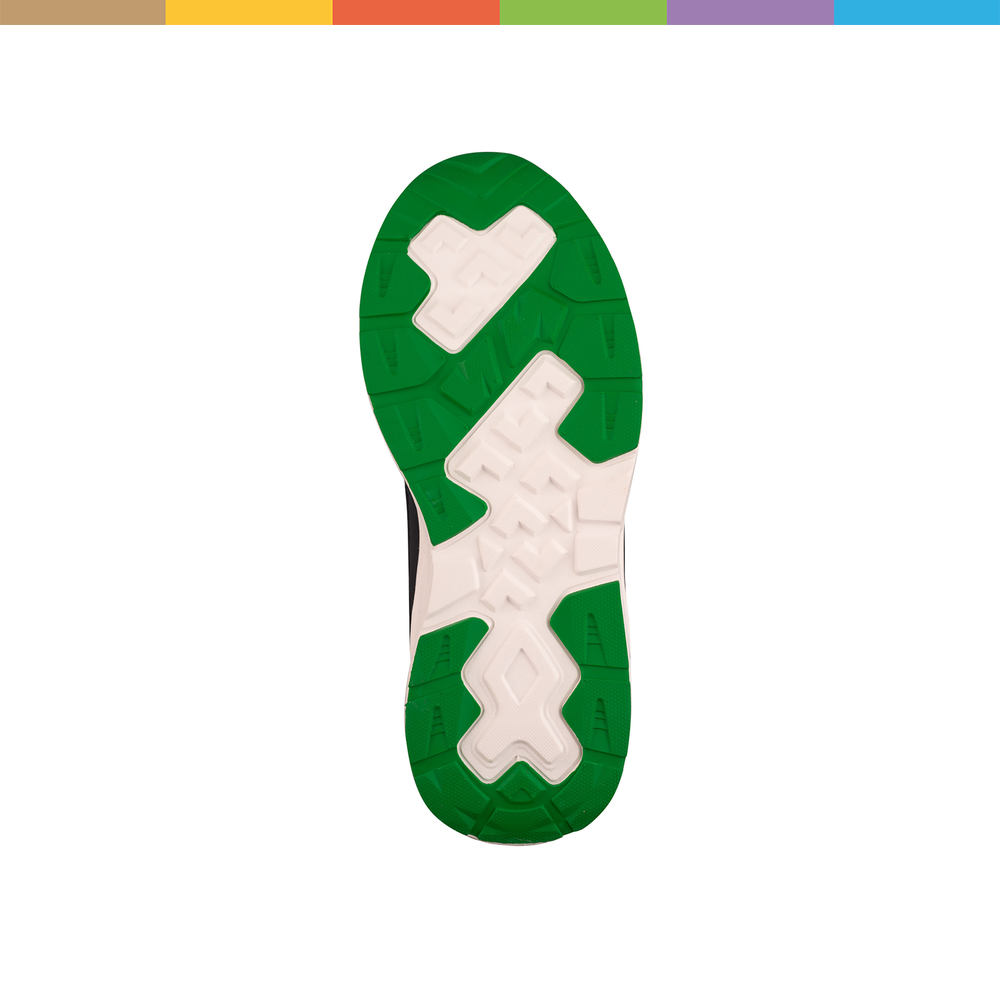
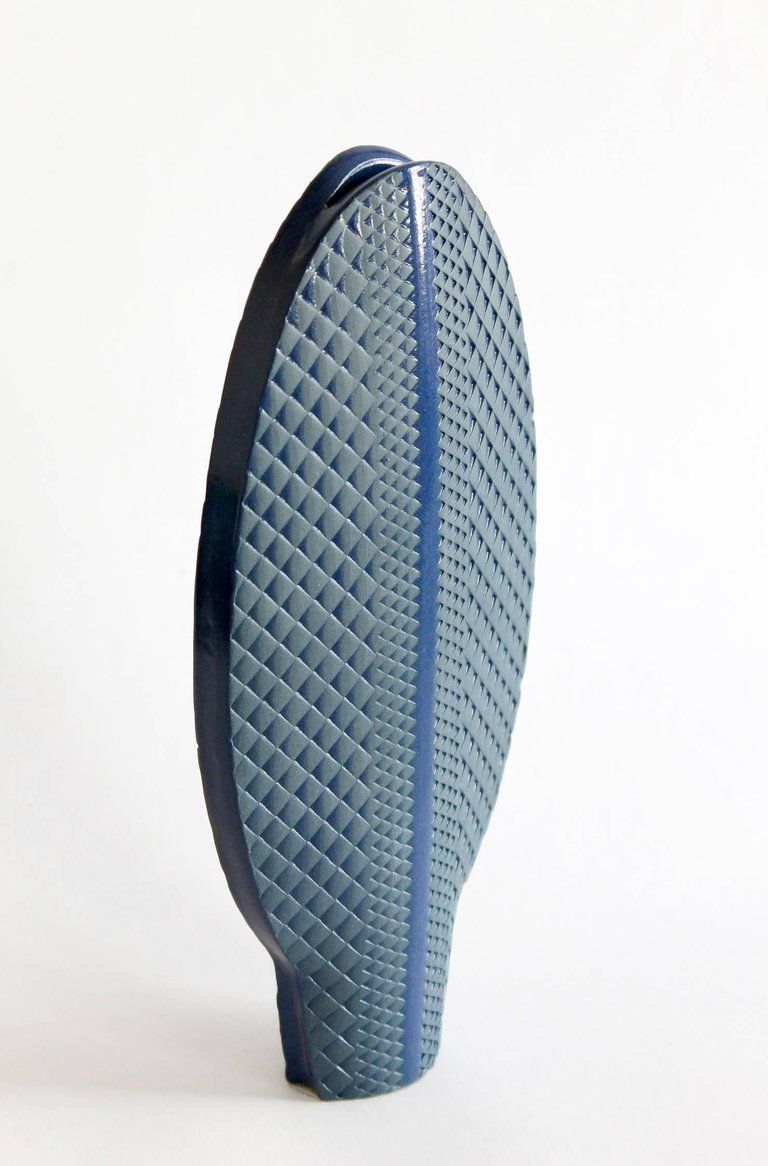
· Rubber = tough and grippy
· TPR = flexible and affordable
· EVA = light and cushy
· ETPU = bouncy and resilient
· Pebax = premium, ultra-light, high-performance
Basically, the trend is clear: lightweight, hybrid, and eco-friendly materials are the future. But remember, no one material is perfect for everything—it all depends on the shoe type, performance needs, and budget.
Final Thoughts
Not all lightweight soles are the same.
A truly well-developed outsole should combine:
✔ Lightweight construction
✔ Durability
✔ Stability
✔ Grip performance
✔ Comfortable cushioning
Successful outsole development requires both material knowledge and manufacturing experience.
As footwear trends continue evolving, lightweight outsole innovation will remain an important part of the industry.
Here at Huadong Holdings Group, we are dedicated to innovating outsole materials and developing advanced shoe molds. We warmly welcome everyone to explore possibilities with us and elevate your shoe brand to the next level.
Q1: What is the most durable outsole material?
A: Rubber is the most durable. It offers excellent abrasion resistance and superior grip, even on slippery or rugged surfaces. However, it is slightly heavier than other materials.
Q2: Which outsole material is the lightest?
A: EVA and Pebax are among the lightest. EVA is very soft and cushy, while Pebax is ultra-light and offers premium energy return.
Q3: What is the difference between TPR and rubber?
A: Rubber is heavier, tougher, and provides better grip for outdoor use. TPR (Thermoplastic Rubber) is lighter, more flexible, and easier to mold into fancy patterns, but it is less durable than traditional rubber.
Q4: What material gives the best energy return for running shoes?
A: ETPU (Expanded Thermoplastic Polyurethane) and Pebax provide the best energy return. ETPU is known for its bounce and shock absorption, while Pebax is preferred for elite, high-performance running shoes.
Q5: Is EVA good for rugged outdoor shoes?
A: Not by itself. EVA is very light and comfortable but lacks durability on rough surfaces. Many brands now mix EVA with other materials to improve its durability.
Q6: What are the latest trends in outsole materials?
A: Current trends include:
Recycled and bio-based materials (e.g., recycled rubber, bio-based TPR)
Sustainable ETPU foams
Recycled Pebax for premium shoes
Hybrid materials that combine lightweight properties with durability
Q7: Which outsole material is best for casual sneakers?
A: TPR or EVA are commonly used for casual sneakers. TPR offers flexibility and affordability, while EVA provides lightweight cushioning.
Q8: Is Pebax worth the higher price?
A: For elite athletes and performance-focused users, yes. Pebax offers ultra-light weight, excellent flexibility, and amazing energy return across different temperatures. For everyday casual use, Rubber or EVA may be more cost-effective.
Q9: Can one material do everything?
A: No. Each material has strengths and weaknesses. The best outsole often combines different materials (e.g., rubber for the tread and EVA for the midsole) to balance comfort, durability, grip, and weight.
Q10: What makes a truly well-developed lightweight outsole?
A: A good lightweight outsole combines:
Lightweight construction
Durability
Stability
Grip performance
Comfortable cushioning


